
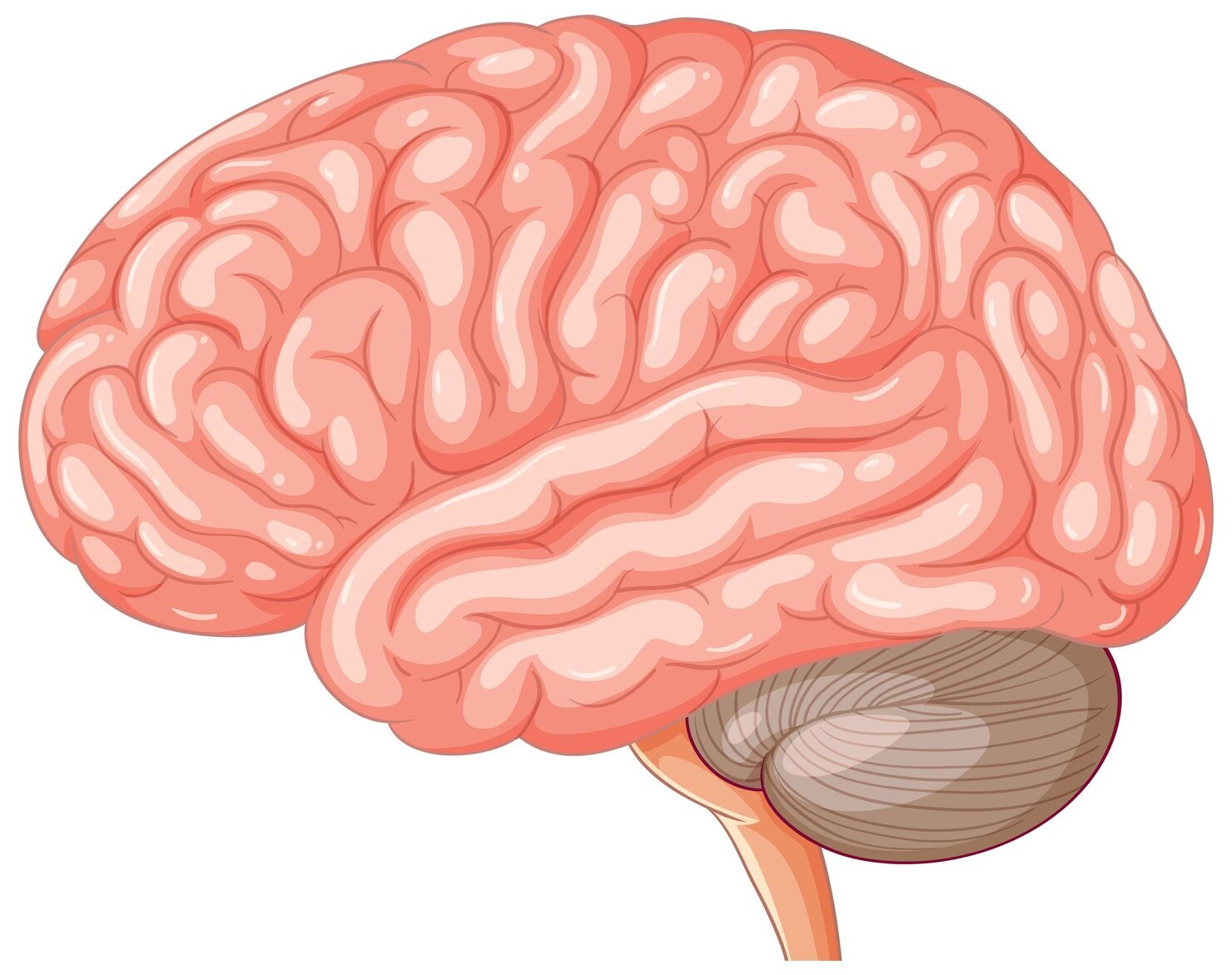
It is a common saying that you are what you eat, but modern science is revealing that your diet also fundamentally dictates how you think and feel. At the center of this discovery is the gut-brain axis, a complex, two-way communication network that links your central nervous system directly with your gastrointestinal tract. While we often associate dietary fiber solely with digestive regularity, its most profound impact might actually be happening upstairs in your brain. When you consume prebiotic fiber from foods like oats, berries, legumes, and leafy greens, you aren’t just feeding yourself; you are nourishing billions of beneficial gut bacteria. These microbes ferment the fiber, producing short-chain fatty acids (SCFAs) like butyrate and acetate. These crucial compounds strengthen the gut barrier, calm systemic inflammation, and send direct biochemical signals through the vagus nerve straight to the brain, laying the biological groundwork for sharper cognitive performance and sustained mental stamina.
Beyond merely keeping you sharp, this intricate biological pathway plays a foundational role in emotional regulation by serving as the primary manufacturing hub for your body’s feel-good chemicals. In fact, a staggering 90% of the body’s serotonin—the key neurotransmitter responsible for stabilizing mood, promoting feelings of well-being, and regulating sleep—is synthesized right in the gut. Emerging nutritional research highlights that a low-fiber diet essentially starves the beneficial microbiome, leading to a state of dysbiosis where harmful bacteria thrive and vital serotonin production plummets. Conversely, a fiber-rich diet provides the precise fuel required by specialized cells in the gut lining to optimize serotonin synthesis. This steady chemical production acts as a natural buffer against daily stress and anxiety, proving that a resilient, well-fed microbiome is one of the most powerful defenses we have against mood swings and emotional exhaustion.
Cultivating this inner ecosystem translates directly into tangible daily benefits, transforming mental fog into vibrant, sustained clarity. When the gut-brain axis is functioning optimally due to consistent fiber intake, the brain experiences fewer inflammatory disruptions, allowing for sharper focus, quicker processing speeds, and a noticeably longer attention span. Unlike the artificial, fleeting spikes and subsequent crashes that come from relying on caffeine or refined sugars for energy, the cognitive lift provided by a fiber-dense diet is steady, clean, and reliable. By prioritizing whole, fiber-rich foods at every meal, you actively protect your brain from the sluggishness of systemic inflammation while keeping your mood biochemically balanced. Ultimately, nourishing your gut isn’t just a matter of physical health—it is a vital, scientifically proven strategy for unlocking your highest level of mental clarity and emotional resilience.