Fruits with Fiber

Fruits with Fiber

When people think of fiber, they often picture bran flakes and dull cereals. But some of the most delicious, naturally sweet foods on the planet are also fiber powerhouses. Let’s talk fruit.

The Fiber All-Stars

Not all fruits are created equal when it comes to fiber. Here are the ones that deliver the biggest punch per serving:

  • Pears (with skin): 5.5g per medium fruit
  • Apples (with skin): 4.5g per medium fruit
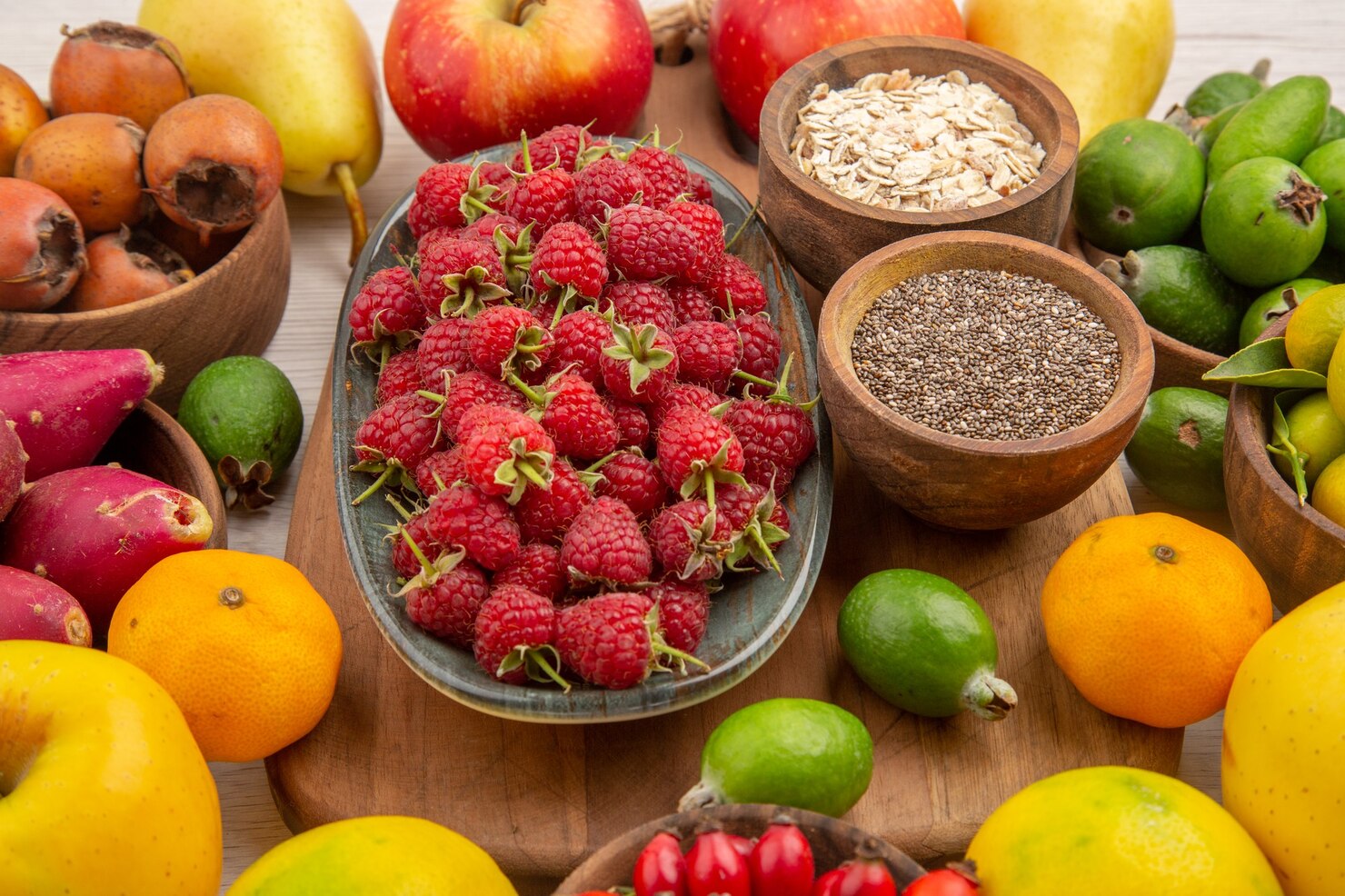
  • Raspberries: 8g per cup
  • Blackberries: 7.5g per cup
  • Blueberries: 3.5g per cup
  • Bananas: 3g per medium fruit (more if slightly green)
  • Oranges: 3g per medium fruit
  • Strawberries: 3g per cup
  • Avocado: 10g per cup — yes, it’s a fruit!

The Skin Is Where the Magic Happens

A significant portion of a fruit’s fiber lives in the skin. That’s why eating an apple with the skin nearly doubles its fiber content compared to peeled. Same goes for pears, peaches, and even kiwis (yes, you can eat the skin — it’s edible and nutritious).

How to Work More Fiber-Rich Fruits Into Your Day

  • Breakfast: Top your oatmeal or yogurt with raspberries or sliced banana.
  • Snacks: Keep a pear or apple in your bag for a portable, no-prep option.
  • Smoothies: Add a handful of berries and half an avocado for creaminess and fiber.
  • Dessert: Baked apples with cinnamon or grilled pears make a satisfying, fiber-rich end to a meal.
  • Salads: Toss in orange segments, sliced strawberries, or diced apple for sweetness and texture.

A Word on Fruit Juice

Juice strips away most of the fiber, leaving behind the sugar. A glass of orange juice has about 0.5g of fiber — compared to 3g in the whole fruit. For fiber benefits, eat the fruit, don’t drink it.

Facebook
Twitter
LinkedIn
WhatsApp

Most Popular This Week

1
2
3
4
5

The Best Fiber Supplements of 2026: 6 Top Picks, Tested & Ranked

How Much Fiber Is in an Apple?

The Best Fiber Supplements of 2026: 6 Top Picks, Tested & Ranked

How Much Fiber Is in a Banana?

How Fiber Actually Improves Your Gut Health (The Science)

“The 30-day reset finally gave me predictable digestion. I’d tried everything — this was the first thing that explained why.“

Sarah K.
Joined Mar 2026 · 2,840 students

The 30-Day Gut Reset Protocol

$49

$79

ADVERTISEMENT
300* 250
Recipe Book

60 High-Fiber Recipes Vol. 1

The Weekly Fiber Digest

New articles and research roundups, every Thursday.
No spam. Unsubscribe anytime.

You May Also Like

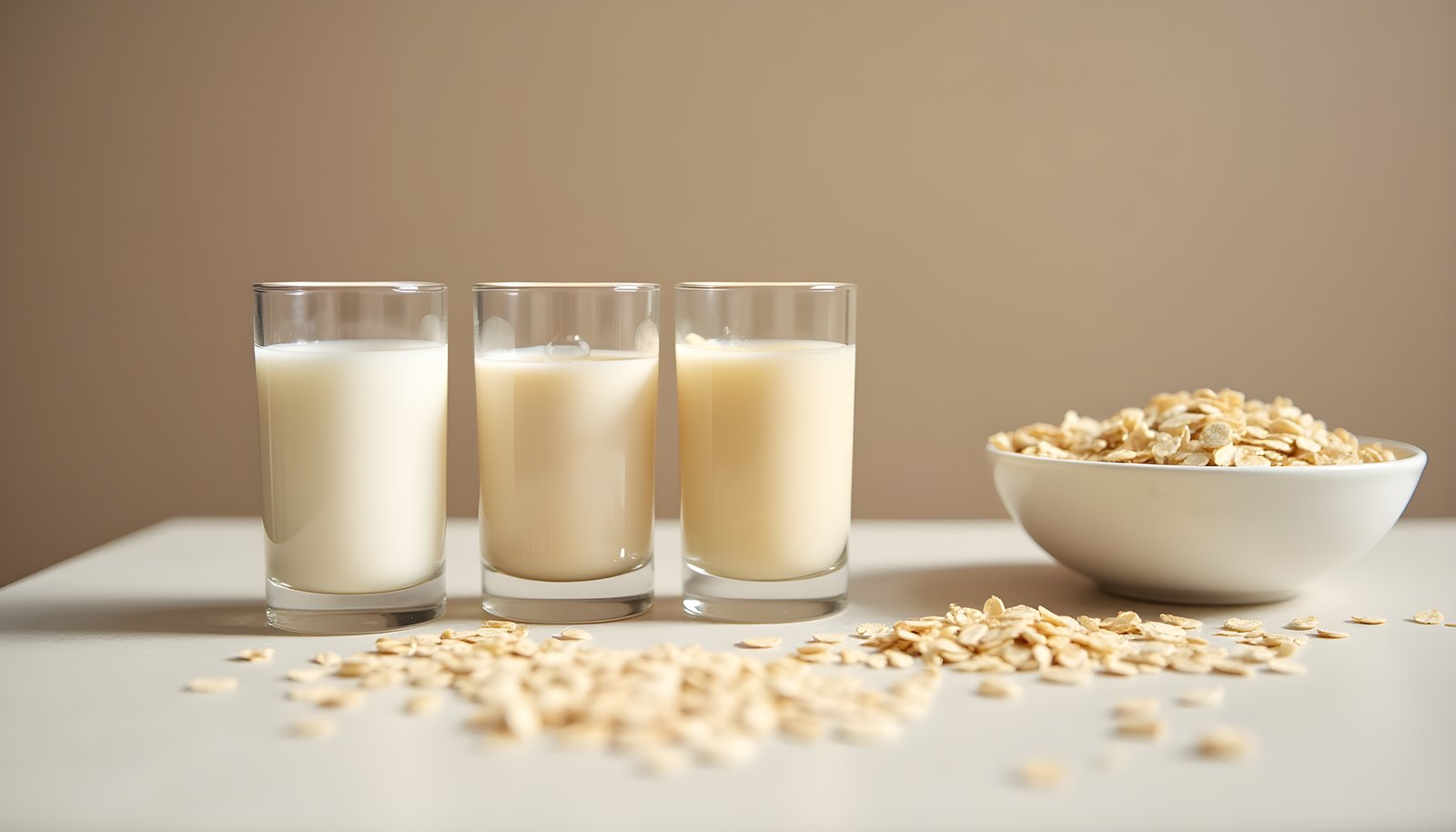
Plant milk fiber comparison shown with three small glasses of oat, soy and almond milk beside a bowl of rolled oats
The plant milk with most fiber is oat milk, with the best cartons listing about 2 grams per cup, and soy milk is close behind. Almond, rice, coconut, cashew and flax milks mostly sit under 1 gram, so no carton covers more than about 7% of your daily fiber.
Plant based creamer fiber shown with a cup of coffee with creamer latte art beside a bowl of oats and a cinnamon stick
Plant based creamer fiber is 0 grams per tablespoon in most bottles, even ones made from oats, almonds or cashews. The few that reach 1 gram get it from an added fiber such as chicory inulin, not from the plant on the front of the label.
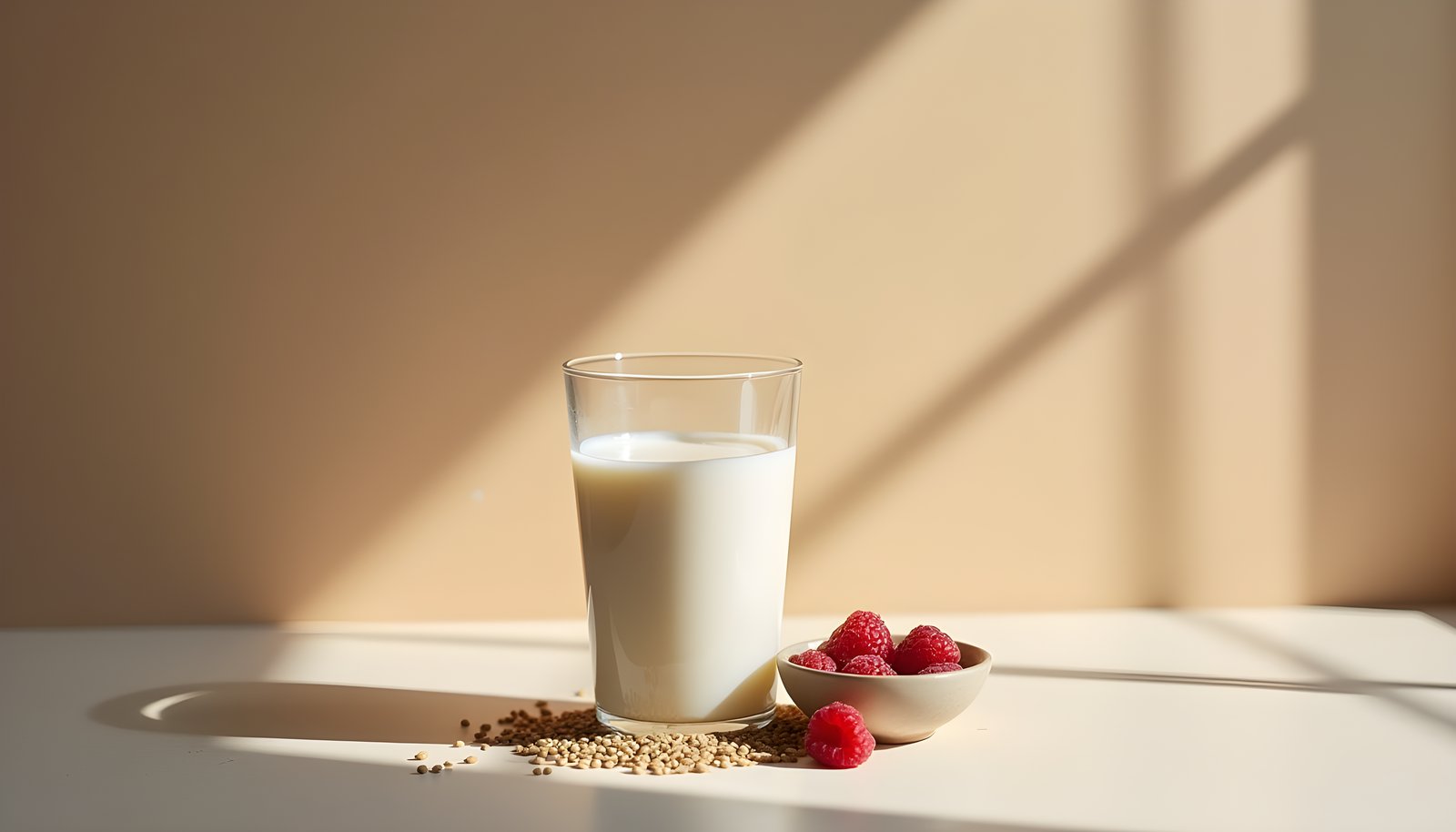
Hemp milk fiber shown with a glass of hemp milk on a sunny table beside a small dish of raspberries and hemp hearts
Hemp milk fiber is under 1 gram per cup in most cartons, because it’s made from shelled hemp seeds that start with only about 1 gram per 3 tablespoons. One brand reaches 2 grams by adding oats, and the real draw of hemp seed is its omega 3 fat.
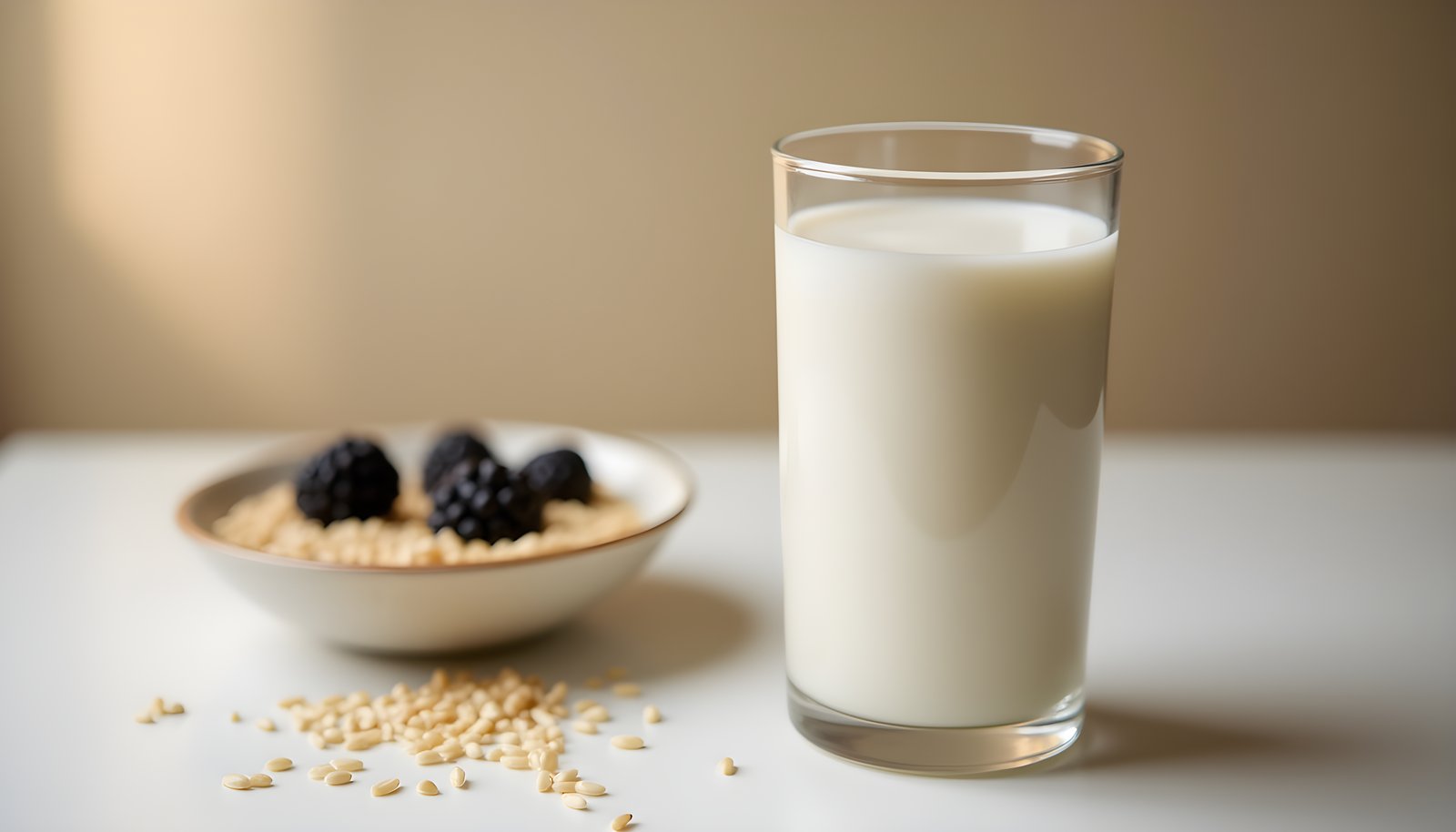
Rice milk fiber shown with a tall glass of rice milk beside a bowl of brown rice grains topped with a few blackberries
Rice milk fiber is under 1 gram per cup, with USDA listing about 0.7 grams and most Rice Dream cartons listing 0. Even brown rice versions lose the grain’s fiber, while many keep 11 to 13 grams of sugar per cup without any added sweetener.
Pea milk fiber shown with a glass of pale green pea milk beside small bowls of fresh green peas and ripe blackberries
Pea milk fiber is under 1 gram per cup in Ripple’s main cartons, far below the 4.4 grams in half a cup of green peas. Its real benefit is protein: 8 grams per cup, plus high levels of added calcium and vitamin D.
Cashew milk fiber shown with a glass of cashew milk beside a bowl of raw cashews and a ripe green pear on a light table
Cashew milk fiber is 0 grams per cup in every brand we checked, from light 25 calorie cartons to a rich barista version made from just cashews and water. That makes sense once you know whole cashews have under 1 gram per ounce to begin with.