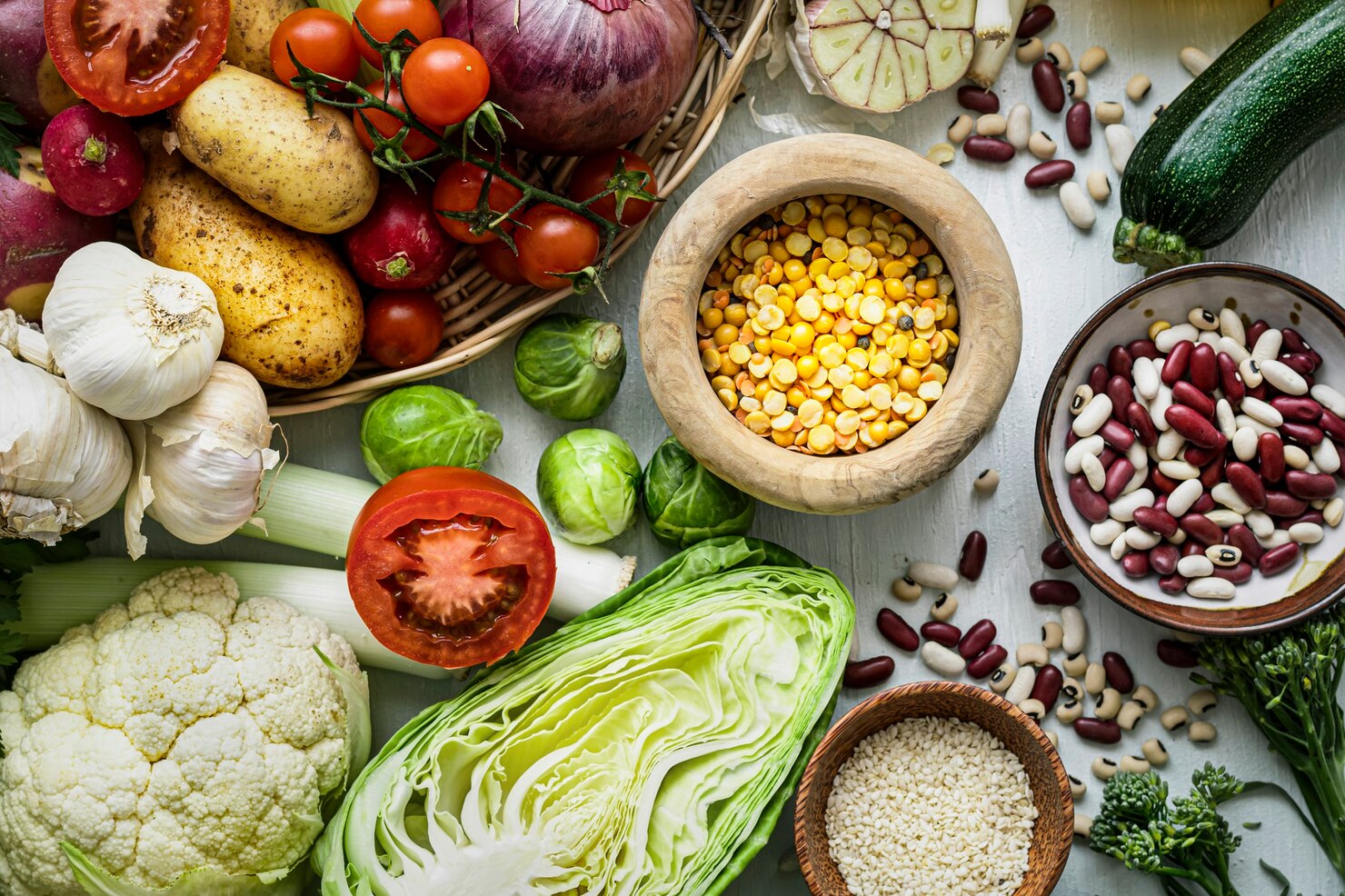
Fiber is one of the most important nutrients for overall health, yet many people don’t get enough of it in their daily diet. Found naturally in fruits, vegetables, whole grains, legumes, nuts, and seeds, fiber is a type of carbohydrate that the body cannot fully digest. Unlike other carbohydrates that are broken down into sugar for energy, fiber passes through the digestive system largely intact, providing a wide range of health benefits.
Understanding the two main types of fiber—soluble fiber and insoluble fiber—can help you make healthier food choices and improve your digestion, heart health, and overall well-being.
What Is Fiber?
Dietary fiber is the part of plant-based foods that your body cannot digest or absorb. Instead of being broken down and used for energy, fiber moves through your stomach, intestines, and colon, helping various bodily functions along the way.
Fiber is essential because it supports healthy digestion, helps control blood sugar levels, lowers cholesterol, and promotes feelings of fullness after meals. A diet rich in fiber is also linked to a lower risk of heart disease, type 2 diabetes, obesity, and certain digestive disorders.
Soluble Fiber: The “Dissolving” Fiber
Soluble fiber dissolves in water and forms a gel-like substance in the digestive tract. This gel slows digestion and helps regulate how nutrients are absorbed.
Benefits of Soluble Fiber
- Helps lower LDL (“bad”) cholesterol levels
- Supports healthy blood sugar control
- Promotes heart health
- Feeds beneficial gut bacteria
- Helps you feel full longer, which may support weight management
Best Food Sources of Soluble Fiber
- Oats and oat bran
- Barley
- Beans and lentils
- Apples
- Oranges
- Pears
- Chia seeds
- Flaxseeds
- Sweet potatoes
For example, starting your day with a bowl of oatmeal topped with fruit can provide a significant amount of soluble fiber while supporting heart health.
Insoluble Fiber: The “Bulking” Fiber
Insoluble fiber does not dissolve in water. Instead, it adds bulk to stool and helps food move more efficiently through the digestive system.
Benefits of Insoluble Fiber
- Promotes regular bowel movements
- Helps prevent constipation
- Supports digestive health
- May reduce the risk of certain digestive conditions
- Keeps the digestive system functioning smoothly
Best Food Sources of Insoluble Fiber
- Whole wheat products
- Brown rice
- Bran cereals
- Nuts and seeds
- Cauliflower
- Green beans
- Potatoes with skin
- Leafy green vegetables
If you’ve ever been advised to eat more vegetables or whole grains to stay regular, it’s often because of their insoluble fiber content.
Soluble vs. Insoluble Fiber: What’s the Difference?
| Soluble Fiber | Insoluble Fiber |
|---|---|
| Dissolves in water | Does not dissolve in water |
| Forms a gel-like substance | Adds bulk to stool |
| Helps lower cholesterol | Supports regular bowel movements |
| Slows digestion | Speeds movement through the digestive tract |
| Found in oats, beans, fruits | Found in whole grains, vegetables, nuts |
While they work differently, both types of fiber are equally important for good health.
How Much Fiber Do You Need?
Most adults should aim for 25–38 grams of fiber per day, depending on age and sex. Unfortunately, many people consume far less than the recommended amount.
Simple ways to increase your fiber intake include:
- Choosing whole-grain bread instead of white bread
- Eating fruits with their skin when possible
- Adding beans or lentils to meals
- Snacking on nuts and seeds
- Including vegetables with every meal
When increasing fiber, do so gradually and drink plenty of water to help your digestive system adjust comfortably.
Why Both Types Matter
Many fiber-rich foods contain a combination of soluble and insoluble fiber. For example, apples, beans, and vegetables provide both types, making them excellent choices for overall health.
Rather than focusing on one type over the other, aim for a varied diet rich in plant-based foods. This approach helps ensure you get the benefits of both fibers—better digestion, improved heart health, stable blood sugar, and a healthier gut microbiome.
Final Thoughts
Fiber may not receive as much attention as protein or vitamins, but it plays a vital role in maintaining good health. Soluble fiber helps manage cholesterol and blood sugar, while insoluble fiber keeps your digestive system running smoothly. By eating a variety of fruits, vegetables, whole grains, legumes, nuts, and seeds, you can easily get both types of fiber and enjoy their long-term health benefits.
A simple rule to remember: eat more whole plant foods, and you’ll naturally get the fiber your body needs.