
If you’ve ever stood in the supplement aisle staring at words like “soluble,” “insoluble,” “prebiotic,” and “resistant starch,” you’re not alone. Fiber is one of the most talked-about nutrients in nutrition — and one of the most misunderstood.
Let’s cut through the jargon.
Fiber is not one thing. It’s an umbrella term for a family of carbohydrates that your body can’t fully break down. Unlike sugar or starch, fiber passes through your small intestine mostly intact, arriving in your large intestine where the real magic happens.
That’s where your gut bacteria come in. They ferment certain types of fiber into short-chain fatty acids — compounds that lower inflammation, strengthen your gut lining, and even communicate with your brain via the vagus nerve.
Soluble vs. Insoluble: The Simple Breakdown
- Soluble fiber dissolves in water, forming a gel-like substance. It slows digestion, helps stabilize blood sugar, and binds to cholesterol. Think oats, psyllium, apples, and beans.
- Insoluble fiber doesn’t dissolve. It adds bulk to stool and helps keep things moving through your digestive tract. Think wheat bran, nuts, cauliflower, and green beans.
You need both. Most people eat too little of either.
Prebiotics: Food for Your Bacteria
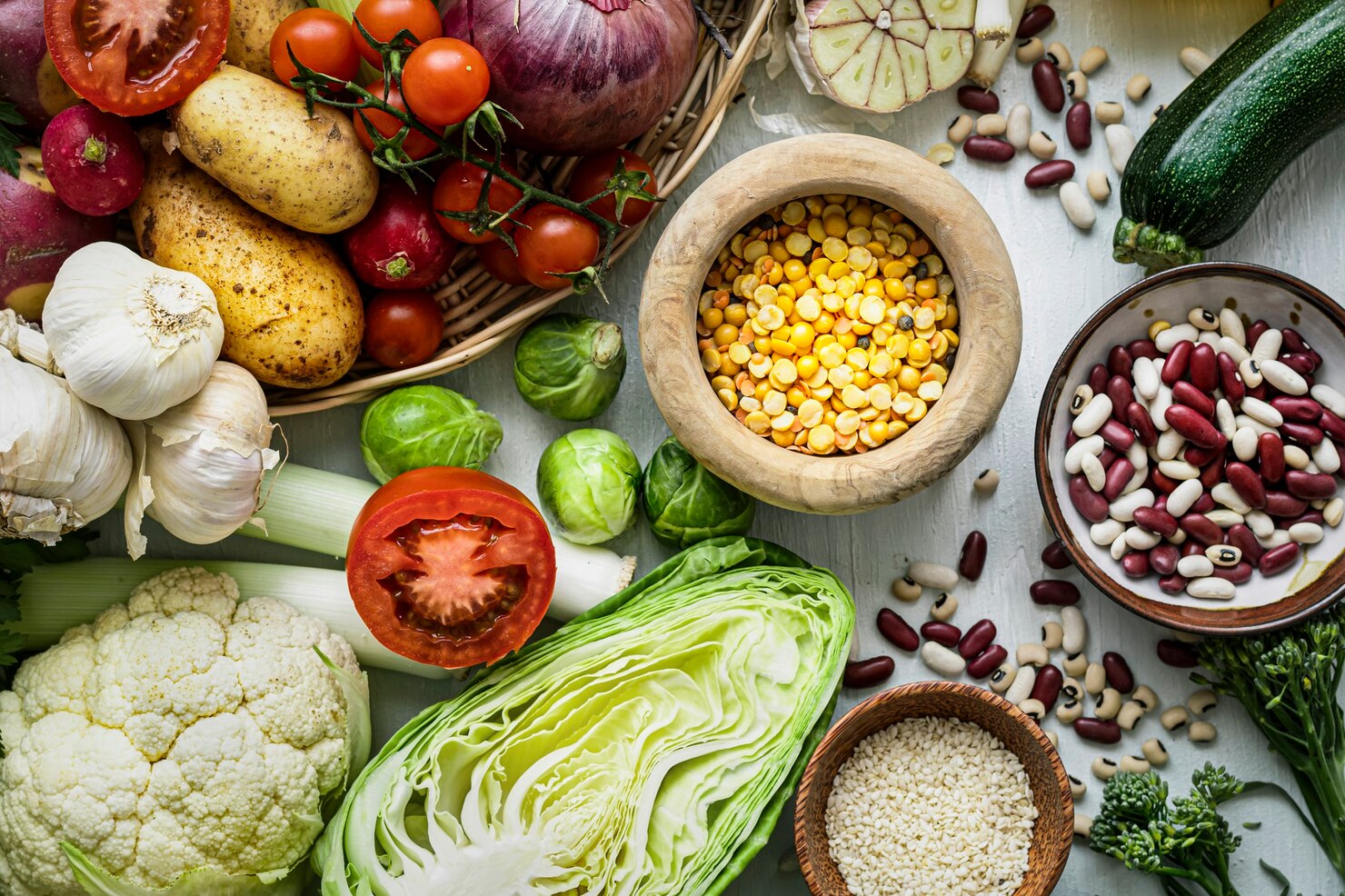
Prebiotics are a subset of fiber that specifically feed the beneficial bacteria in your gut. Inulin, fructooligosaccharides (FOS), and galactooligosaccharides (GOS) are common types. You’ll find them in garlic, onions, leeks, asparagus, and bananas.
Not all fiber is prebiotic, but all prebiotics are fiber. The distinction matters because prebiotics actively promote the growth of strains like Bifidobacterium and Lactobacillus — bacteria linked to better digestion, mood, and immunity.
Resistant Starch: The Overlooked Player
Resistant starch acts like soluble fiber, but it’s technically a starch that resists digestion. It passes through to your colon, where it becomes fuel for your microbiome. Green bananas, cooked-and-cooled potatoes, and legumes are rich sources.
Why Your Gut Cares
Your gut microbiome contains trillions of bacteria. What you feed them determines whether they help or harm you. A low-fiber diet starves beneficial bacteria, allowing less desirable strains to take over. The result? Bloating, irregularity, inflammation, and even mood disturbances.
The science is clear: diversity of fiber sources equals diversity of gut bacteria. And microbial diversity is one of the strongest markers of gut health.