
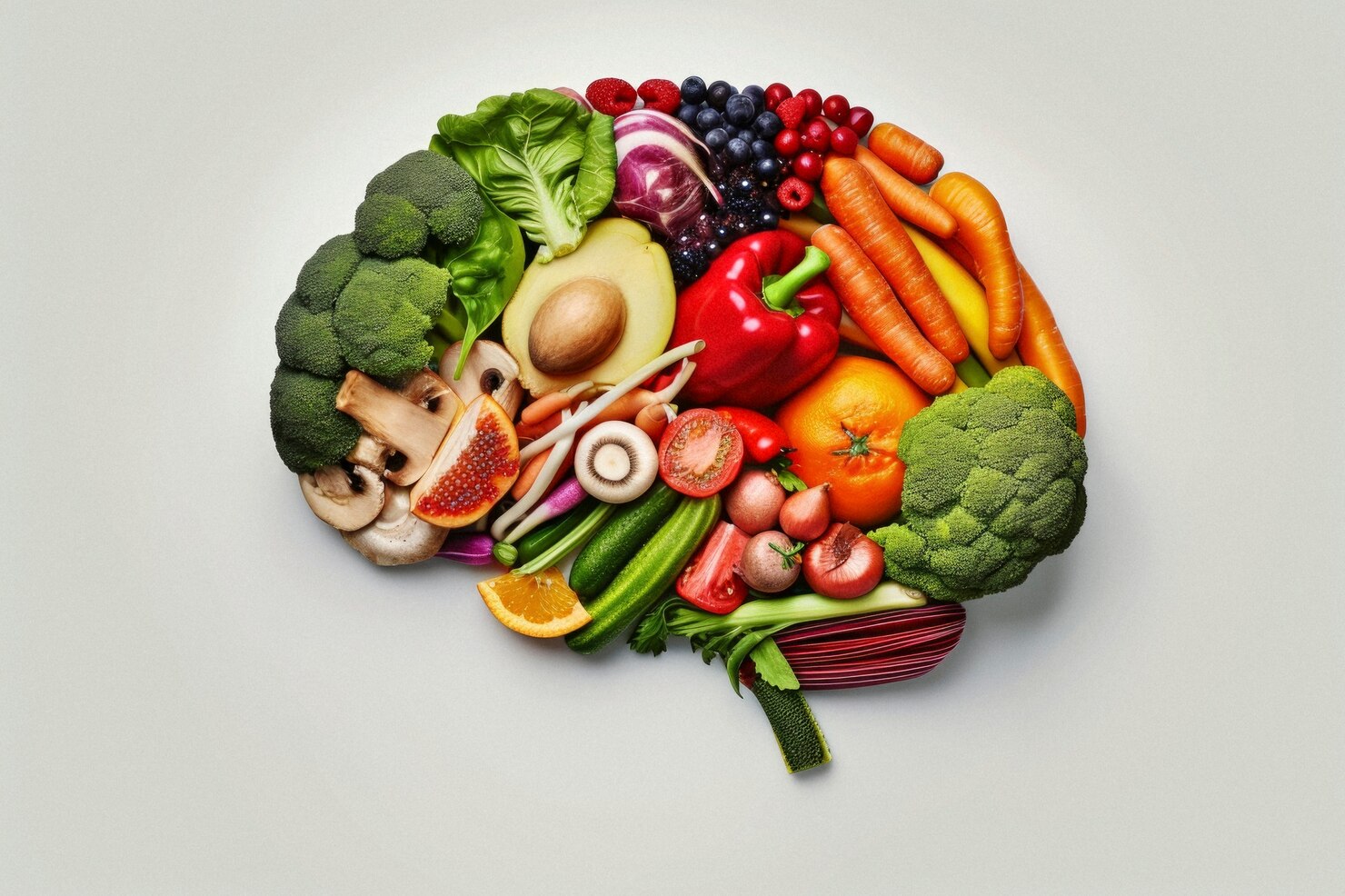
You probably know that diet affects your physical health. But did you know that what you eat directly influences your focus, memory, and long-term brain function?
The Gut-Brain Axis
Your gut and brain are connected by the vagus nerve — a two-way communication superhighway. When your gut bacteria ferment fiber, they produce short-chain fatty acids that:
- Reduce neuroinflammation
- Support the production of neurotransmitters like serotonin and dopamine
- Protect the blood-brain barrier
About 90% of your body’s serotonin is produced in the gut. Fiber feeds the bacteria that support this production.
Fiber and Focus
Stable blood sugar means stable cognition. Fiber slows sugar absorption, preventing the mental fog and irritability that come with glucose crashes. A high-fiber lunch can keep you sharp through the afternoon.
Fiber and Long-Term Cognition
Higher fiber intake is associated with a lower risk of cognitive decline. Research suggests that a diverse microbiome supports better memory and executive function in older adults.
What the Research Really Shows
- Observational studies: Higher fiber intake correlates with better performance on cognitive tests.
- Animal studies: Fiber supplementation reduces neuroinflammation and improves memory.
- Human trials: Prebiotic fiber improved stress responses and subjective well-being.
Foods for Brain Health
- Oats and barley: Beta-glucan supports steady blood sugar
- Chia and flax: Omega-3s plus fiber
- Berries: Polyphenols that feed beneficial bacteria
- Legumes: Steady energy for sustained focus
A Realistic Protocol
- Start your day with a fiber-rich breakfast
- Choose whole grains over refined at lunch
- Snack on nuts and fruit
- Aim for variety — diverse fiber sources = diverse microbiome