START HERE

Fiber, Explained Simply.

The no-jargon foundation. Learn what fiber actually is, how soluble vs insoluble works, and why your gut cares. Start here if you’re new.

“We cut through the confusion around fiber, so you get straight answers, useful tips, and advice you can actually use.”

Calculator icon

How Much Fiber Do You Actually Need?

Most people have no idea. Enter your age, gender, and activity level — get your personalized daily target in seconds.

Everything You Need to Get Started

Pick a place to begin — every path is written for beginners.

What Is Fiber?

The basics of what fiber is, why your body needs it, and the difference between soluble and insoluble — explained simply.

Types of Fiber

Soluble, insoluble, prebiotic, and resistant starch — what each type does and where to find it.

Supplement Reviews

Psyllium, inulin, methylcellulose, and more — independent reviews of the fiber supplements worth your money.

Fiber Products

Fiber-enriched snacks, cereals, and bars — which ones deliver real fiber, and what to check on the label.

All Mini Courses

Short, step-by-step guides for building fiber habits that stick — from gut resets to easy daily wins.

All Recipe Books

High-fiber recipes and meal plans with everyday ingredients — built to hit your daily target without the guesswork.

Ready to Put It on Your Plate?

See which everyday foods deliver the most fiber, group by group — and simple ways to eat more of them.

ADVERTISEMENT
728 × 90
Fiber, in Plain English

What Fiber Actually Does in Your Body

Fiber is the part of plant foods your body can’t fully digest — and that’s exactly what makes it so useful. Instead of being broken down and absorbed like sugar, fat or protein, it travels through your digestive system doing important work along the way: slowing digestion, adding bulk, keeping things moving and feeding the beneficial bacteria that live in your gut. You don’t need to be a nutrition expert to get more of it, but understanding a few basics makes every food choice a little easier.

There are two main types, and most plant foods contain a mix of both. Soluble fiber dissolves in water and forms a soft gel in your digestive tract. That gel slows the release of sugar into your bloodstream, helps you feel full for longer and binds to cholesterol so your body can carry it out. Oats, beans, lentils, apples, citrus fruits, barley and psyllium are all good sources.

Insoluble fiber doesn’t dissolve. Instead, it adds bulk and helps food move through your system more efficiently, which supports regularity and comfortable digestion. You’ll find it in whole grains, nuts, seeds, and the skins of fruits and vegetables.

Many fibers also act as prebiotics — food for your gut bacteria. When those microbes ferment fiber, they produce short-chain fatty acids that help nourish the gut lining and support everything from immunity to metabolism. Resistant starch, found in legumes, green bananas and potatoes or rice that have been cooked and cooled, works in a similar way.

“Each type of fiber does a different job — understanding them is the first step to choosing foods that truly support your health.”

Getting enough fiber pays off in ways you can actually feel. It helps keep digestion comfortable and predictable, smooths out the blood sugar swings behind energy crashes and cravings, and keeps you satisfied between meals. Over the long term, fiber-rich eating is linked with healthier hearts, steadier weight and a more resilient gut.

Despite all it does, most people fall well short of the fiber they need, largely because modern diets lean so heavily on refined grains and processed foods. The fix doesn’t have to be dramatic. Add fiber gradually, spread it across your meals and drink plenty of water so your gut has time to adjust without bloating or discomfort. Small, steady changes — whole-grain bread instead of white, a handful of berries at breakfast, beans in your soup — add up faster than you might expect.

Not sure where you stand? Our free calculator gives you a personal daily target based on your age, gender and activity level — the simplest starting point for building better fiber habits.

Once you’ve got the basics down, there’s plenty more to explore. Head to Fiber In Foods to see which fruits, vegetables, grains, legumes, nuts and seeds deliver the most fiber, with practical ideas for working them into everyday meals. If you’re considering a supplement, our Supplement Reviews break down psyllium, inulin, methylcellulose and more, so you can choose what fits your needs and skip what doesn’t.

When you’re ready to put it all into practice, our fiber guides and checklists turn the research into simple, step-by-step plans you can follow at home, and our recipe books are packed with high-fiber meals made from everyday ingredients. The articles below cover the most essential fiber topics, so start wherever feels most useful.


0
main types of fiber — soluble and insoluble.

25–38g

recommended per day, depending on age & sex.

90%+

of U.S. adults fall short of their daily target.

Explore More Fiber Resources

The no-jargon basics — what fiber is, soluble vs. insoluble, how much you need and easy ways to get more.

Find your personal daily fiber target in seconds, based on your age, gender and activity level.

Psyllium, inulin, methylcellulose and more — independent reviews of the fiber supplements worth your money.

Fiber-enriched snacks, cereals and bars — which ones deliver real fiber, and what to check on the label.

Short, step-by-step guides for building fiber habits that stick, from gut resets to easy daily wins.

High-fiber recipes and meal plans made with everyday ingredients and built for real life.

From gut health and hormones to immunity and longevity — how fiber connects to the concerns that matter most.

Hormones, digestion, metabolism and more — fiber’s role through every stage of a woman’s life.

Heart health, testosterone, prostate health and more — how fiber supports men’s health at every age.

Whole vs processed food fiber shown with a whole orange beside orange juice and a baked potato beside potato chips
In a whole vs processed foods fiber comparison, whole foods win at almost every swap: an apple has about 10 times the fiber of a cup of apple juice, and US diets highest in ultra-processed foods carry about 30% less fiber per calorie. Even when fiber is matched, an NIH trial found people ate about 500 more calories a day on an ultra-processed diet.
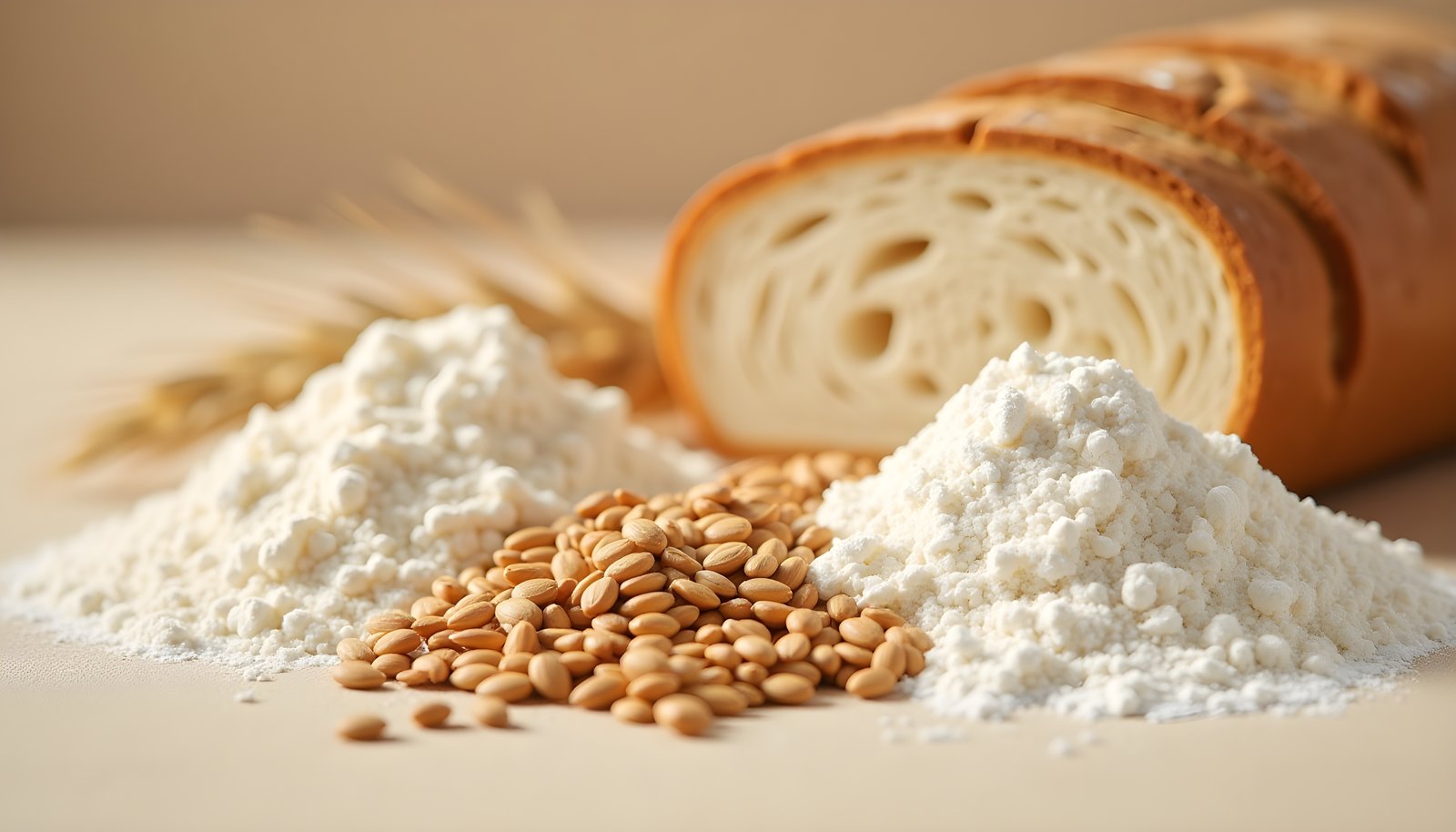
Food processing and fiber shown with whole wheat grains between piles of white flour, with a sliced loaf of bread
Sometimes, but it depends on the step: food processing fiber loss is large when milling, juicing or peeling removes part of the plant, and small when food is only cooked, canned or frozen. Refining wheat strips out virtually all of its fiber, while canned pumpkin actually has more fiber per gram than fresh.
Reheating food and fiber shown with a steaming red pot of vegetable and bean stew warming on a wooden kitchen table
Reheating food fiber losses are small: a second round of heat doesn’t strip fiber from leftovers, and the main effect of heat is a gradual breakdown of fiber chains that depends on how harsh the cooking is. Chilled and reheated pasta and potatoes can even end up with more resistant starch than when they were fresh.
Freezing food fiber shown with a bowl of frost-covered green beans and peas, loose frozen beans and a small dish of corn
Freezing food fiber barely changes: studies of frozen corn, peas and beans found no significant change in soluble, insoluble or total fiber. What the freezer does change is texture, and over many months some vitamin C, so the fiber in your frozen food is about what it was on the day it went in.
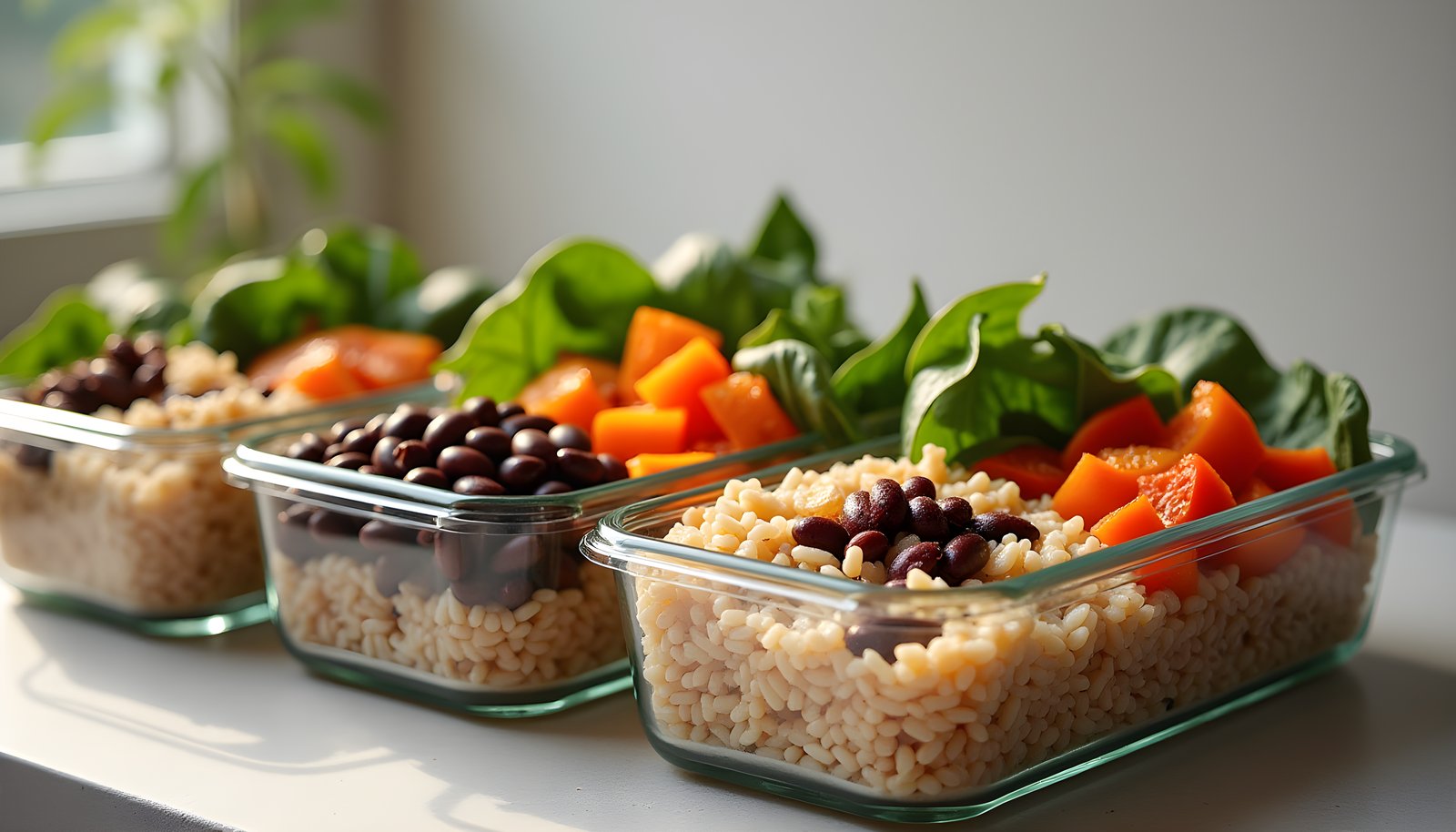
Meal prep fiber shown with glass containers of brown rice, black beans, roasted carrots and fresh spinach leaves
Good news for meal prep fiber retention: fiber holds up well in the fridge and freezer, and research on stored produce finds minimal change for intact fruits and vegetables. The bigger losses come from peeling and trimming during prep, while chilling and reheating starchy foods like rice can actually add resistant starch.
The official guidelines, why most people miss them, and what ‘enough’ actually looks like.
A no-jargon explainer on soluble vs insoluble, prebiotic, and resistant starch.
The difference between soluble and insoluble fiber, why both matter, and your best food sources.
ADVERTISEMENT
728 × 90

Guides & Recipe Books

Go deeper with our evidence-based ebooks and high-fiber recipe collections.
VOLUME ONE

High-Fiber Recipes

60 Recipes · 8g+ Per Serving
Recipe Book

60 High-Fiber Recipes Vol. 1

THE LIST

Top 100 Fiber Foods

Ranked · Grams Per Serving
Ebook

The Top 100 High-Fiber Foods

MEAL PREP

7-Day Fiber Plan

Whole Foods · 30g+ Daily
Ebook

The 7-Day High-Fiber Meal Plan

ADVERTISEMENT
728 × 90

Get the Weekly Fiber Digest

New research, food swaps, and exclusive discounts — every Thursday.
No spam, ever. Unsubscribe anytime.