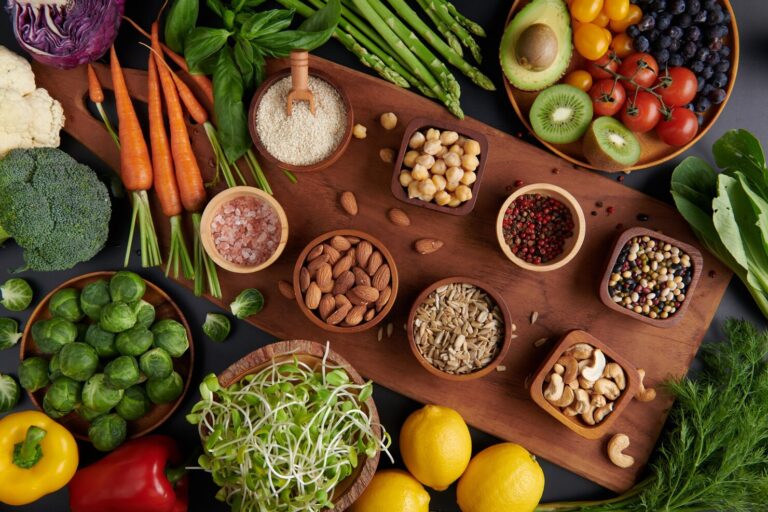
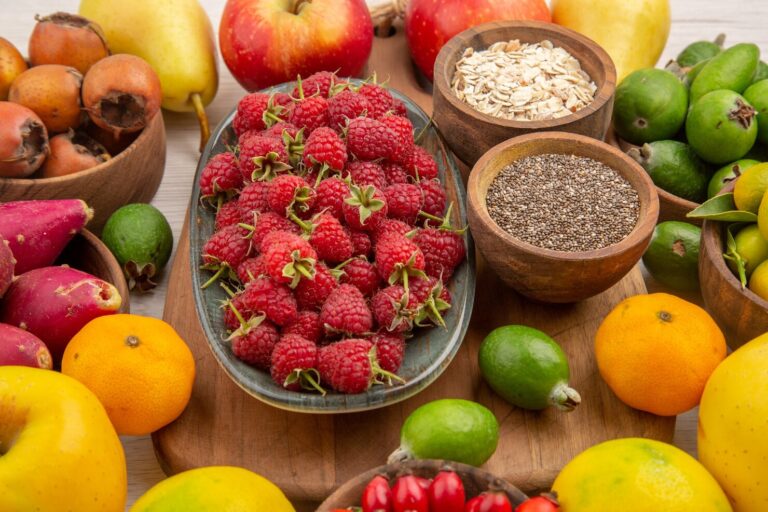
Fruits, vegetables, grains, legumes, nuts and more – discover which everyday foods pack the most fiber, how much they deliver, and simple ways to eat more of them every day.
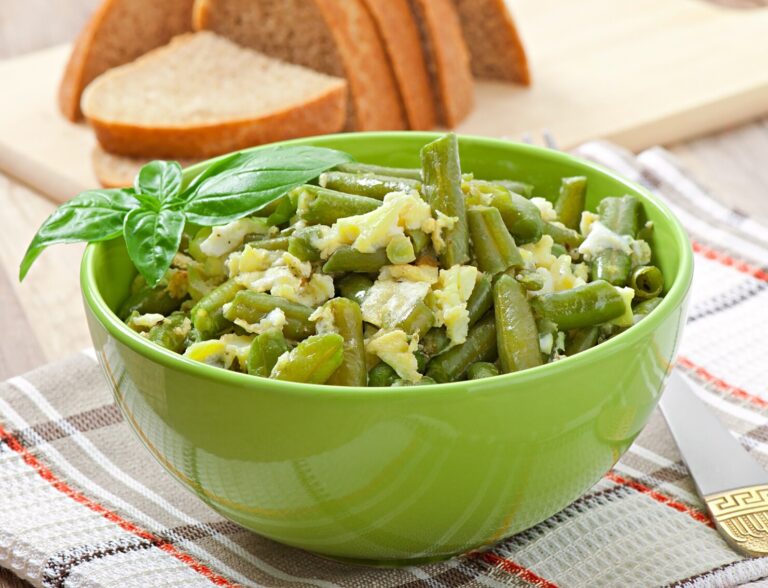
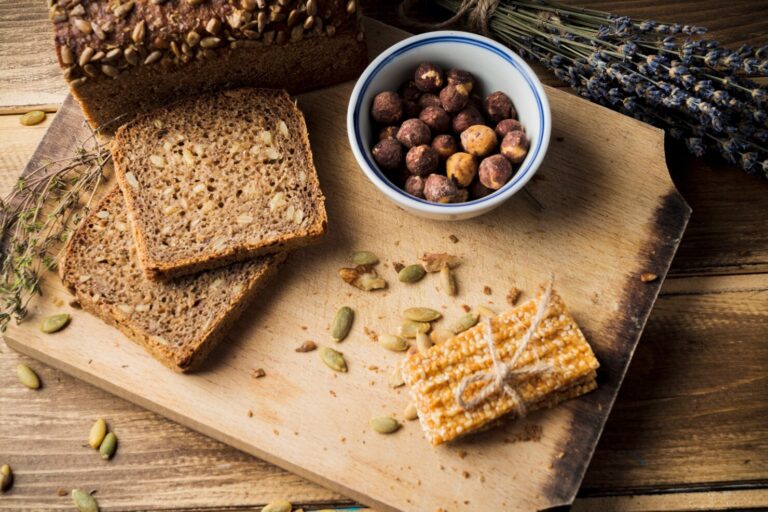
A here’s no supplement that beats a plate of real food. Whole foods deliver fiber alongside vitamins, minerals, antioxidants, and water — a package no powder can match. The good news is that hitting your daily target is easier than it sounds once you know where fiber actually hides.
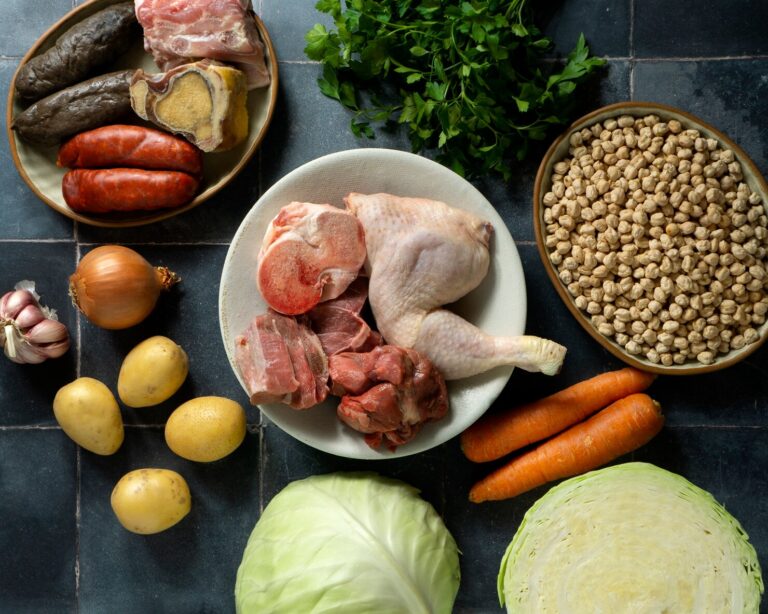
Beans and legumes are fiber powerhouses; a single cup can cover more than half your day. Whole
grains, fruit eaten with the skin, vegetables, nuts, and seeds all stack up quickly. Variety matters too
— different foods carry different types of fiber, so a mixed plate feeds a wider range of gut bacteria
than any single food or supplement could.
“You don’t need exotic superfoods to hit your fiber goal — beans, oats,
berries, and a handful of nuts will get most people there.”
That’s why we organize everything by food group. Browse fruits, vegetables, grains, legumes, nuts and seeds, dairy and alternatives, or proteins to see exactly how much fiber each delivers — with the standout picks in every category called out for you.
Not sure where to start? Begin with the highest-fiber foods, then explore the food group you eat most — small, consistent swaps are what move your daily total.
The insulin sensitivity fiber foods with the best trial evidence are oats, barley, psyllium, beans and lentils, plus cooked and cooled starches rich in resistant starch. Mostly insoluble fiber has a weaker trial record, though cereal fiber looks protective in long term studies.
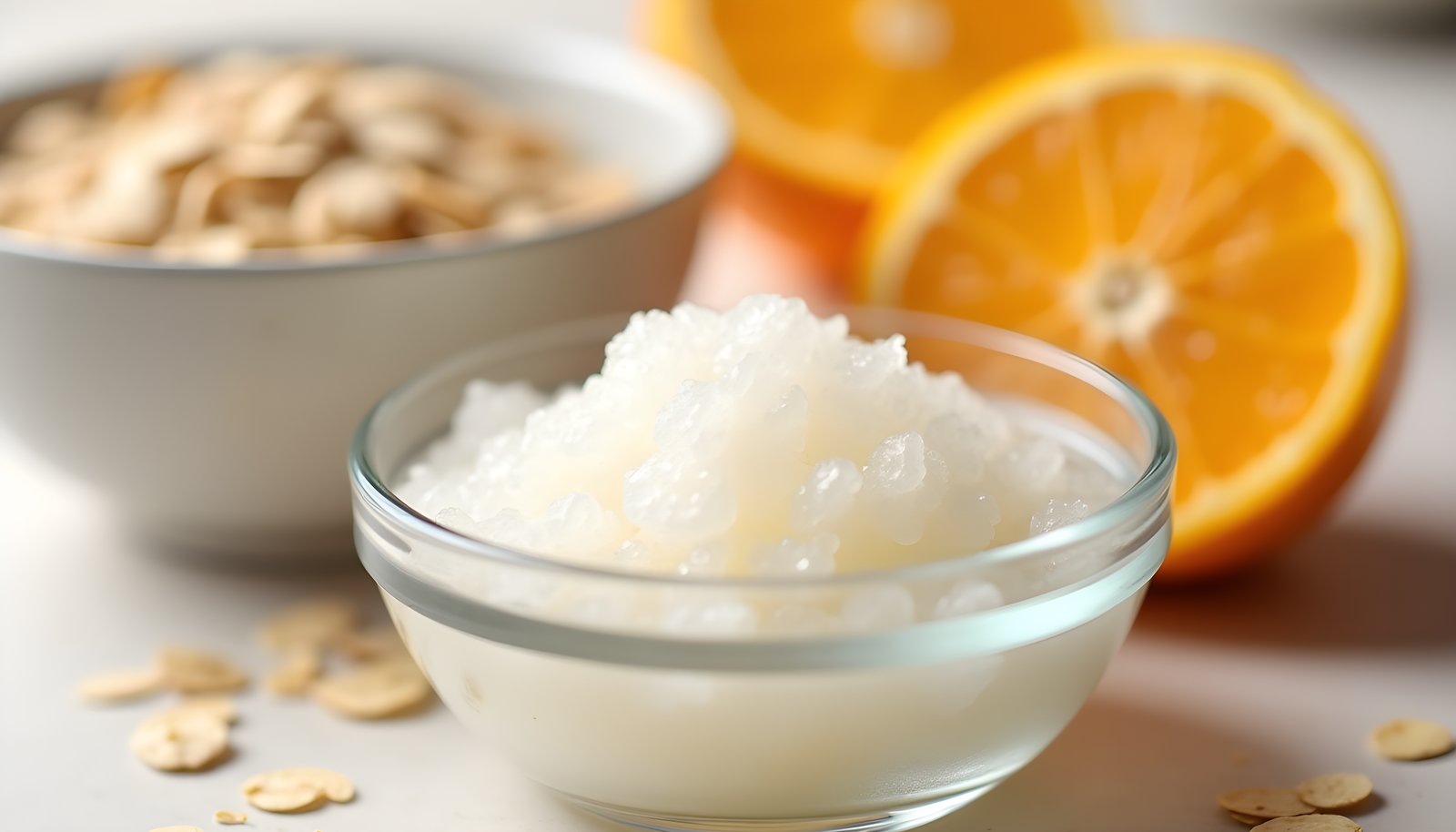
The top gel forming fiber foods are psyllium husk, oats and barley for their beta-glucan, and pectin rich fruit like citrus, apricots and berries, with beans and some vegetables close behind. Not every soluble fiber gels, though: inulin and wheat dextrin dissolve without thickening.
The best bulking fiber foods are wheat bran, whole grain cereals and vegetables, whose less fermentable fiber adds about 2 grams of stool weight per gram eaten. Fruit fiber adds less than half as much, because gut bacteria break more of it down.
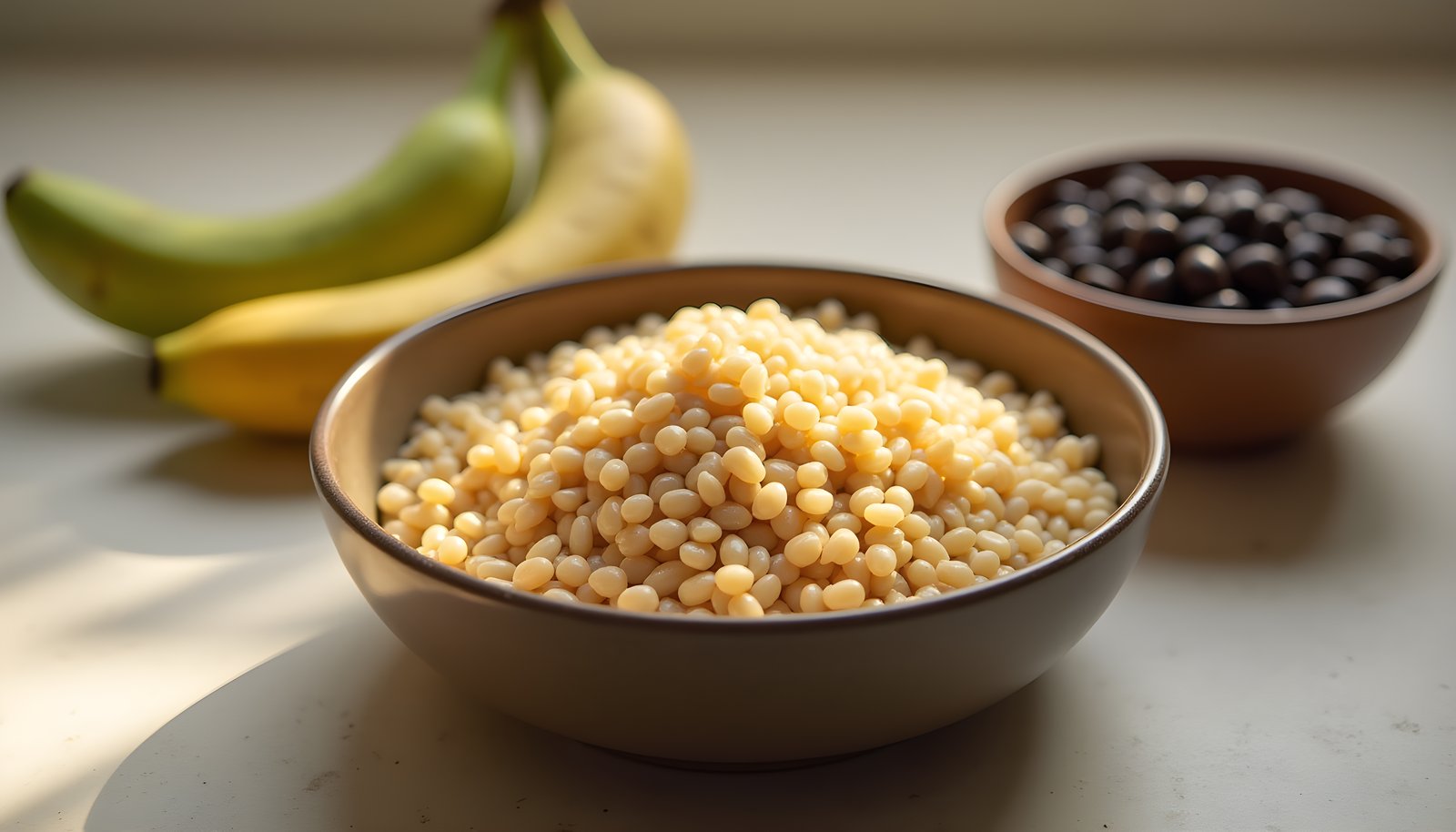
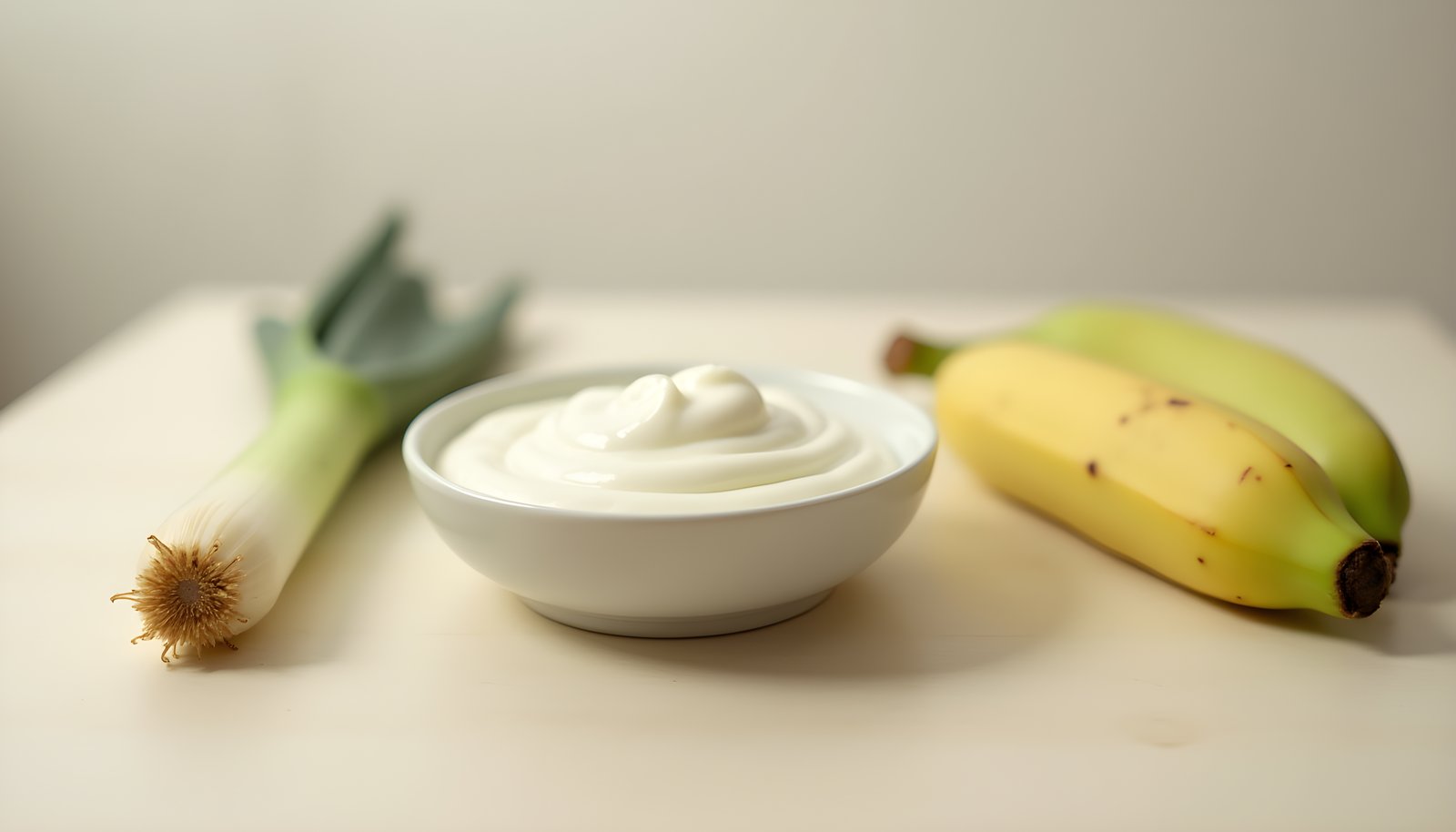
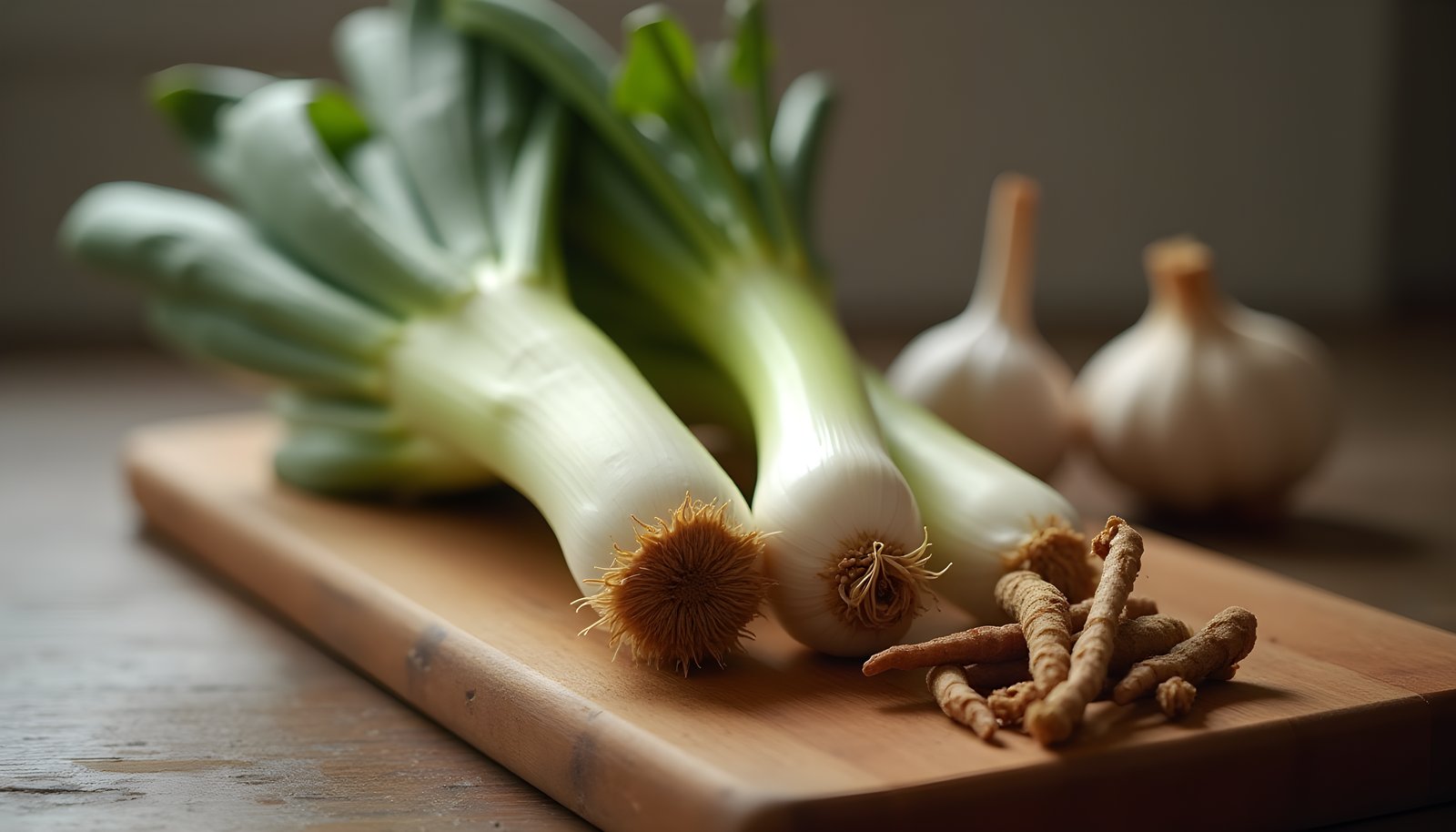
The best gut bacteria foods are fiber rich plants, especially onions, garlic, leeks, bananas, beans, oats and whole grains, which supply prebiotic fiber your microbes ferment. Fermented foods like yogurt, kefir and kimchi help in a different way, by adding live microbes and raising diversity.
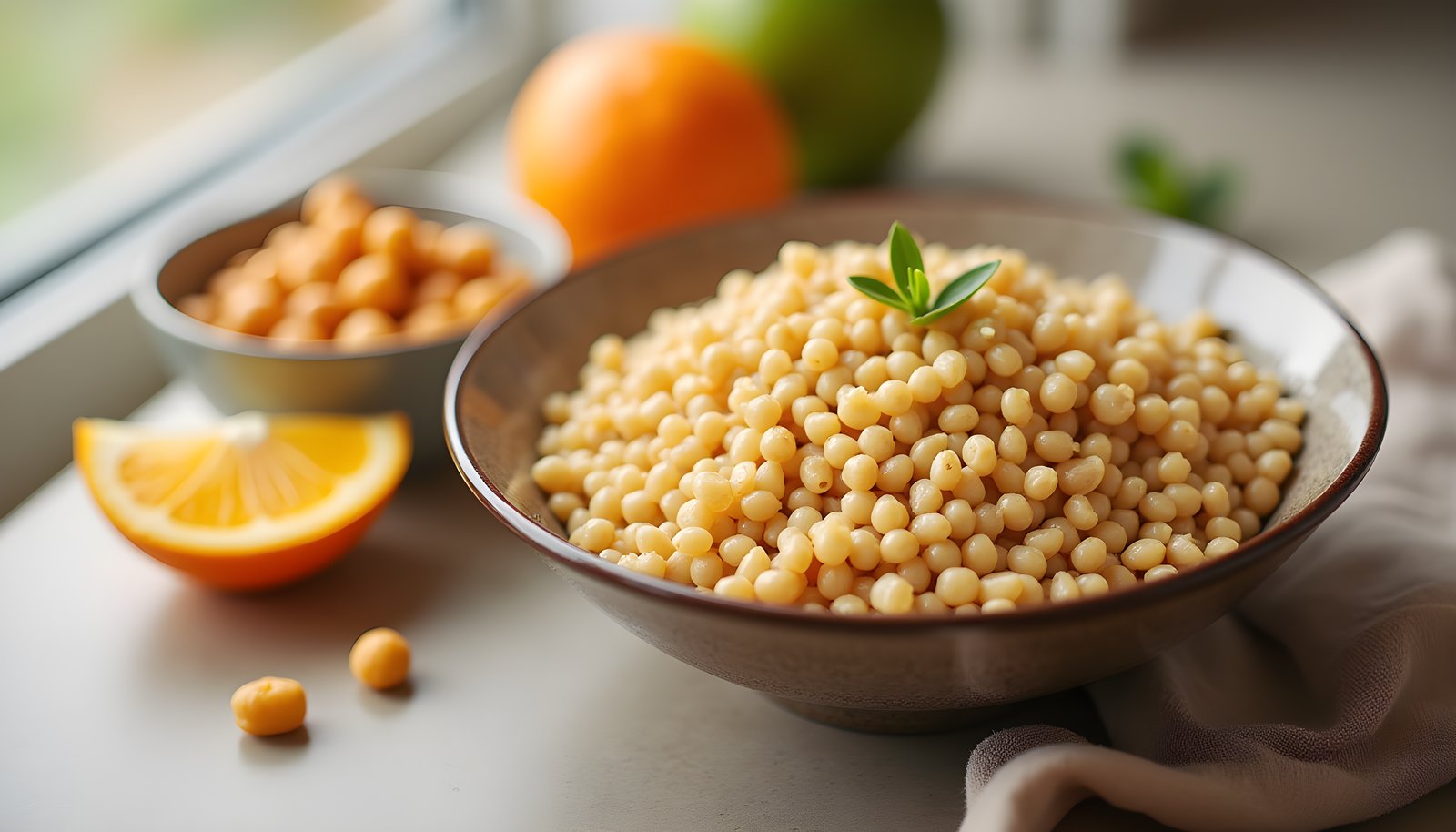
The best slow digesting fiber foods are beans, lentils, chickpeas and barley, which score 24 to 32 on the glycemic index, followed by apples, oranges and rolled oats. Total fiber matters less than you’d think: whole wheat bread digests almost as fast as white.
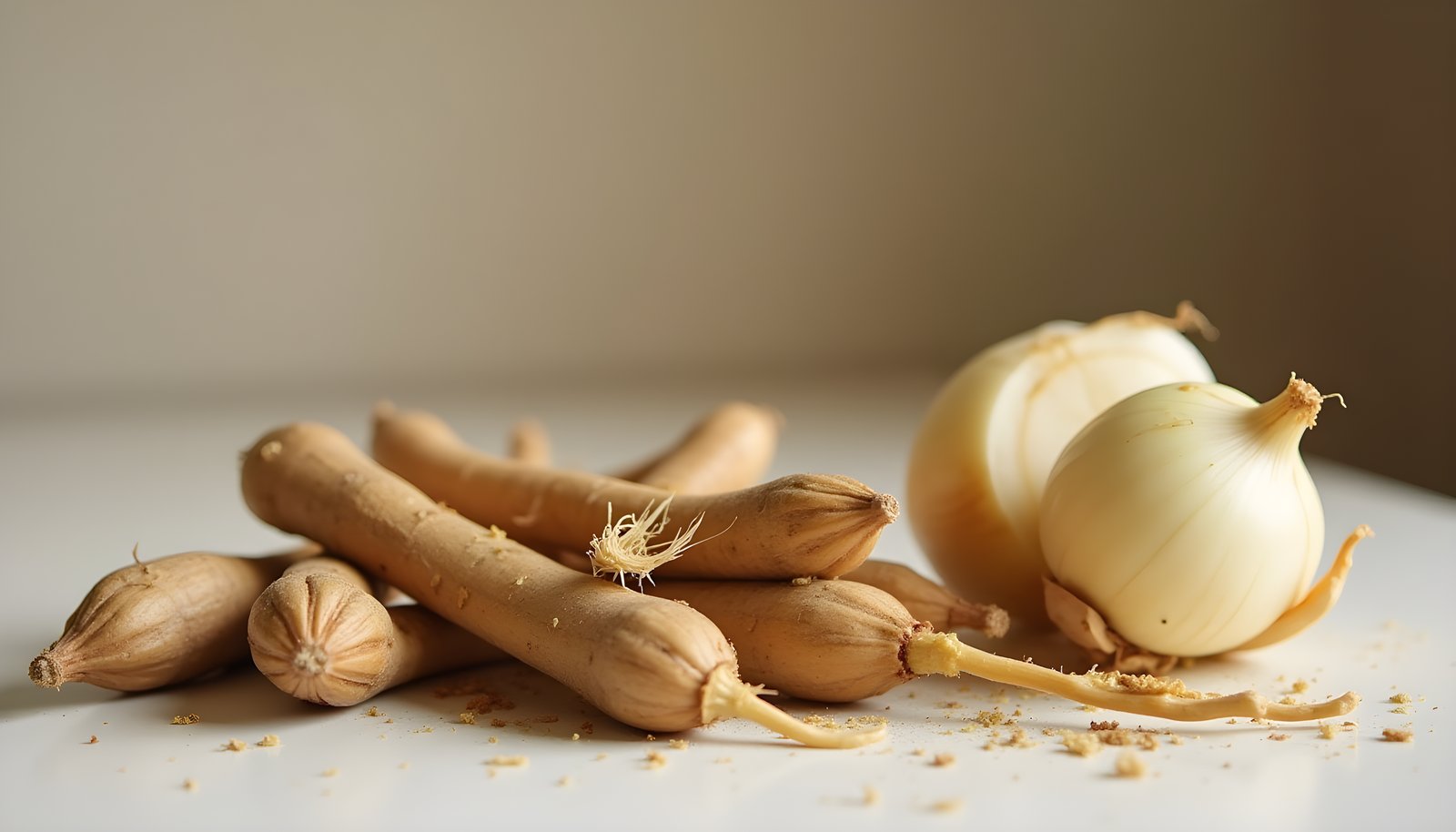
The prebiotic fiber vegetables with the best human evidence are salsify, artichokes, Jerusalem artichokes, leeks, onions and garlic, all rich in inulin type fructans. In a two week trial, meals built on them raised Bifidobacterium about threefold in healthy adults.
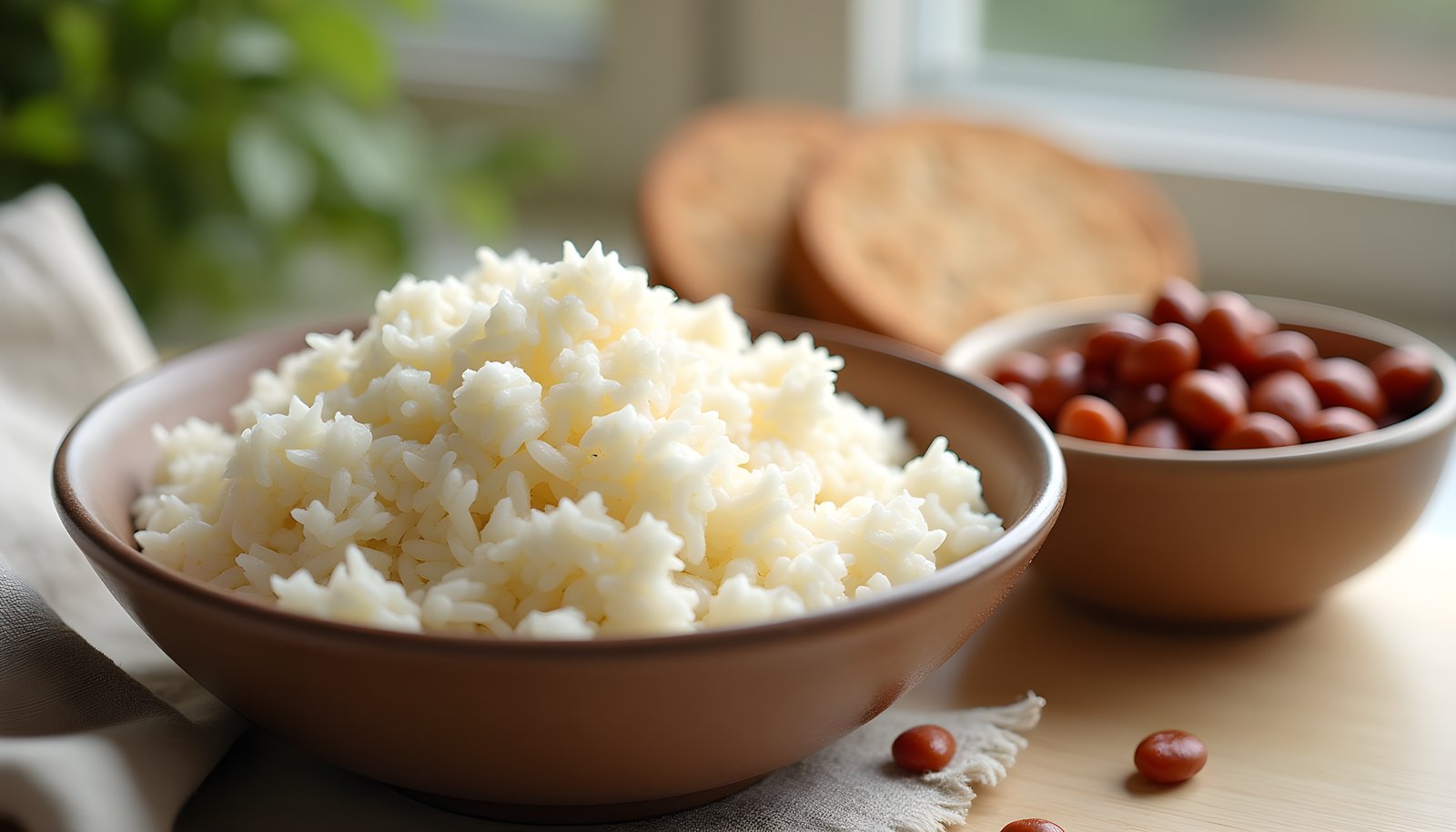
Among everyday resistant starch carbs, beans and lentils lead as eaten, at about 2 to 3.2 grams per 100 grams, followed by some flatbreads, crispbreads and cornflakes at just over 2 grams. Rice, pasta and potatoes start lower, but cooking and then cooling them raises their resistant starch.
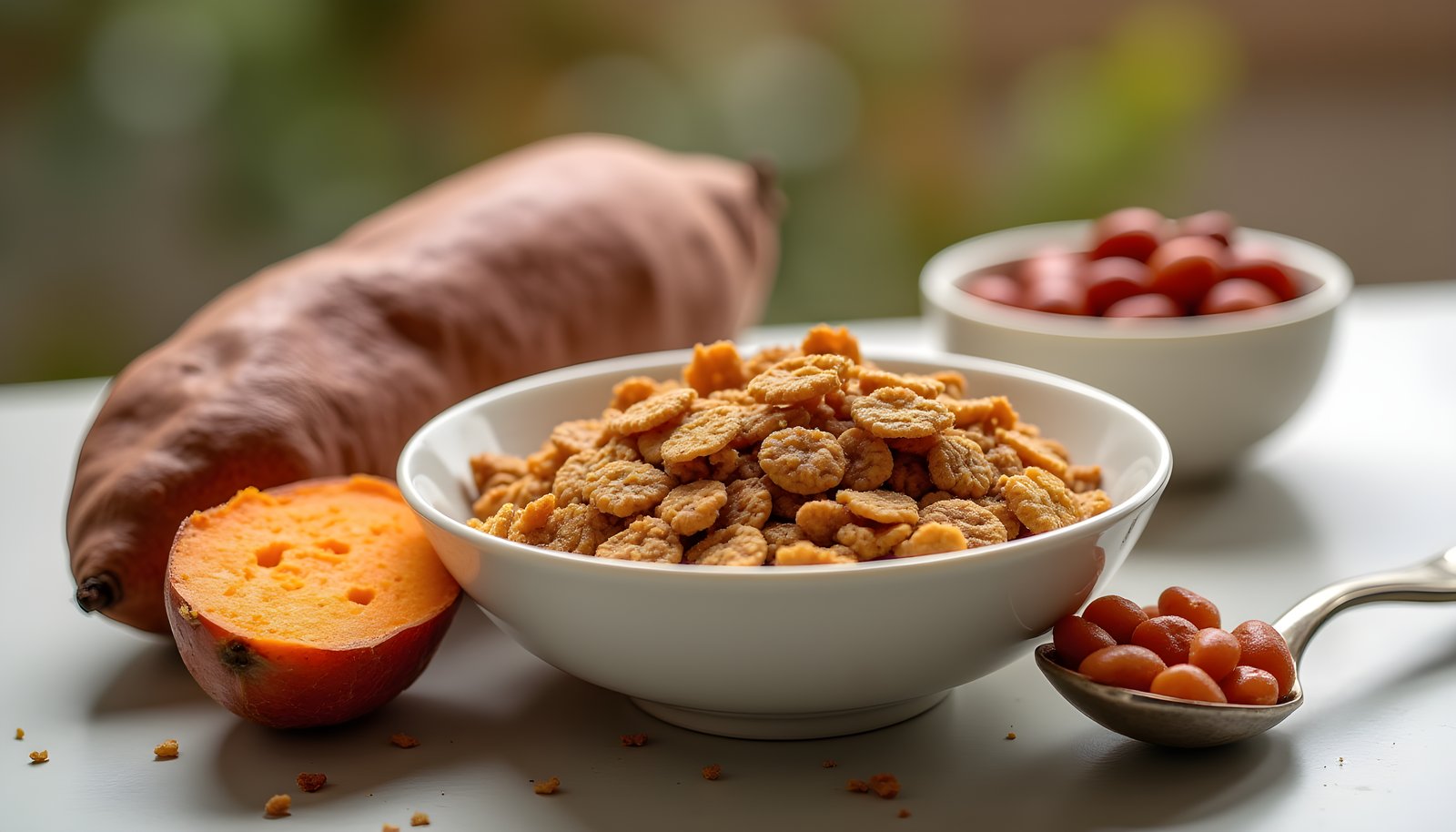
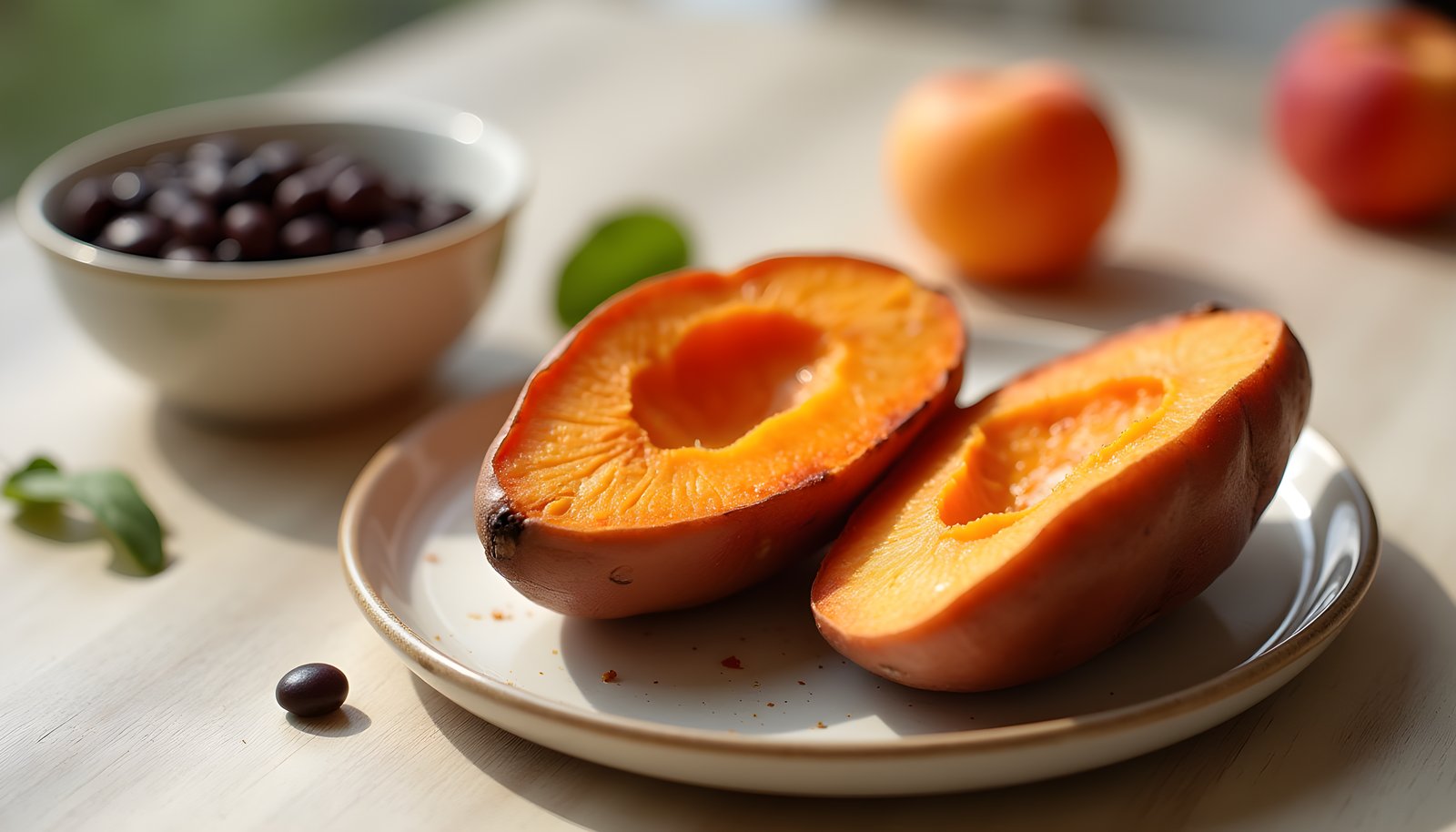
The best balanced fiber foods give you a solid dose of both soluble and insoluble fiber in one serving: black beans, Brussels sprouts, sweet potatoes, broccoli, apricots, oranges and mango lead the list. Some famous high fiber foods, like kidney beans and raspberries, lean heavily toward one type.
The richest inulin fiber foods are chicory root, salsify, globe artichokes, Jerusalem artichokes and onions, with garlic, leeks, bananas and wheat adding smaller amounts. Chicory root is also where most of the inulin added to packaged foods and supplements comes from.
The top beta glucan foods are oats and barley among grains, and oyster, shimeji and shiitake mushrooms, which tested even higher by dry weight. Dried oyster mushrooms held about 37 grams of beta-glucan per 100 grams in one lab, compared with about 7.6 grams for oats.