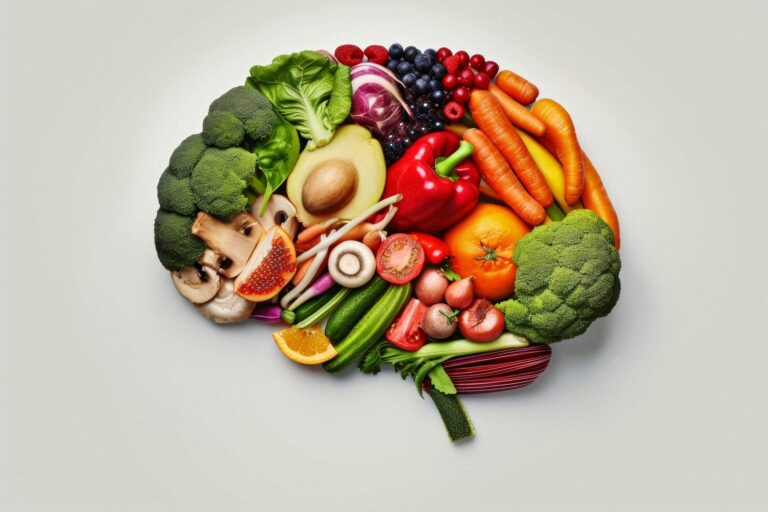
Ask most people what fiber does and they’ll tell you it keeps you regular. That’s true, but it’s only the beginning of the story. Fiber is one of the few nutrients that touches nearly every system in the body at once — digestion, heart, metabolism, immunity, mood and more — without a prescription, a special diet or a single miracle claim. That’s why so many of the health concerns people worry about most share a common thread: they tend to improve when fiber becomes a regular part of everyday meals.
The reason starts in the gut. Most fiber isn’t actually digested by you at all. It passes through the stomach and small intestine largely intact and arrives in the colon, where it becomes food for the vast community of microbes that live there. As those microbes ferment fiber, they produce short-chain fatty acids — small but powerful compounds that help maintain the gut lining, regulate inflammation and send chemical messages to the immune system, the liver and even the brain. When fiber is in short supply, that community shrinks and becomes less diverse, and the effects ripple outward.
This is why fiber shows up in so many different health conversations. It helps keep digestion comfortable and predictable, easing constipation and supporting the kind of gut environment that makes bloating less common. It slows how quickly sugar enters the bloodstream after a meal, which helps prevent the spikes and crashes that drive cravings, fatigue and, over time, metabolic problems. Soluble fiber also binds to cholesterol-rich bile in the digestive tract and carries it out of the body, one of the reasons fiber-rich diets are so consistently linked with healthier hearts.
Fiber’s influence on weight is just as practical. High-fiber foods take up more space, take longer to chew and digest, and help trigger the hormones that tell your brain you’ve had enough. As a result, people who eat more fiber tend to feel satisfied on less food without feeling deprived. Rather than relying on willpower alone, fiber makes eating well feel more natural — and that’s what makes healthy habits last.
“A single health concern is rarely as isolated as it feels — most trace back to the same under-fed microbiome.”
Some of fiber’s most interesting effects reach well beyond digestion. A large share of the immune system sits along the gut wall, and the compounds produced by fiber-fed bacteria help train it to respond appropriately — defending against real threats while staying calm the rest of the time. That balance matters, because chronic, low-grade inflammation is a common factor behind many long-term conditions, from heart disease to joint pain. Diets rich in fiber are consistently associated with lower markers of inflammation.
Researchers are also learning more about the gut–brain axis, the two-way communication network linking the digestive system and the brain. Gut microbes help produce and regulate compounds involved in mood, stress response and focus, and early research suggests that a well-nourished microbiome may support emotional wellbeing and long-term cognitive health. Fiber isn’t a treatment for anxiety, depression or memory problems, but it’s increasingly recognized as one piece of a lifestyle that supports a healthy mind.
Hormones, skin and the body’s natural detox systems are part of the picture too. Fiber helps the body clear out hormones it has already used, supports the liver and kidneys by keeping waste moving steadily through the digestive tract, and helps create the stable internal environment that often shows up on the outside as clearer skin and healthier hair and nails. And when researchers look at long-term health, higher fiber intake is consistently associated with a lower risk of several chronic diseases and a longer, healthier life.
Despite all of this, most people fall well short of what they need. Modern diets rely heavily on refined grains, processed snacks and convenience foods that strip away much of the fiber found in whole plants. The encouraging part is that closing the gap doesn’t require a dramatic overhaul. Small, consistent changes tend to produce benefits that build on one another — better digestion leads to steadier energy, steadier energy makes healthier choices easier, and a healthier gut supports nearly everything else.
The most effective approach is also the simplest: build your meals around a wide variety of whole plant foods. Fruits, vegetables, whole grains, beans, lentils, nuts and seeds each contain different types of fiber that feed different microbes, so variety matters more than any single food or supplement. Swap refined grains for whole ones, add a handful of beans or seeds where you can, increase your intake gradually and drink plenty of water so your body has time to adjust.
Each health concern on this page has its own section where you can go deeper. Start with Gut Health to understand the foundation everything else builds on, then see how fiber supports appetite and blood sugar in Weight & Metabolism, and cholesterol and blood pressure in Heart Health. Explore fiber’s quieter roles in Hormone Health, Inflammation and Immunity, or learn how the gut–brain connection relates to Mental Health, Brain Health and Energy & Mood. You’ll also find clear, myth-free guidance in Detox, practical advice in Skin, Hair & Nails, and the long-view research in Longevity. Every guide is grounded in research, written in plain language and designed to help you make small changes that add up.