
Your microbiome has been called your “second brain,” your “forgotten organ,” and even your “internal ecosystem.” But what does that actually mean — and why should you care?
What It Is — In Plain English
Your microbiome is the community of trillions of bacteria, fungi, and viruses living in your digestive tract. Together, they weigh about 2–3 pounds — roughly the same as your brain.
These microbes aren’t invaders. They’re partners. They help digest food, produce vitamins, train your immune system, and even influence your mood through the gut-brain axis.
Think of your gut as a rainforest. When it’s diverse and balanced, it thrives. When one species takes over, problems emerge.
Why It Matters
A healthy microbiome is linked to:
- Better digestion — less bloating, gas, and irregularity
- Stronger immunity — 70% of your immune cells live in your gut
- Stable mood — serotonin is largely produced in the gut
- Healthy weight — certain bacteria influence how you store fat
- Clearer skin — inflammation often starts in the gut
Conversely, a disrupted microbiome (dysbiosis) is associated with conditions ranging from IBS and allergies to depression and autoimmune disease.
The 5 Things That Influence Your Microbiome Most
1. Diet
What you eat is the single biggest factor. Fiber-rich foods feed beneficial bacteria. Ultra-processed foods, artificial sweeteners, and excess sugar feed the wrong ones.
2. Antibiotics
They save lives — but they don’t discriminate. Antibiotics wipe out both good and bad bacteria. Recovery can take weeks or months, especially without deliberate repopulation.
3. Stress
Chronic stress alters gut motility, increases inflammation, and shifts the microbial balance toward less favorable strains.
4. Sleep
Your microbiome has its own circadian rhythm. Disrupted sleep patterns affect the composition and function of your gut bacteria.
5. Physical Activity
Regular exercise promotes microbial diversity, independent of diet. Even moderate walking makes a difference.
What You Can Do Today
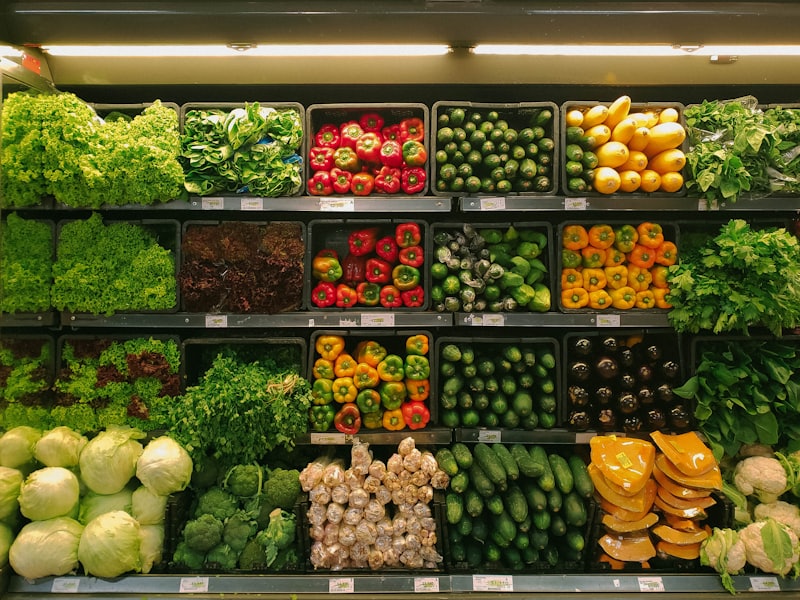
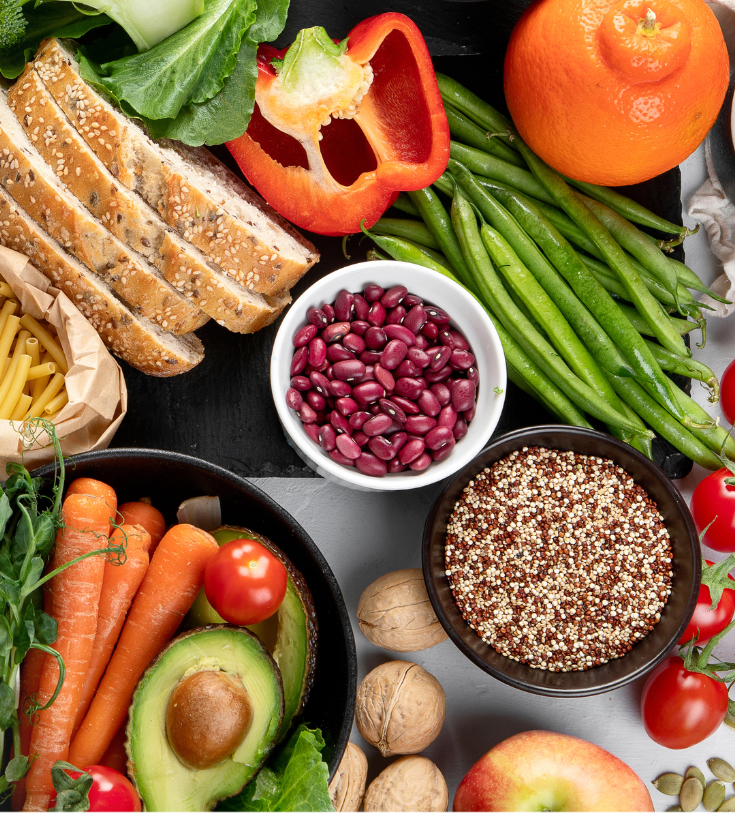
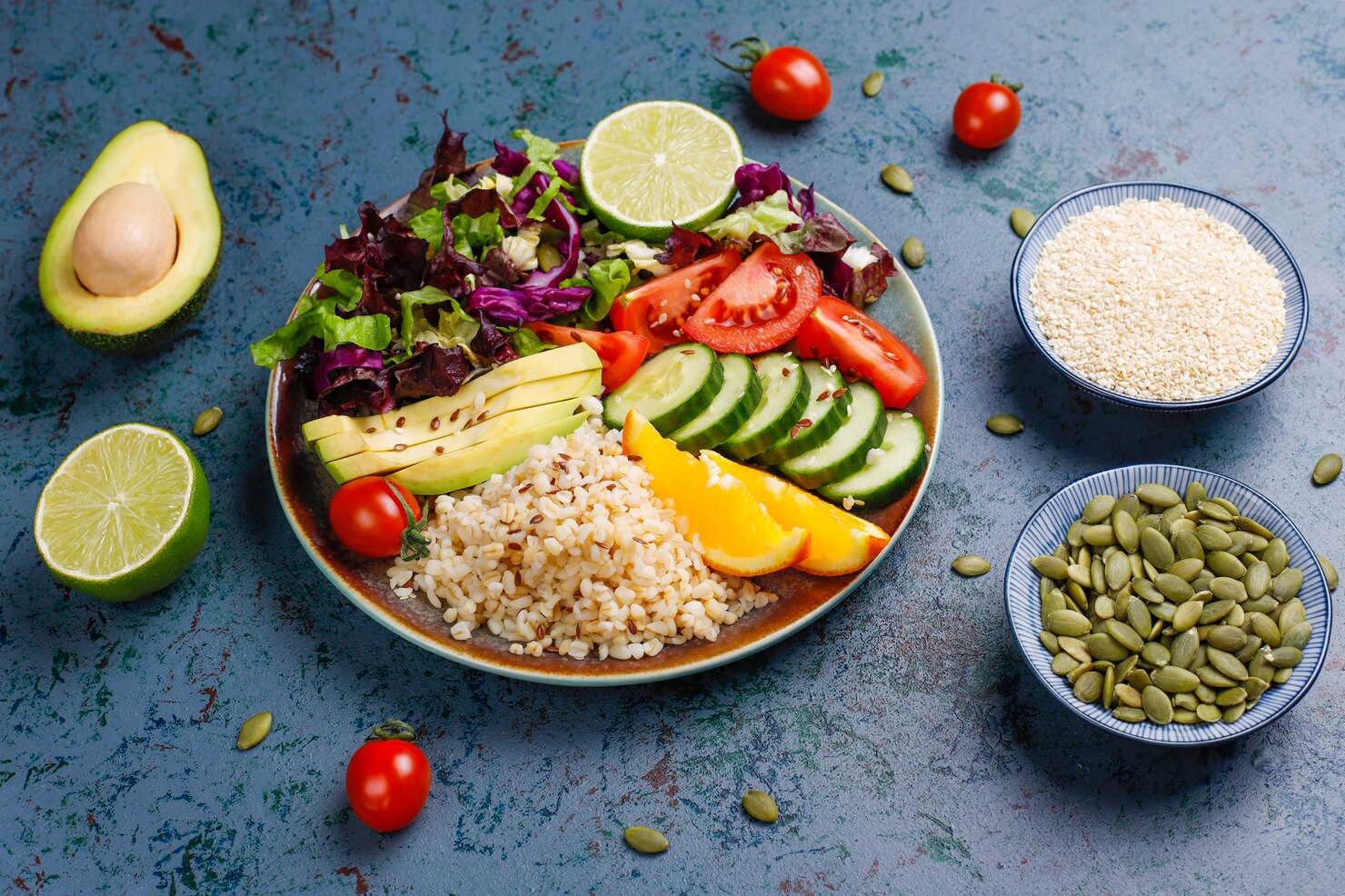
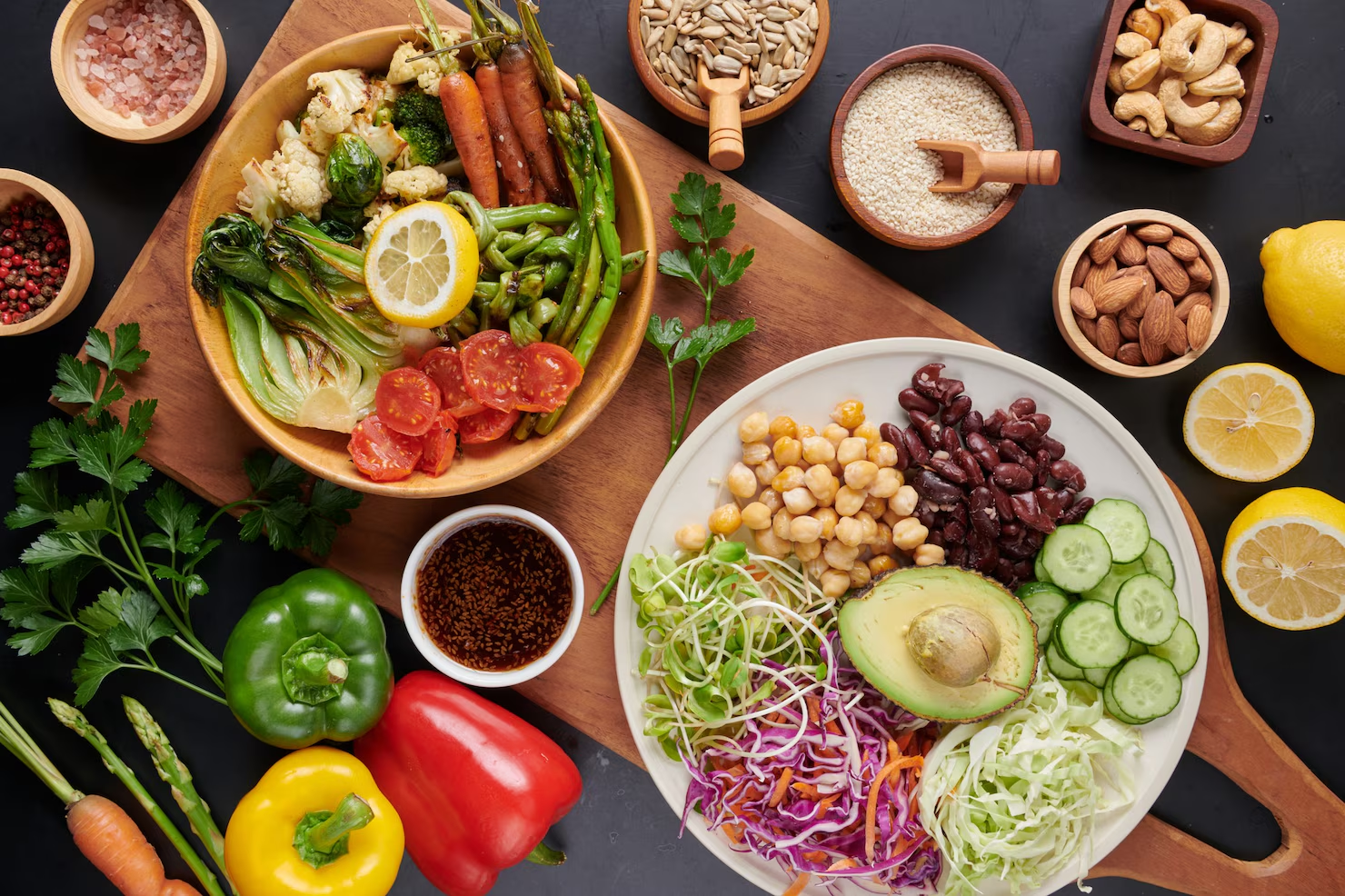
- Eat a variety of plant foods — aim for 30 different types per week
- Include fermented foods (kefir, yogurt, kimchi, sauerkraut)
- Limit processed foods and artificial sweeteners
- Prioritize sleep and stress management
- Supplement wisely — not all probiotics survive stomach acid