Discover the most popular fiber articles this week. From gut health to weight loss, these trending reads are backed by science and chosen by our community.
How Much Fiber Do You Actually Need?
Most people have no idea. Enter your age, gender, and activity level — get your personalized daily target in seconds.
Regular dairy yogurt has 0 grams of fiber, while plant based yogurt fiber runs from 0 to about 3 grams per serving. The higher numbers usually come from added citrus fiber or pectin rather than the almonds, soy or oats themselves.
Plain Greek yogurt has 0 grams of fiber, whether it’s nonfat or whole milk. Greek yogurt fiber only shows up when a brand adds it, like Oikos Triple Zero with chicory root fiber at 10 grams per cup, or when you stir in fruit, seeds or grains.
In a milk fiber comparison, whole and skim milk tie at 0 grams per cup, because neither contains any plant material. What separates them is fat and calories: whole milk has about 149 calories and 7.9 grams of fat per cup, while skim has about 83 calories and almost no fat.
No. Plain cow’s milk has 0 grams of fiber in every version, from whole to skim, because fiber only comes from plants. The milk fiber content changes only when a plant ingredient joins in, like the cocoa in chocolate milk or the soybeans in soymilk.
Bean chips fiber runs about 5 to 6 grams per ounce in brands like Beanitos and Beanfields, three to four times what tortilla chips provide. The calories and fat land close to regular chips, so the win is fiber and protein, not a lighter snack.
Lupini bean snacks fiber ranges from 1 to 7 grams per serving depending on the brand, a sevenfold spread for nearly the same bean. Brami’s ready to eat packs list 7 grams of fiber and 7 grams of protein for 60 calories.
Roasted chickpeas fiber comes to about 5 grams per ounce in plain, salted versions, nearly six times what the same ounce of potato chips provides. Sweet coatings like honey can cut that to 2 grams, so the flavor you pick matters.
Falafel fiber ranges from under 1 gram in a small fried restaurant patty to about 7 grams in a serving of baked store bought falafel. The chickpeas supply the fiber, while frying adds fat that lowers the fiber you get per calorie.
Hummus fiber comes to about 1.8 grams in two tablespoons by USDA’s lab analysis, even though many tub labels list just 1 gram. The fiber comes almost entirely from the chickpeas, so the recipe, not the flavor, decides how much you get.
Refried beans fiber ranges from about 3 to 6 grams per half cup in canned brands, and the fat free cans often carry the most. Mashing the beans doesn’t remove fiber, but added water, lard and salt change what each spoonful delivers.
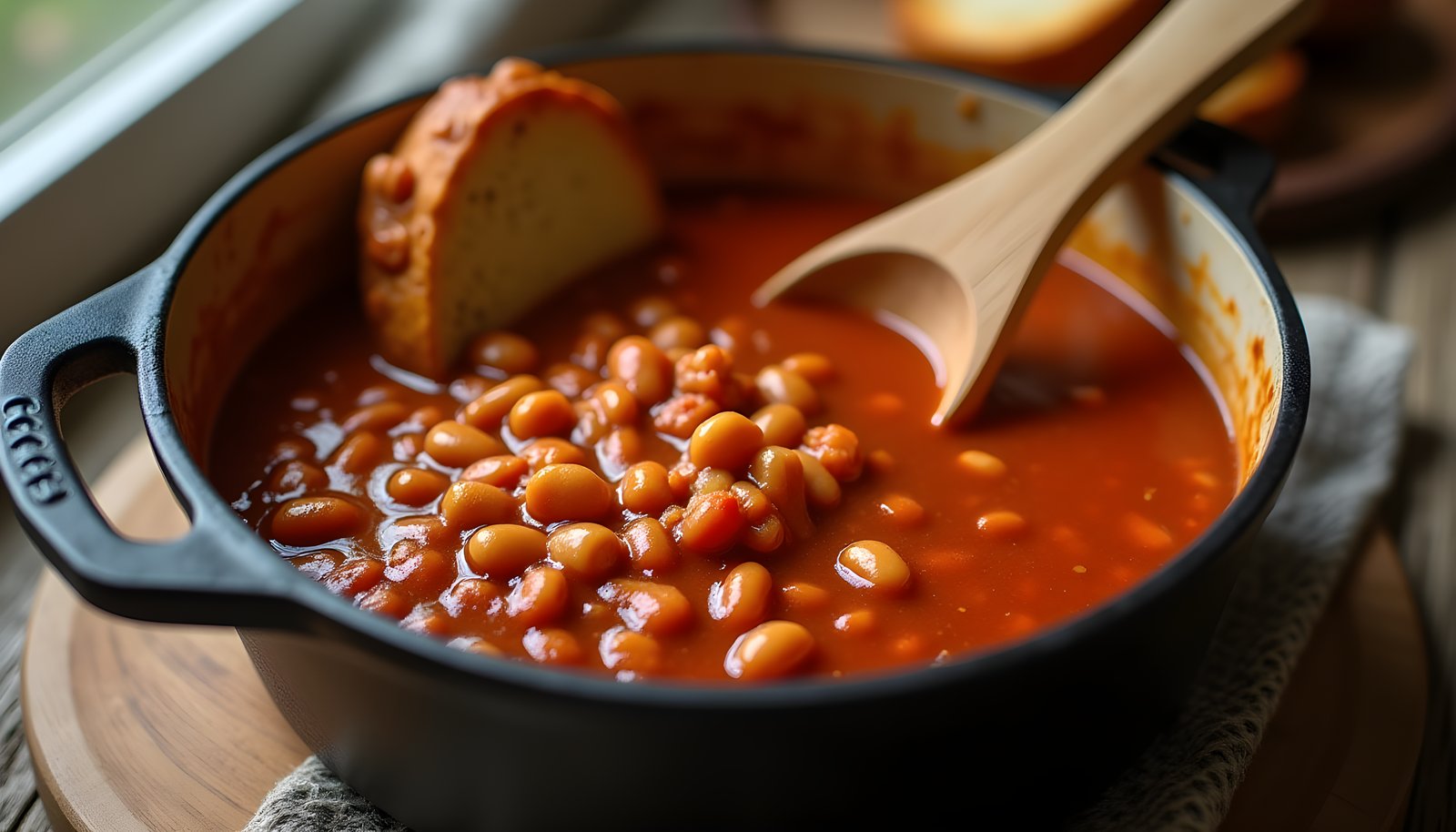
Baked beans fiber comes to about 5 grams per half cup in most canned brands. That is less than plain navy beans because the sweet sauce takes up part of every spoonful, and it usually brings 11 grams of added sugar along.
Black bean flour fiber comes to about 15.5 grams per 100 grams in USDA’s dry black bean data, roughly 45% more than chickpea, lentil or whole wheat flour. A quarter cup lists about 5 grams of fiber and 8 grams of protein.
Free · 7-day starter guide
Get our Gut Reset Quick-Start when you subscribe
Join 47,000 readers getting the Weekly Fiber Digest — research roundups, recipes, and discounts every Thursday.