Discover the most popular fiber articles this week. From gut health to weight loss, these trending reads are backed by science and chosen by our community.
How Much Fiber Do You Actually Need?
Most people have no idea. Enter your age, gender, and activity level — get your personalized daily target in seconds.
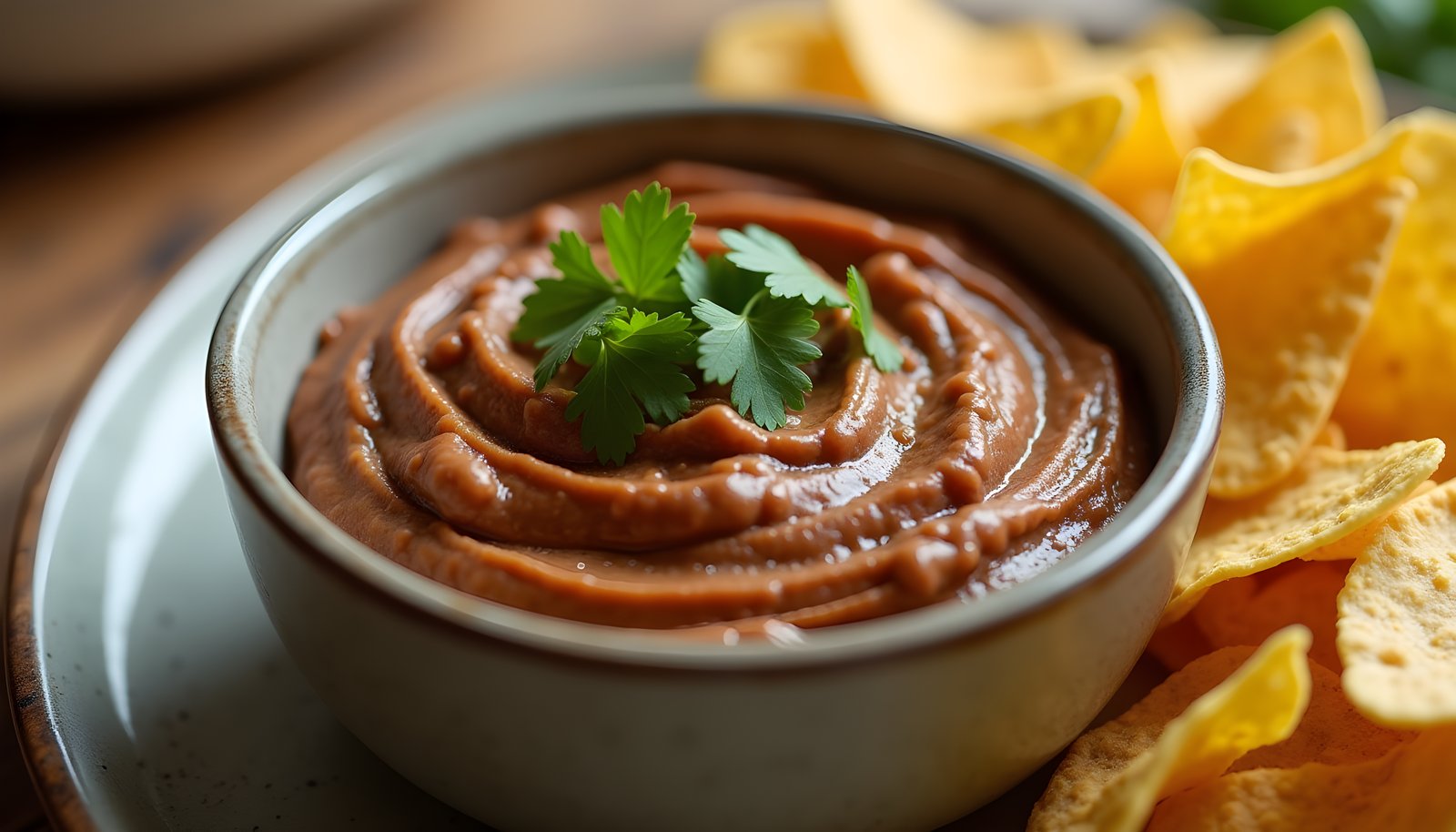
Refried beans fiber ranges from about 3 to 6 grams per half cup in canned brands, and the fat free cans often carry the most. Mashing the beans doesn’t remove fiber, but added water, lard and salt change what each spoonful delivers.
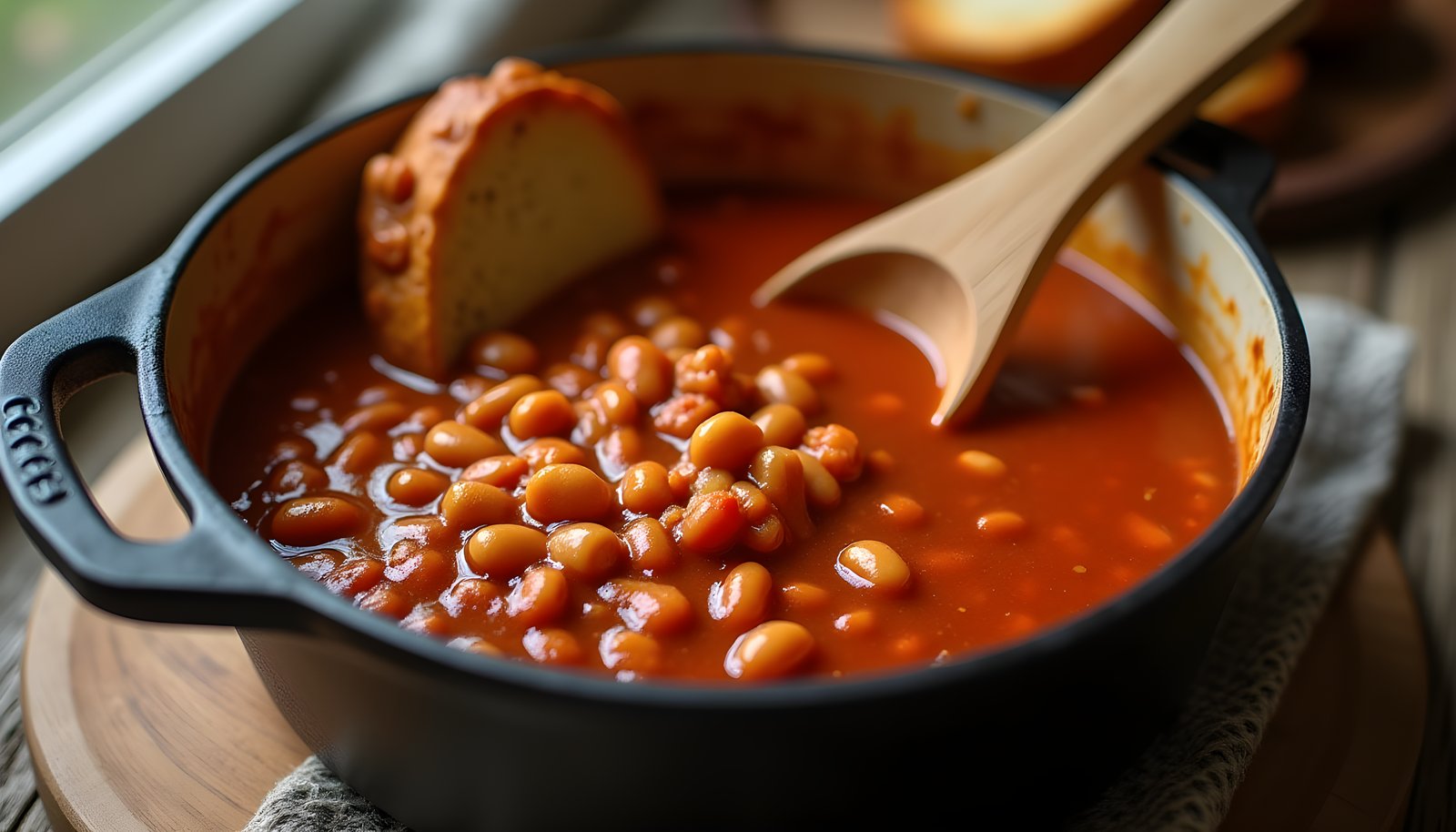
Baked beans fiber comes to about 5 grams per half cup in most canned brands. That is less than plain navy beans because the sweet sauce takes up part of every spoonful, and it usually brings 11 grams of added sugar along.
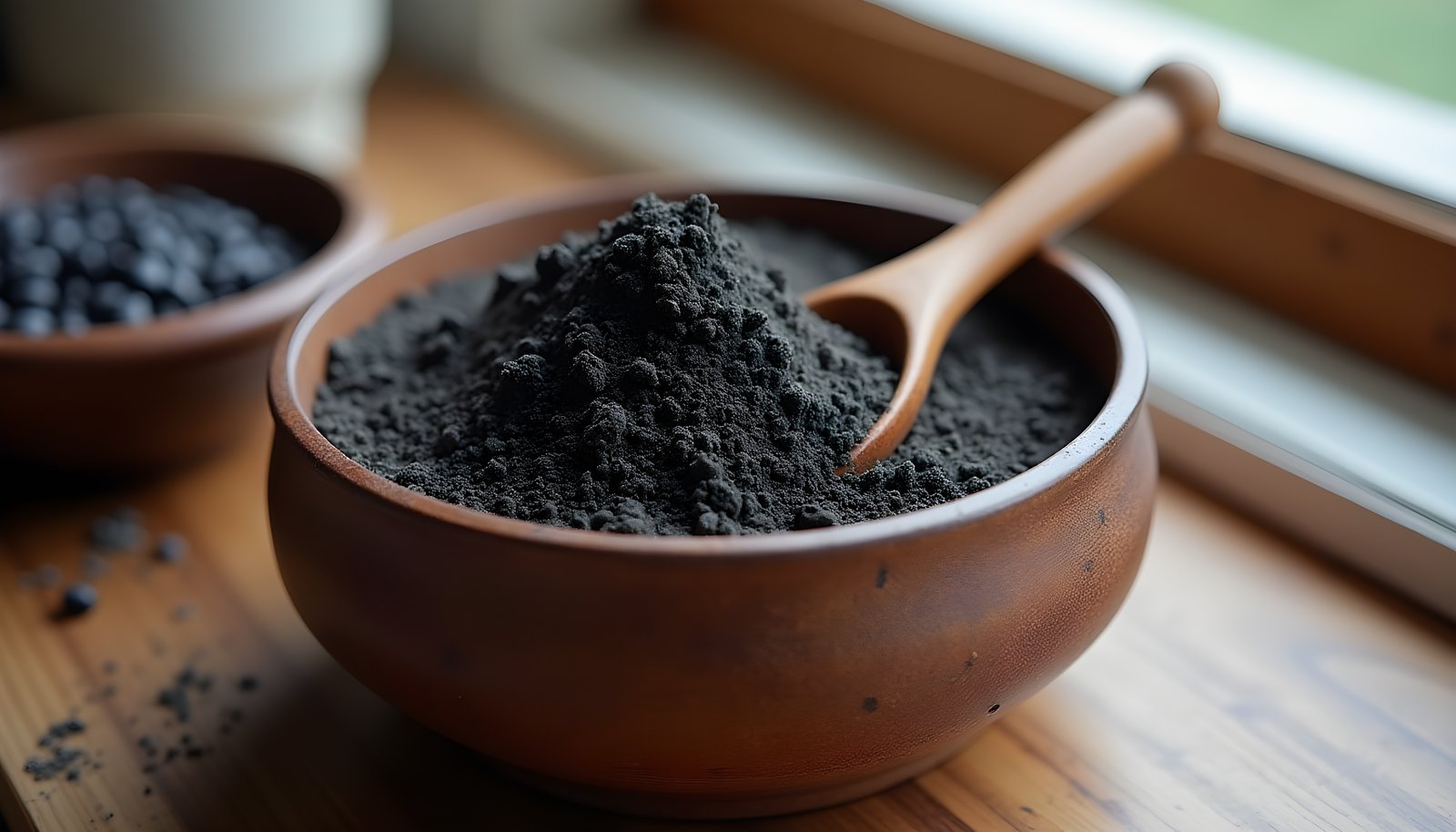
Black bean flour fiber comes to about 15.5 grams per 100 grams in USDA’s dry black bean data, roughly 45% more than chickpea, lentil or whole wheat flour. A quarter cup lists about 5 grams of fiber and 8 grams of protein.
Lentil flour fiber comes to about 10.8 grams per 100 grams based on USDA’s raw red lentil data, matching chickpea and whole wheat flour. It brings more protein and less fat than any of them, which is where its real benefits lie.
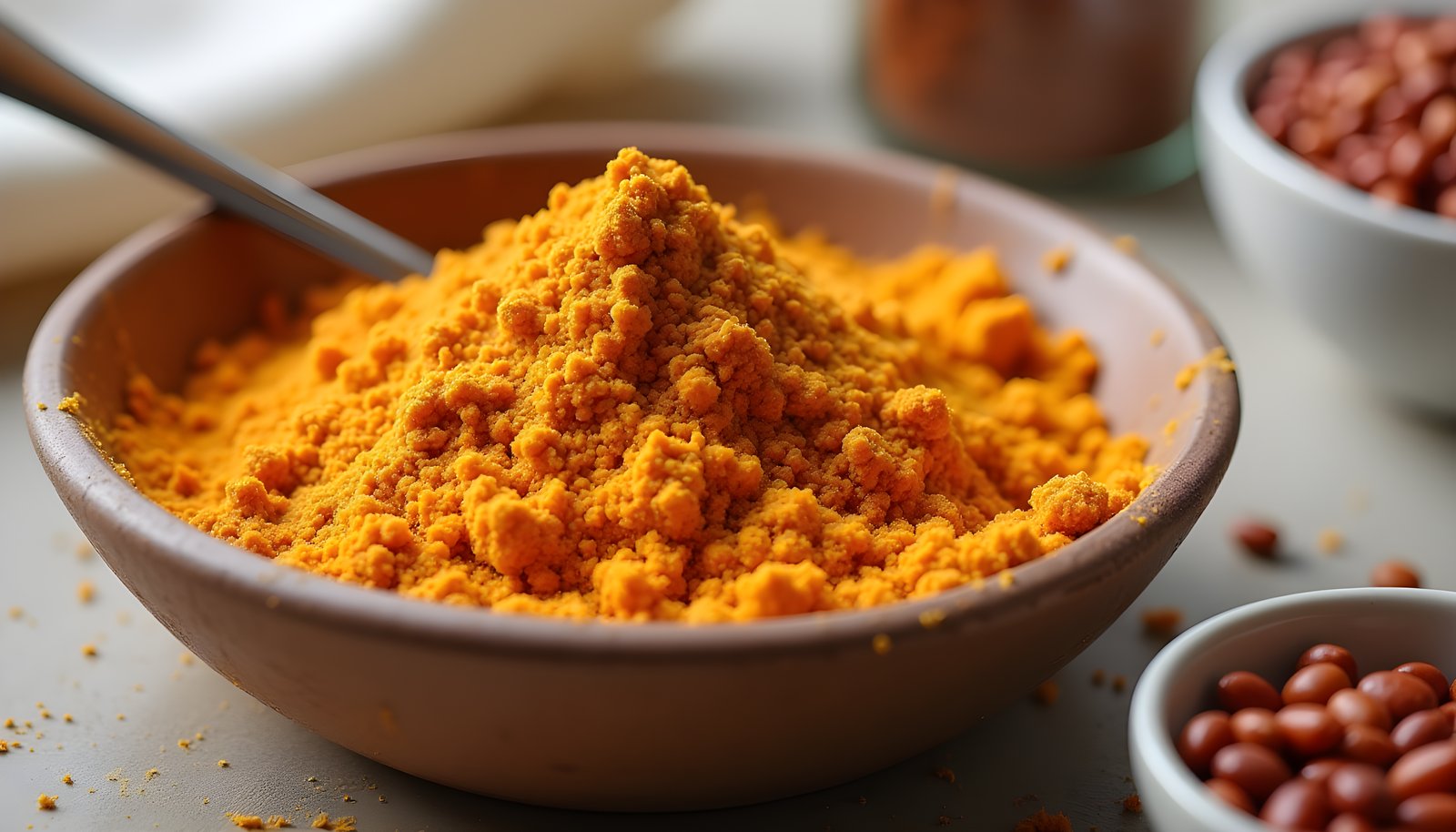
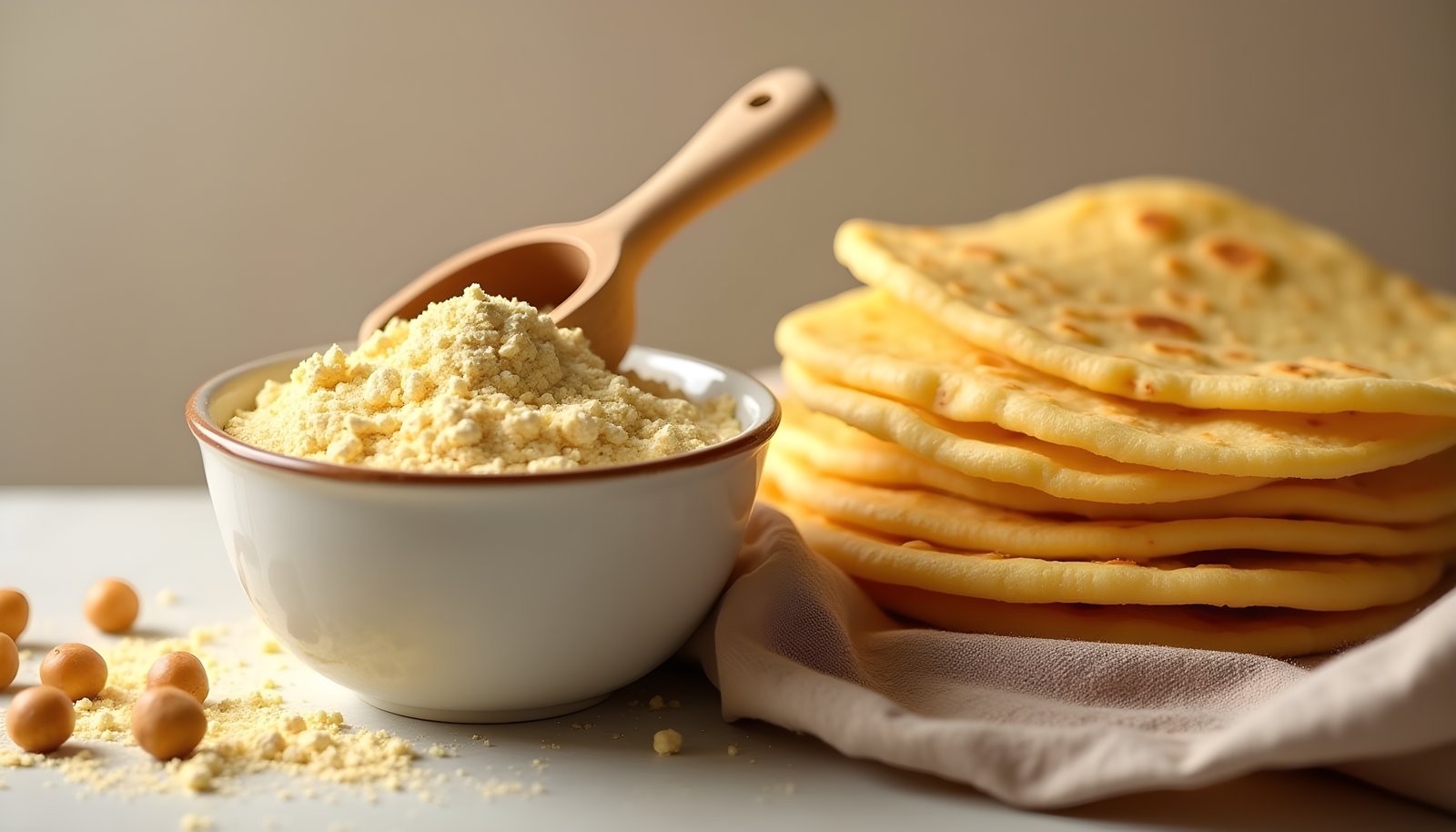
Chickpea flour fiber comes to about 10.8 grams per 100 grams, essentially the same as whole wheat flour. Its real edge is protein and folate, and unlike wheat it’s naturally free of gluten.
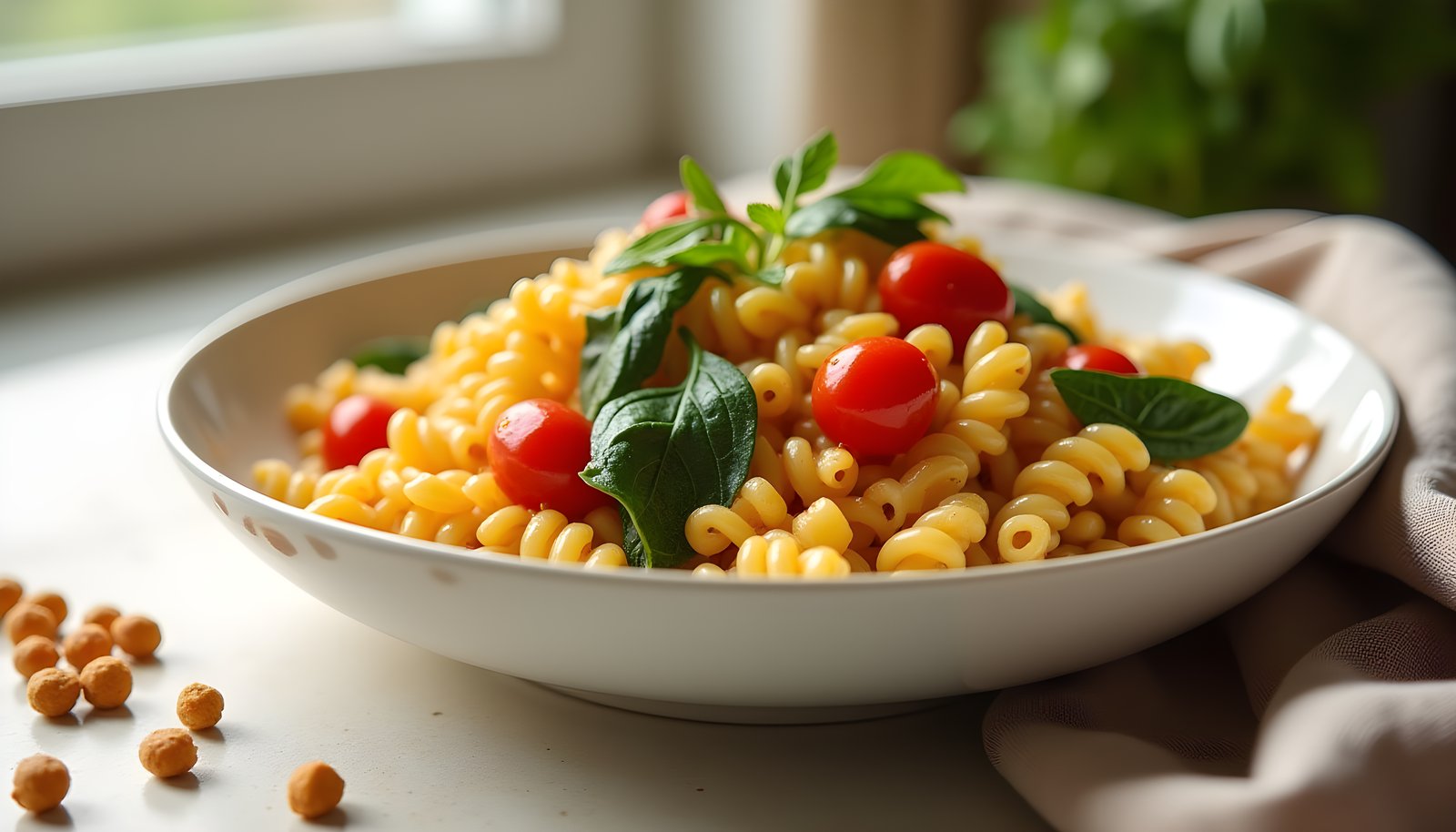
Lupini bean pasta fiber ranges from 12 grams to just 2 grams per 2 ounce serving, depending on how much lupini is in the box. A pasta built mainly on lupini flour lands at the top, while wheat or starch based blends list far less.
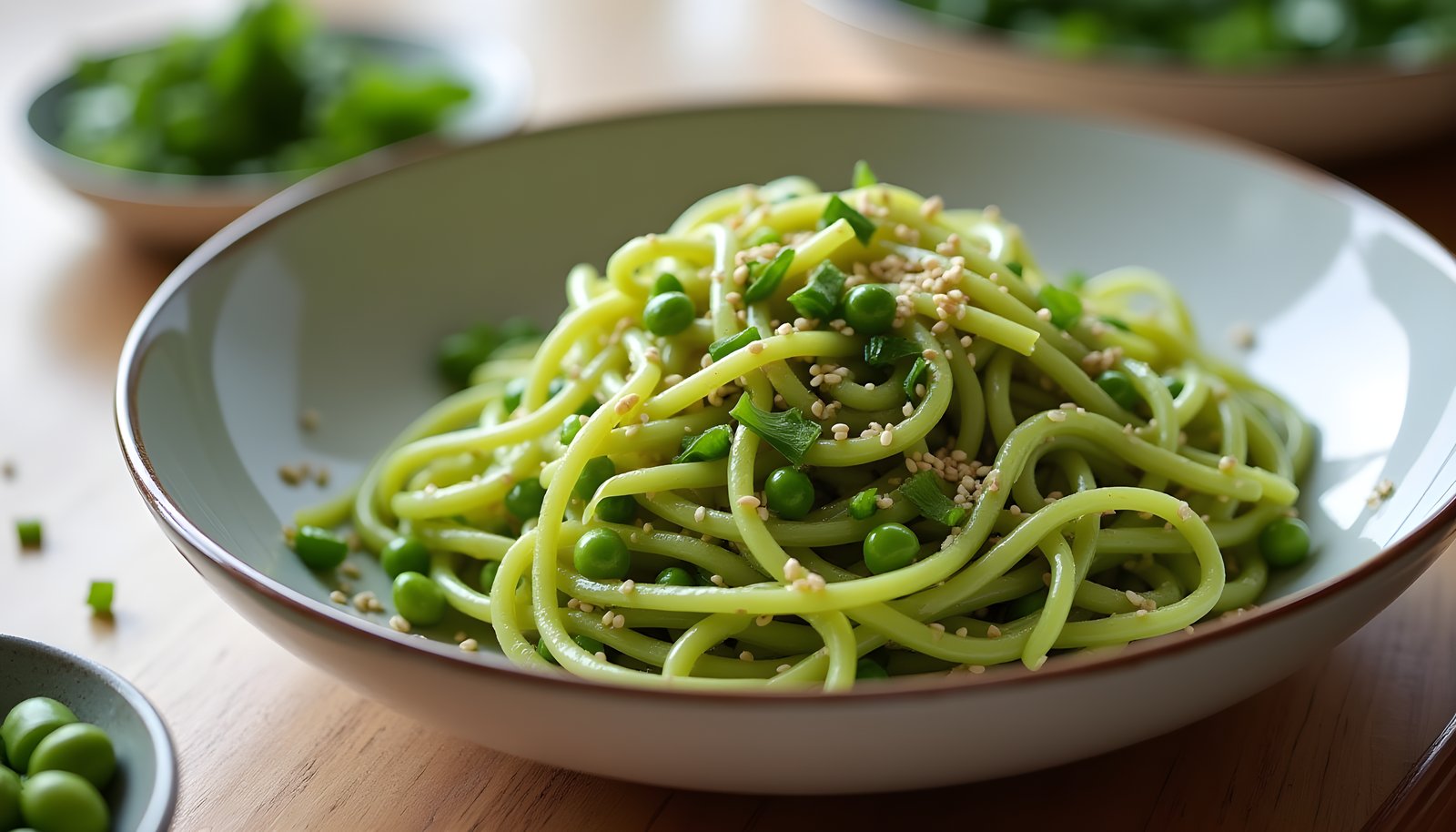
Edamame pasta fiber runs about 11 to 14 grams per 2 ounce dry serving in most brands, four times classic spaghetti, alongside 22 to 25 grams of protein. Most boxes list a single ingredient: young green soybeans milled into flour.
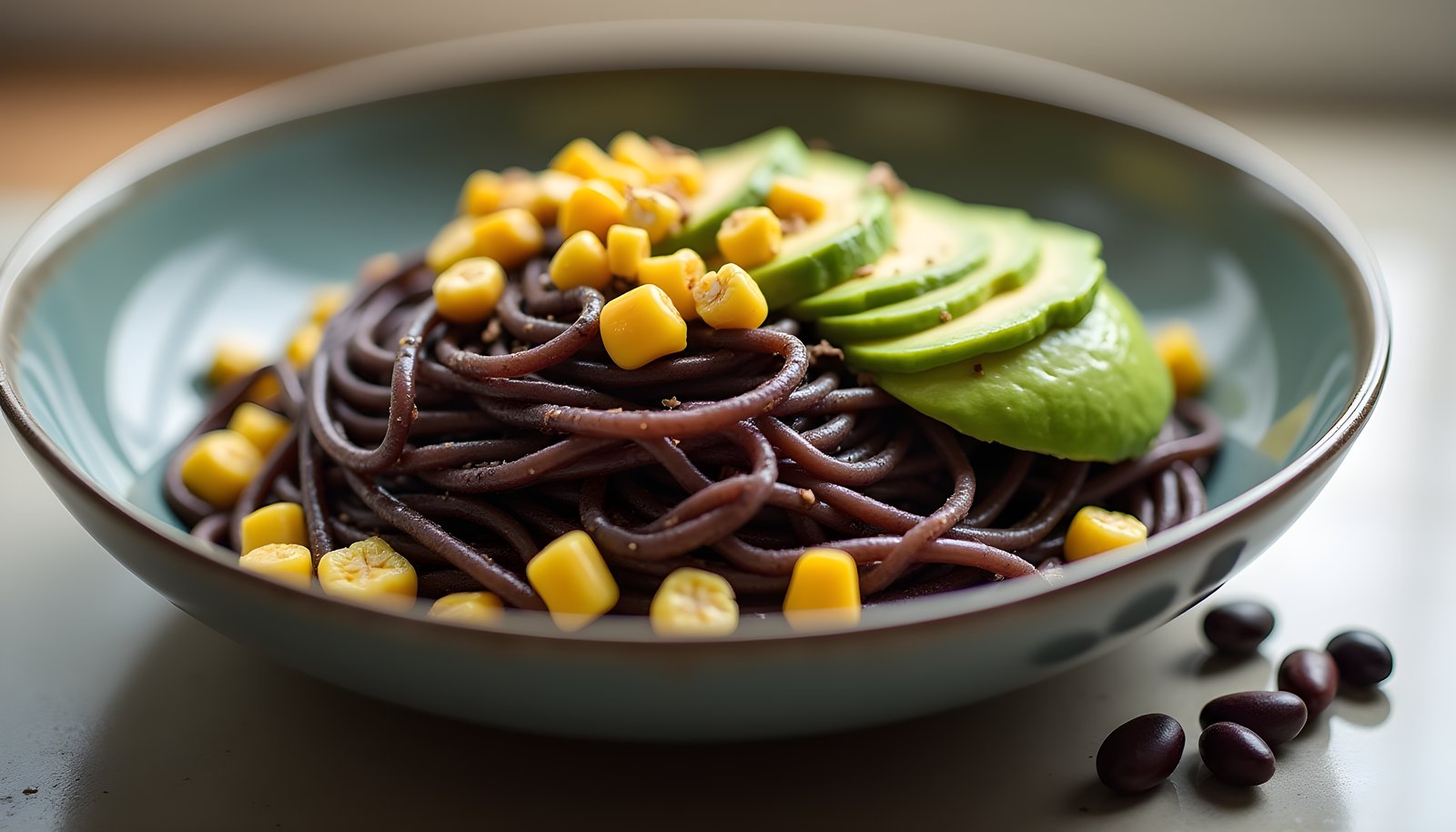
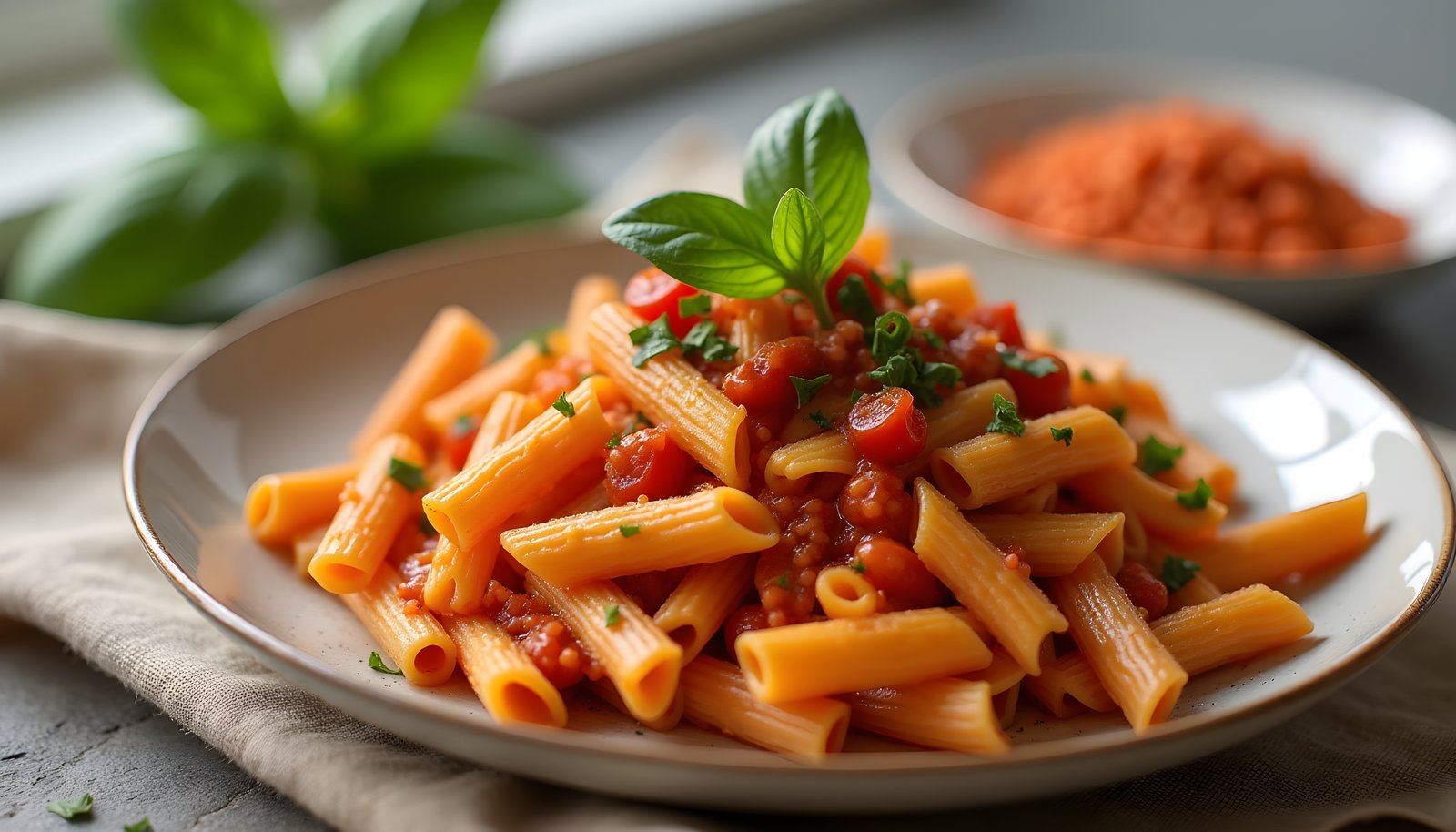
Black bean pasta fiber runs about 10 to 12 grams per 2 ounce dry serving, roughly three to four times classic spaghetti. Some boxes are made from black soybeans and others from black turtle beans, which changes the protein and carbs but not the fiber story.
Lentil pasta fiber sits at about 6 grams per 2 ounce dry serving for most red and green lentil brands, double classic wheat spaghetti, with about 14 grams of protein. Yellow lentil pastas can list less, so the label still matters.
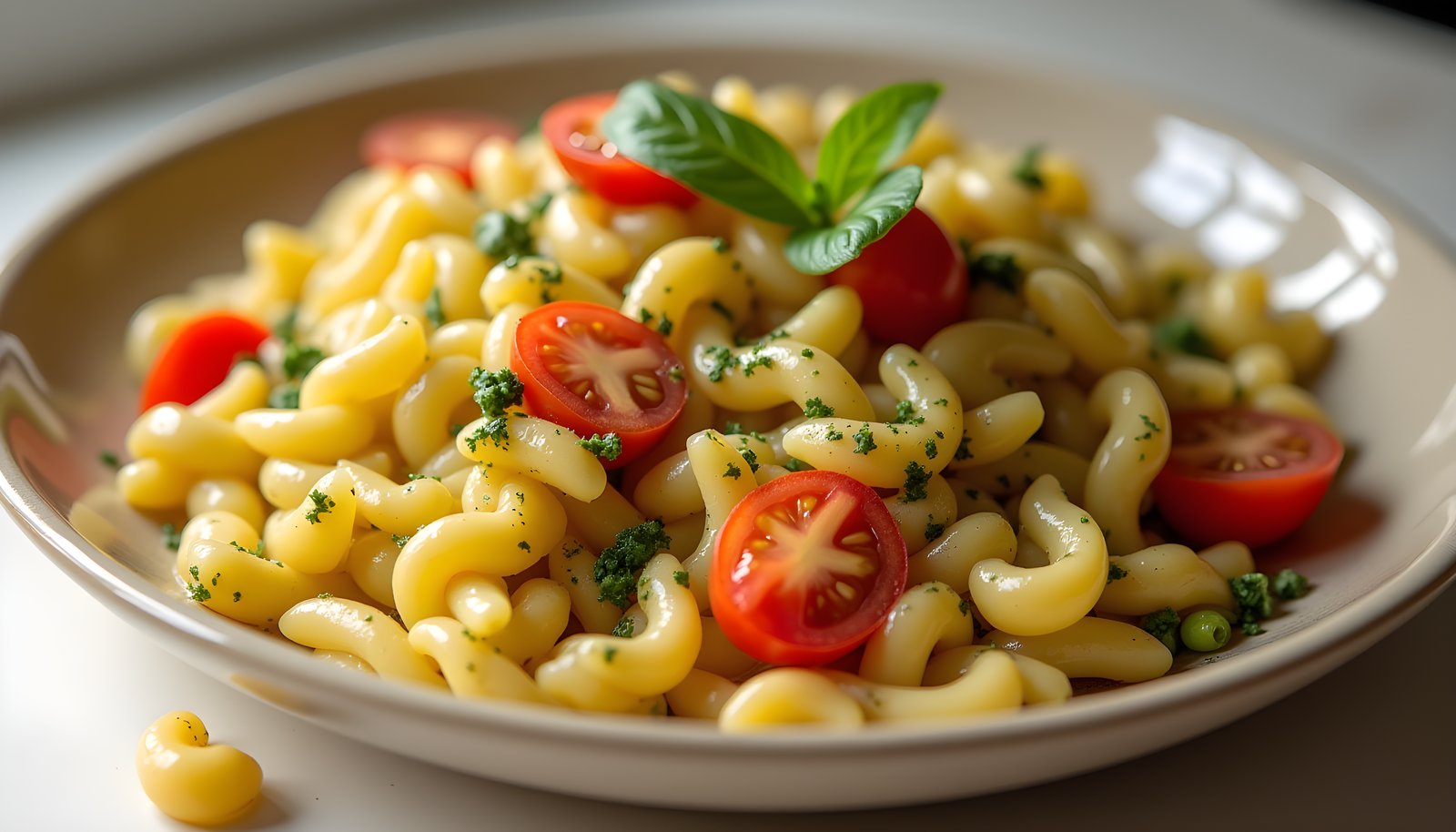
Chickpea pasta fiber runs from about 5 to 8 grams per 2 ounce dry serving, depending on the brand, compared with about 3 grams in classic wheat spaghetti. Boxes made from chickpea flour alone tend to land at the top of that range.
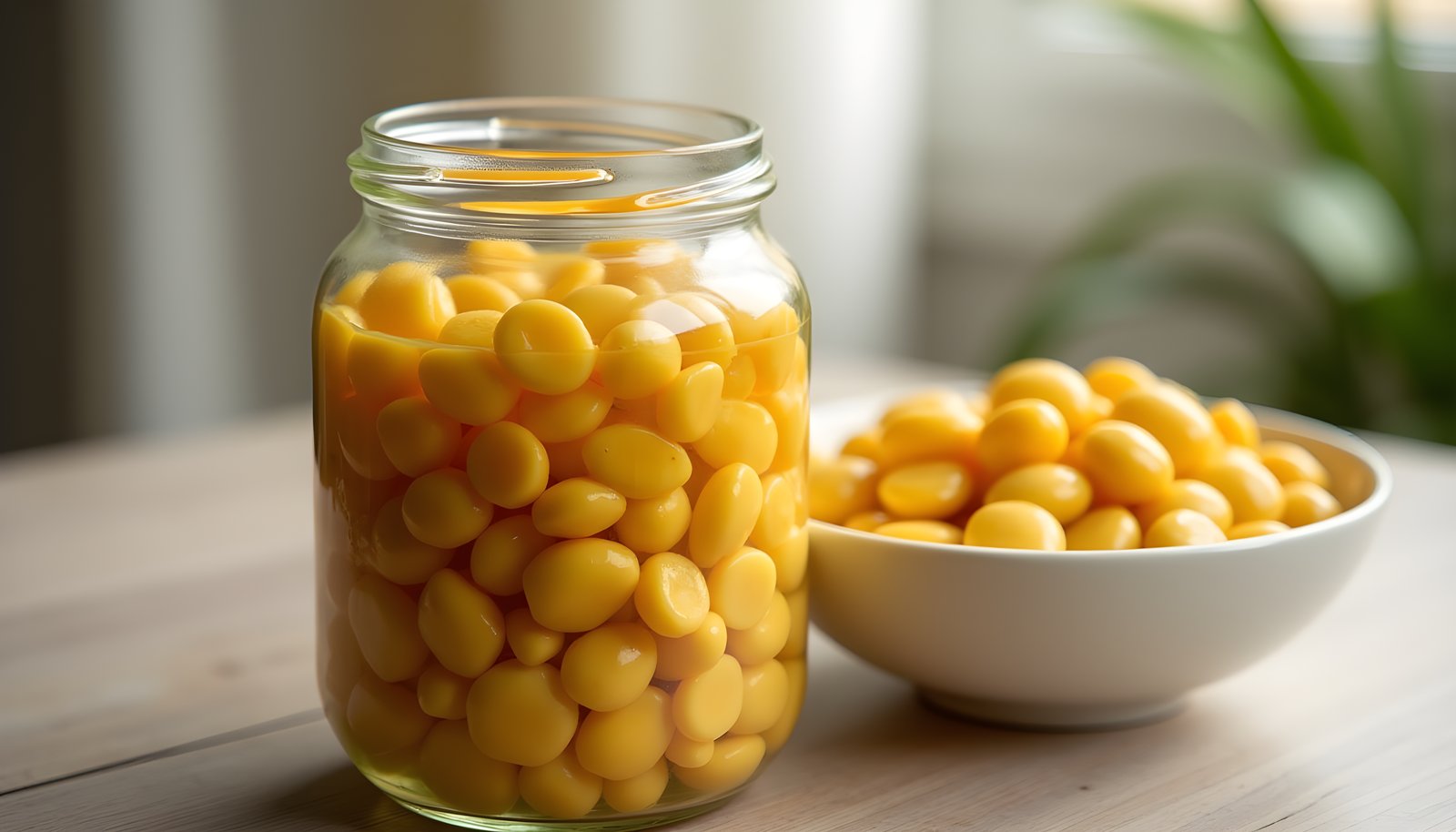
Lupini beans fiber ranges from about 4.7 grams per cooked cup in USDA FoodData Central to about 7.8 grams per half cup in the Dietary Guidelines table. Either way, lupini bring about 26 grams of protein per cup, the most per calorie of any common bean.
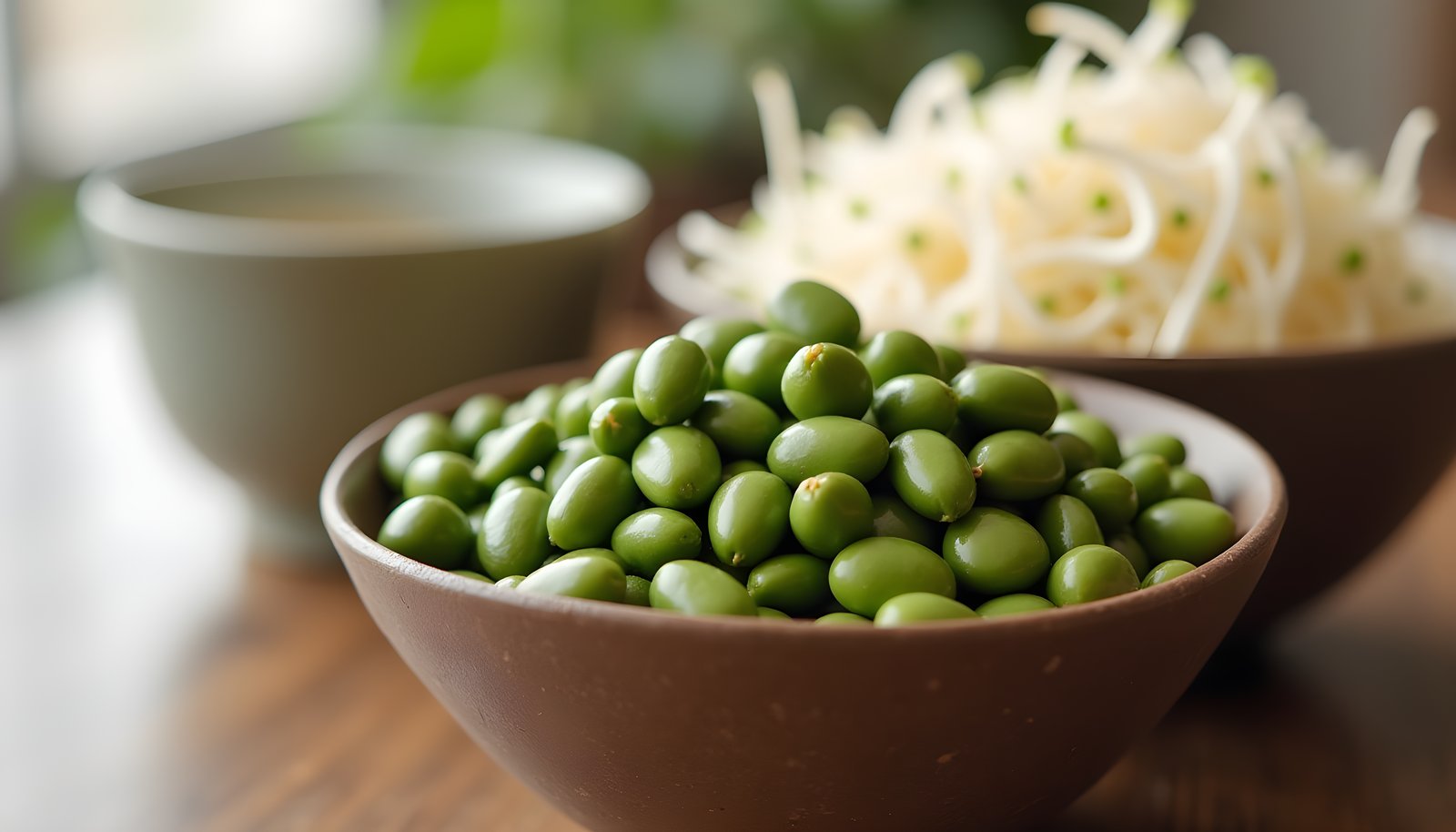
Mung beans fiber comes to about 15 grams per cooked cup, for just 212 calories. Mung bean sprouts are a different story, with under 2 grams per cup, so the form you eat changes everything.
Free · 7-day starter guide
Get our Gut Reset Quick-Start when you subscribe
Join 47,000 readers getting the Weekly Fiber Digest — research roundups, recipes, and discounts every Thursday.