Discover the most popular fiber articles this week. From gut health to weight loss, these trending reads are backed by science and chosen by our community.
How Much Fiber Do You Actually Need?
Most people have no idea. Enter your age, gender, and activity level — get your personalized daily target in seconds.
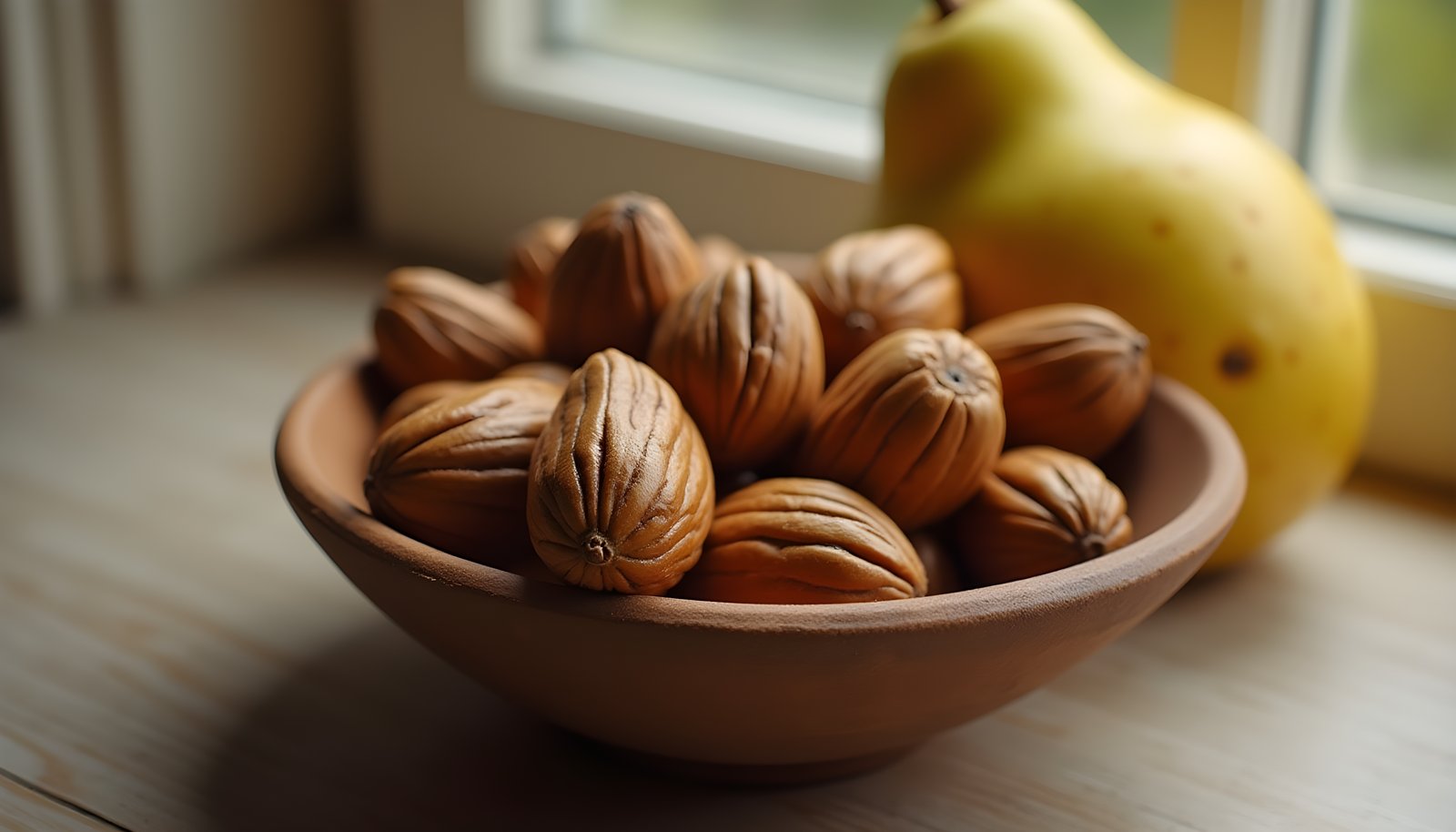
Yes, but not much per nut. Brazil nuts fiber comes to about 2.1 grams per ounce (6 to 8 nuts), yet that same ounce carries roughly ten times your daily selenium, so most people should stop at one or two nuts and get their fiber elsewhere.
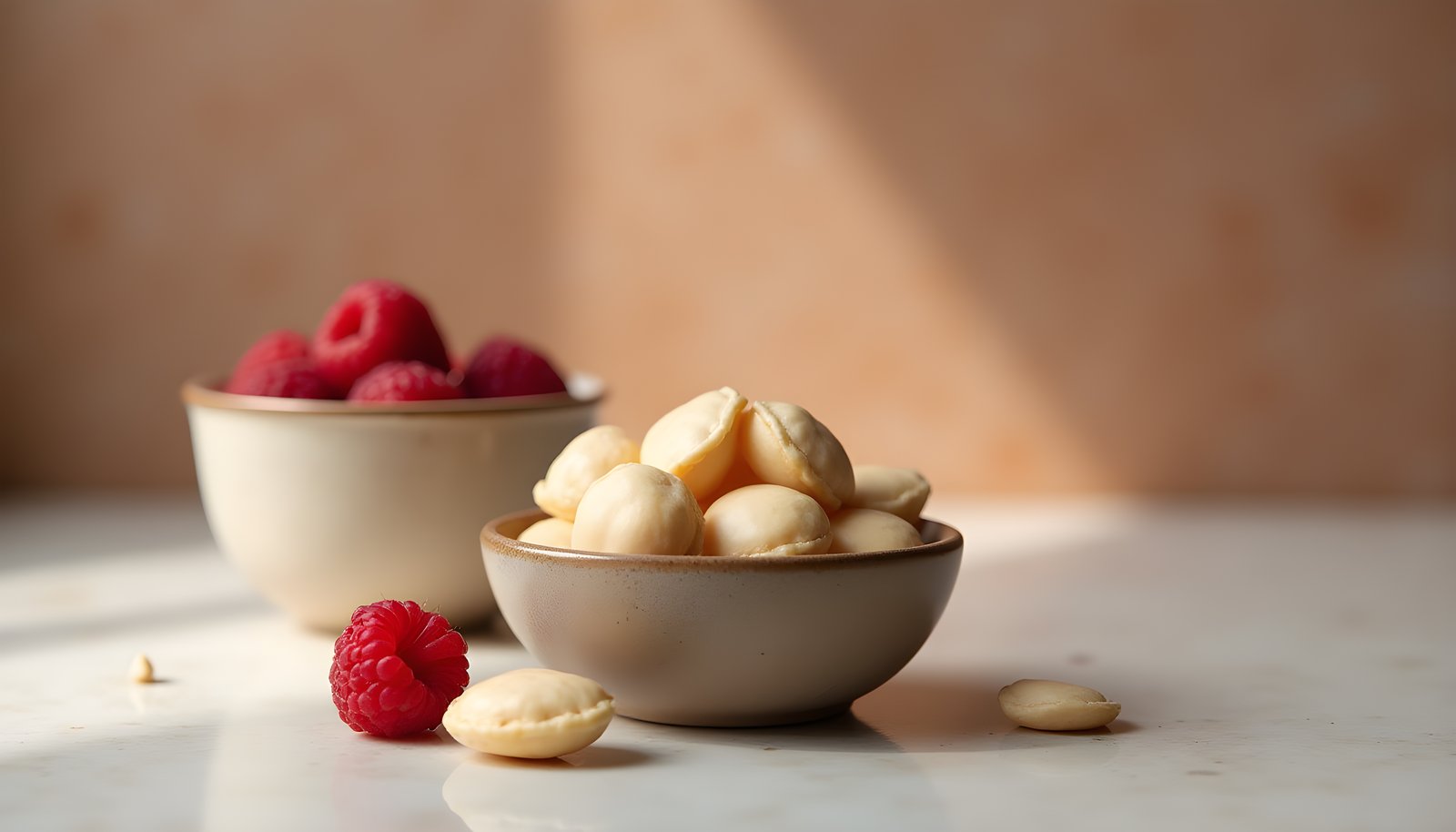
Yes. Macadamia nuts fiber adds up to about 2.4 grams per ounce, more than walnuts, cashews or pine nuts. With only about 1.5 grams of digestible carbs per ounce, they’re one of the best low carb nuts, though they’re also the most calorie dense.
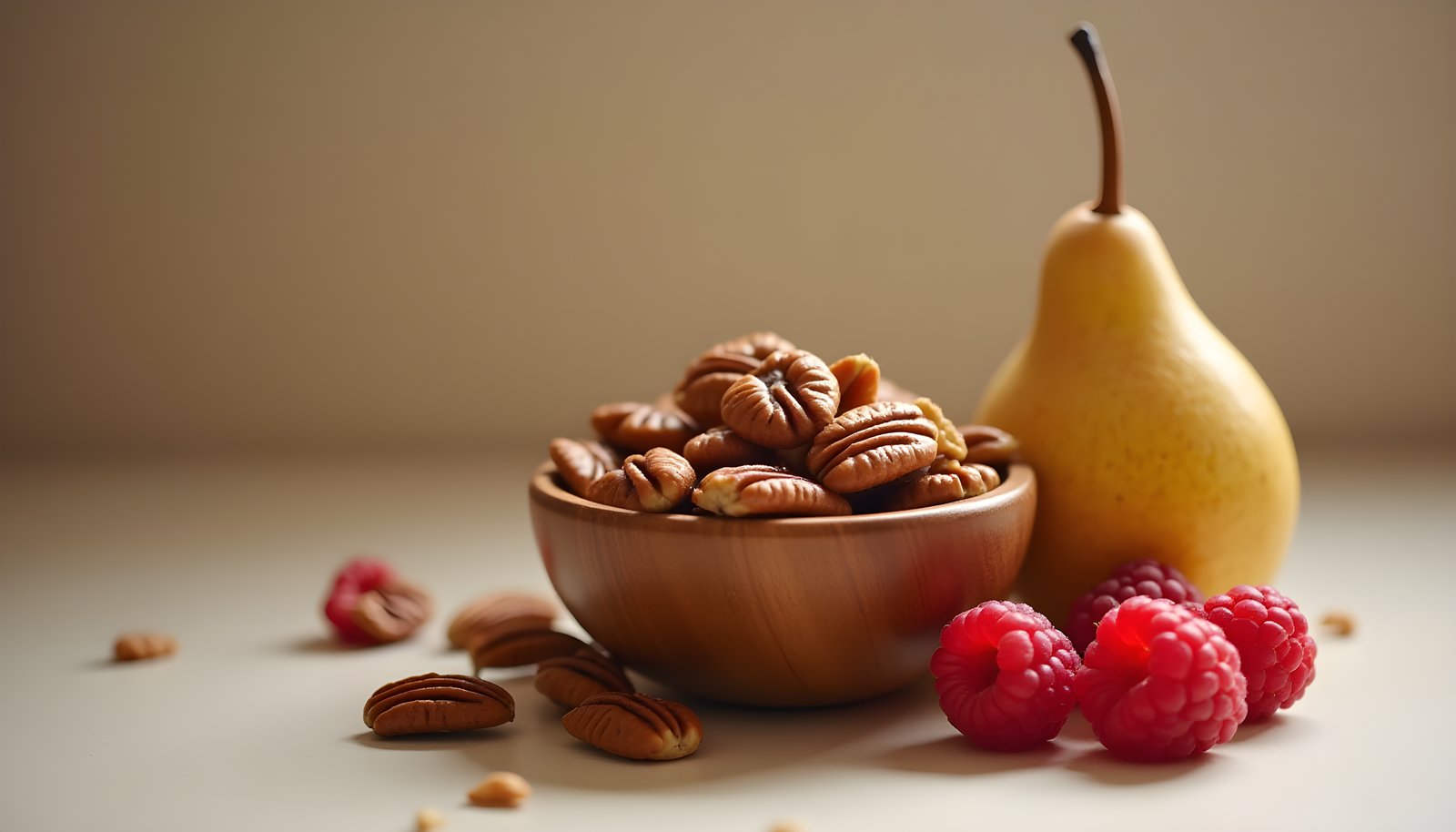
Yes. Pecans fiber comes to about 2.7 grams per ounce (roughly 19 halves), close to hazelnuts and ahead of walnuts, cashews and pine nuts. The catch is the 196 calories riding along, so portion size matters more than with most foods.
Protein dairy drinks fiber counts are low: milk based shakes like Fairlife, Boost and Lifeway protein kefir list 0 to 1 gram per bottle. The few that list more, like Ensure Max Protein at 2 grams, add inulin or soluble corn fiber on purpose.
A high fiber protein yogurt is rarer than the labels suggest: the cups with the most protein, like Ratio at 25 grams, usually list 0 grams of fiber. Oikos Triple Zero Plain is the standout we found, with 22 grams of protein and 10 grams of fiber per cup from added chicory root fiber.
A fiber fortified plant milk gets its fiber from an ingredient added on purpose, such as soluble corn fiber, gum acacia or chicory inulin, rather than from the oats, nuts or peas in the base. The fortified cartons we found top out at 2 to 3 grams per serving, often alongside added sugar.
The plant milk with most fiber is oat milk, with the best cartons listing about 2 grams per cup, and soy milk is close behind. Almond, rice, coconut, cashew and flax milks mostly sit under 1 gram.
Plant based creamer fiber is 0 grams per tablespoon in most bottles, even ones made from oats, almonds or cashews. The few that reach 1 gram get it from an added fiber such as chicory inulin, not from the plant on the front of the label.
Hemp milk fiber is under 1 gram per cup in most cartons, because it’s made from shelled hemp seeds that start with only about 1 gram per 3 tablespoons. One brand reaches 2 grams by adding oats, and the real draw of hemp seed is its omega 3 fat.
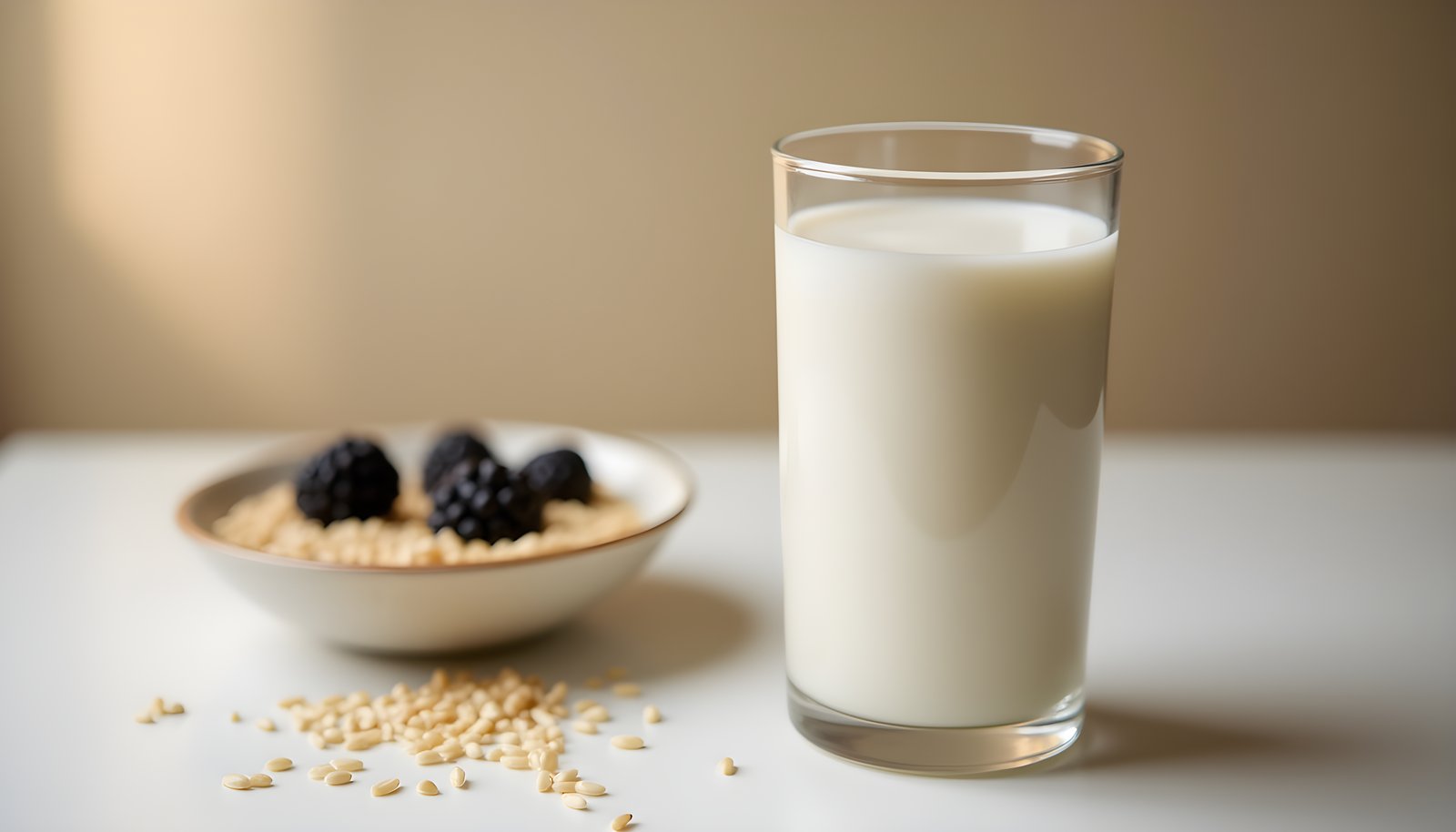
Rice milk fiber is under 1 gram per cup, with USDA listing about 0.7 grams and most Rice Dream cartons listing 0. Even brown rice versions lose the grain’s fiber, while many keep 11 to 13 grams of sugar per cup without any added sweetener.
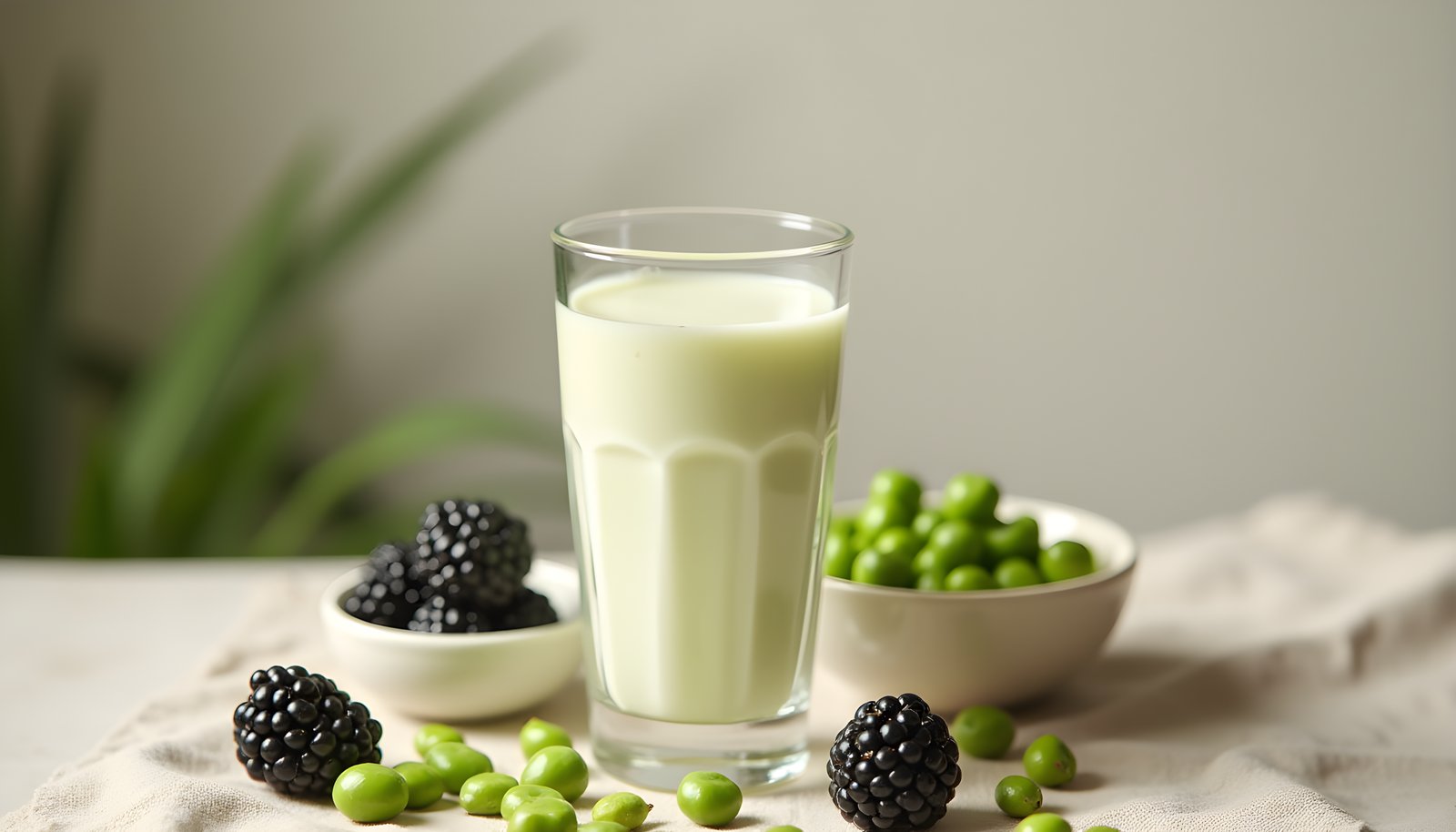
Pea milk fiber is under 1 gram per cup in Ripple’s main cartons, far below the 4.4 grams in half a cup of green peas. Its real benefit is protein: 8 grams per cup, plus high levels of added calcium and vitamin D.
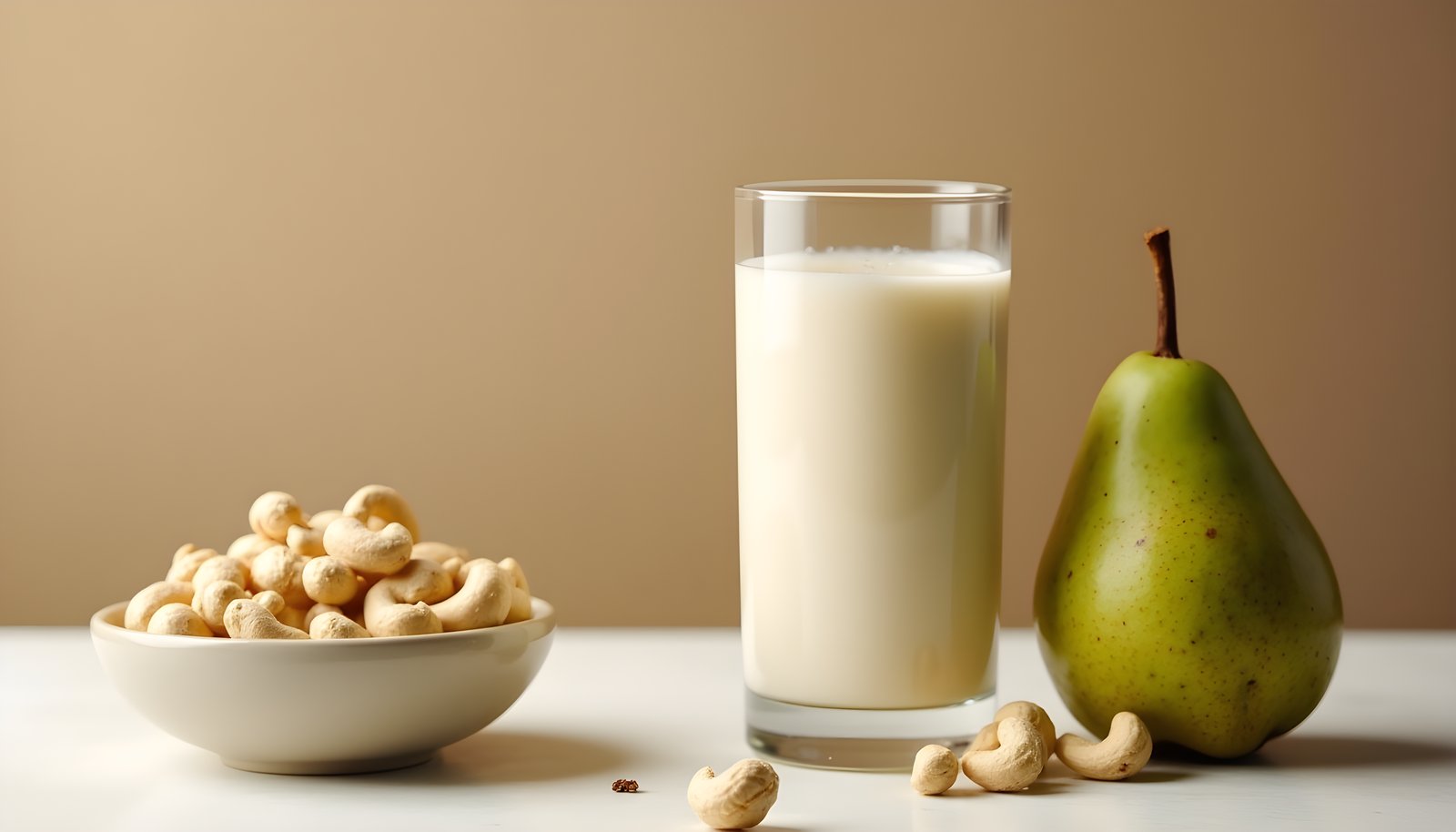
Cashew milk fiber is 0 grams per cup in every brand we checked, from light 25 calorie cartons to a rich barista version made from just cashews and water. That makes sense once you know whole cashews have under 1 gram per ounce to begin with.
Free · 7-day starter guide
Get our Gut Reset Quick-Start when you subscribe
Join 47,000 readers getting the Weekly Fiber Digest — research roundups, recipes, and discounts every Thursday.