Discover the most popular fiber articles this week. From gut health to weight loss, these trending reads are backed by science and chosen by our community.
How Much Fiber Do You Actually Need?
Most people have no idea. Enter your age, gender, and activity level — get your personalized daily target in seconds.
Most wellness shots contain no fiber at all: ginger, turmeric and citrus shots are pressed juice, and their labels read 0 grams or leave fiber off entirely. The exception is a prebiotic shot with added fiber, which can list about 3 grams, so wellness shots fiber depends entirely on what was added back in.
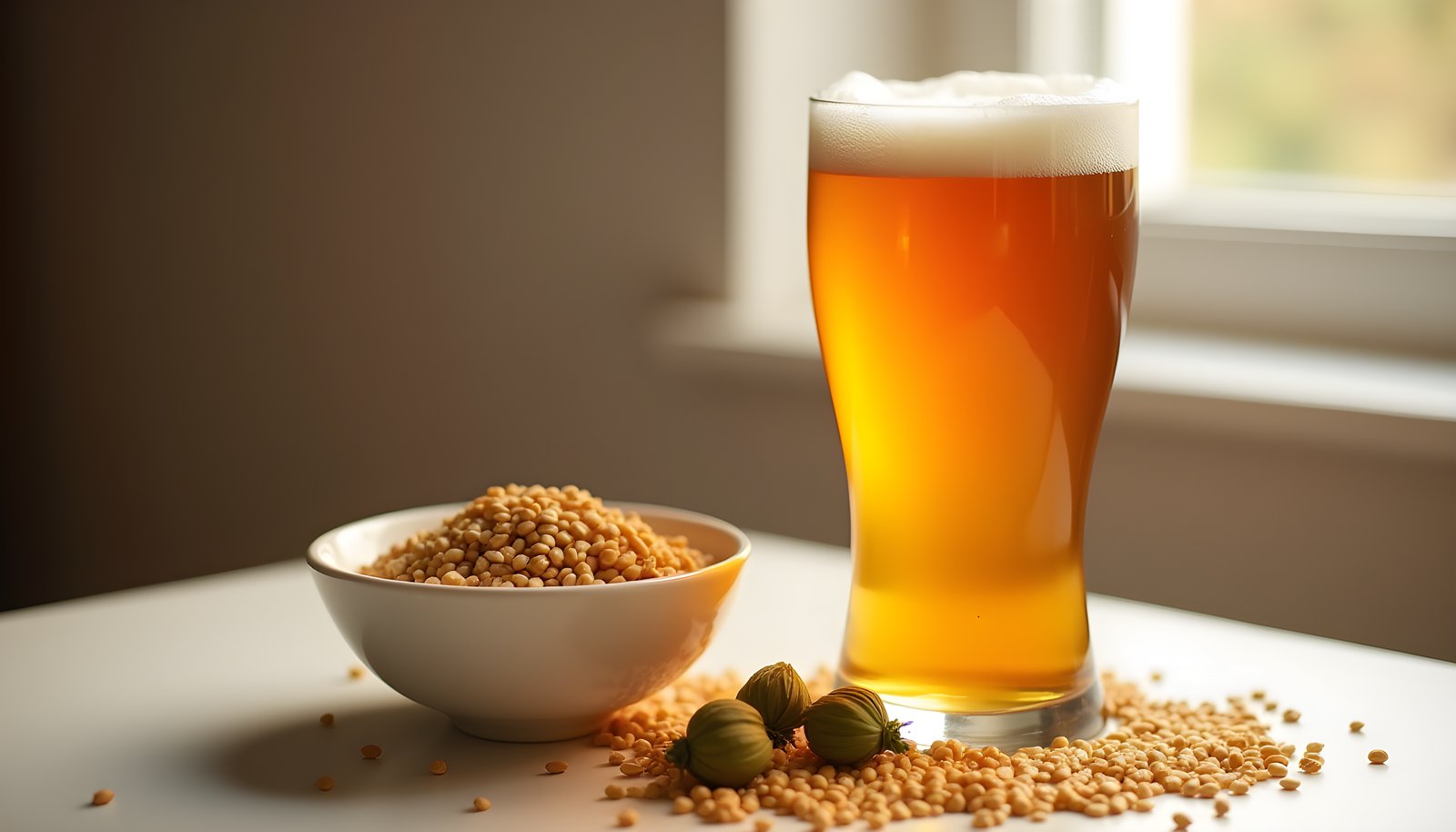
Does beer contain fiber? Nutrition tables say no: USDA lists regular beer at 0 grams. Lab studies, though, find a small amount of dissolved barley fiber in beer, roughly 0.2 to 1.4 grams per 12-ounce can, which is too little to count toward your day.
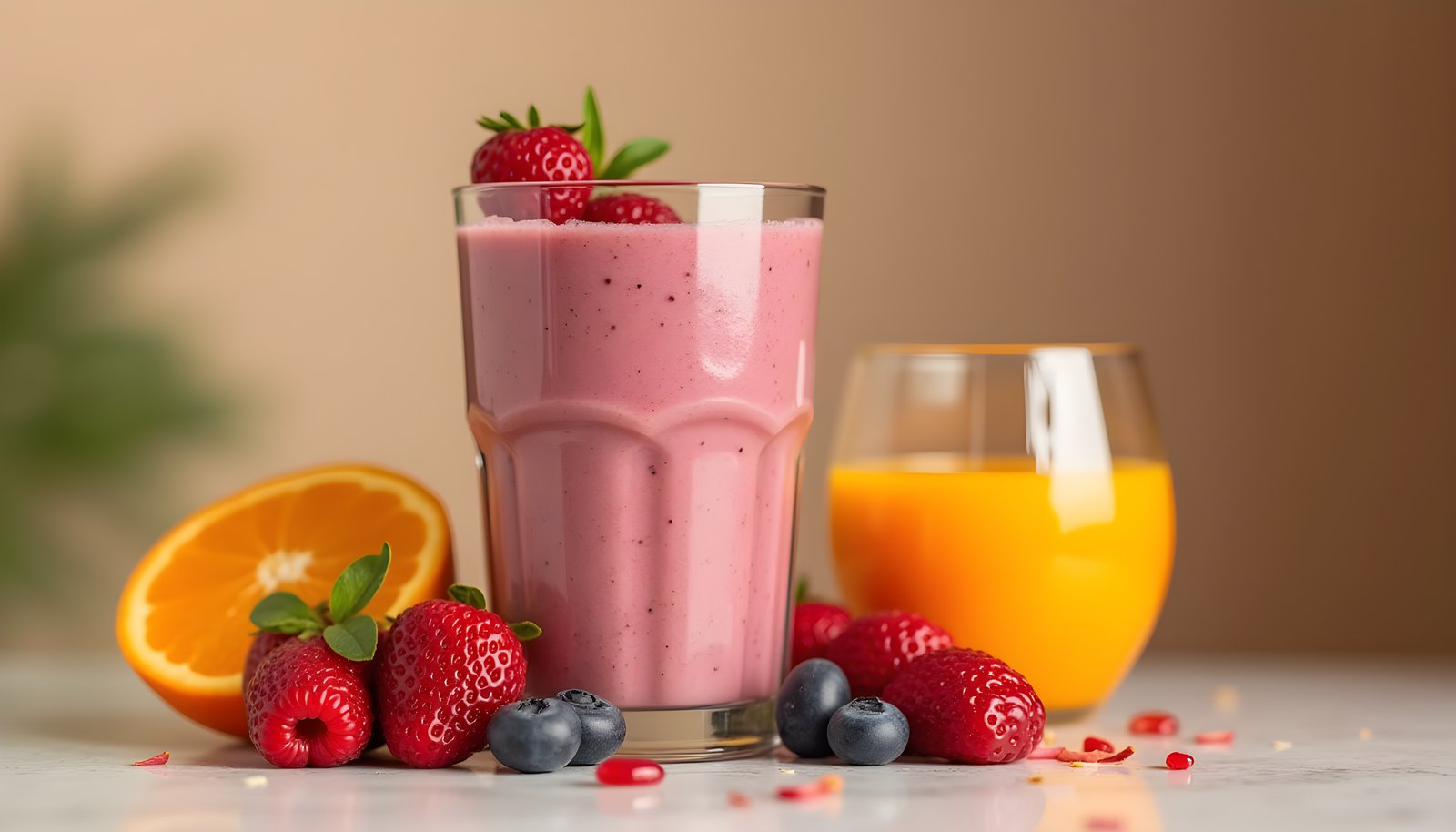
Yes. In any smoothies vs juice fiber matchup, the smoothie wins because blending keeps the pulp and skin that a juicer strains away: a cup of orange juice has 0.5 grams of fiber, while the whole orange you could blend instead has 3.7 grams. Smoothies also edge out juice for fullness, though whole fruit you chew still beats both.
Corn bran, the outer coat of the corn kernel, has the most fiber of any food skin USDA lists, at 79 grams per 100 grams. Among food skins high fiber picks you can actually eat in normal portions, wheat bran, rice bran and baked potato skin lead the way, while citrus zest and thin fruit peels add smaller amounts.
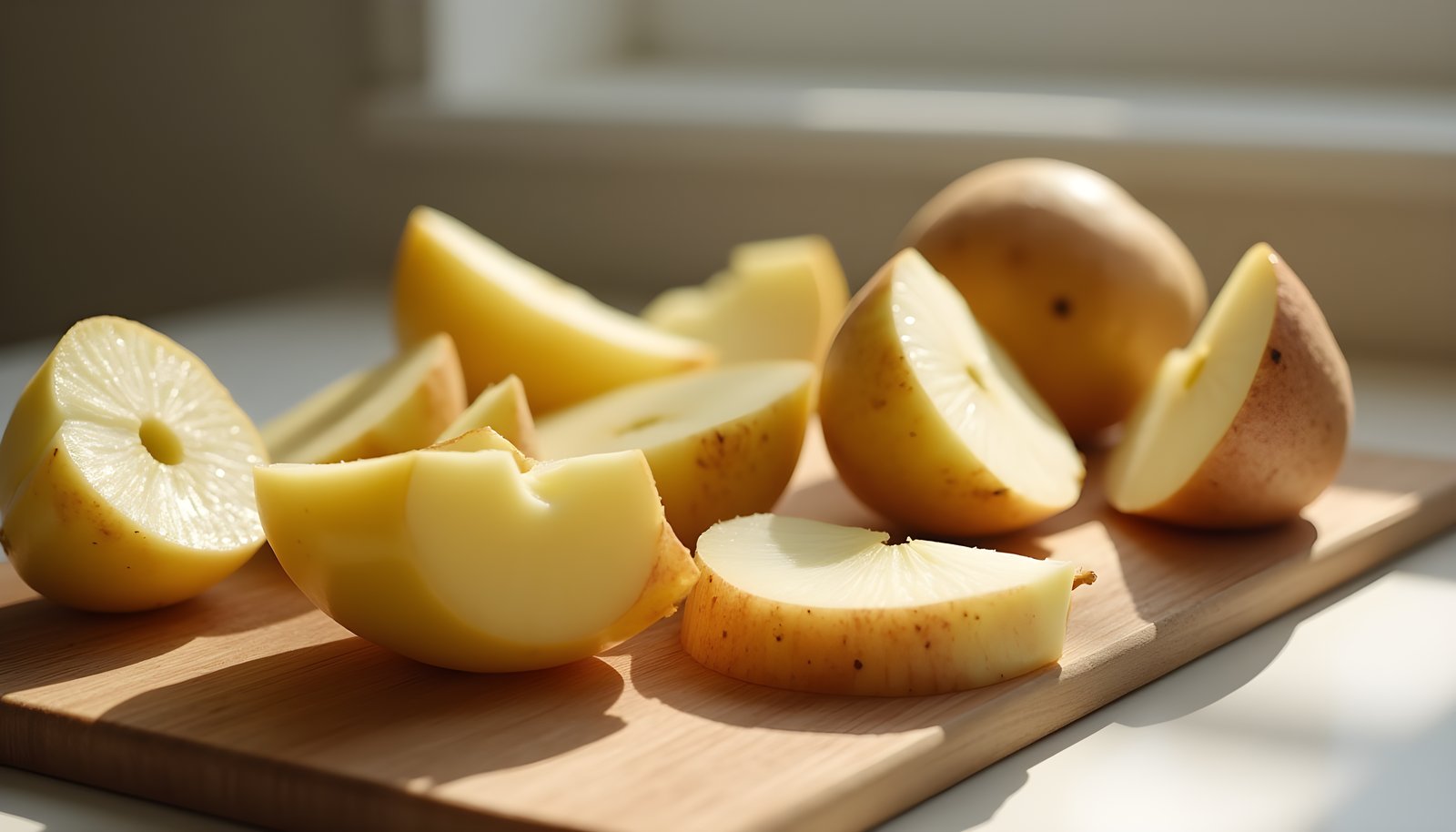
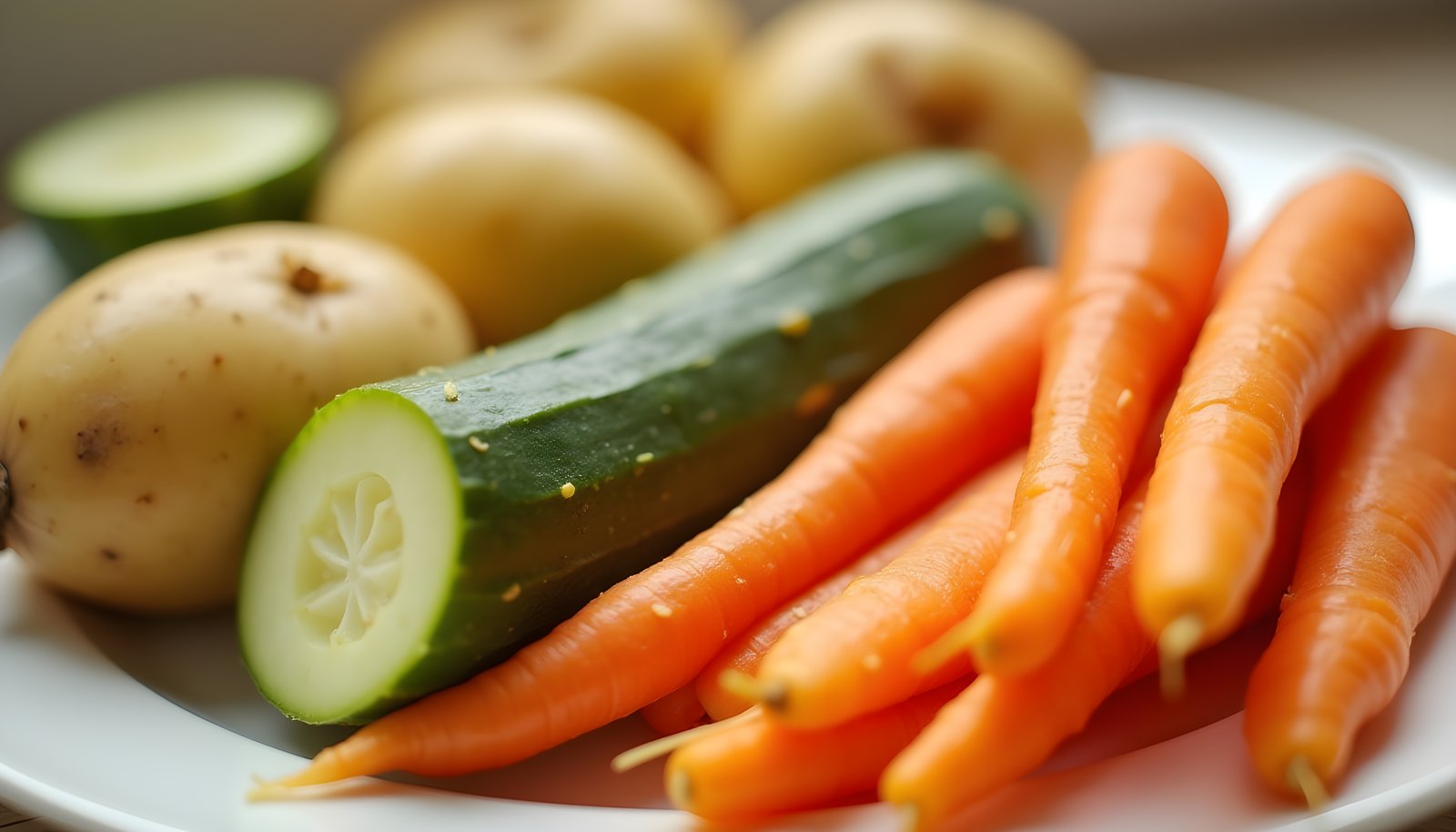
Vegetable skins fiber can be surprisingly concentrated: USDA lists baked potato skin at 7.9 grams of fiber per 100 grams, close to boiled black beans and about five times the flesh. Not every peel works that way, though, and cucumber skin matters more for vitamin K than for fiber.
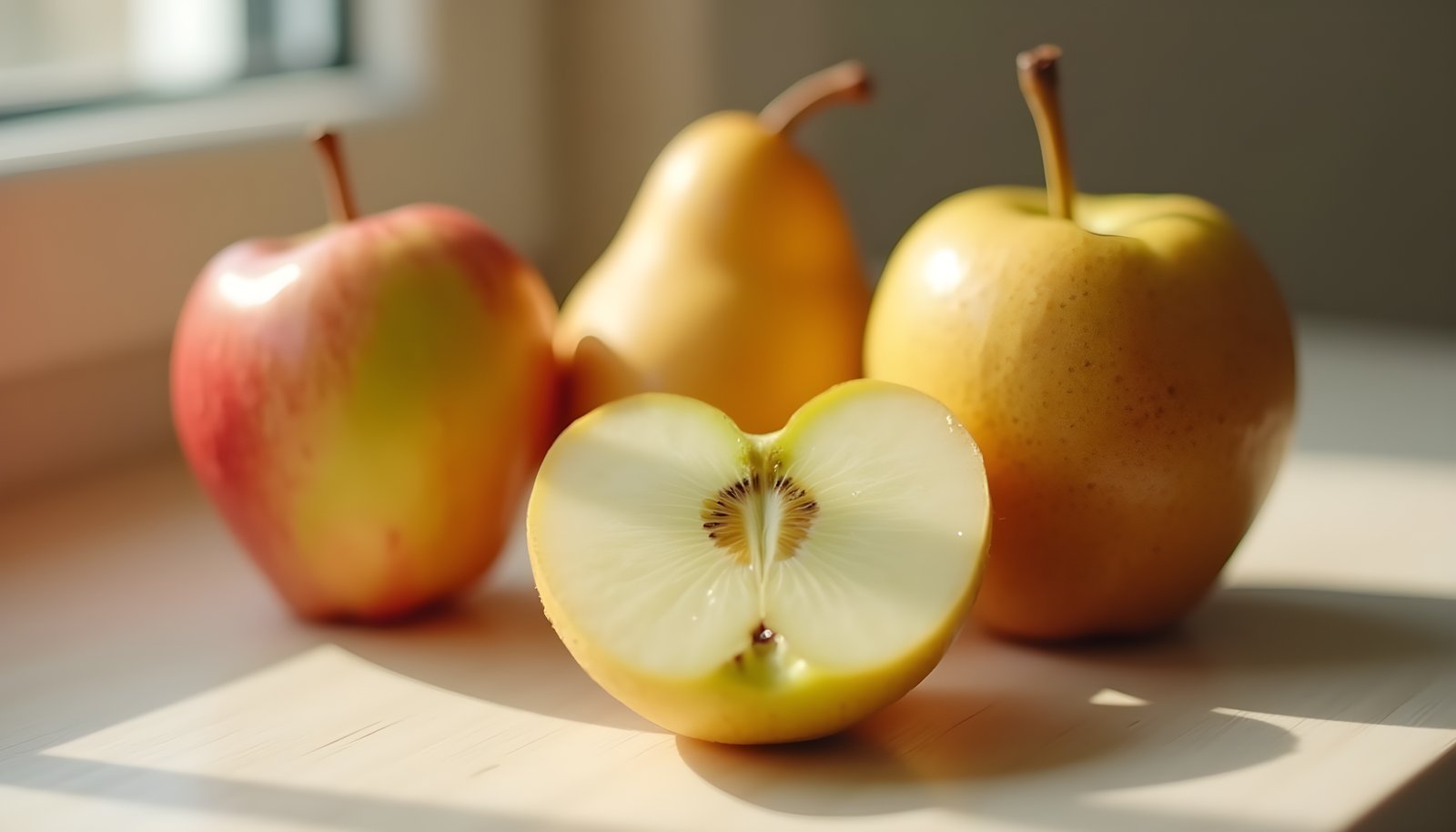
Yes, and the eating fruit skins fiber gain is bigger than it looks: USDA lists a raw apple at 2.4 grams of fiber per 100 grams with the skin and 1.3 grams without it, so the peel carries nearly half the fruit’s fiber. Keep skins on apples and pears every day and you can add several grams to your intake without eating anything extra.
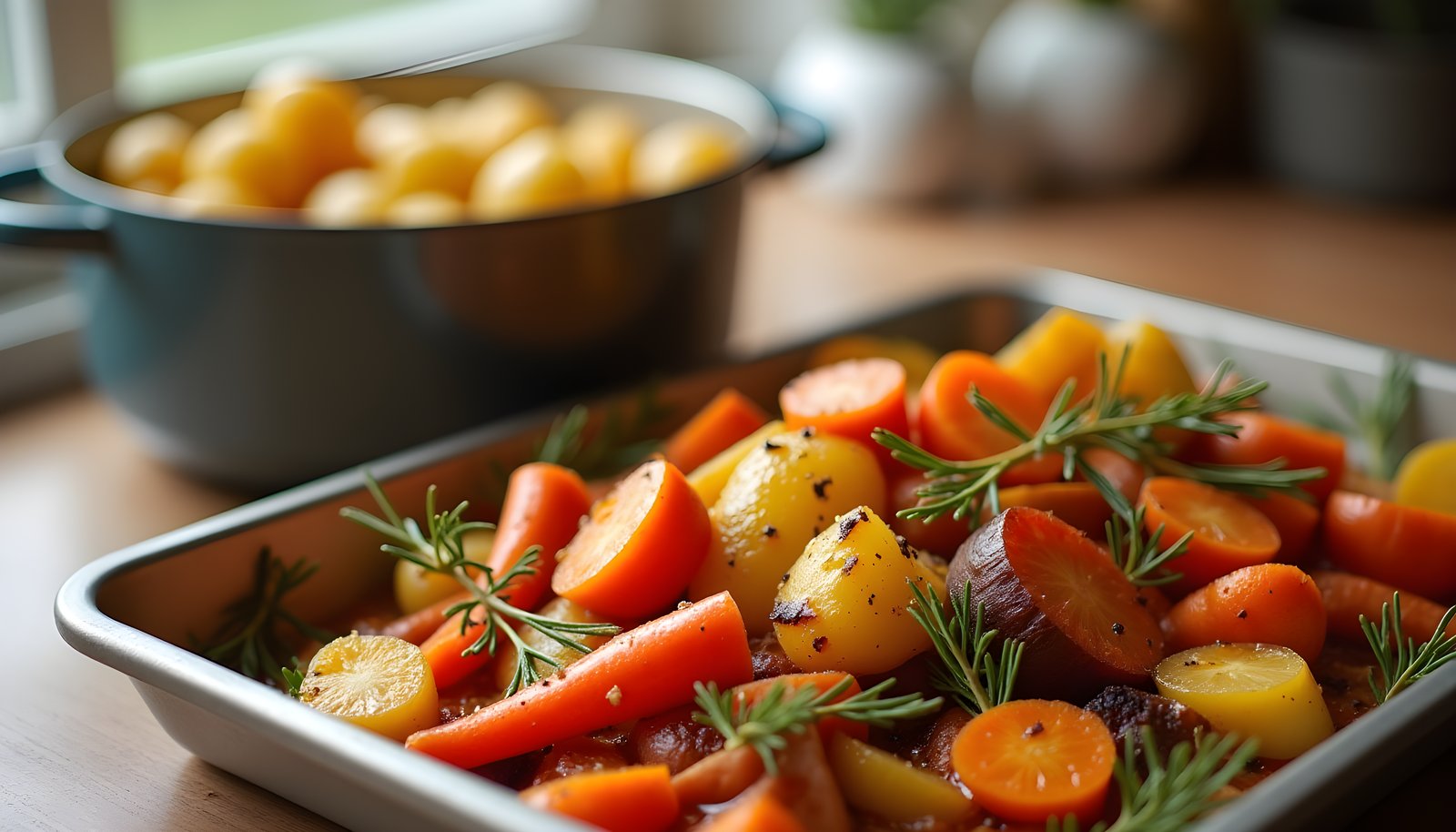
On baked vs boiled vegetables fiber, baked usually looks higher on the label, but mostly because baking drives water out while boiling soaks it in. Measured against the solid part of the vegetable, USDA numbers for squash and sweet potatoes come out almost identical either way, and the bigger fiber swing comes from keeping the skin on.
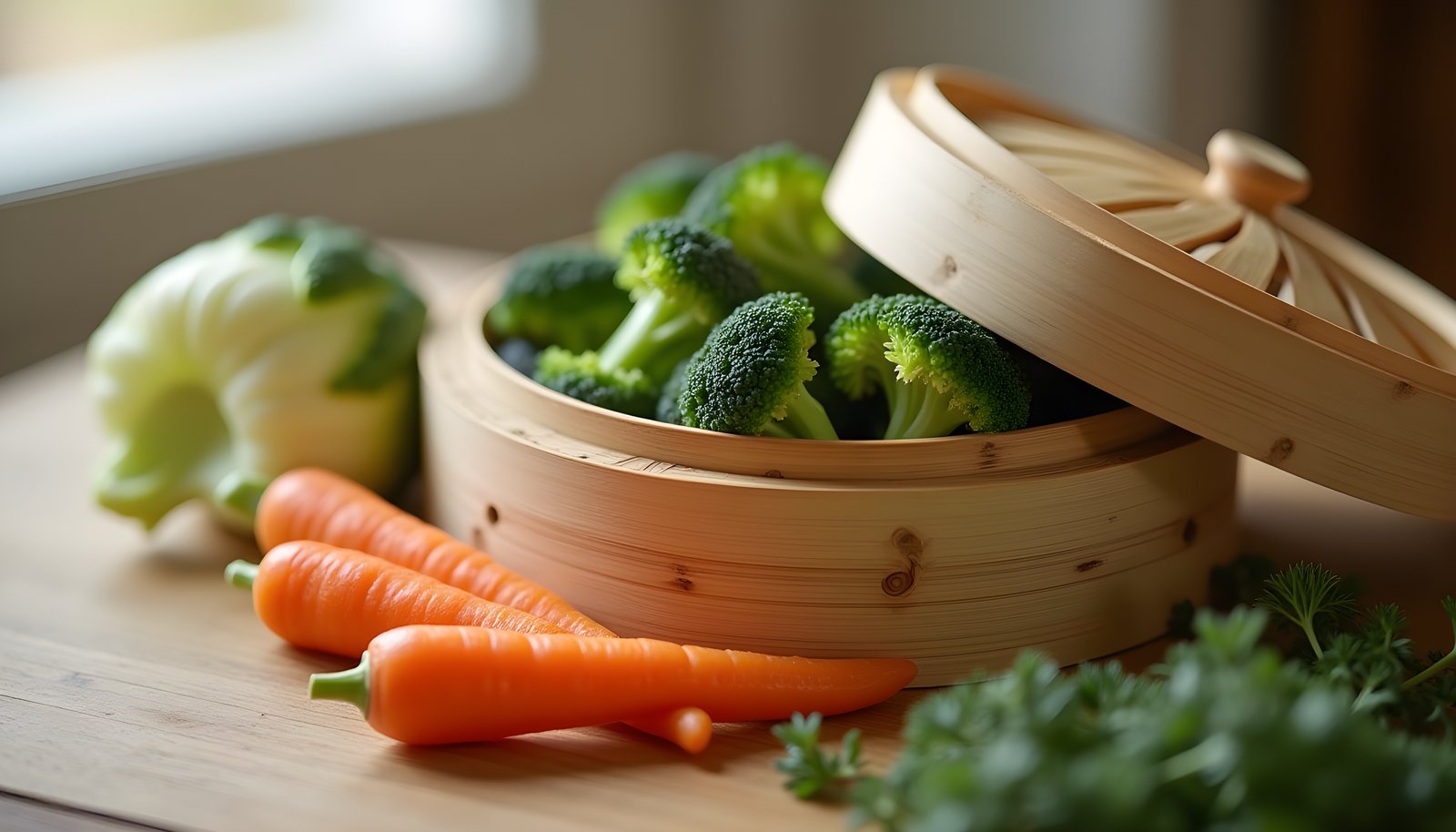
On raw vs steamed vegetables fiber, the total barely moves, but the type of fiber does. In a study of 29 vegetables, steaming shifted fiber from insoluble to soluble in most of them, nearly tripling soluble fiber in broccoli, and steamed broccoli kept more vitamin C than any other cooking method tested.
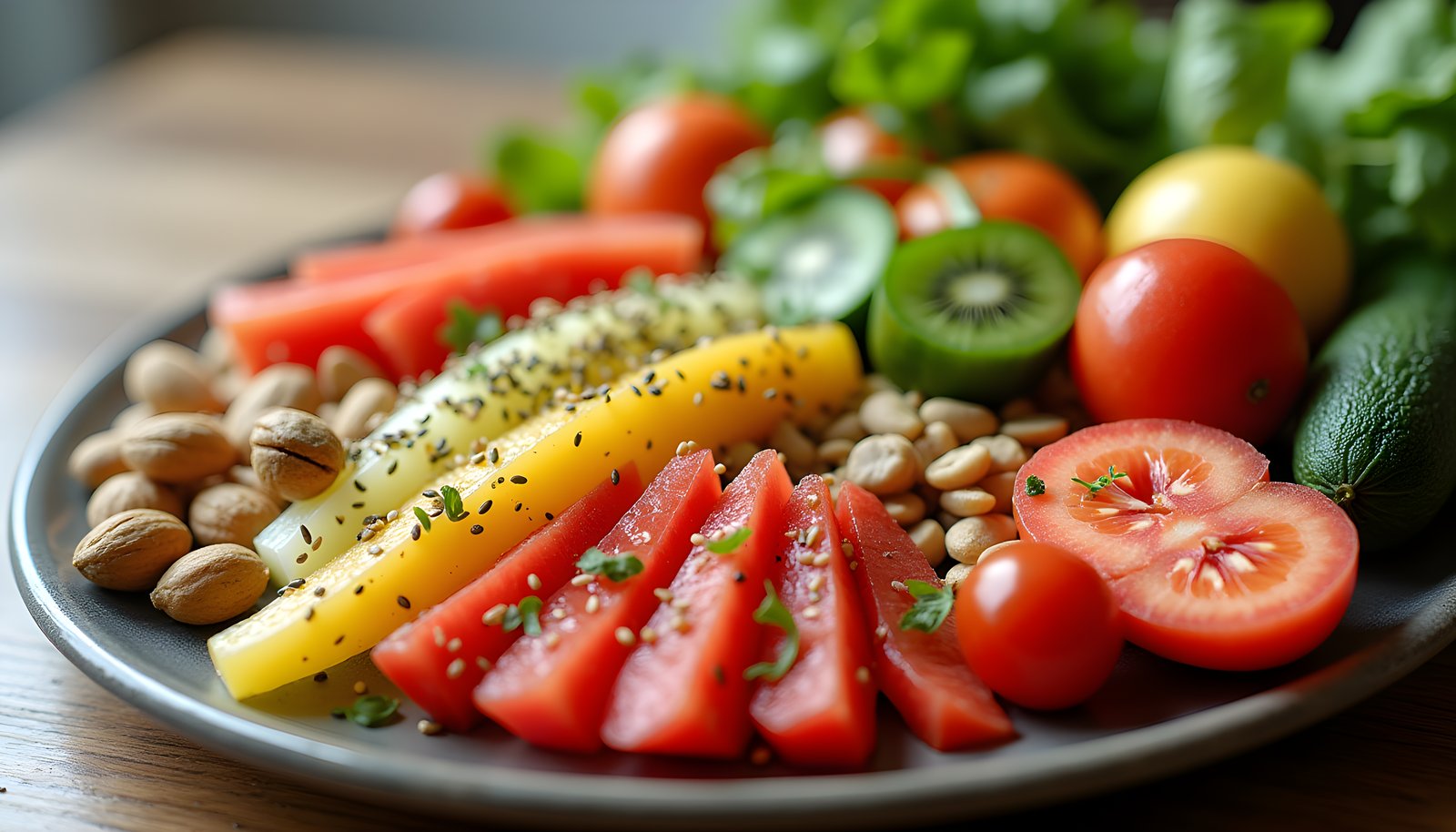
Raw foods diet fiber is rarely the problem: a plain day of raw fruit, vegetables, nuts and seeds can pass 50 grams, about double the usual target. The real gap is calories and a few nutrients, since raw eaters skip cooked beans and grains and often lose more weight than they planned.
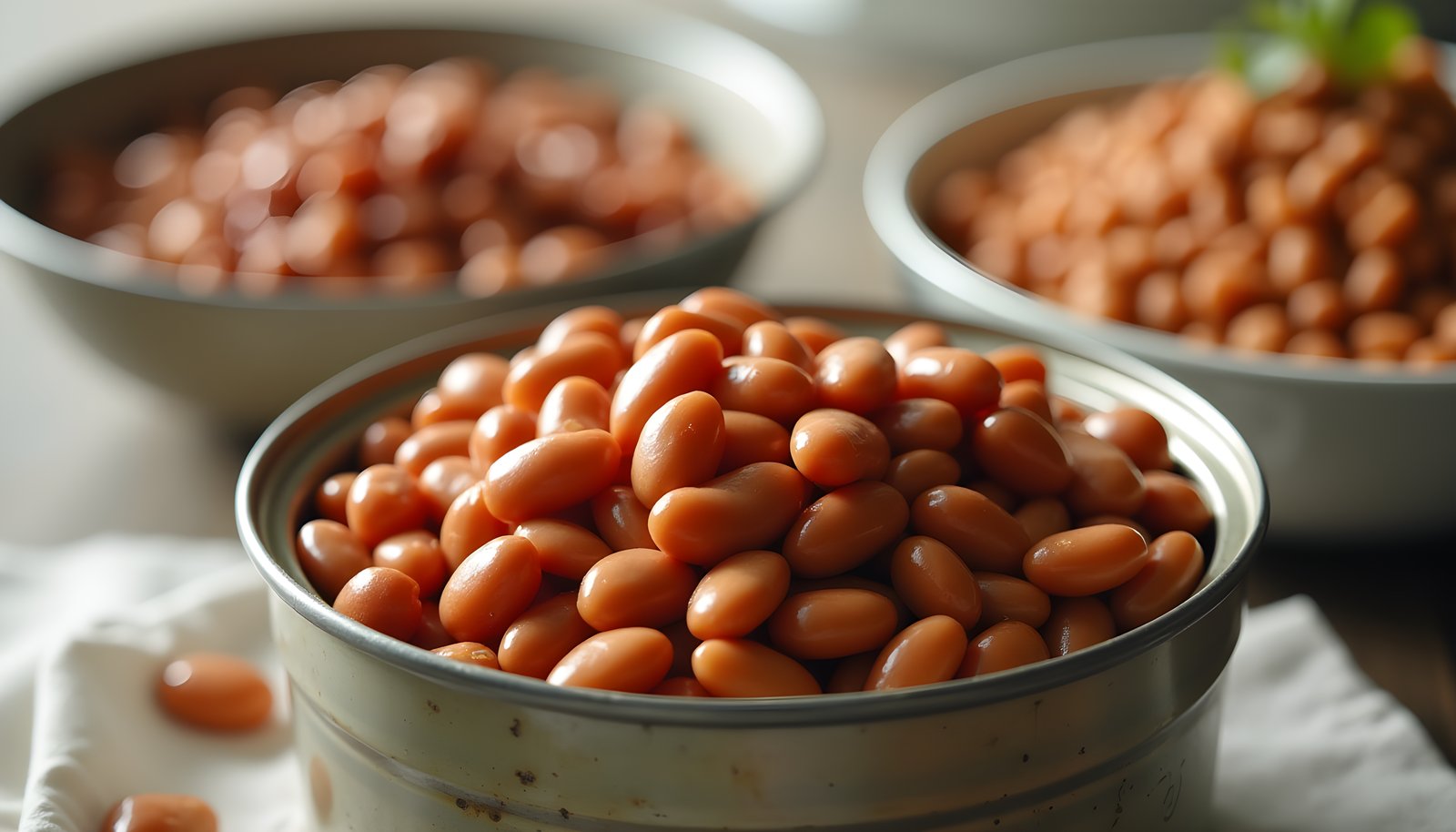
Canned beans fiber holds up well: canned black beans match or beat home cooked ones per calorie, and canned chickpeas tie. Canned pinto and kidney beans come in about 14 to 24% lower per calorie in USDA data, and the bigger losses from the can are folate and the sodium you gain.
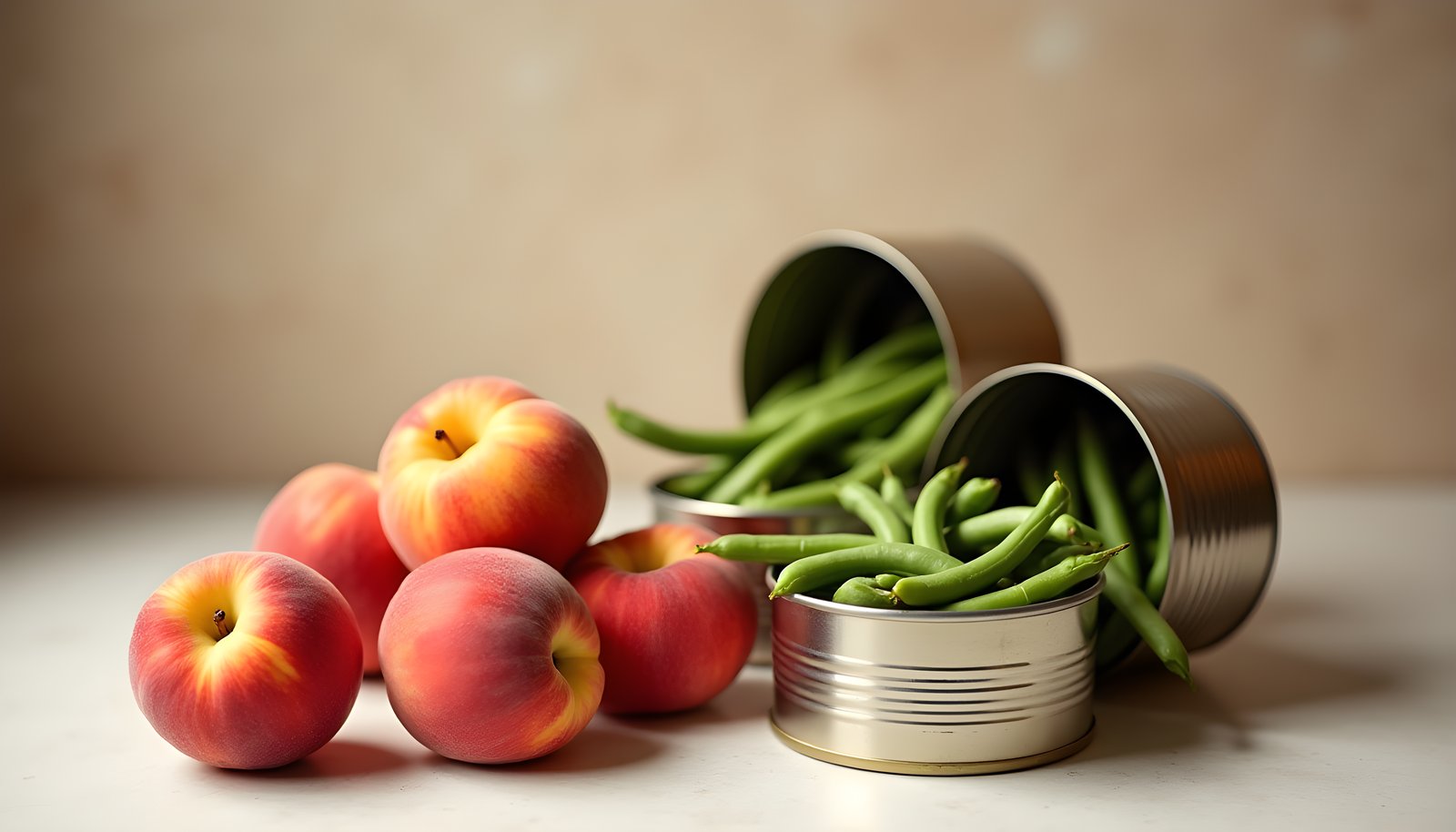
On fresh vs canned fiber, the can usually wins or ties: a cup of canned pumpkin has 7.1 grams of fiber against 2.7 grams for fresh boiled pumpkin, and canned peas, tomatoes and fruit land close to fresh. What canning really changes is sodium, added sugar and vitamin C, and those are easy to manage once you know where to look.
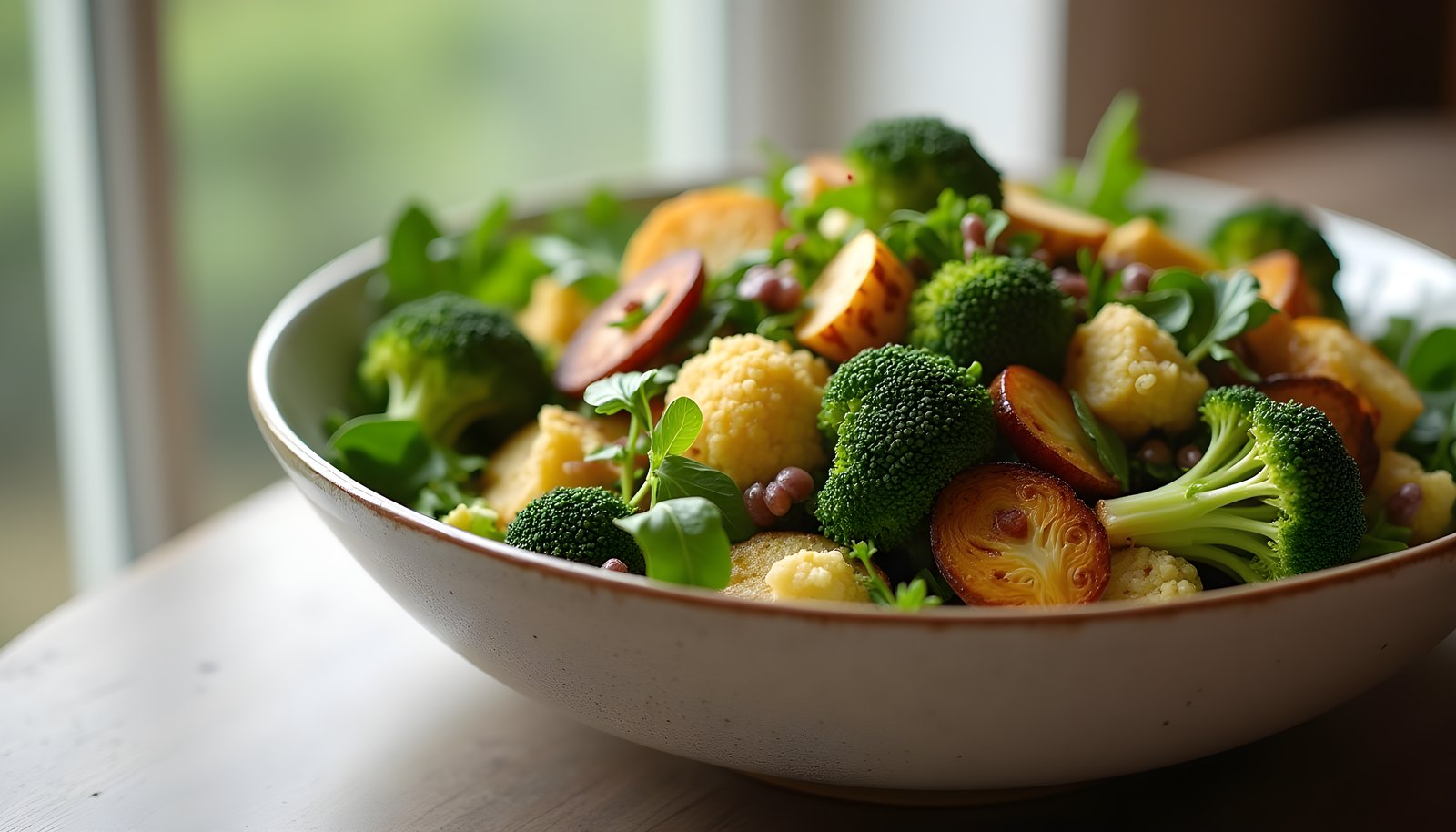
The best high fiber vegetables for weight loss are the non-starchy ones: cauliflower, broccoli, Brussels sprouts and leafy greens give 4 to 6 grams of fiber per cooked cup for under 70 calories. In a study of more than 133,000 adults, these vegetables were linked to weight loss over time, while corn, peas and potatoes were linked to small gains.
Free · 7-day starter guide
Get our Gut Reset Quick-Start when you subscribe
Join 47,000 readers getting the Weekly Fiber Digest — research roundups, recipes, and discounts every Thursday.