Discover the most popular fiber articles this week. From gut health to weight loss, these trending reads are backed by science and chosen by our community.
How Much Fiber Do You Actually Need?
Most people have no idea. Enter your age, gender, and activity level — get your personalized daily target in seconds.
No. Organic eggs fiber content is 0 grams, exactly like conventional eggs, because no egg contains fiber. The organic seal is a farming standard covering feed and outdoor access for the hens, not a nutrition upgrade, though a few feed choices do change what ends up in the yolk.
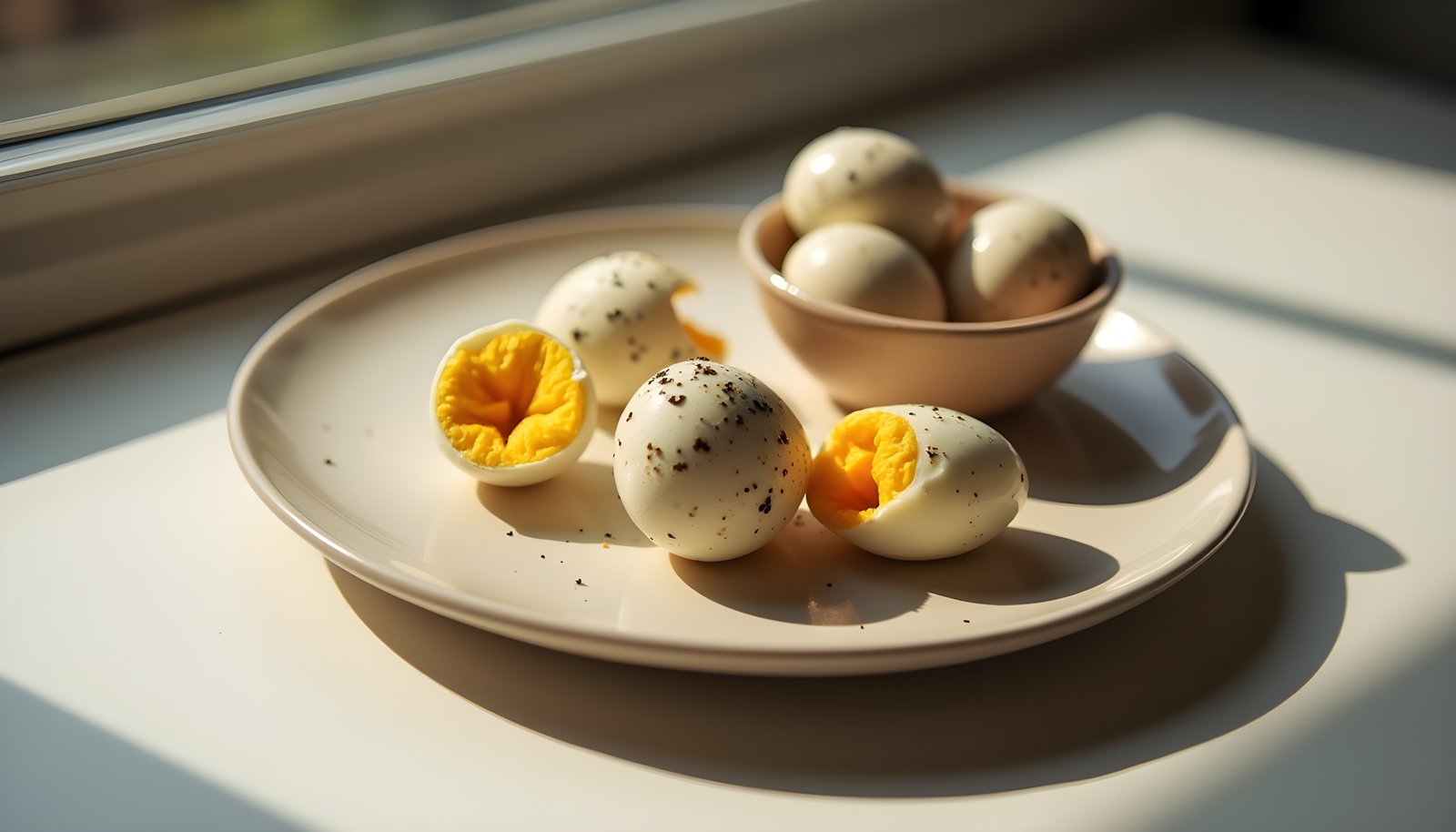
Quail eggs fiber content is 0 grams, whether you eat one or a dozen. Each 9 gram egg brings about 14 calories and 1.2 grams of protein, and by weight quail eggs carry nearly twice the riboflavin and iron of chicken eggs, along with far more cholesterol.
On chicken vs duck eggs fiber, the result is a tie at 0 grams, so neither egg is the higher fiber choice. The real differences are elsewhere: duck eggs win on B12 and iron, while chicken eggs give more protein per calorie and far less cholesterol.
Duck eggs fiber content is 0 grams, the same as a chicken egg. The surprise is everything else: one 70 gram duck egg carries about 158 percent of the Daily Value for vitamin B12, plus about 9 grams of protein and nearly half your selenium.
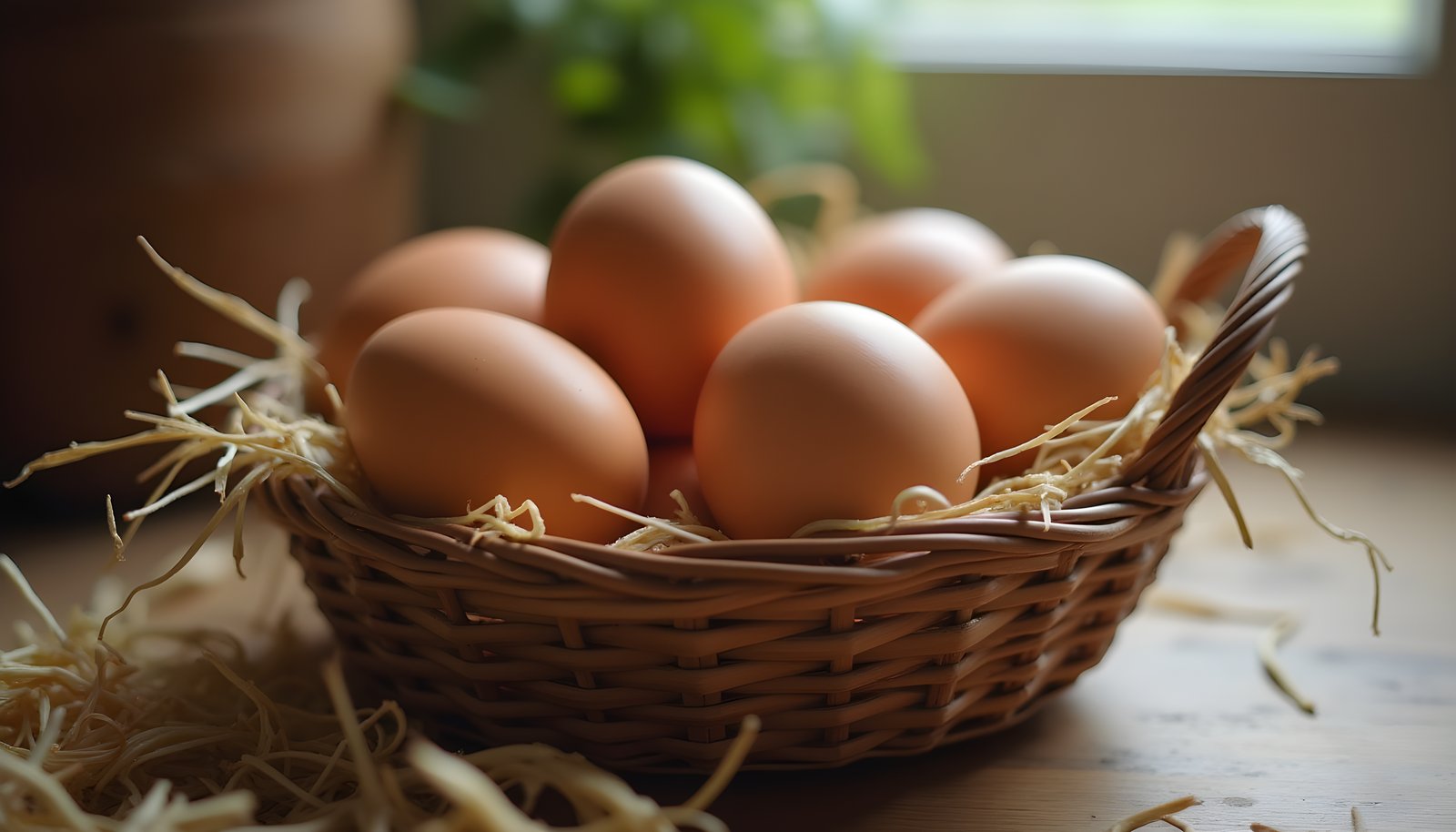
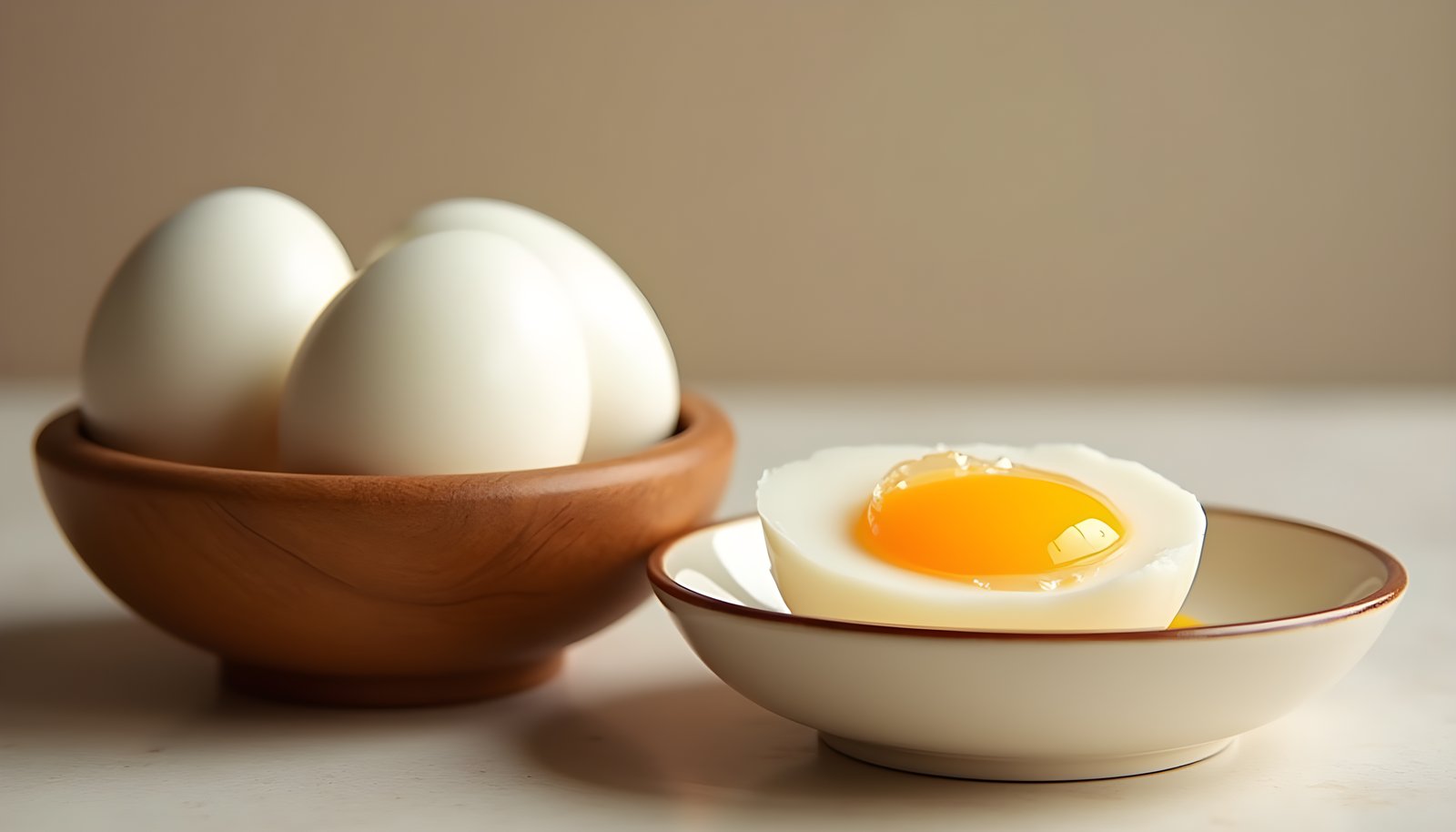
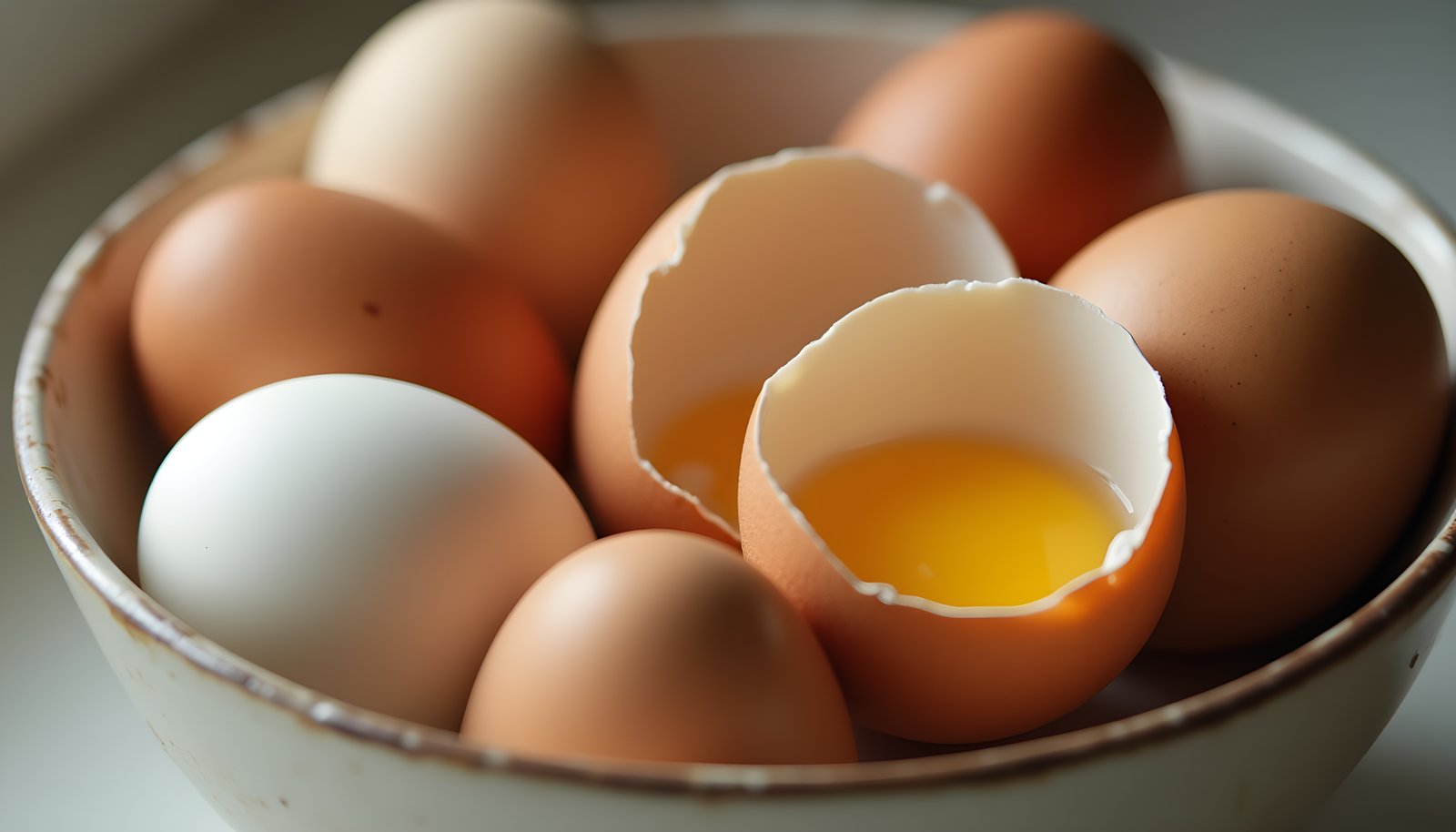
Chicken eggs fiber content is zero in every size, grade and shell color, from a peewee to a jumbo. What the carton label does change is how much protein, choline and selenium you get, so here’s how to read it and where to find the fiber instead.
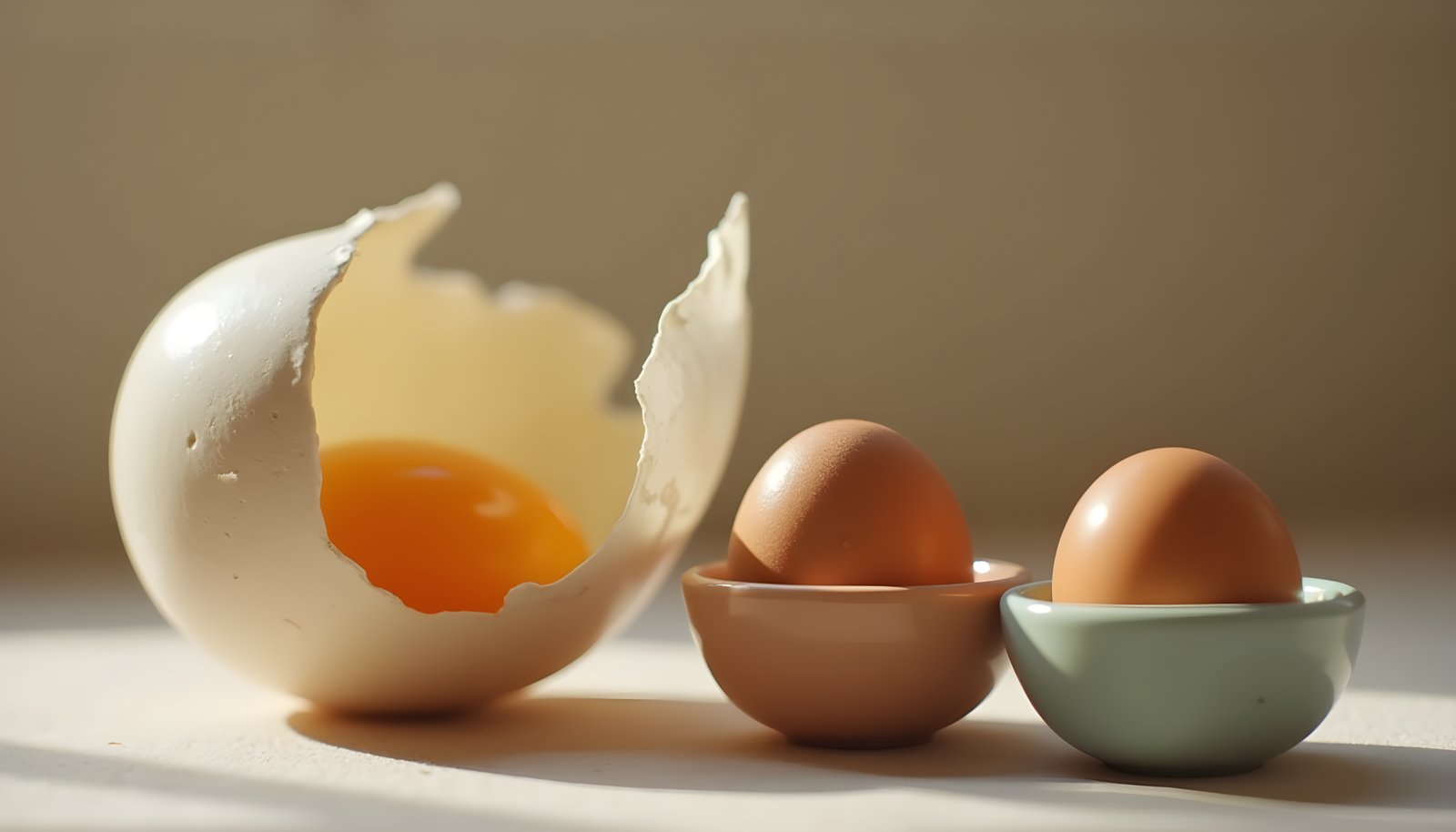
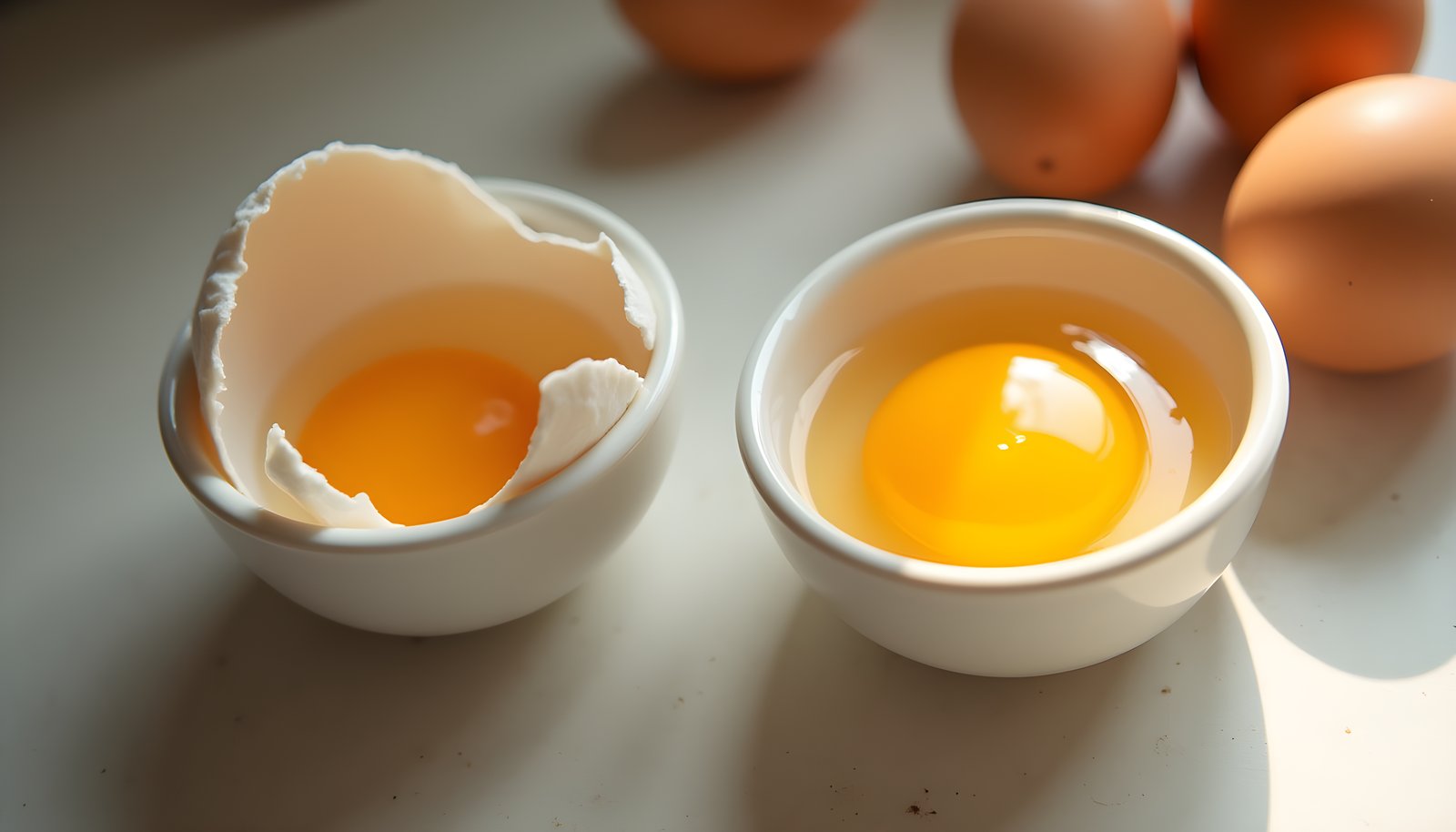
On egg whites vs yolks fiber, it’s a tie: USDA lists 0 grams in both, so a whole egg has none either. What does differ is everything else, since the yolk holds 43 percent of a large egg’s protein plus nearly all its choline, vitamin D and B12.
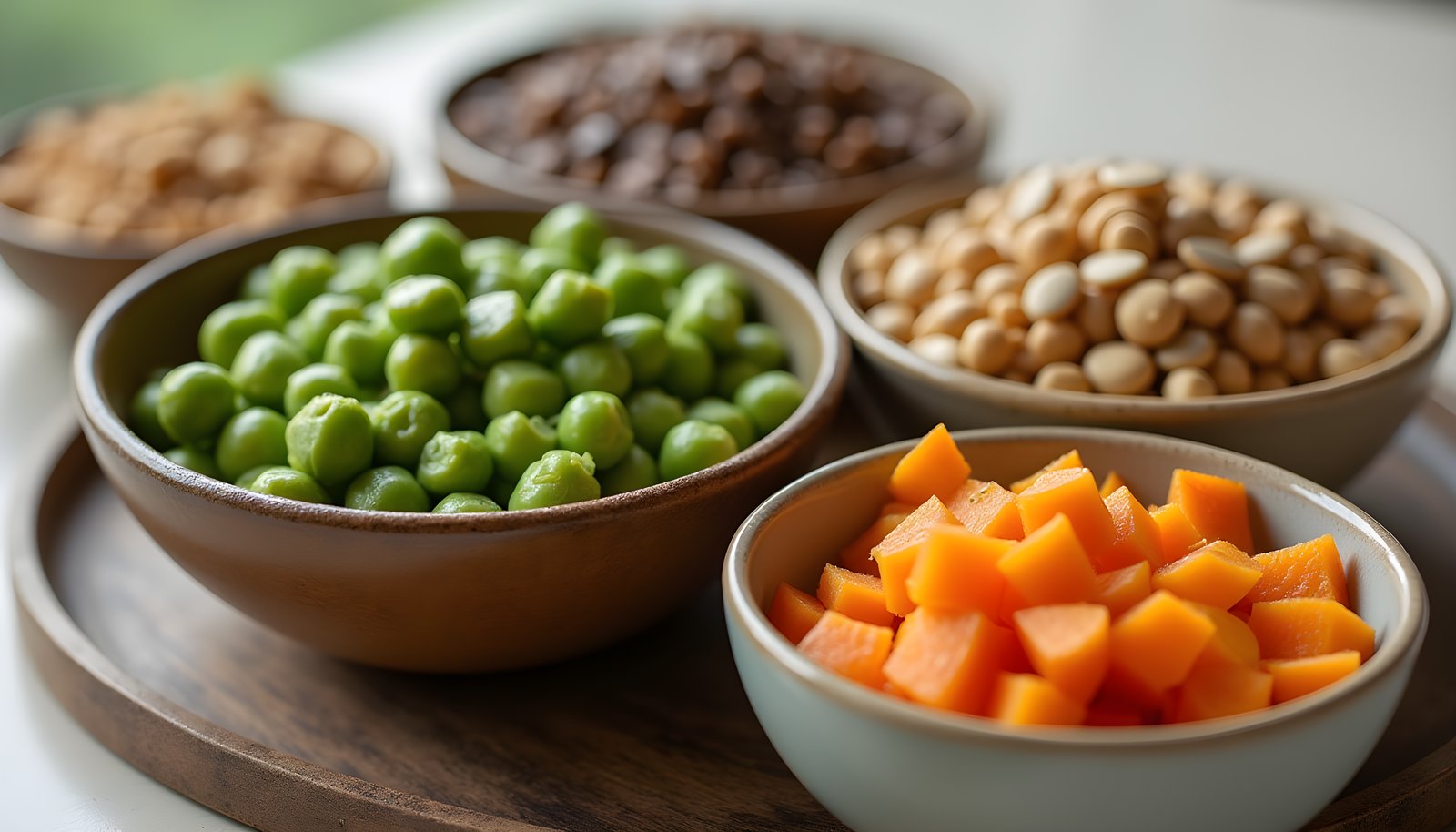
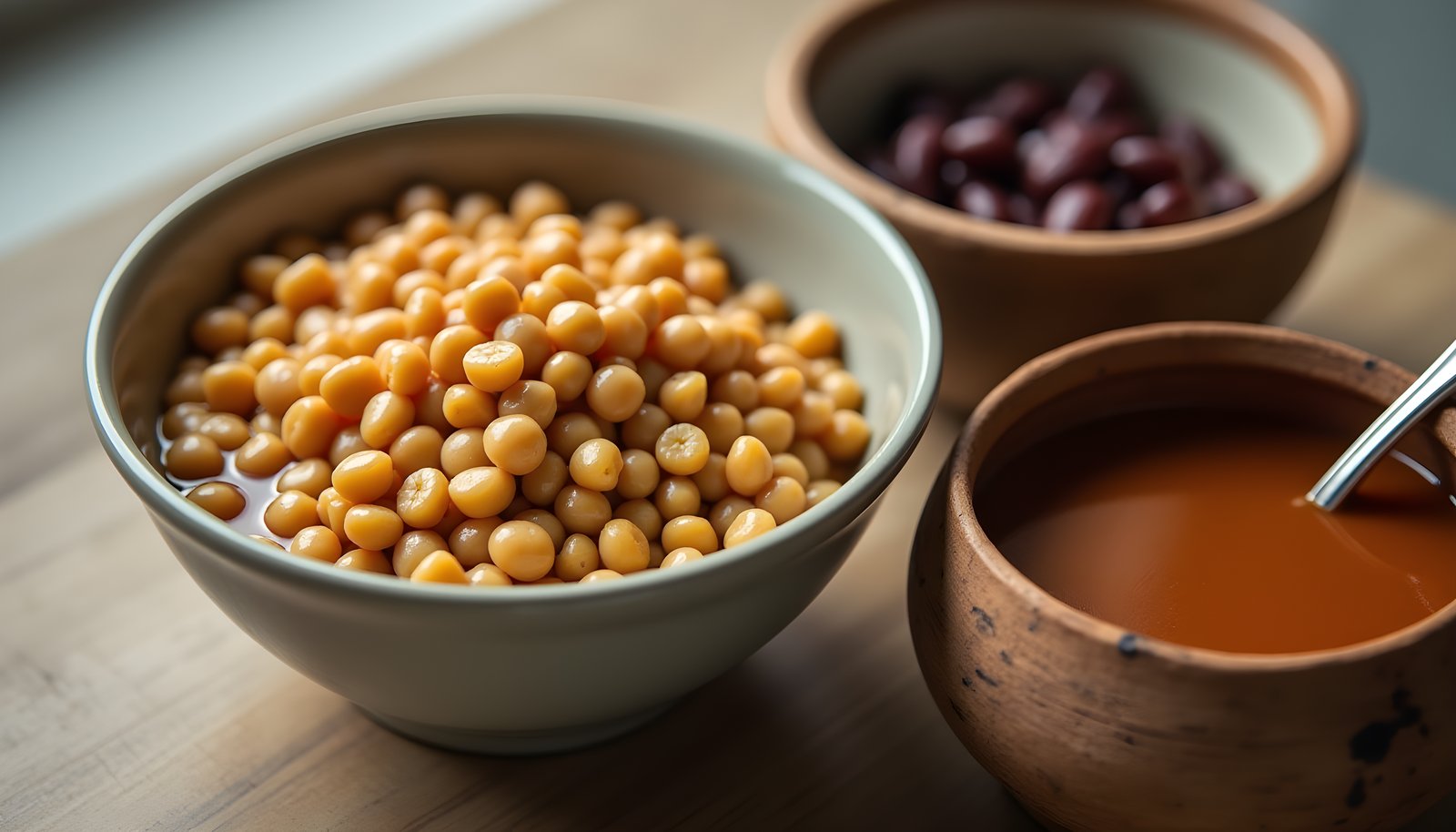
The high protein high fiber foods that clear both FDA label bars, at least 10 grams of protein and 5.6 grams of fiber per serving, are almost all legumes: split peas, lentils, navy, pinto, black and mung beans, chickpeas and edamame. Most other protein foods clear only one.
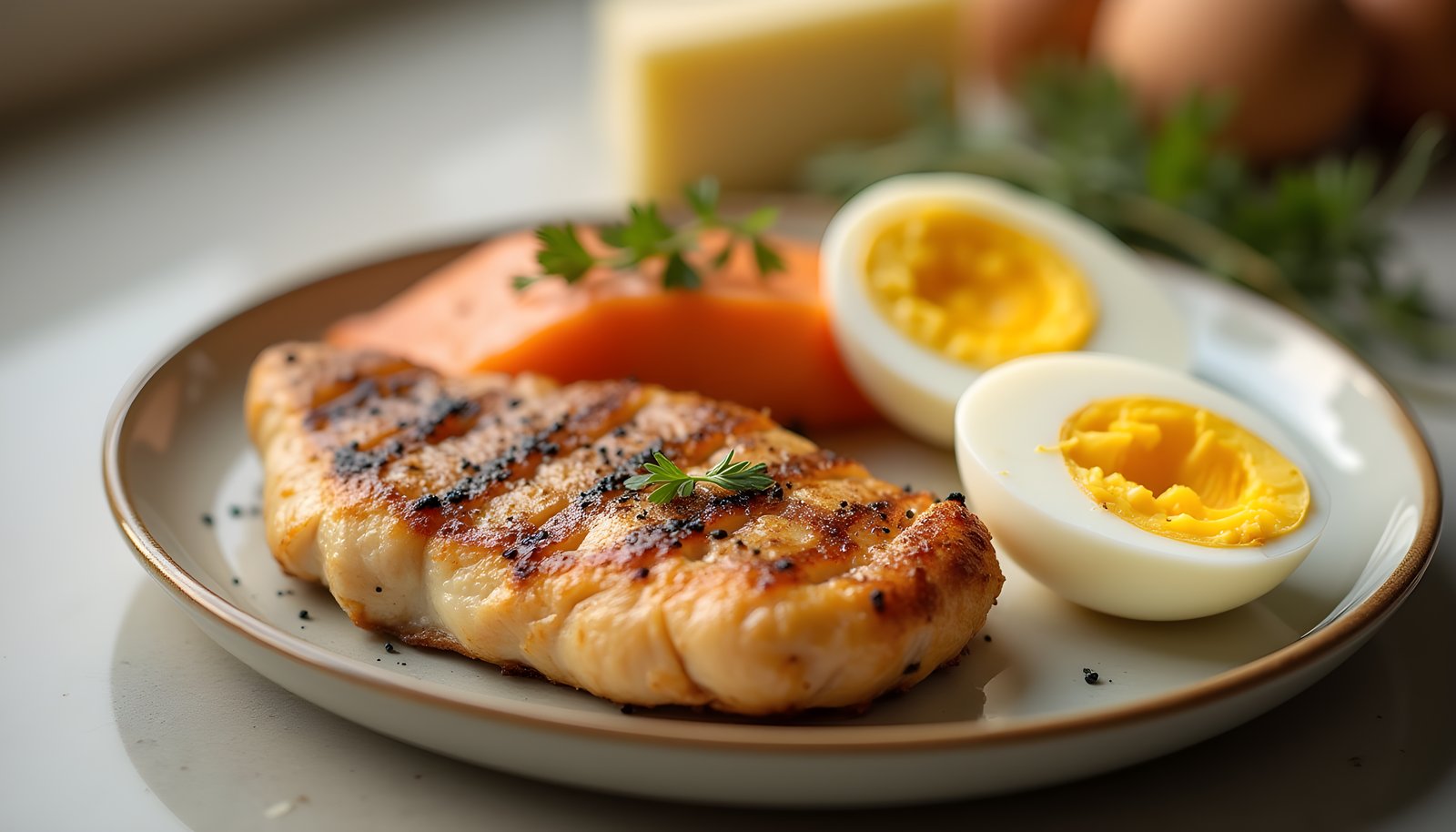
Almost no animal protein fiber exists: meat, fish, dairy and eggs all list 0 grams in USDA data. The one true exception is insects, whose chitin counts toward fiber, so whole cricket powder carries 6.7 grams of fiber per 100 grams along with 67 grams of protein.
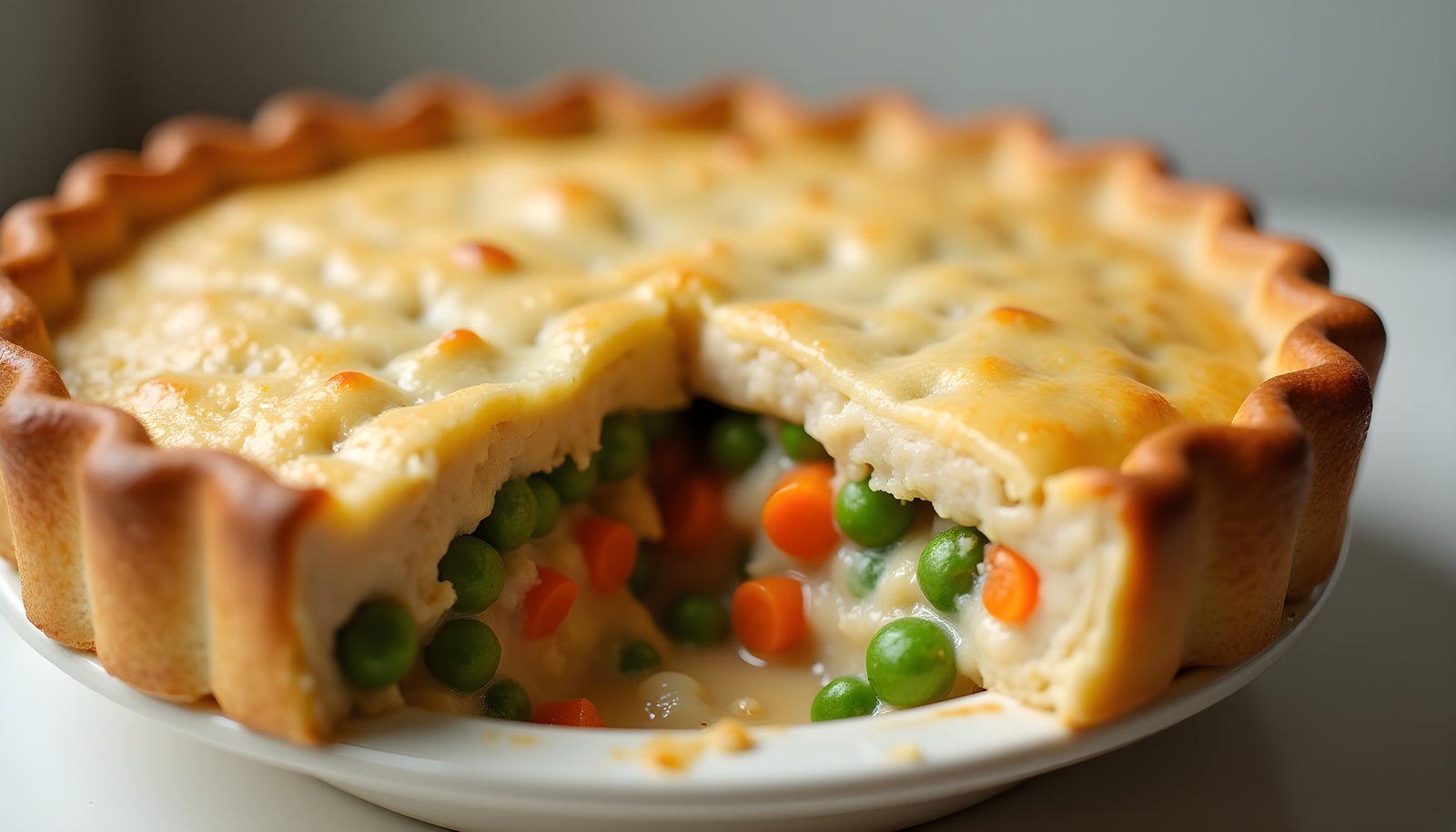
Plain meats fiber content is 0 grams, whether it’s chicken, beef, pork, lamb or fish. The meat foods that do list fiber get it from plant ingredients, and in USDA data a frozen turkey pot pie leads with 4.4 grams per serving, while whole grain breaded nuggets bring 2 grams.
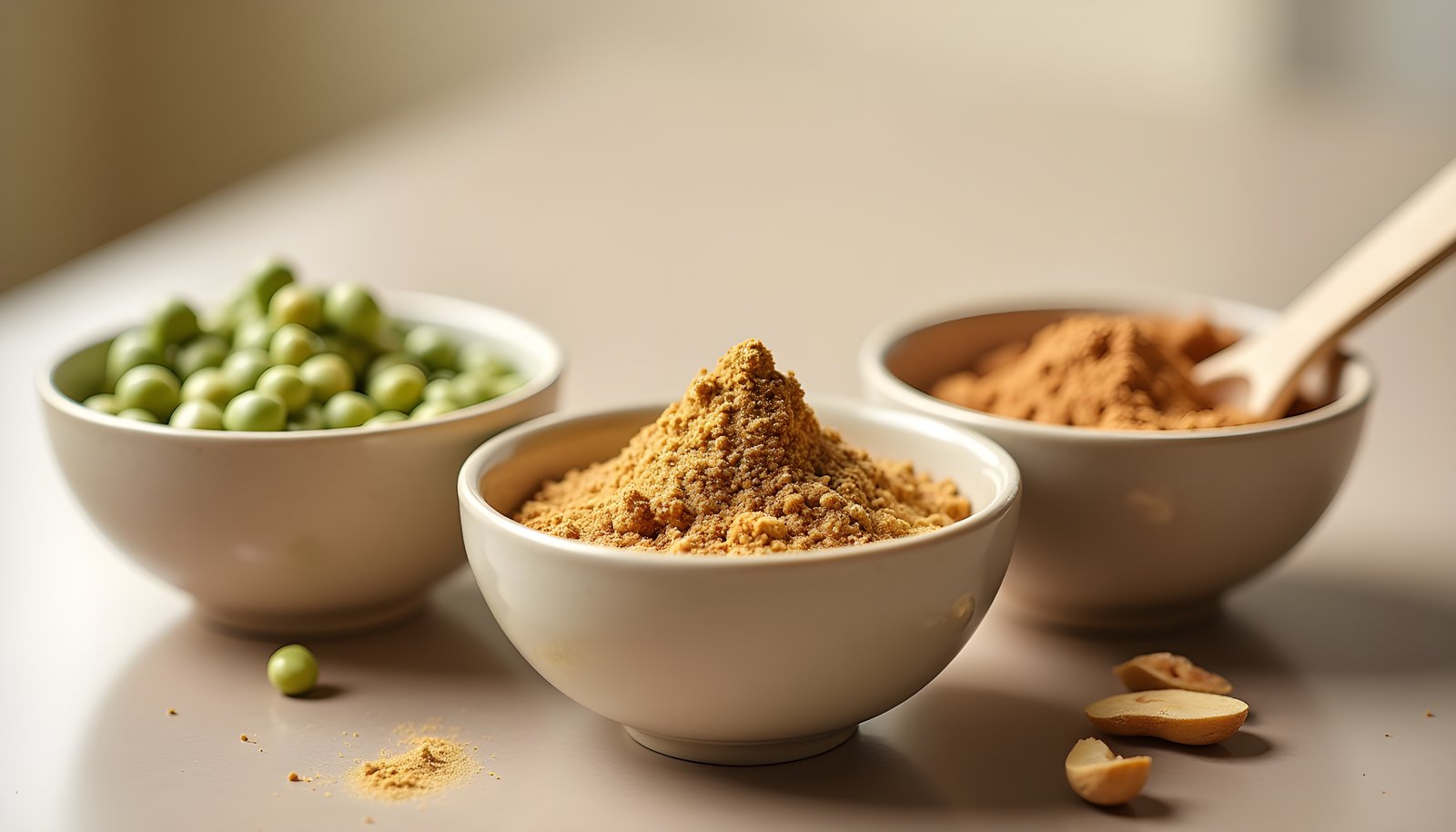
The protein powders with most fiber are made from whole seed or legume flours: a hemp protein powder at 26 percent fiber, defatted soy flour at 17.5 grams per 100 grams and peanut flour at 15.8. Isolates of soy, pea and whey, plus egg white and gelatin, carry 0 grams.
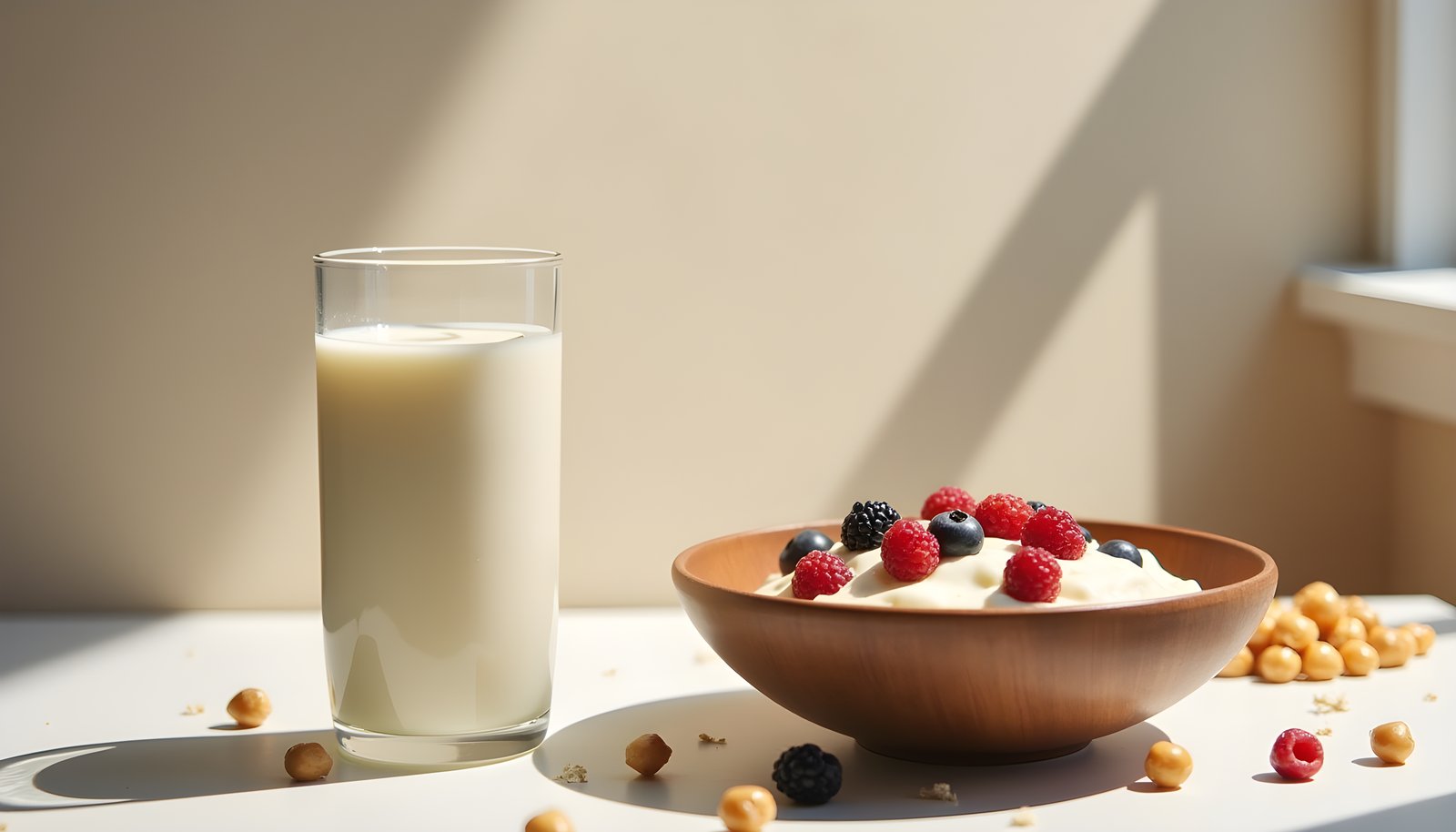
For vegetarian protein fiber, legumes lead: a cup of lentils has 15.6 grams of fiber with 17.9 grams of protein. Eggs, dairy and most dairy alternatives add little or none, and unsweetened oat milk shows 0 grams of fiber per 100 grams in USDA data.
Gram for gram, navy beans are the vegan protein with most fiber, at 10.4 grams per 100 grams cooked, followed by black beans, split peas and lentils. Tofu, lupini and seitan carry far more protein per gram but only 0.5 to 2.8 grams of fiber.
Free · 7-day starter guide
Get our Gut Reset Quick-Start when you subscribe
Join 47,000 readers getting the Weekly Fiber Digest — research roundups, recipes, and discounts every Thursday.