Discover the most popular fiber articles this week. From gut health to weight loss, these trending reads are backed by science and chosen by our community.
How Much Fiber Do You Actually Need?
Most people have no idea. Enter your age, gender, and activity level — get your personalized daily target in seconds.
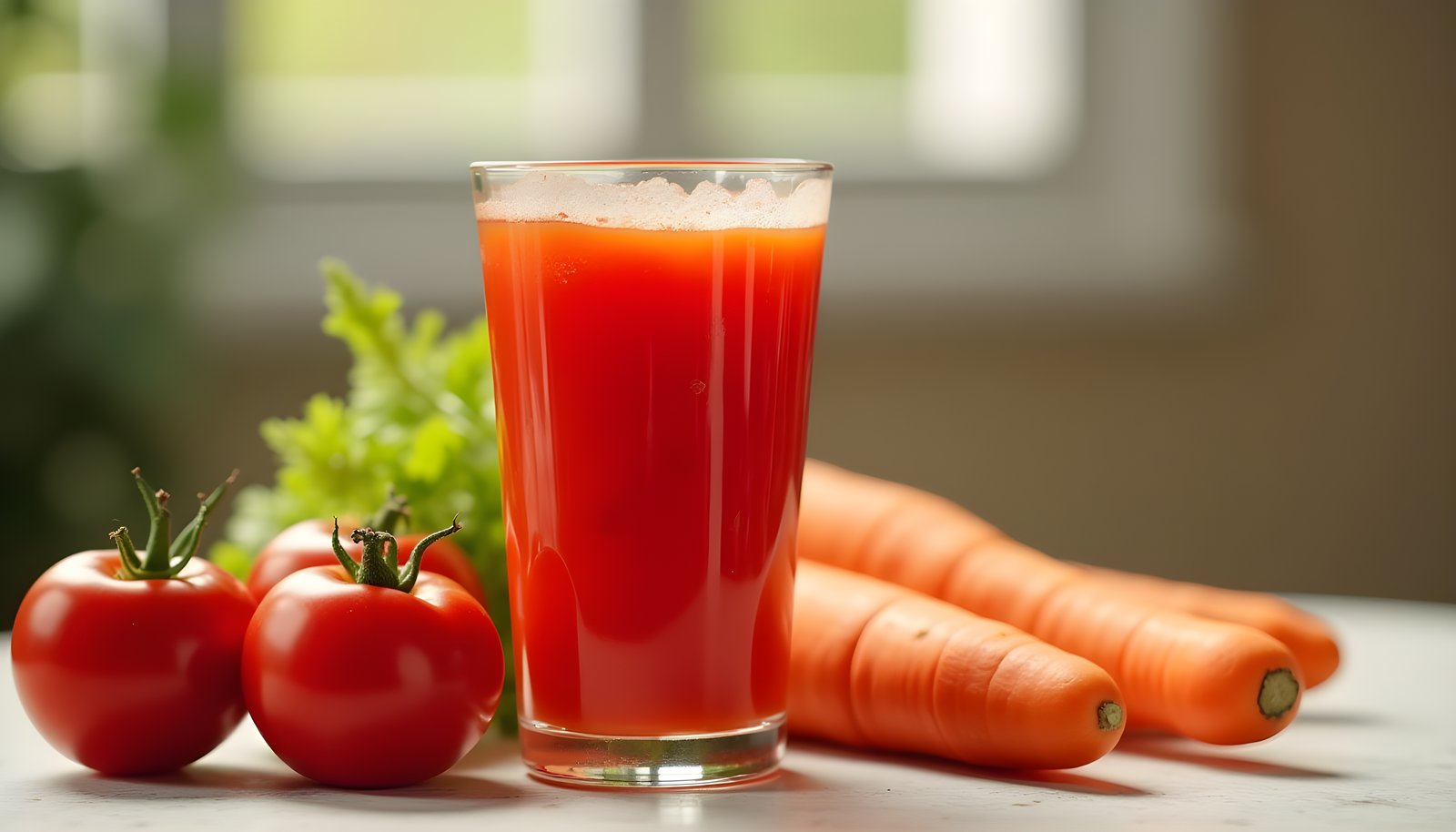
Vegetable juice fiber is low: most bottles and USDA records land between 1 and 2 grams per cup. Blending whole vegetables, as in gazpacho or a homemade tomato, carrot and celery drink, can roughly triple that.
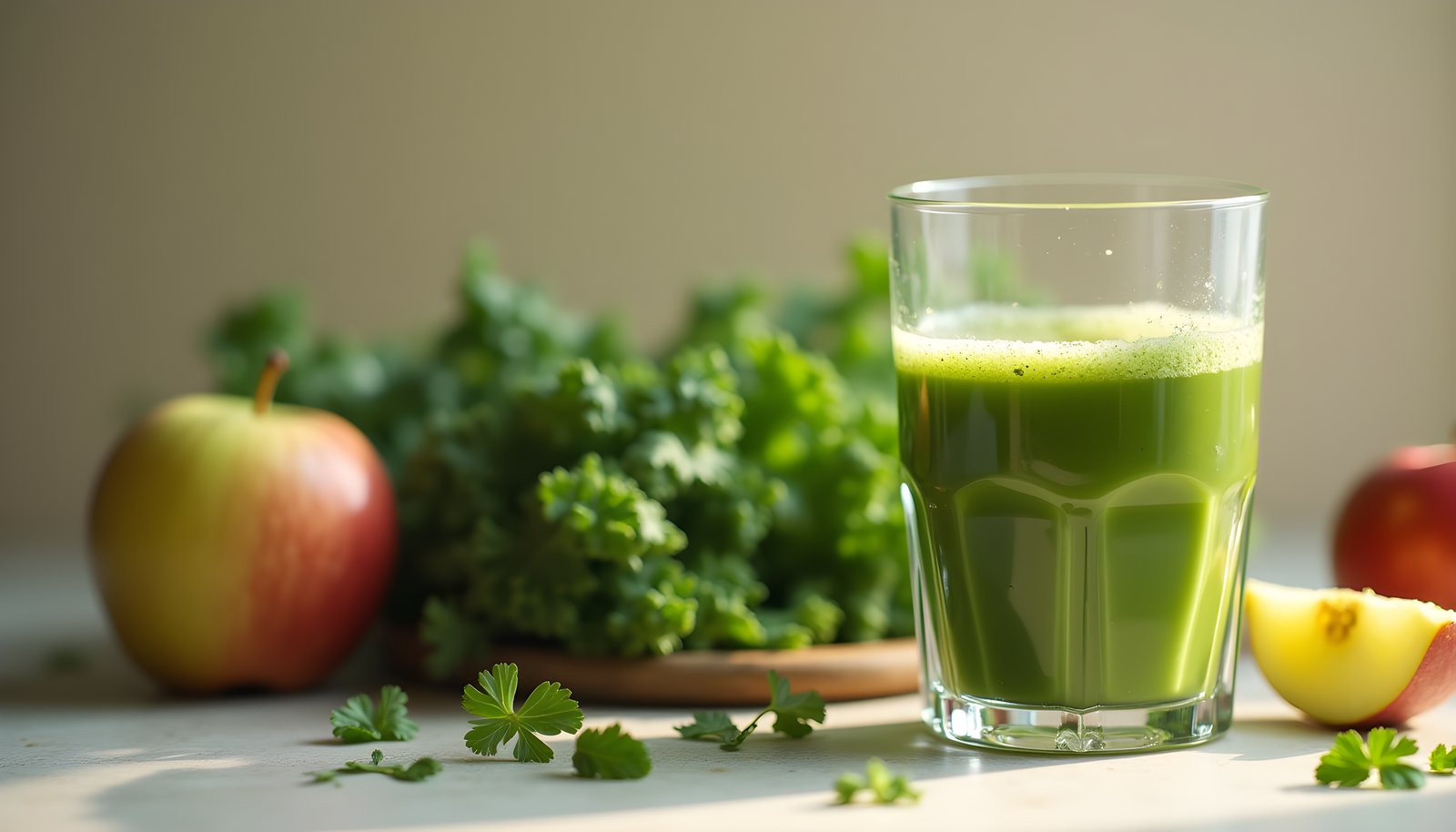
On green juice vs smoothie fiber, the smoothie wins easily: bottled green juices list 0 to 3 grams, while a blended glass of greens, pear and chia can pass 15 grams. Juicing strips out most of the fiber that blending keeps.
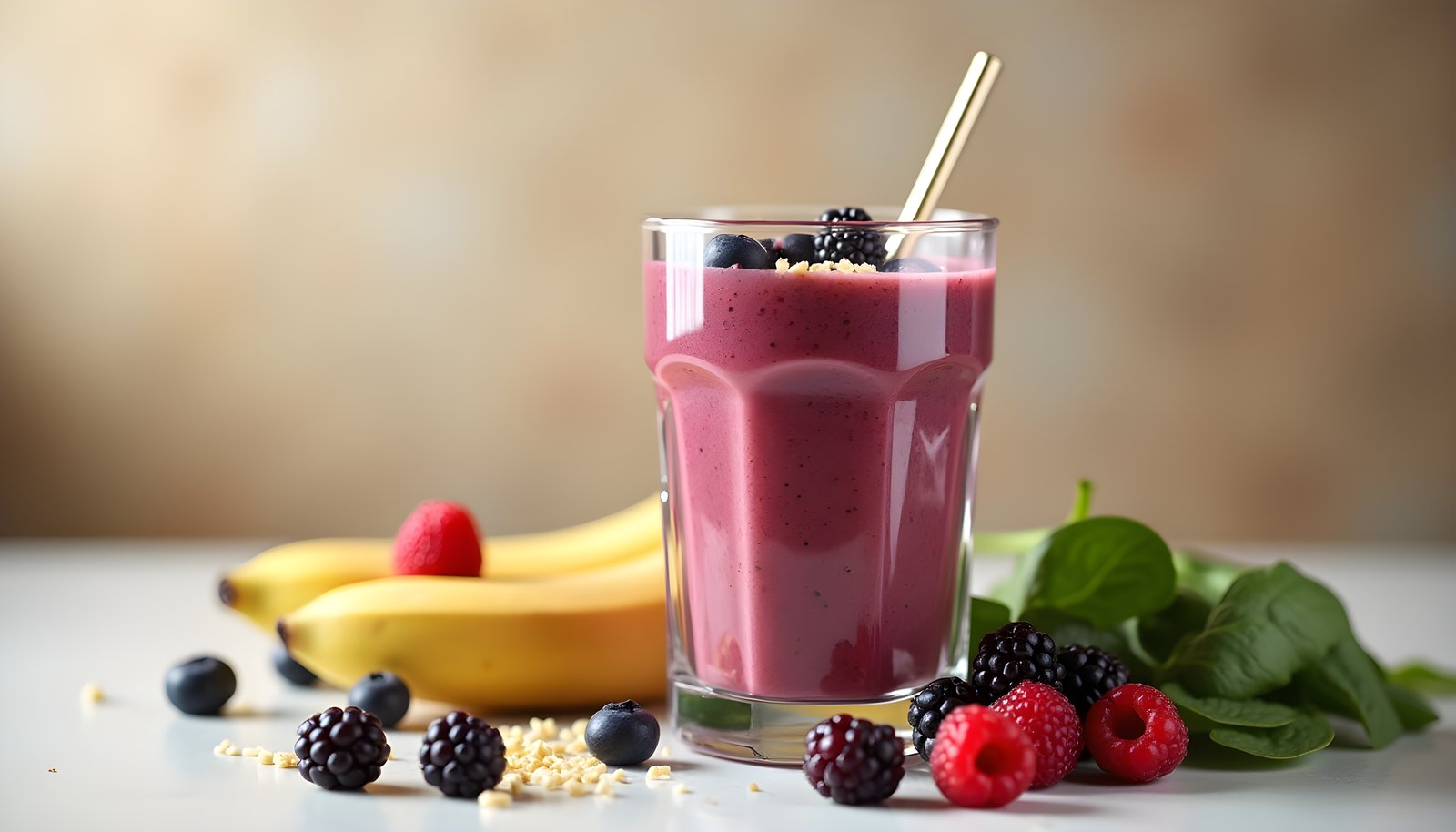
Yes, smoothies keep their fiber when you blend whole fruit, because the blender breaks food into smaller pieces without removing it. Smoothies fiber drops when the base is juice, which is why many bottled smoothies land near 1 or 2 grams.
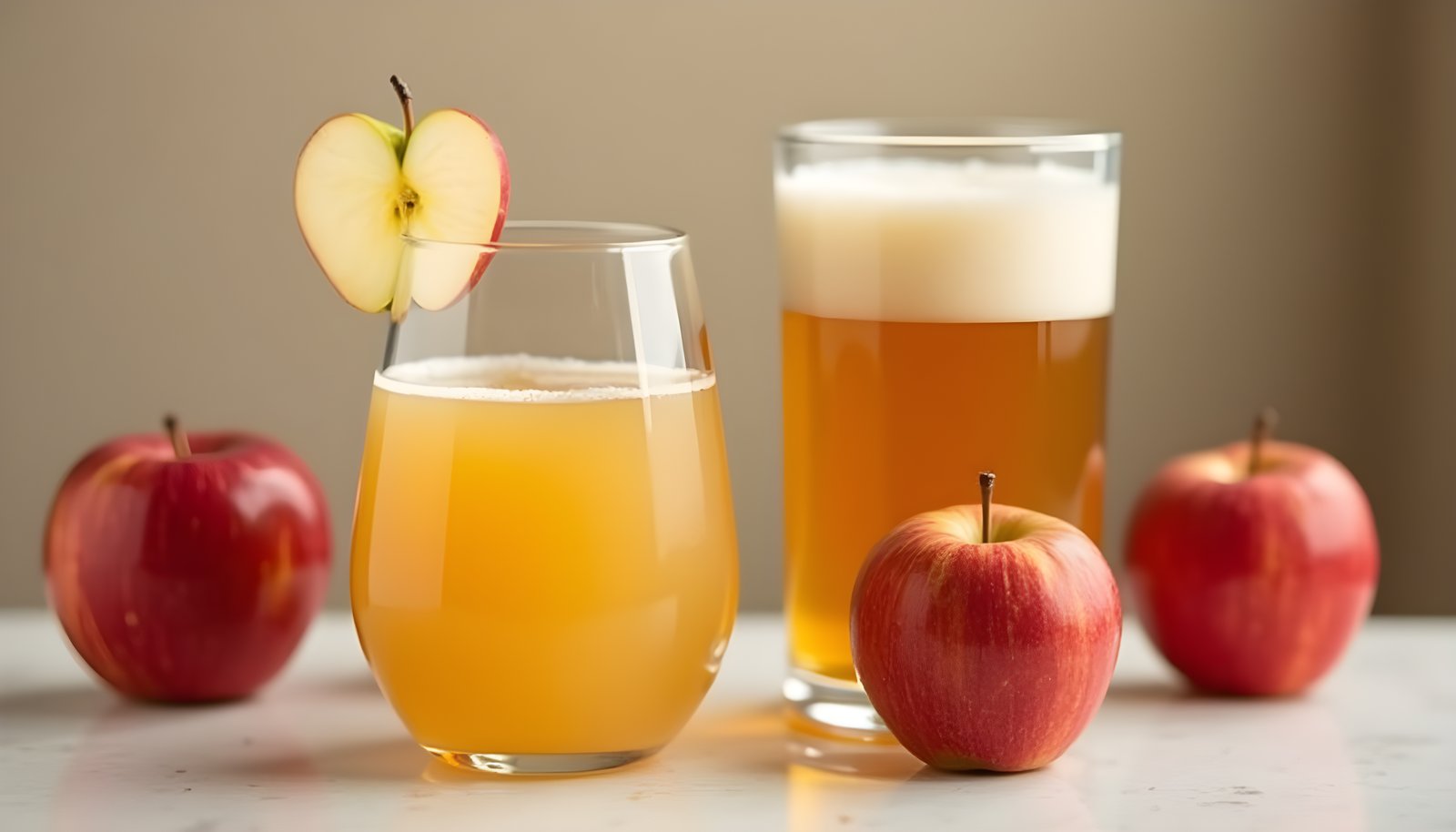
Apple juice fiber comes to about 0.5 grams per cup, roughly a tenth of what a medium apple gives. Even cloudy, unfiltered cider lists under 1 gram, and most of the vitamin C in many apple juices is added.
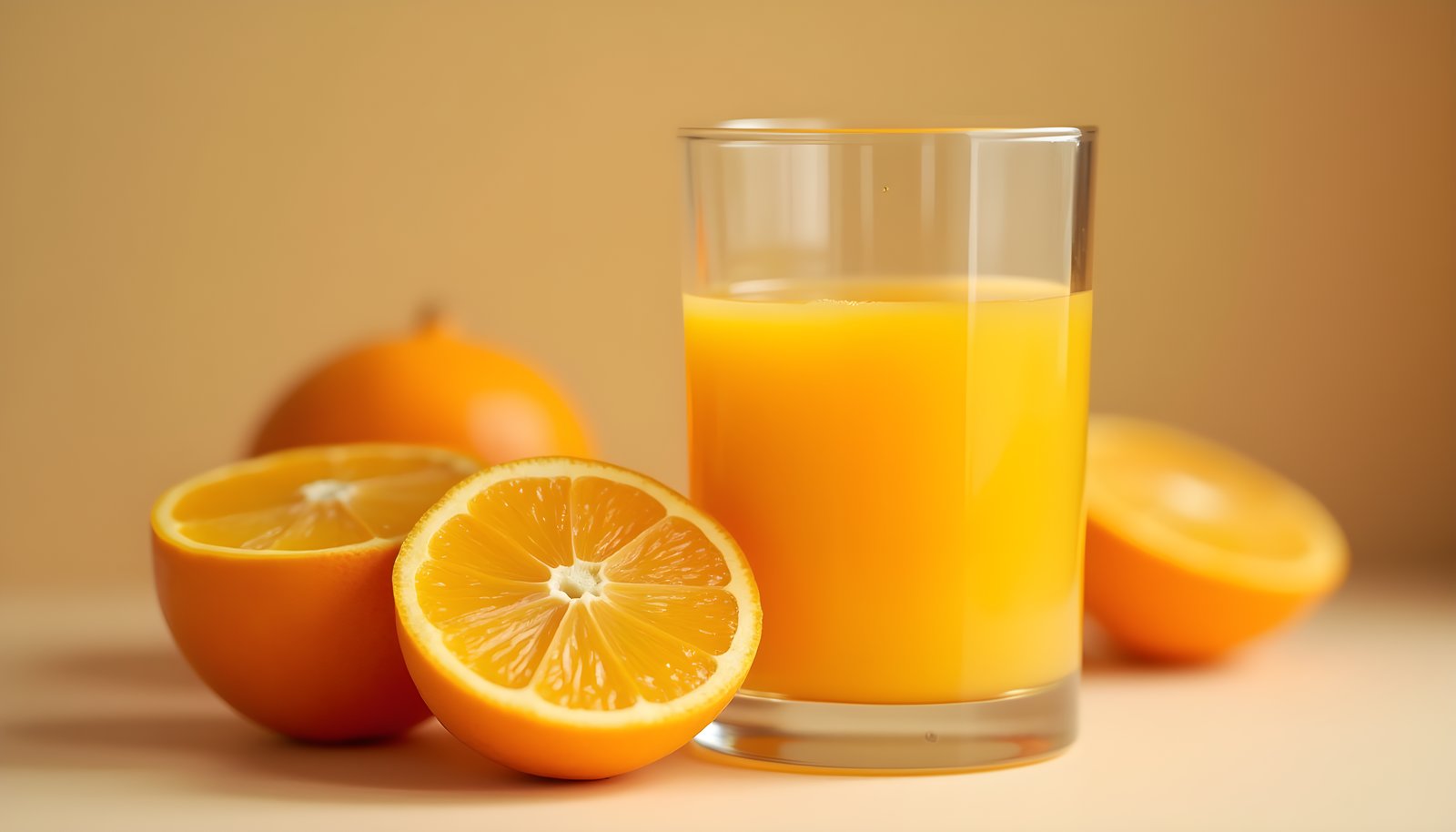
A cup of orange juice has about 0.5 grams of fiber, and most cartons list 0 grams whether they’re pulp free or extra pulp. Orange juice fiber barely changes with pulp content, so the fiber has to come from the rest of the meal.
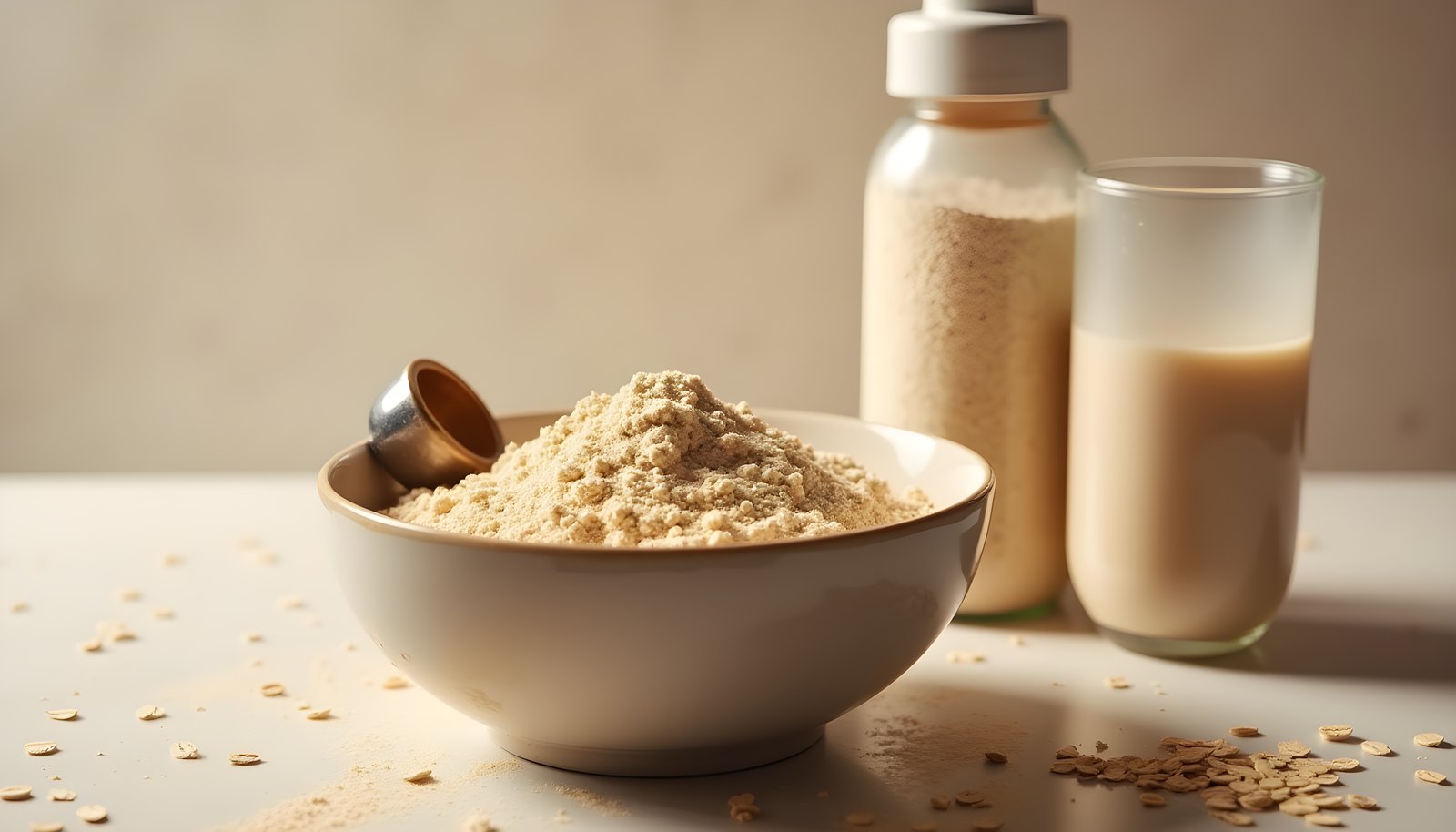
The best protein powder with fiber in our comparison has no added fiber at all: plain hemp protein lists 11 grams per scoop. Blended powders reach 6 to 8 grams with added fibers, while whey and pea isolates land under 1 gram.
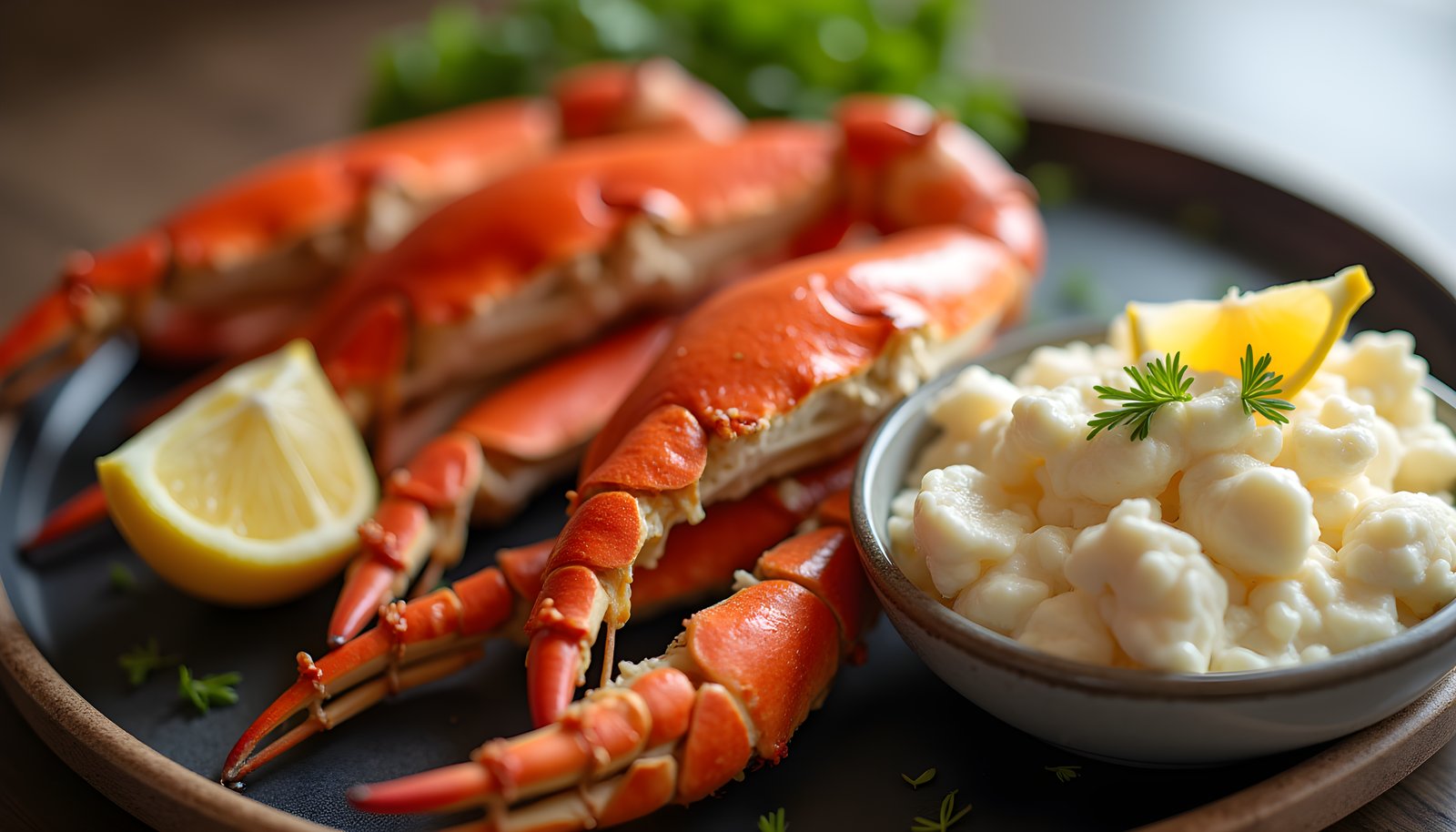
Real crab has 0 grams of fiber, whether it’s blue, Dungeness, snow or king crab. The crab fiber surprise is imitation crab, which lists a trace, but every useful gram at a crab dinner still comes from the sides.
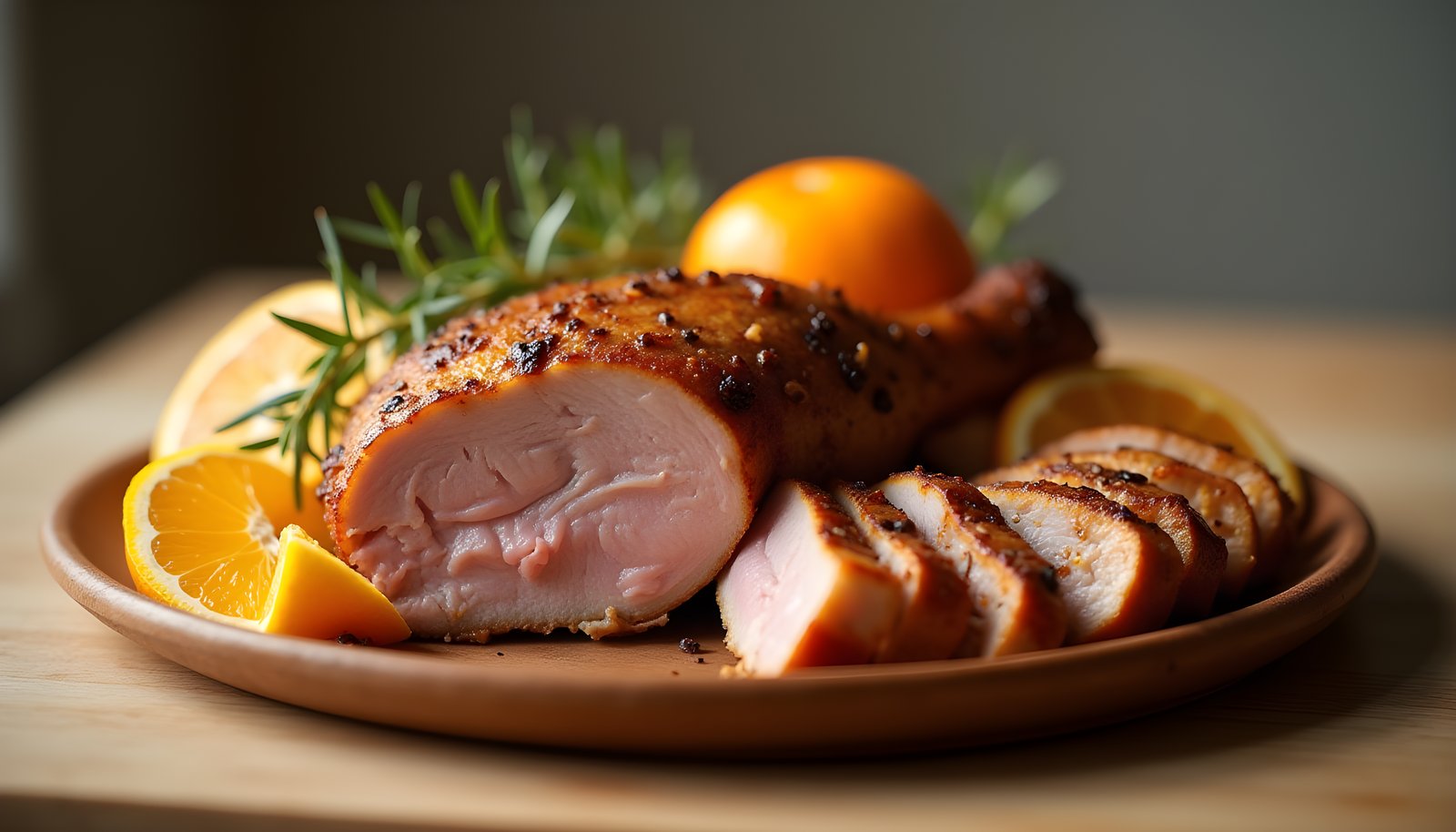
Duck has 0 grams of fiber, whether you eat the breast, the leg or the crispy skin. Duck fiber only comes from the sides you serve, and the skin, not the meat, carries most of the fat that gives duck its rich reputation.
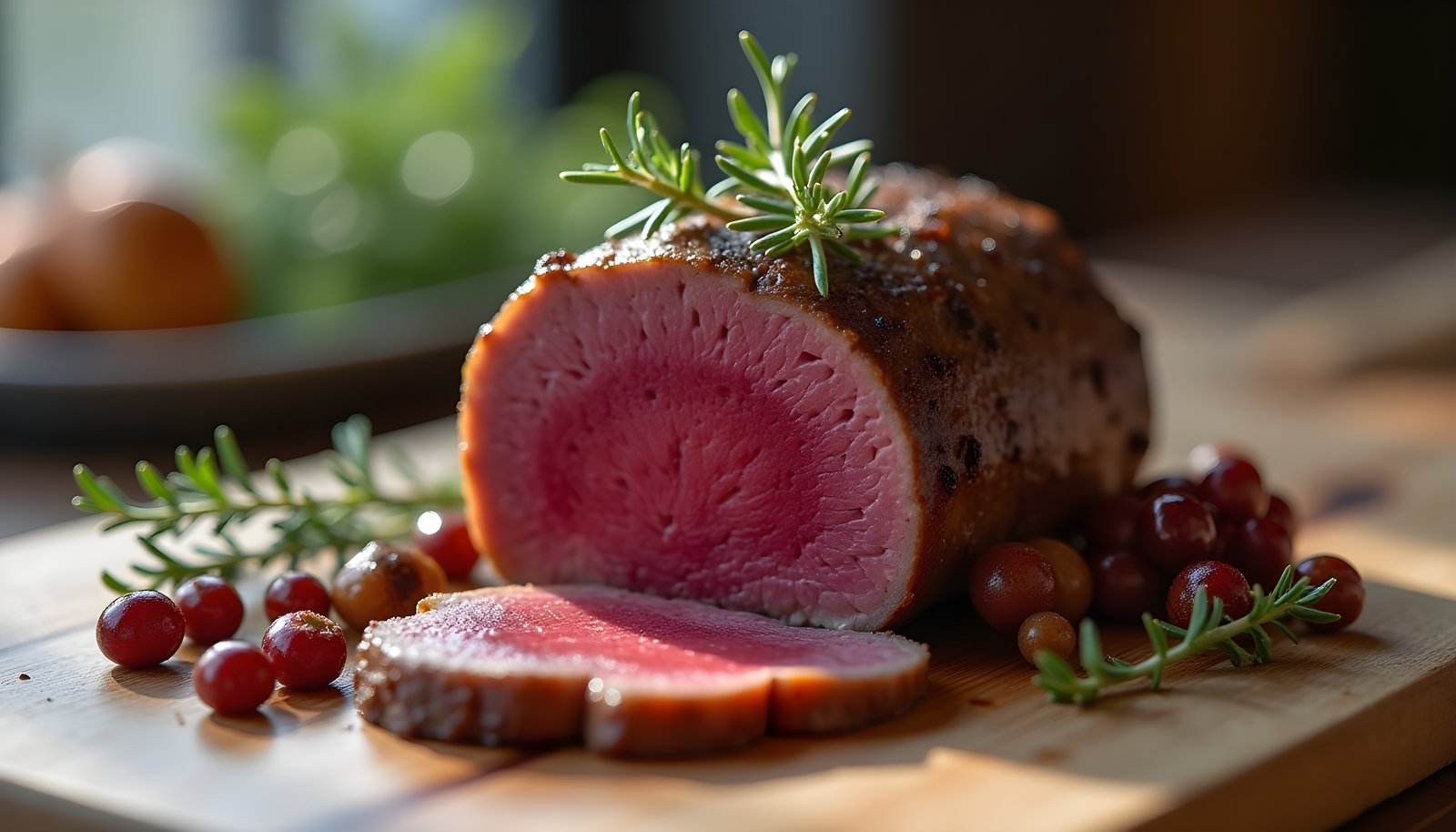
Venison has 0 grams of fiber in every cut, from tenderloin to ground meat and jerky. Venison fiber has to come from the beans, grains and vegetables you cook with it, and while the meat is very low in fat, it runs higher in cholesterol than many beef steaks.
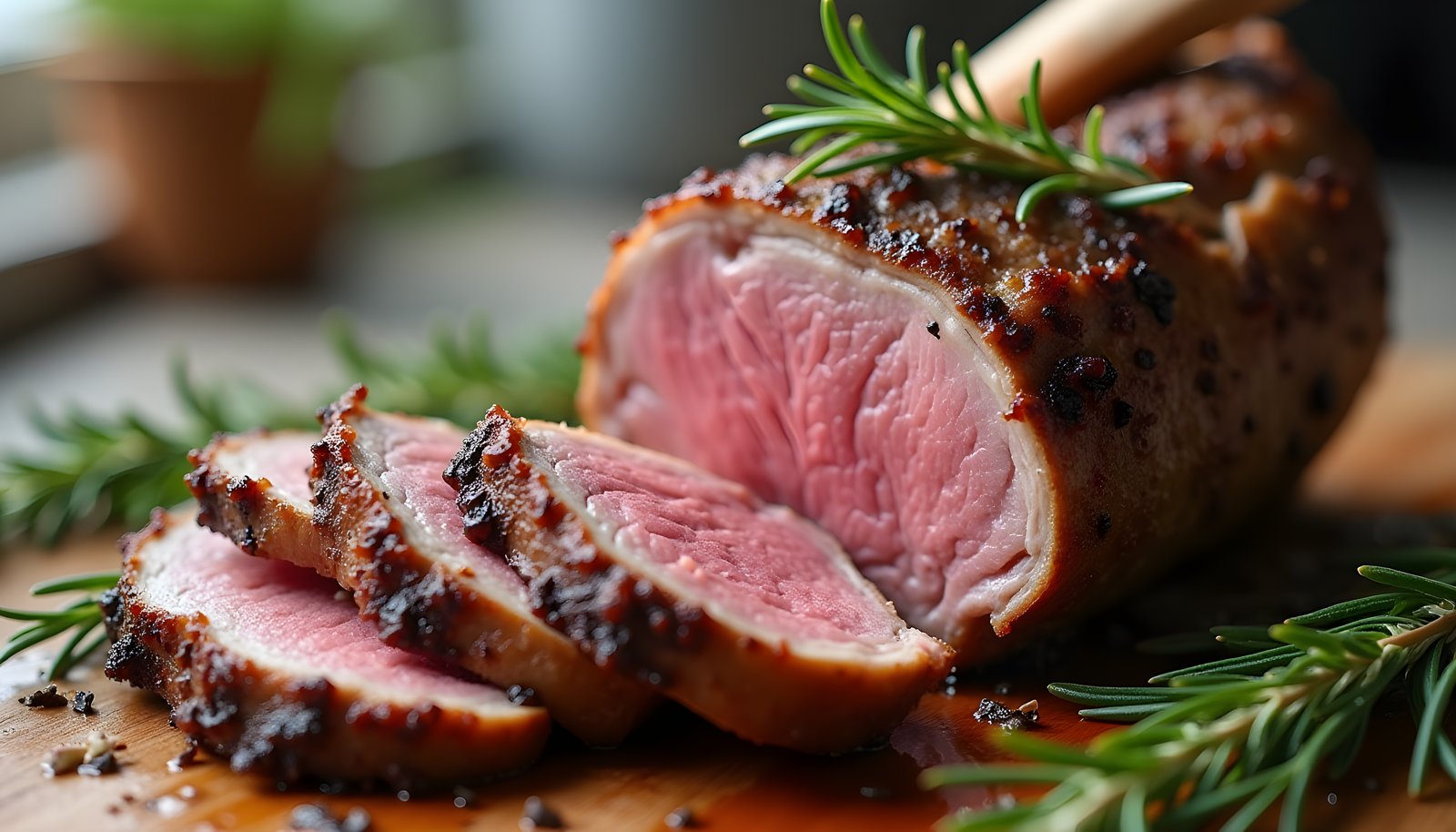
Lamb has 0 grams of fiber in every cut, from lean roasted leg to a fatty rib rack. Lamb fiber only shows up when a dish adds plants like chickpeas, peas or bulgur, while the cut you choose can change the fat by more than four times.
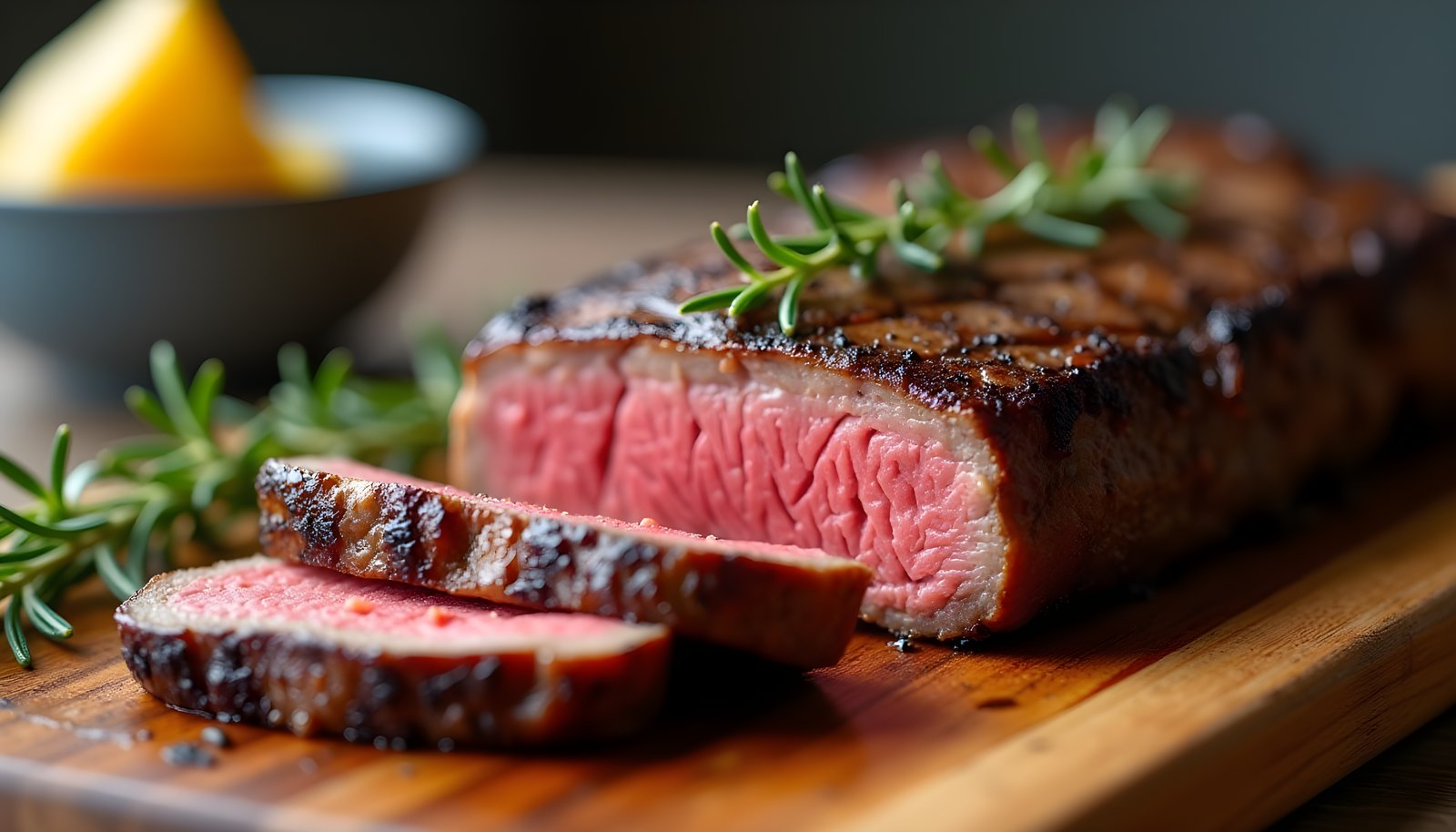
Steak has 0 grams of fiber, whether it’s a lean top round or a marbled ribeye. Steak fiber comes entirely from the sides, so the cut you order mainly changes the fat, and the plate around it decides the fiber.
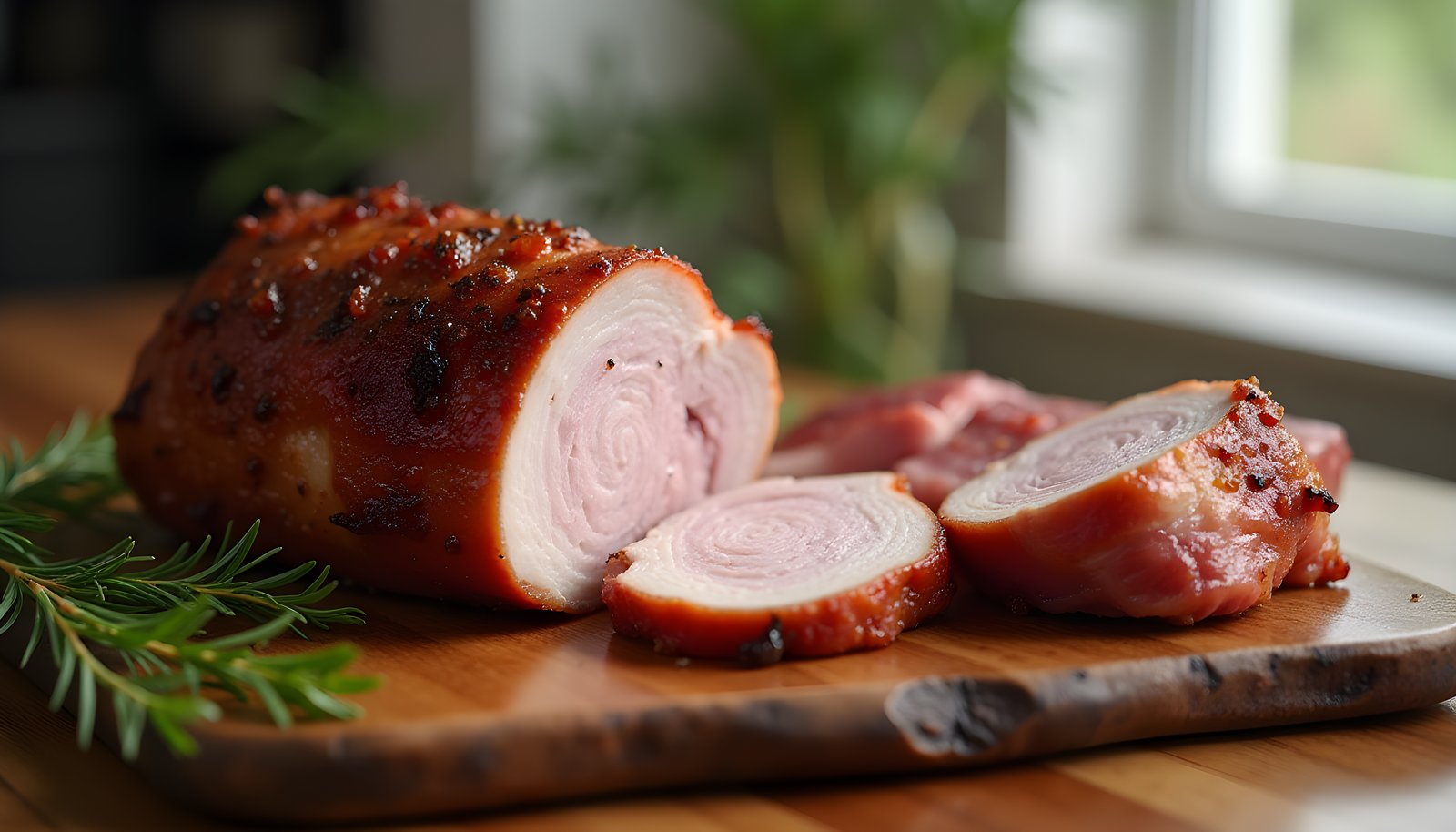
Fresh pork has 0 grams of fiber in every cut, from tenderloin to spareribs. Pork fiber only appears when a sauce or side brings plants along, so the cut you choose mainly changes the fat, and the sides decide the fiber.
Free · 7-day starter guide
Get our Gut Reset Quick-Start when you subscribe
Join 47,000 readers getting the Weekly Fiber Digest — research roundups, recipes, and discounts every Thursday.