Discover the most popular fiber articles this week. From gut health to weight loss, these trending reads are backed by science and chosen by our community.
How Much Fiber Do You Actually Need?
Most people have no idea. Enter your age, gender, and activity level — get your personalized daily target in seconds.
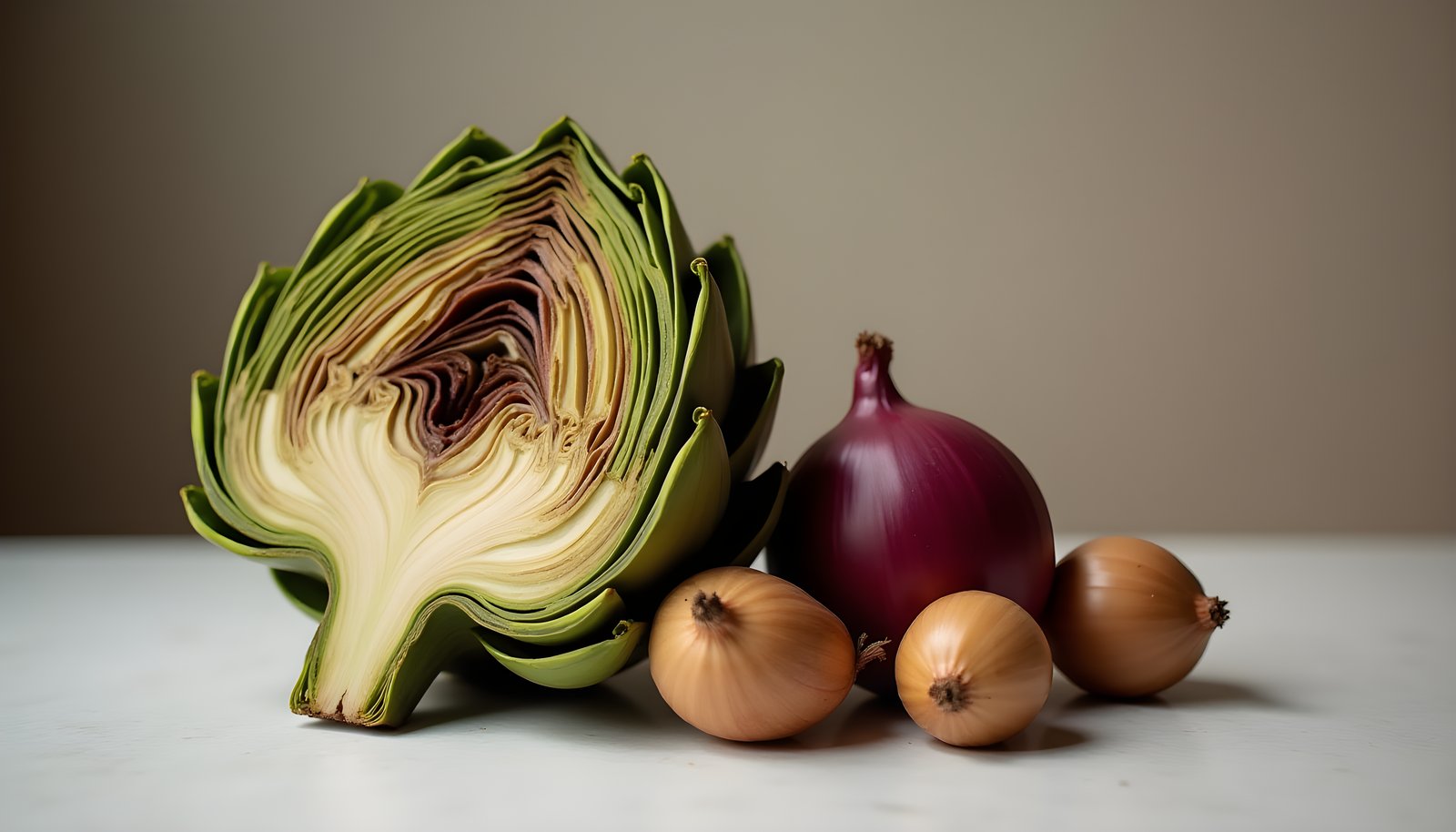
The top prebiotic vegetables are salsify, artichokes, Jerusalem artichokes and onions, which carry far more fructan fiber than other vegetables. Raw salsify held about 15.6 grams of fructans per 100 grams in lab testing, and onions about 4.5 grams.
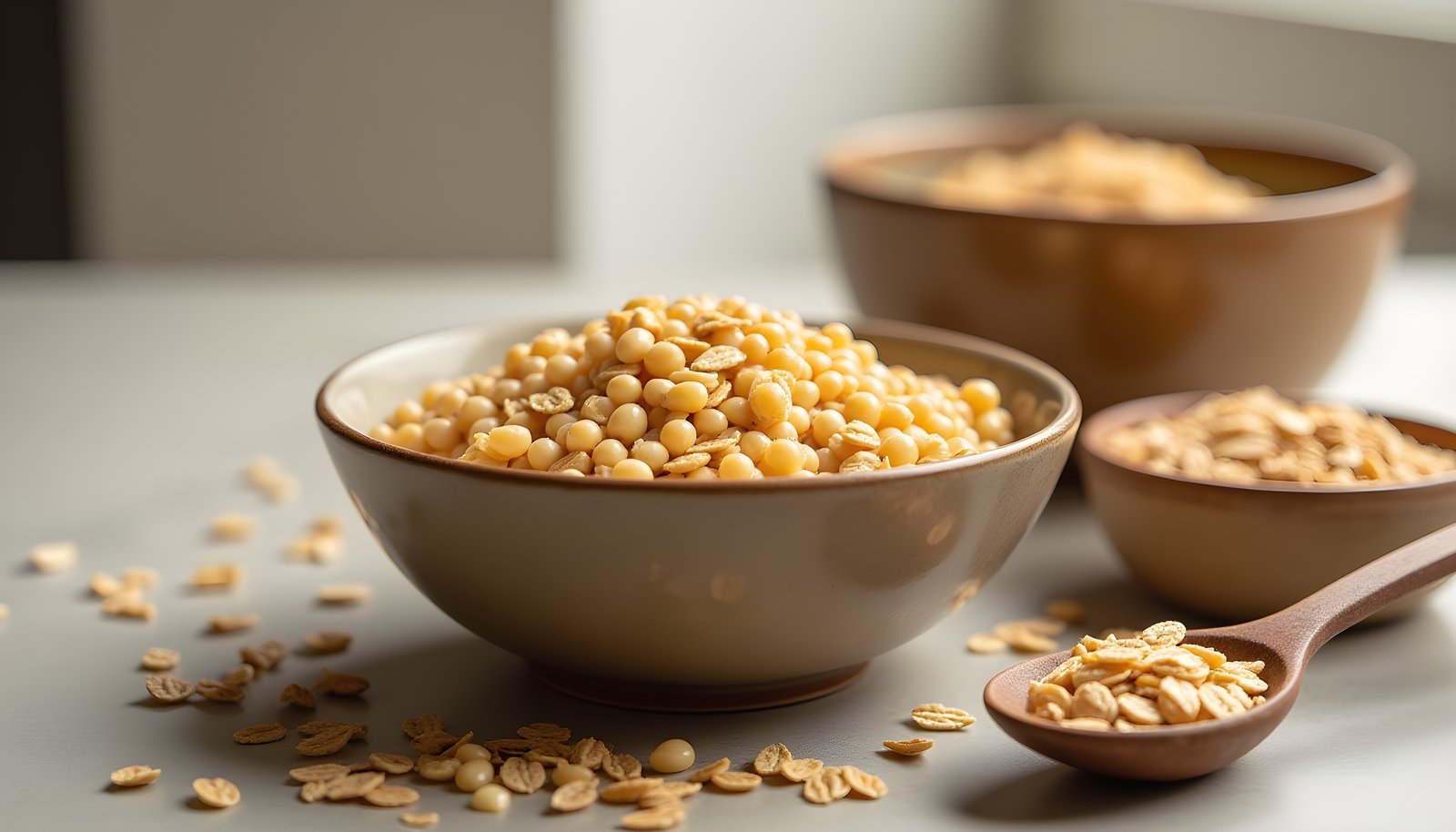
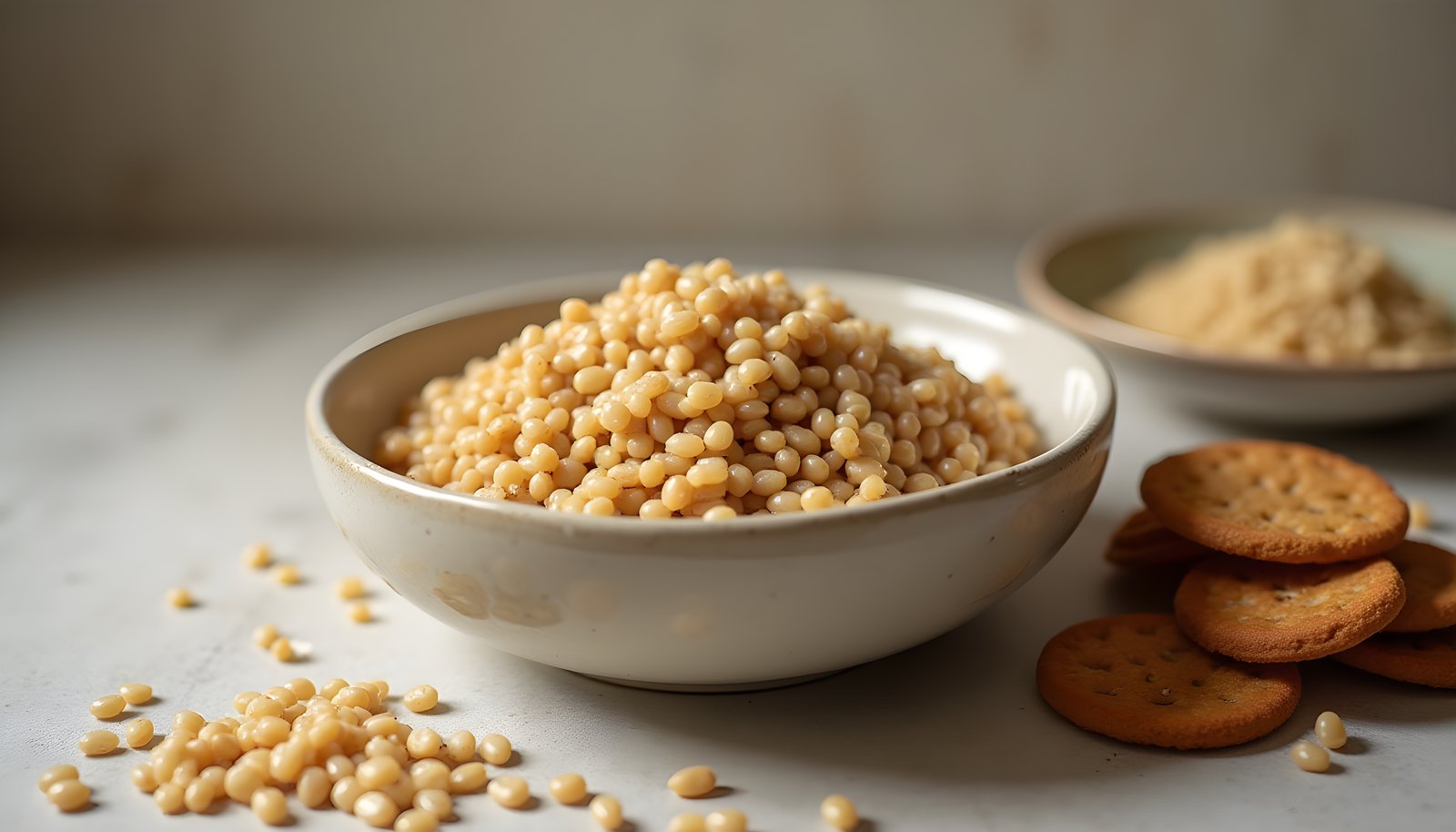
Oats, oat bran and barley are the soluble fiber grains, with about 1 gram of soluble fiber per half cup cooked in NIH data. Barley matches oats for soluble fiber, while wheat, brown rice and quinoa lean heavily toward insoluble fiber.
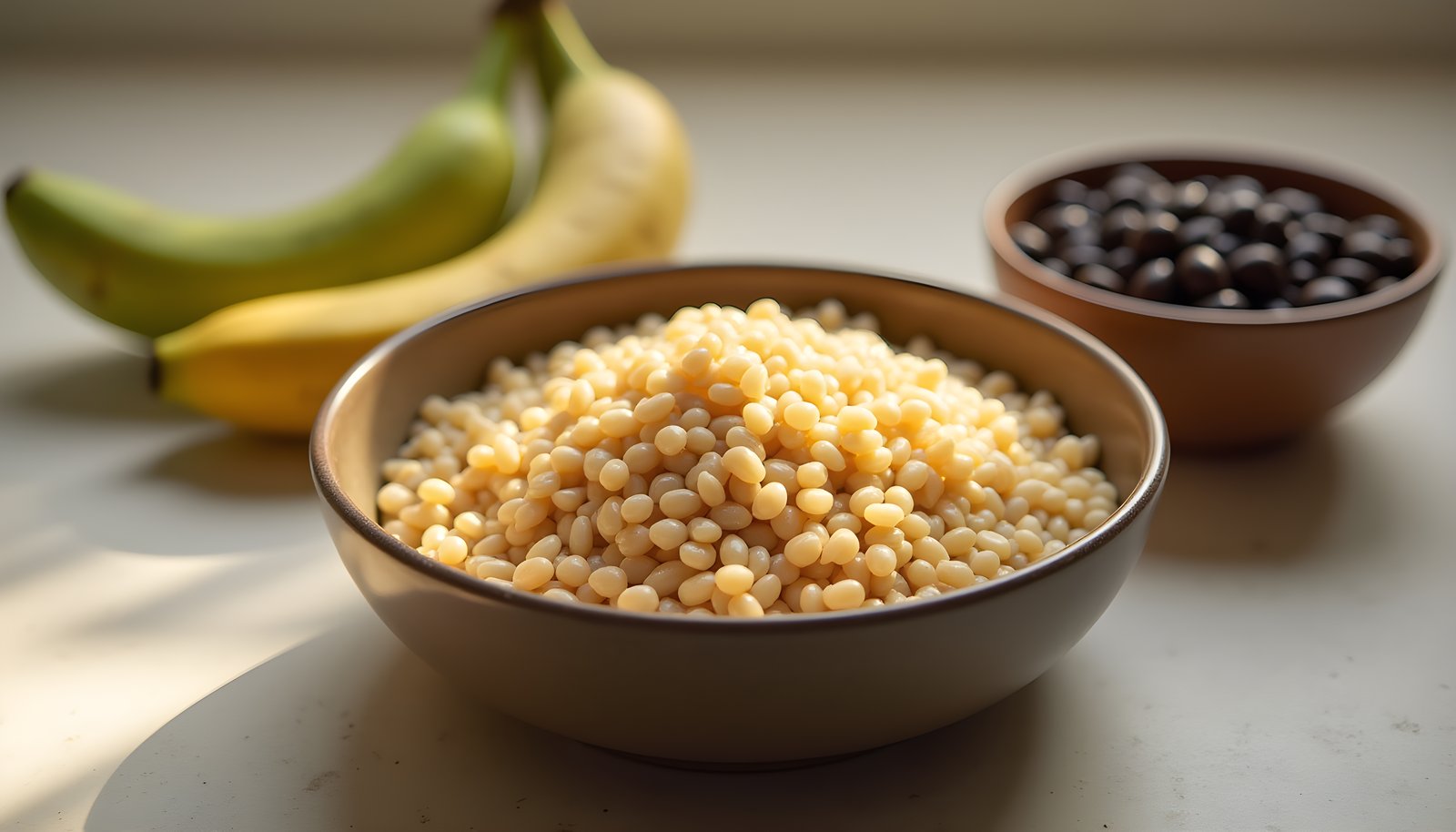
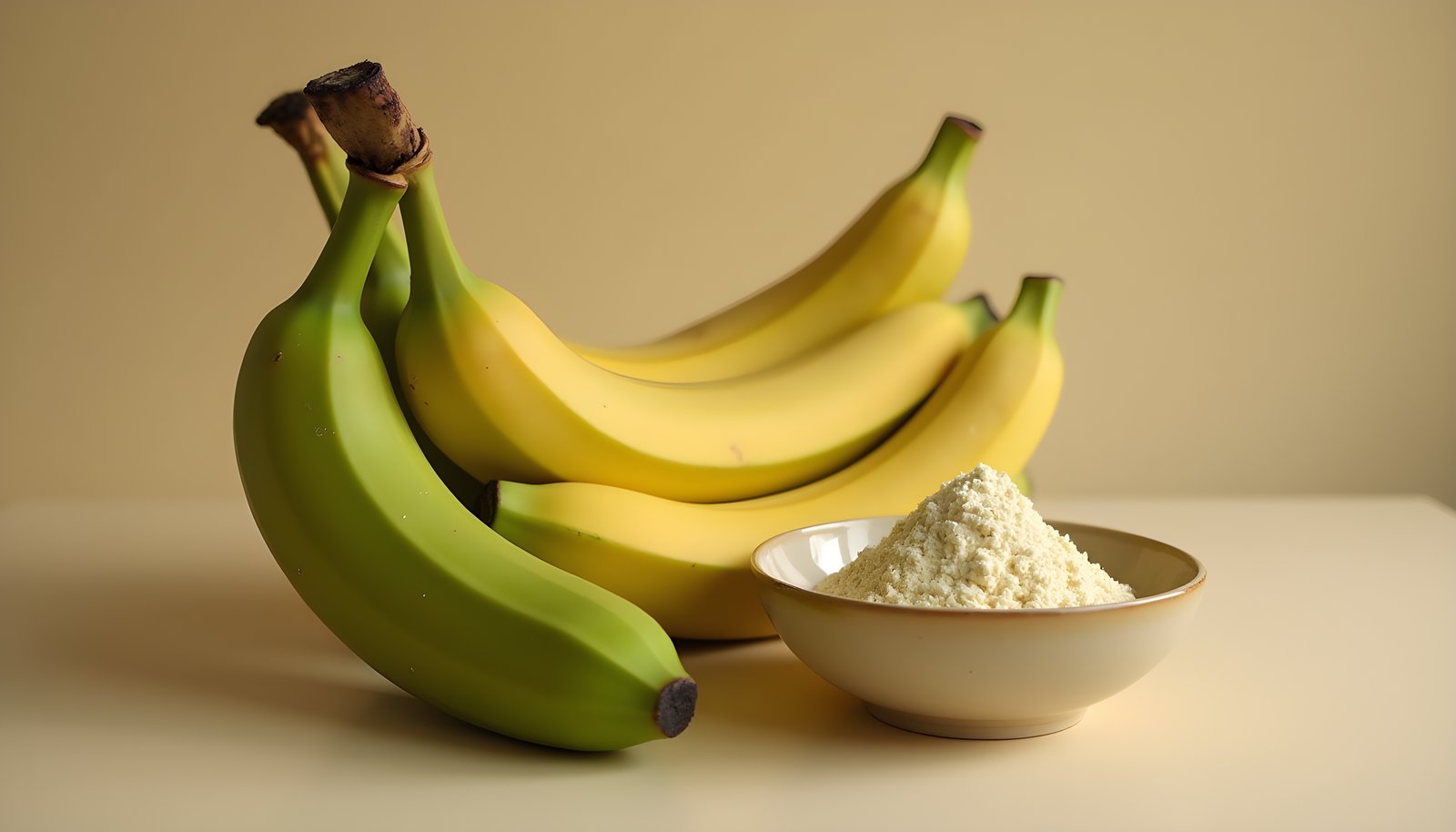
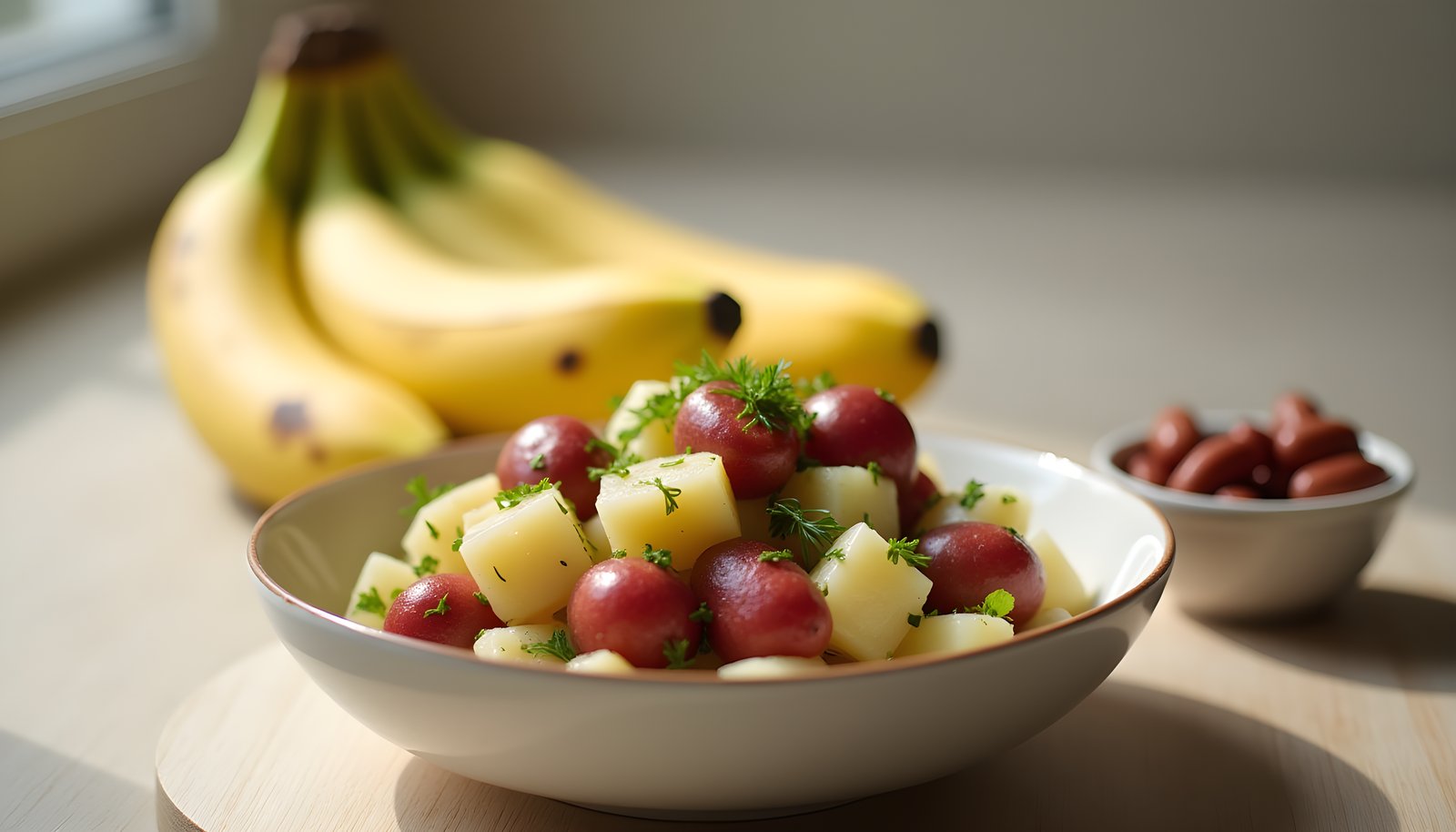
The best resistant starch fruits are green bananas and plantains, and in practice they’re nearly the only fruits that supply it. Raw unripe banana tested at about 24 grams of resistant starch per 100 grams of dry weight, while most other fruits are valued for fiber, not starch.
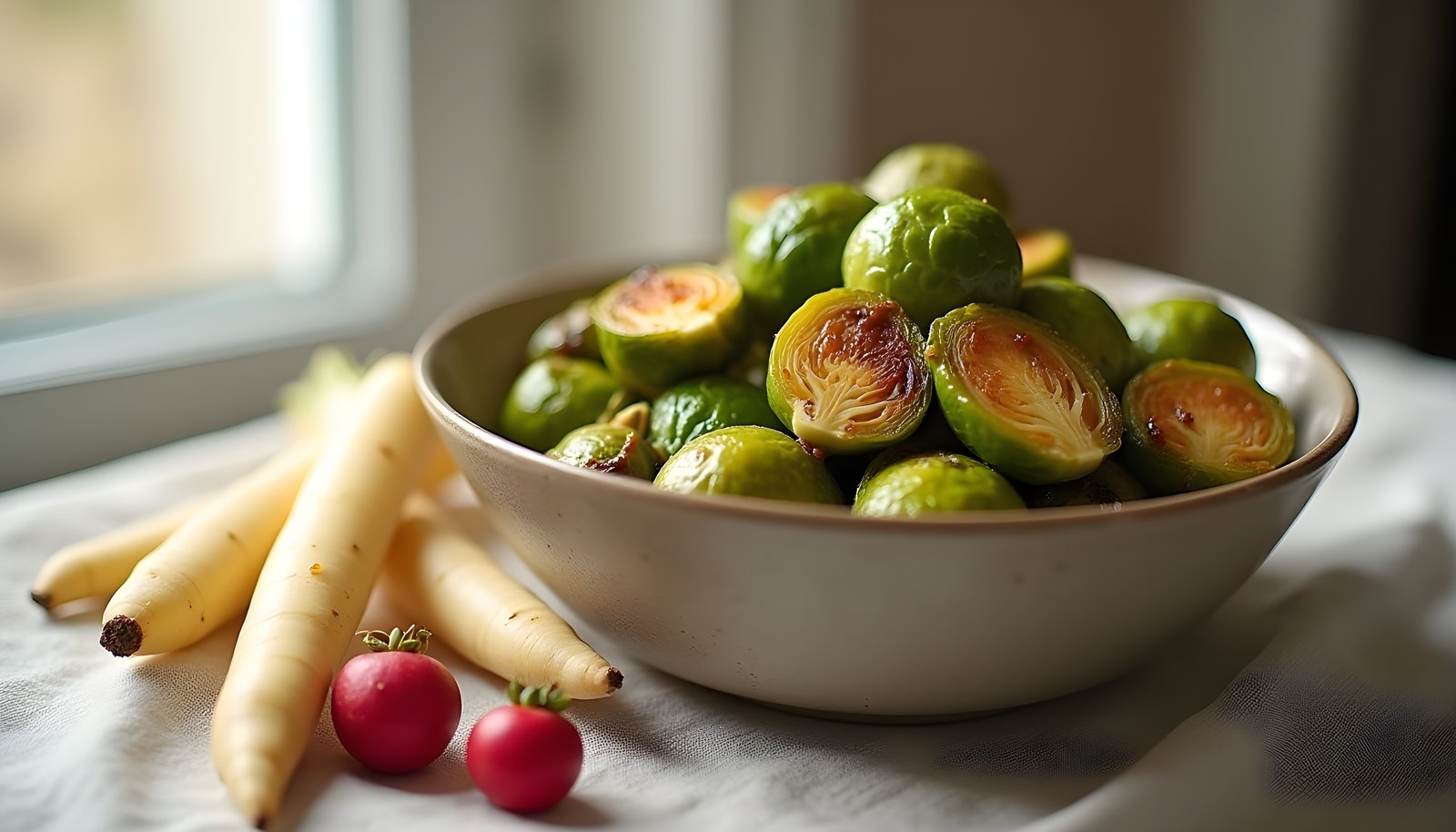
The top insoluble fiber vegetables are Brussels sprouts, parsnips, radishes, broccoli and swede, each with close to 4 grams or more of insoluble fiber per 100 grams raw. Cauliflower, celery and carrots follow, while leafy greens rank lower by weight because they’re mostly water.
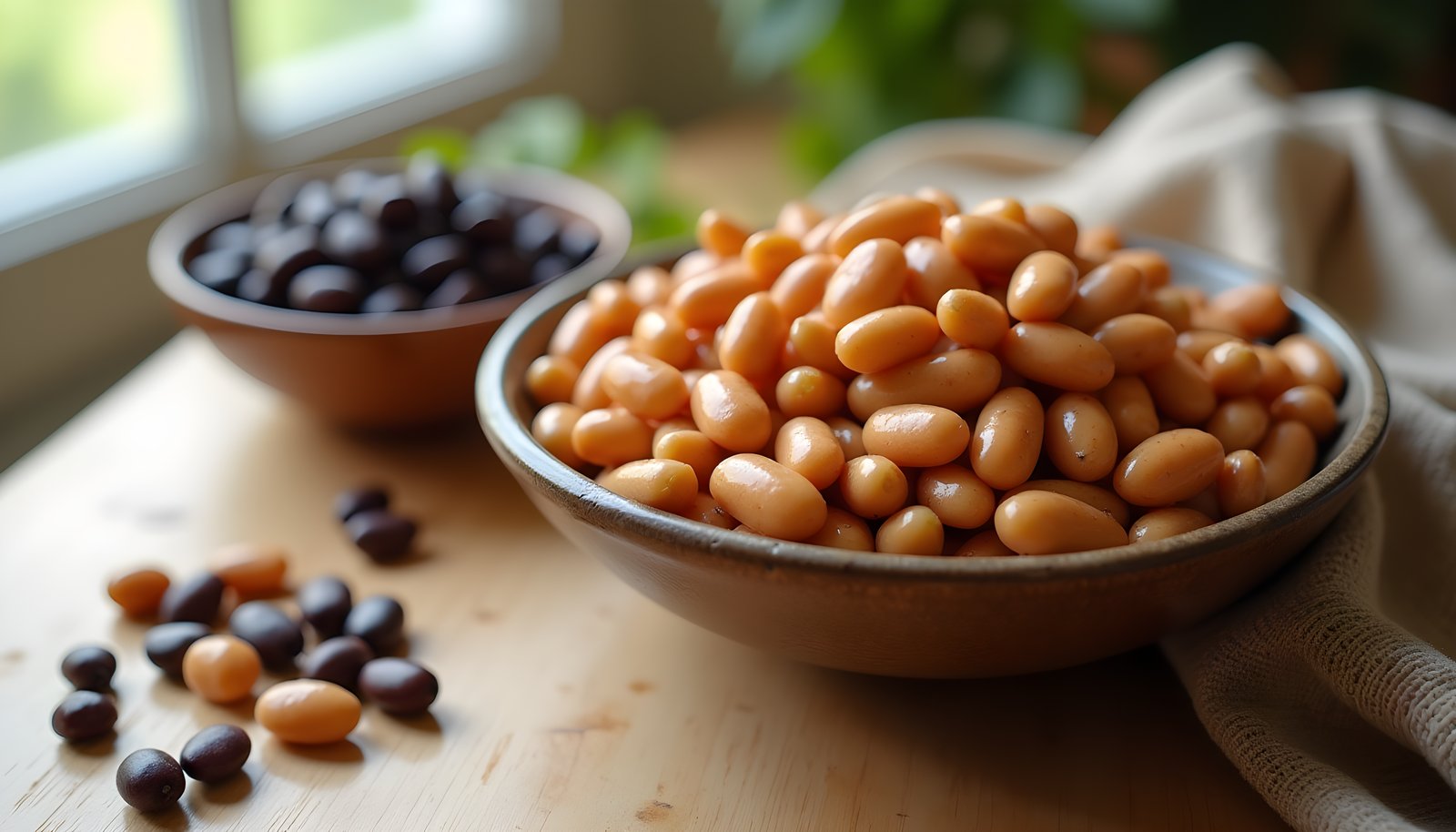
Black beans, navy beans and kidney beans lead the soluble fiber beans, with black beans at about 2.4 grams per half cup cooked in lab data published on NIH’s bookshelf. Pinto beans and chickpeas follow at about 1.4 grams, and lentils carry only about 0.6 grams.
The best resistant starch foods for everyday eating are beans and lentils, green bananas, and potatoes, rice or pasta cooked and then cooled. Kidney beans tested at about 3.2 grams of resistant starch per 100 grams as eaten, more than most breads and cereals.
The top insoluble fiber foods are wheat bran and bran cereals, whole grains, beans, nuts, berries and vegetables like cauliflower and green beans. A half cup of high fiber bran cereal carries about 14 grams of fiber in one bowl.
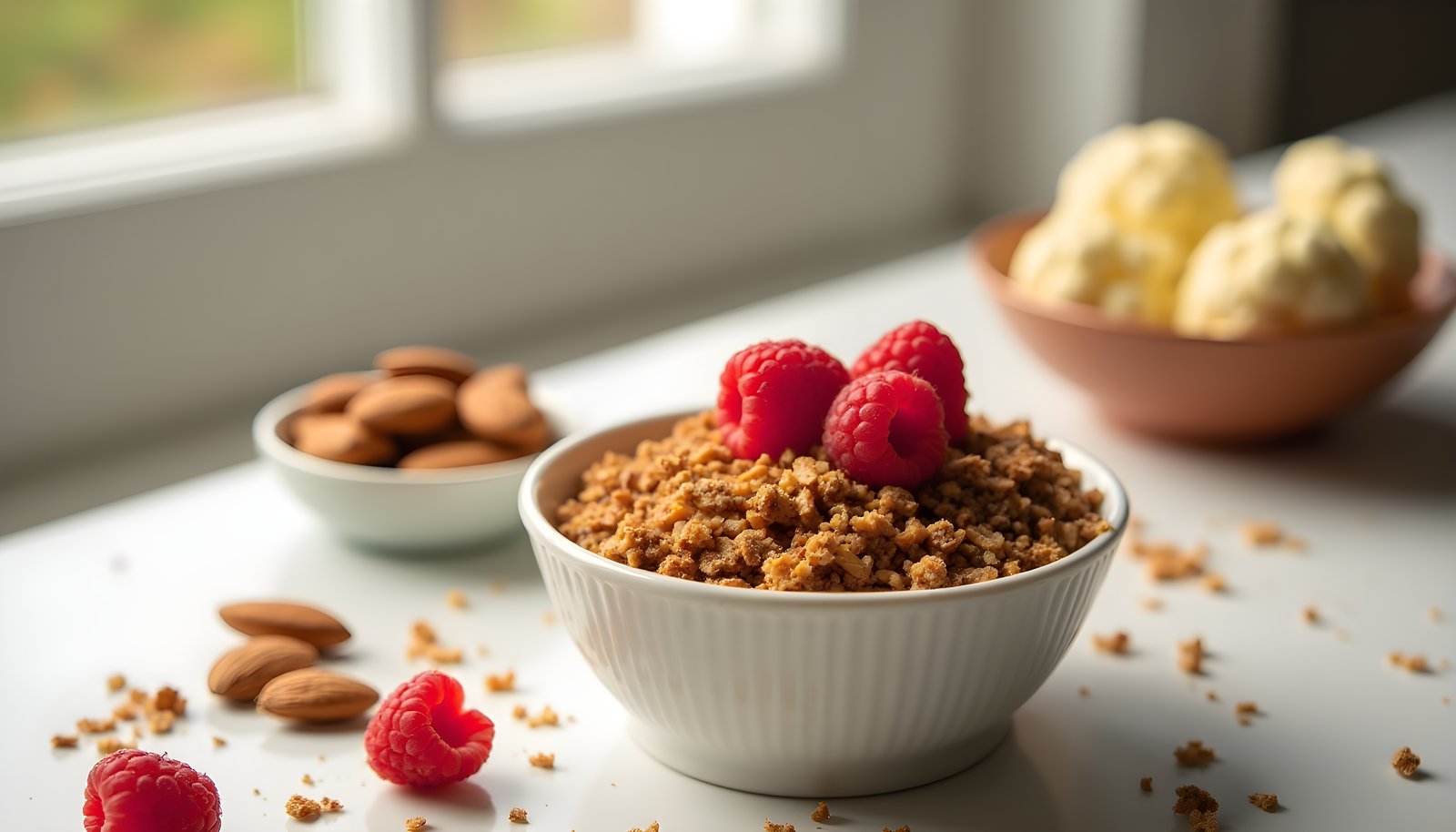
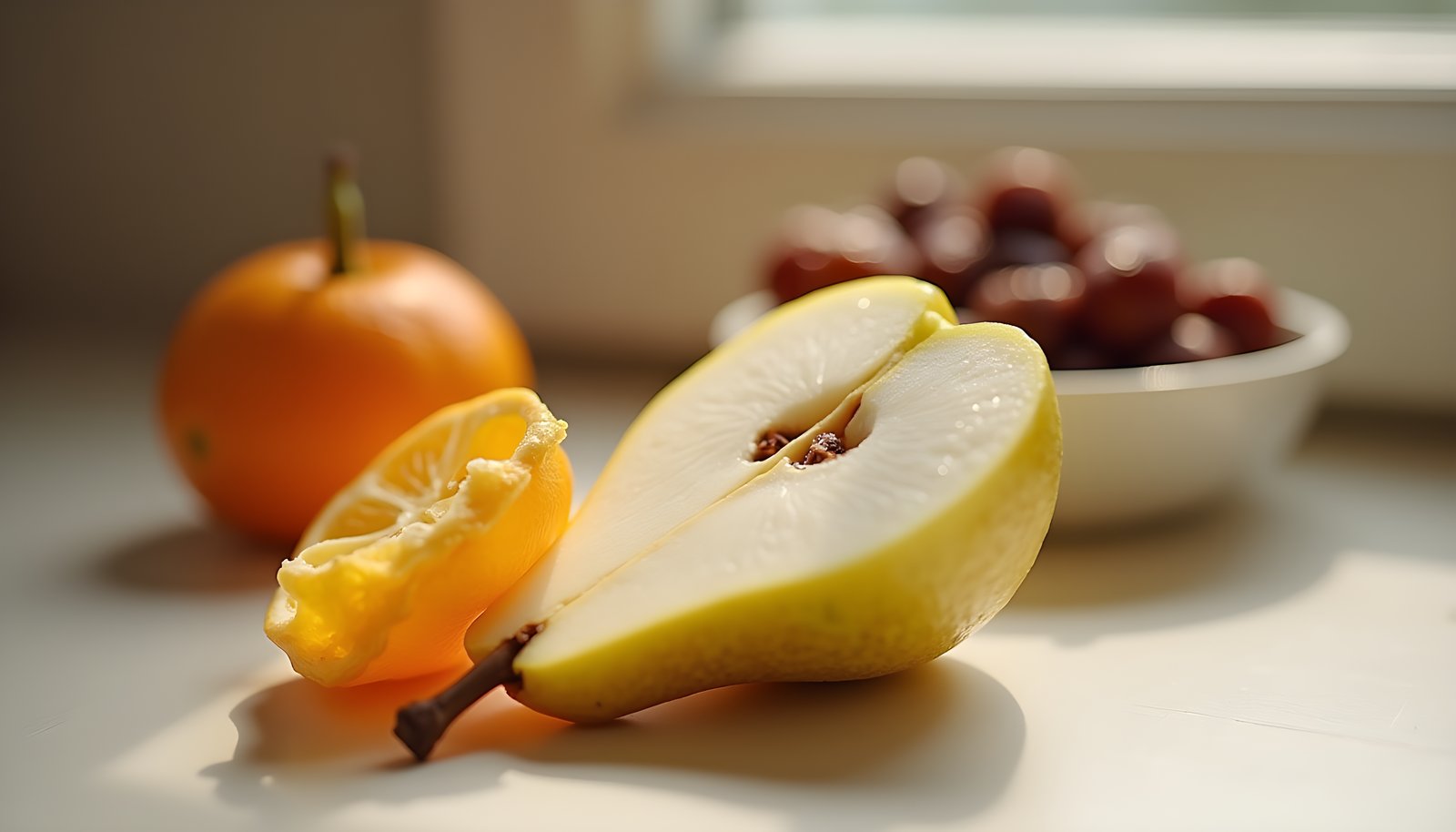
Oranges, grapefruit and pears lead the soluble fiber fruits, at about 2 grams per medium fruit, with prunes close behind at 1.5 grams per quarter cup. Berries win on total fiber, but only about a quarter of their fiber is the soluble kind.
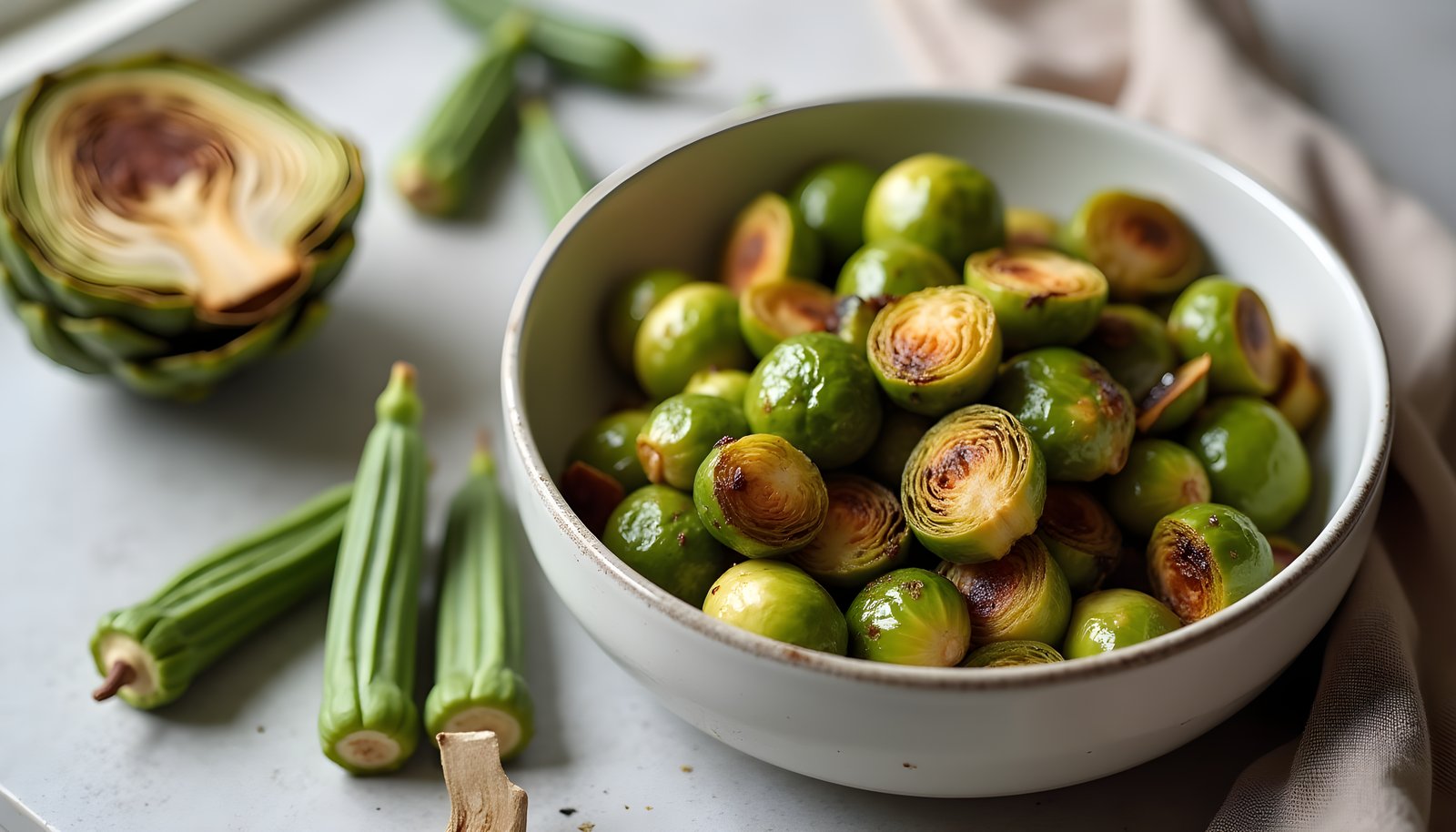
The best soluble fiber vegetables are artichokes, Jerusalem artichokes, salsify and onions, then Brussels sprouts and parsnips. Half a cup of cooked Brussels sprouts gives about 3 grams of soluble fiber, a big step toward the 5 to 10 grams linked with lower LDL.
Raw oats, finger millet, wheat and barley top lab tests of resistant starch grains, at about 3 to 5 grams per 100 grams of dry grain. Cooked, most grain foods hold 2 grams or less per 100 grams, so cooling and food choice matter too.
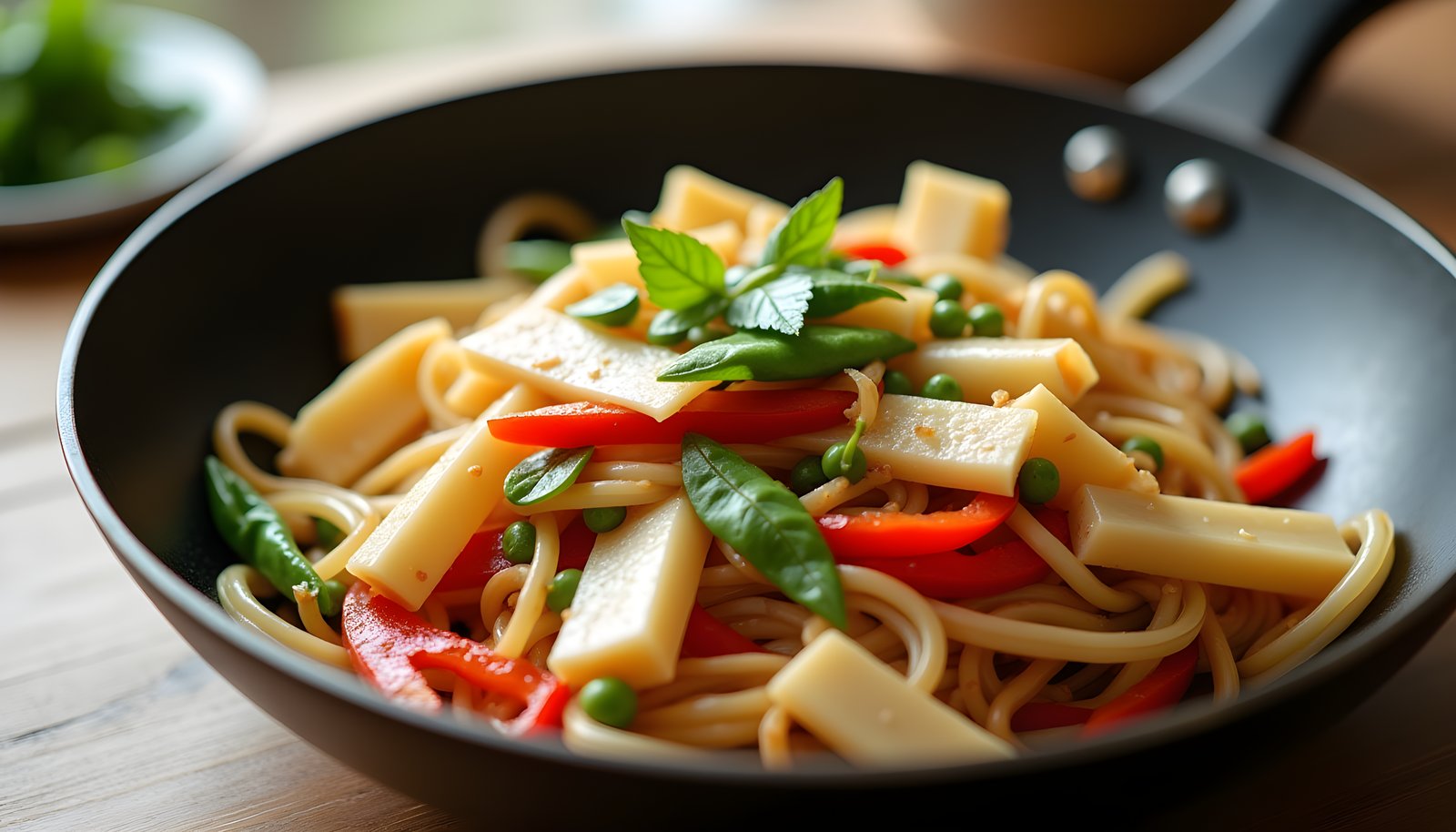
Yes. Raw bamboo shoot has about 2.2 grams of fiber per 100 grams, and a cup of canned, drained shoots has about 1.8 grams for 25 calories. Bamboo shoot fiber is modest per cup, but the shoots add crunch, potassium and copper for very few calories.
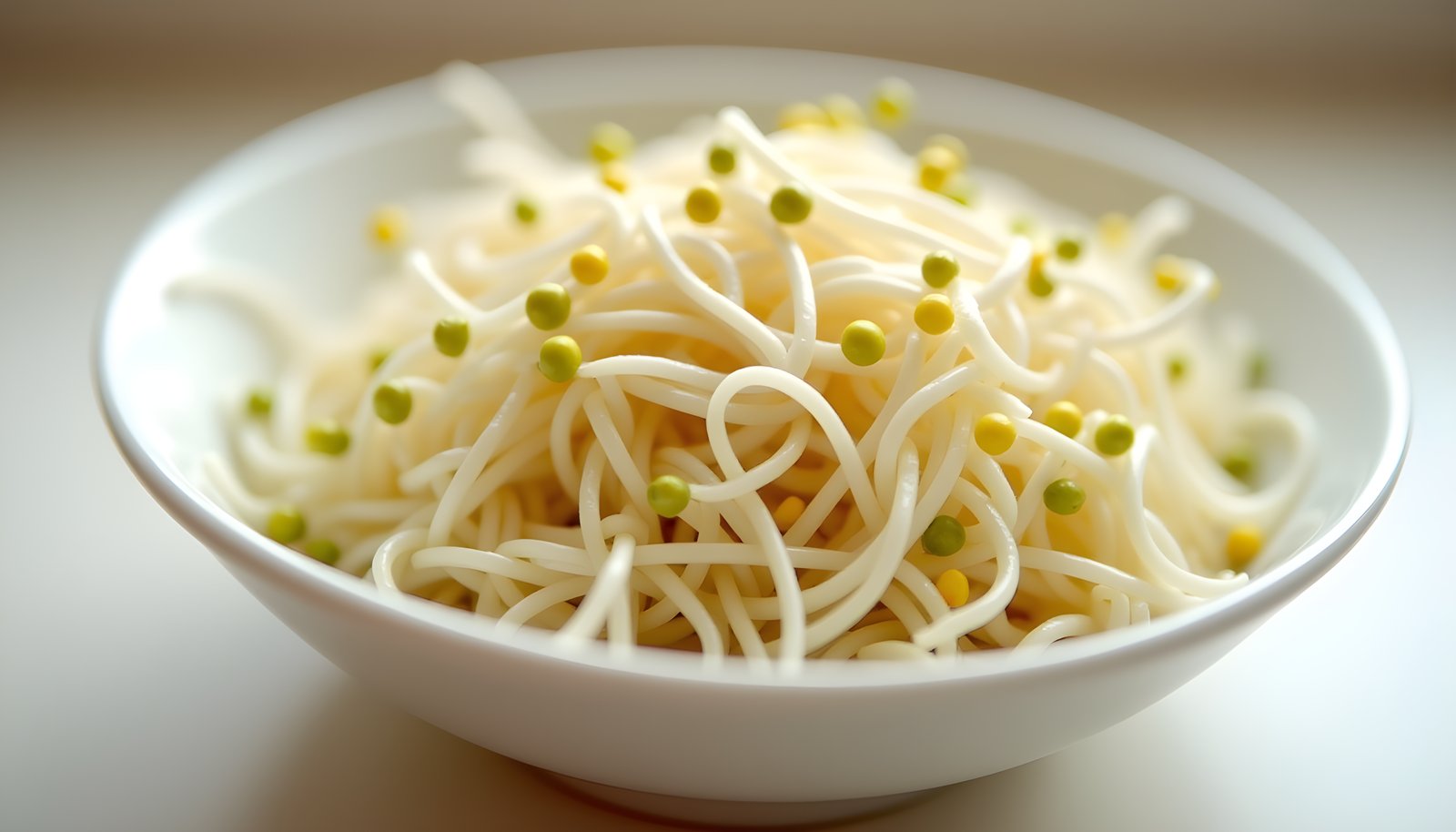
Yes, but not much. A cup of raw mung bean sprouts has about 1.9 grams of fiber for 31 calories. Bean sprouts fiber changes with the type of sprout and how you cook it, and stir fried sprouts keep the most per cup.
Free · 7-day starter guide
Get our Gut Reset Quick-Start when you subscribe
Join 47,000 readers getting the Weekly Fiber Digest — research roundups, recipes, and discounts every Thursday.