Discover the most popular fiber articles this week. From gut health to weight loss, these trending reads are backed by science and chosen by our community.
How Much Fiber Do You Actually Need?
Most people have no idea. Enter your age, gender, and activity level — get your personalized daily target in seconds.
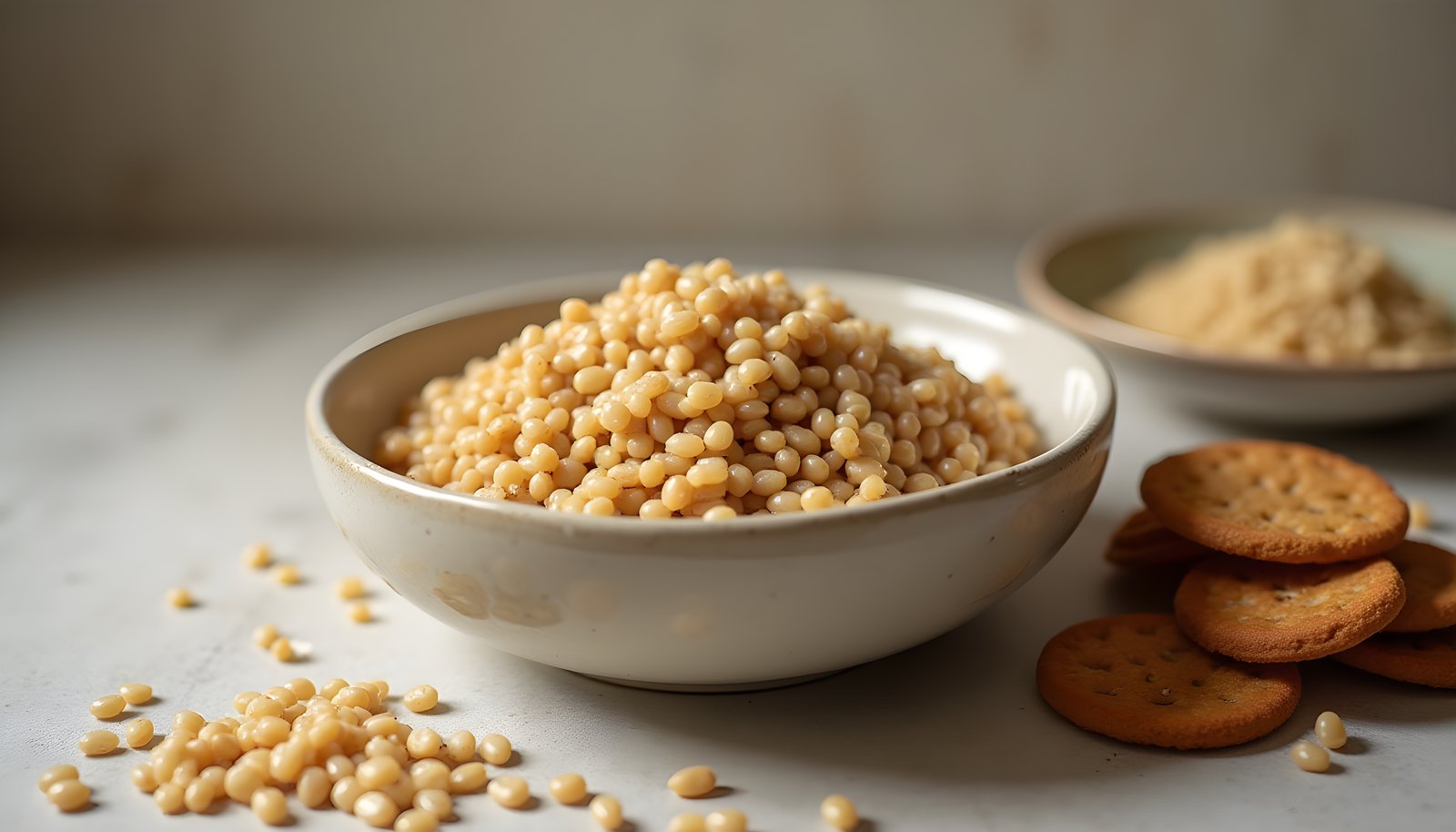
Raw oats, finger millet, wheat and barley top lab tests of resistant starch grains, at about 3 to 5 grams per 100 grams of dry grain. Cooked, most grain foods hold 2 grams or less per 100 grams, so cooling and food choice matter too.
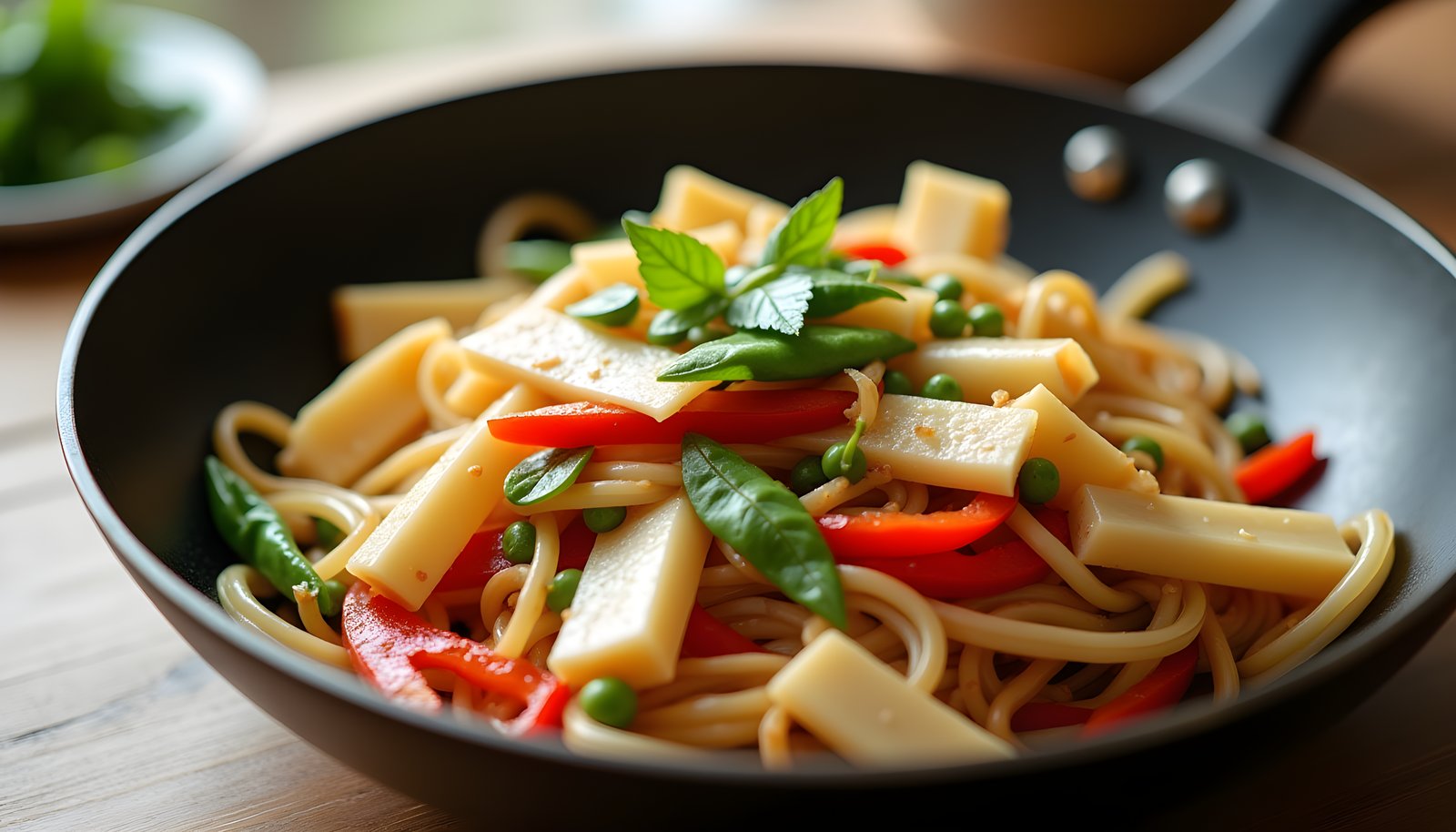
Yes. Raw bamboo shoot has about 2.2 grams of fiber per 100 grams, and a cup of canned, drained shoots has about 1.8 grams for 25 calories. Bamboo shoot fiber is modest per cup, but the shoots add crunch, potassium and copper for very few calories.
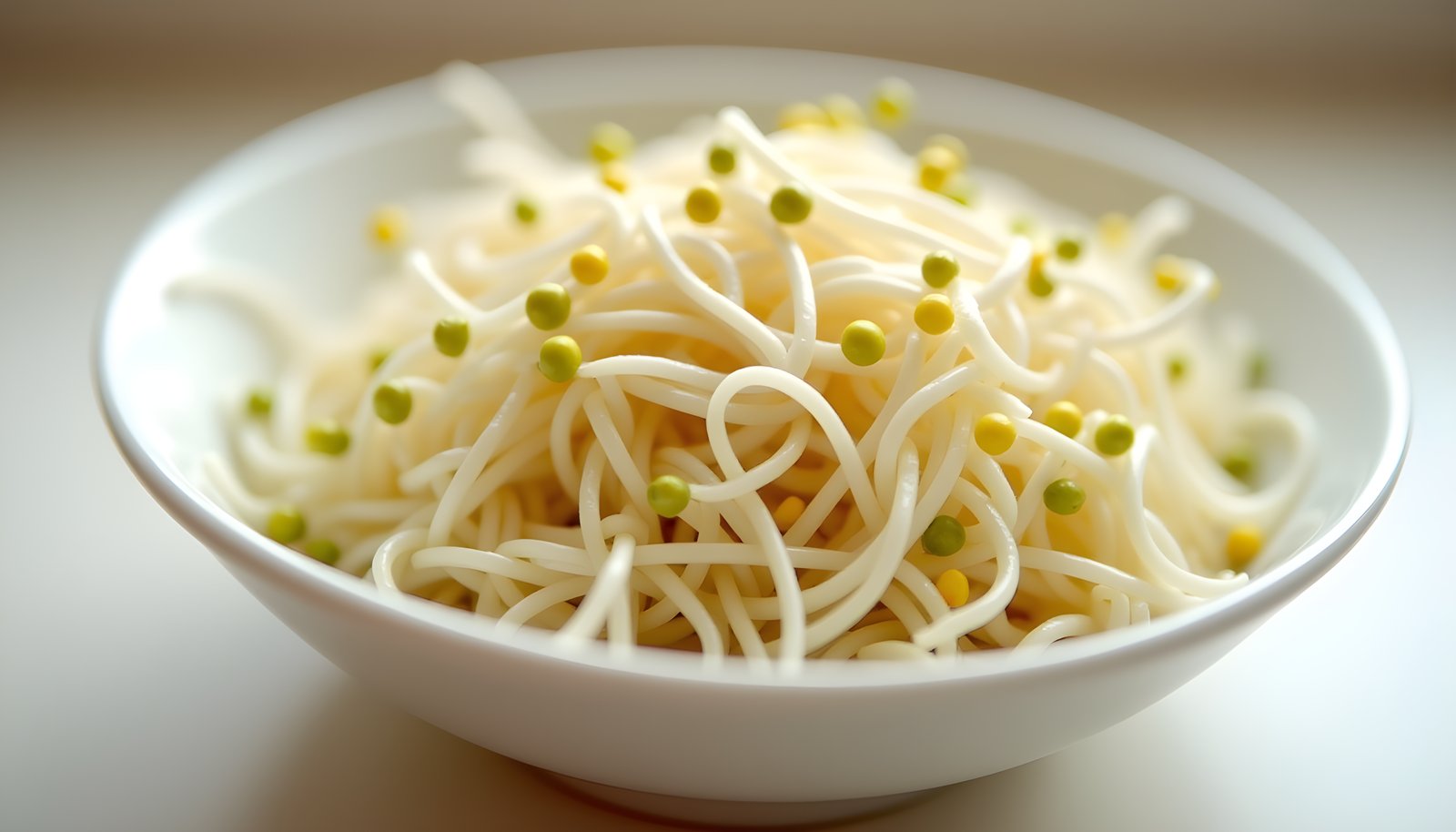
Yes, but not much. A cup of raw mung bean sprouts has about 1.9 grams of fiber for 31 calories. Bean sprouts fiber changes with the type of sprout and how you cook it, and stir fried sprouts keep the most per cup.
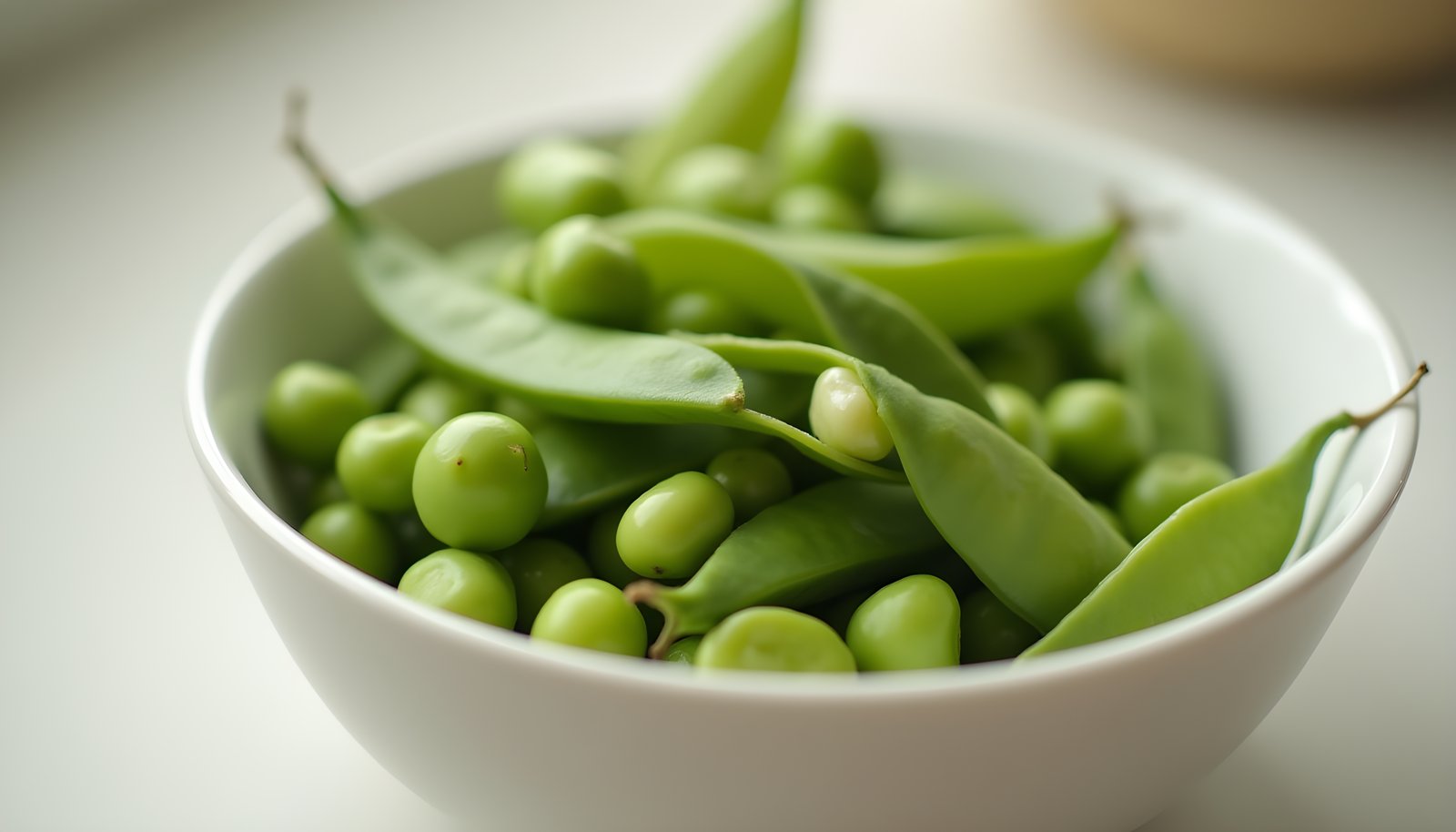
Snap peas are a solid fiber source: a cup of raw pods has about 2.5 grams of fiber for 41 calories, and a cup of cooked snap peas has about 4.5 grams. Snap peas fiber comes from the whole pod, so the crunchy shell counts as much as the peas inside.
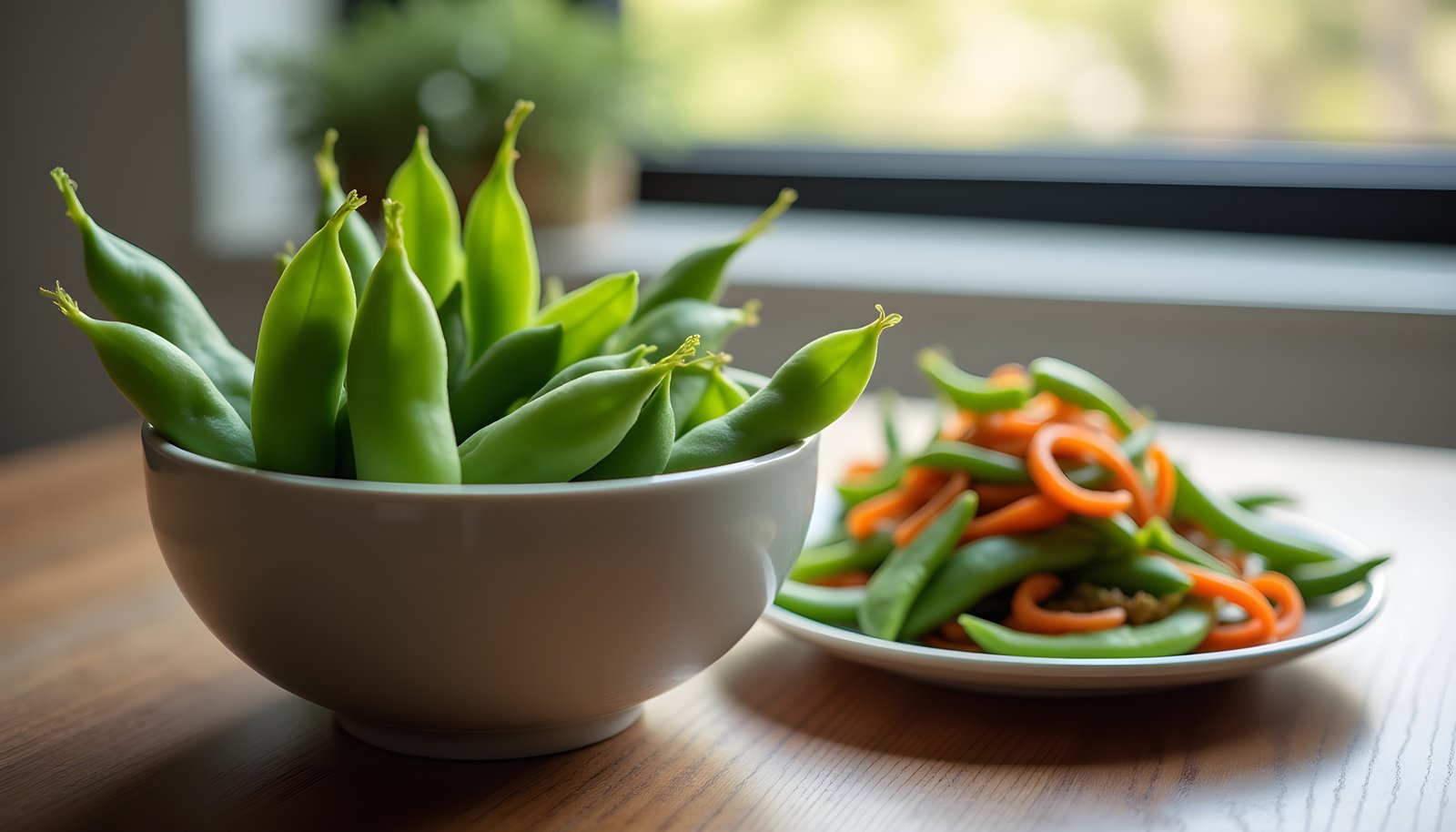
Yes. A cup of cooked snow peas has about 4.5 grams of fiber for just 67 calories, plus 85% of the Daily Value for vitamin C. Snow peas fiber comes from eating the whole pod, which is why they beat many stir fry vegetables.
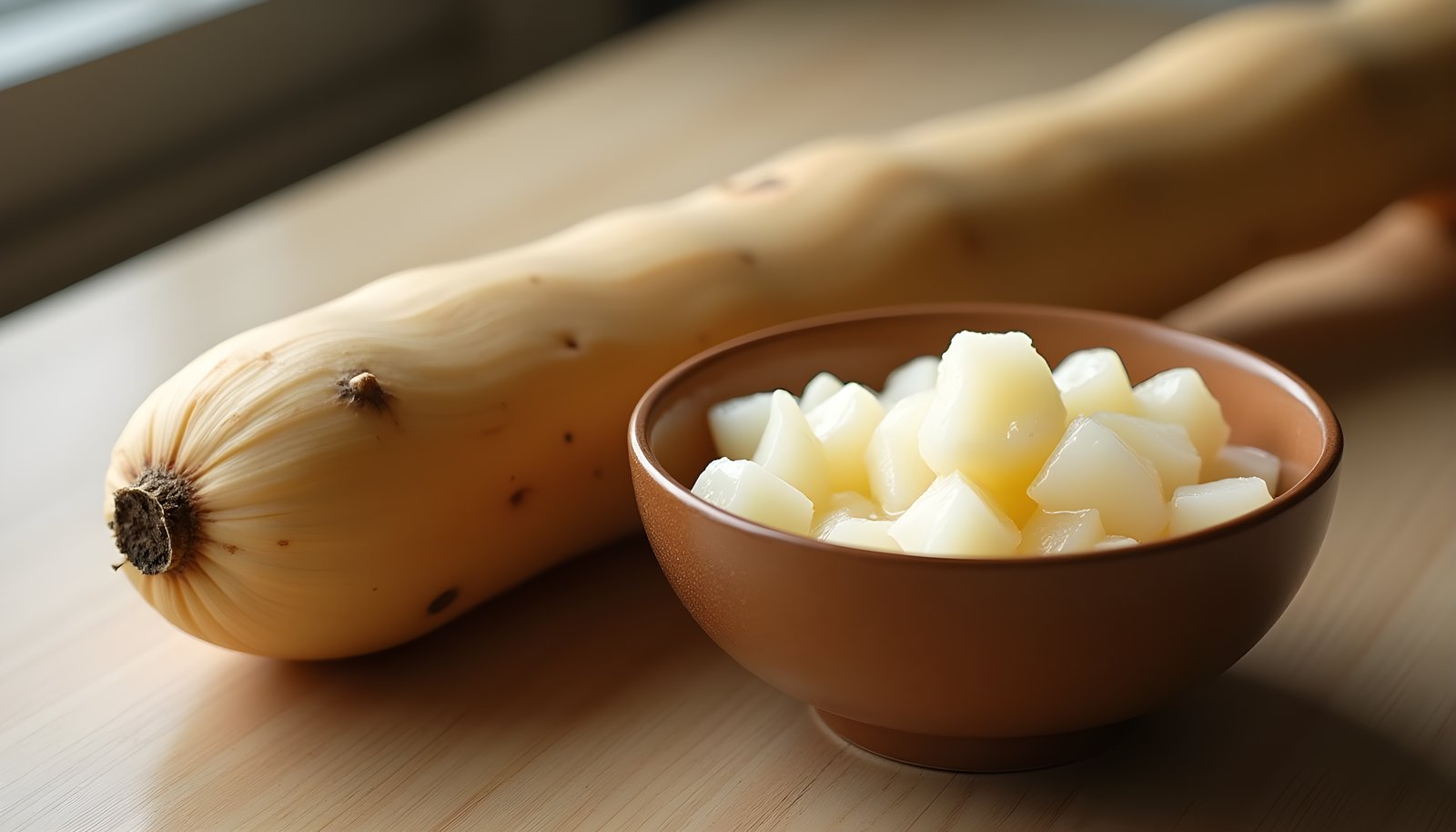
Yes, yuca has some fiber: a cup of cooked yuca, also called cassava, has about 3.0 grams for 267 calories. Yuca fiber is modest for a starchy root, so it works best paired with beans or vegetables.
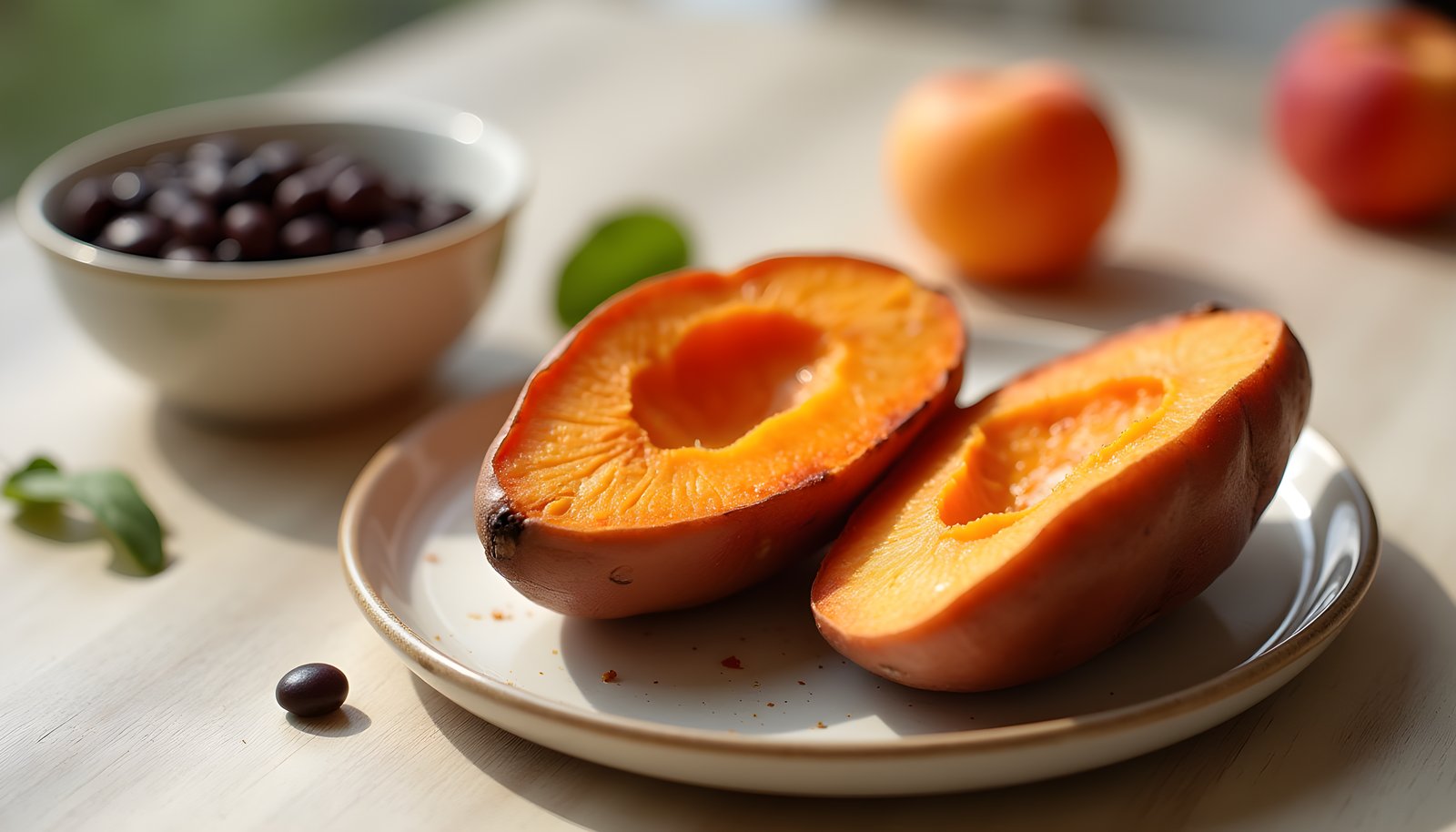
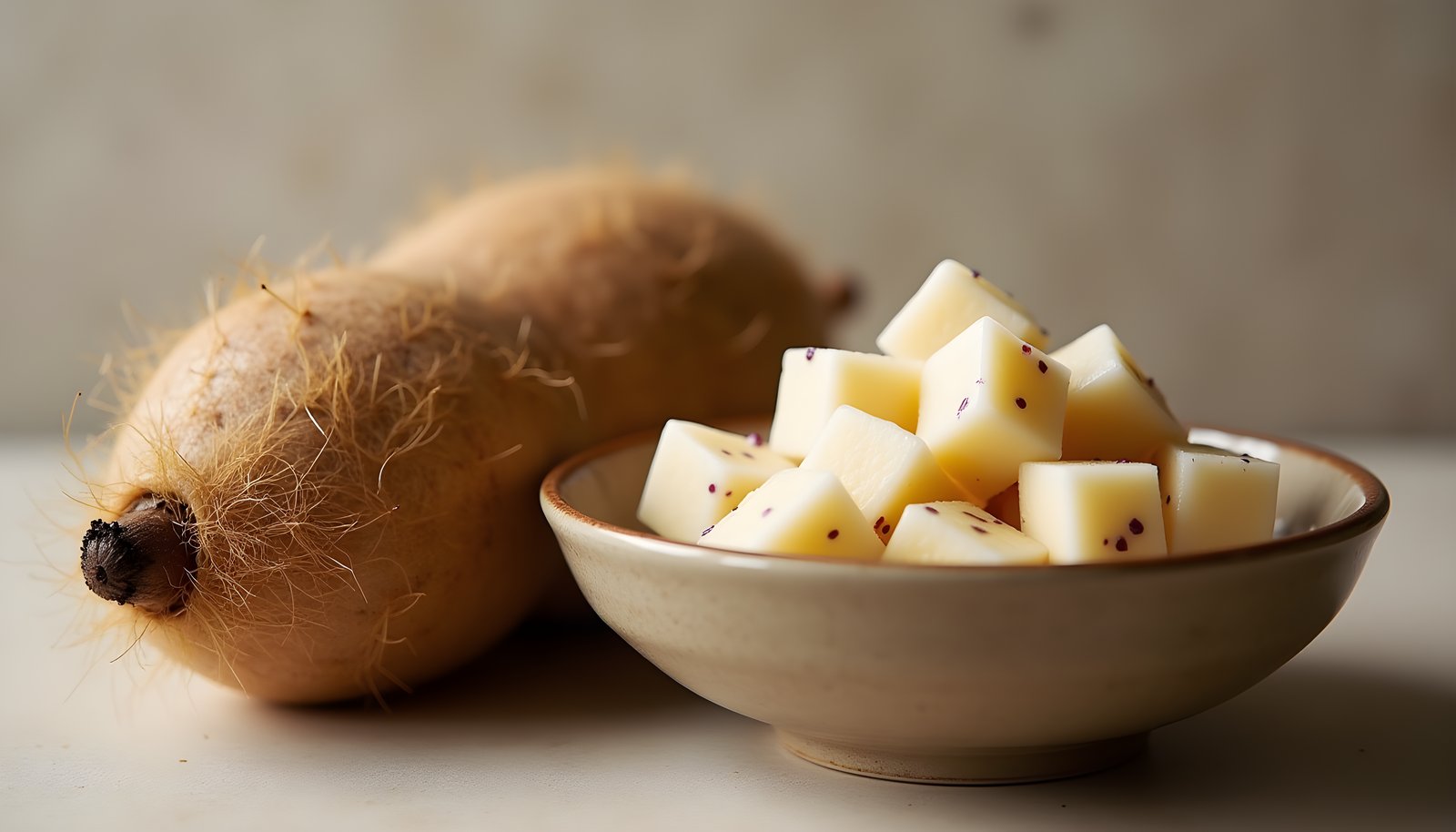
A cup of cooked taro root slices has about 6.7 grams of fiber for 187 calories. That puts taro root fiber slightly ahead of sweet potato cup for cup, though poi made from taro keeps very little of it.
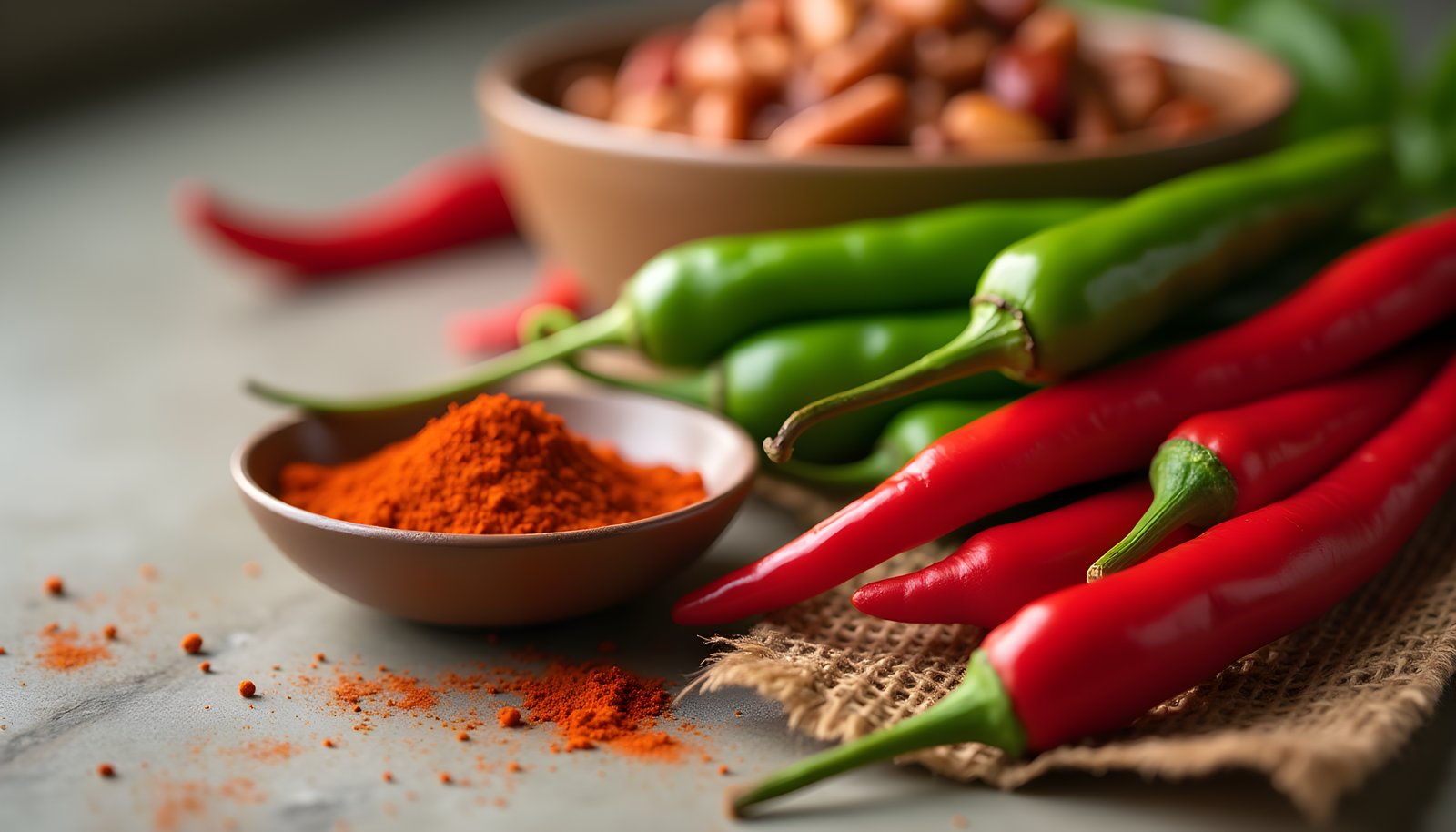
Chili peppers have a little fiber: one raw hot chili has about 0.7 grams, and USDA lists 1.5 grams per 100 grams. Chili pepper fiber only adds up in dried, ground form, where a tablespoon of chili powder carries about 2.8 grams.
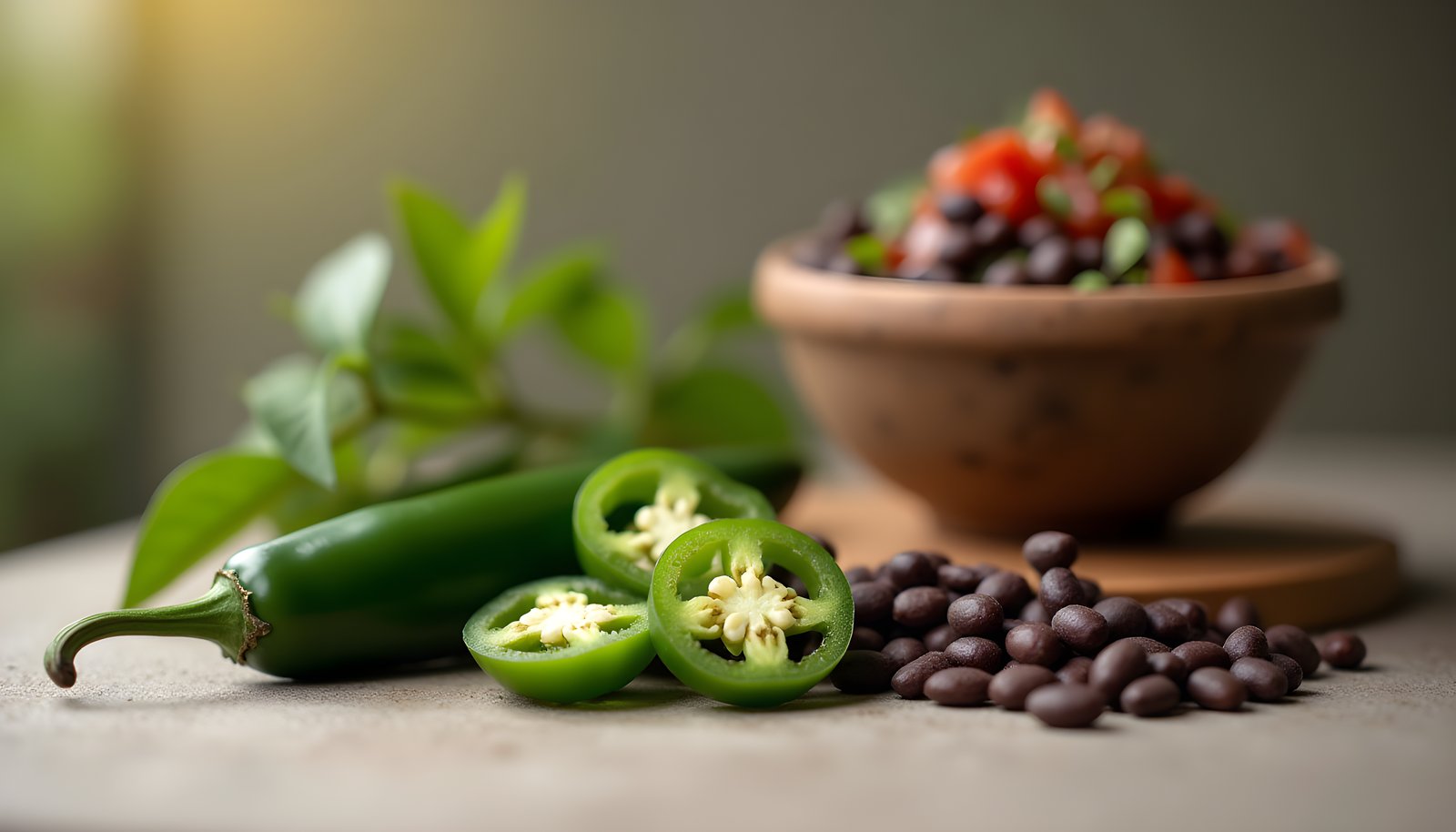
Yes, jalapenos have fiber: about 2.8 grams per 100 grams, or 2.5 grams in a cup of slices. A single pepper weighs only about 14 grams, though, so jalapeno fiber adds up to roughly 0.4 grams per pepper, while the vitamin C is far more impressive.
Canned pumpkin is high in fiber, with about 7.1 grams per cup for 83 calories. Fresh raw pumpkin is a different story, with only about 0.6 grams in a cup of cubes, so pumpkin fiber depends heavily on which form you buy.
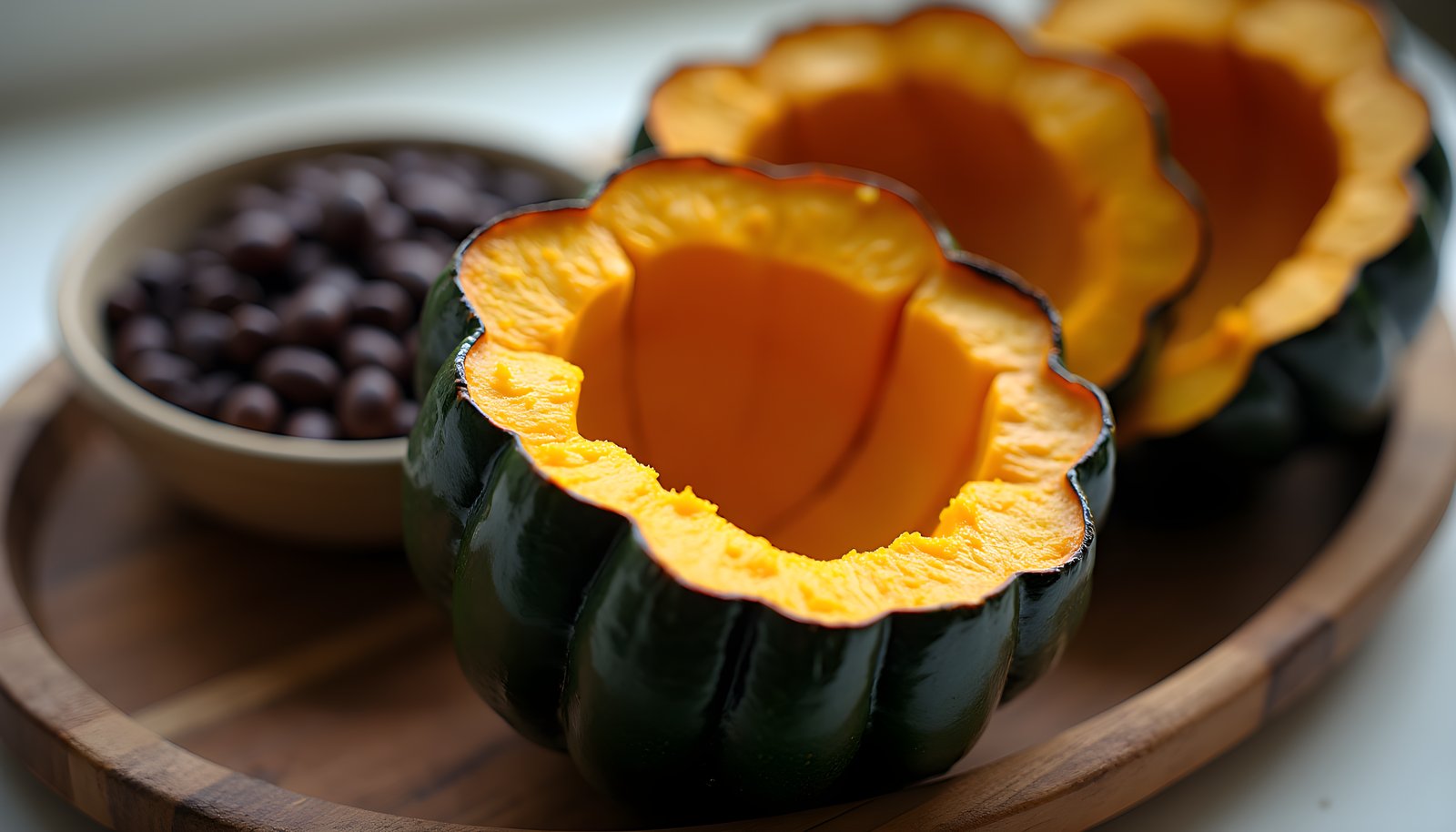
A cup of baked acorn squash cubes has about 9 grams of fiber for about 115 calories. Acorn squash fiber beats butternut and spaghetti squash cup for cup, and it comes with plenty of potassium and magnesium.
Yes. Raw endive has about 3.1 grams of fiber per 100 grams, so a cup of chopped curly endive gives about 1.6 grams and a cup of sliced Belgian endive about 2.8 grams. Endive fiber is high for a salad green, and it comes with very few calories.
Free · 7-day starter guide
Get our Gut Reset Quick-Start when you subscribe
Join 47,000 readers getting the Weekly Fiber Digest — research roundups, recipes, and discounts every Thursday.