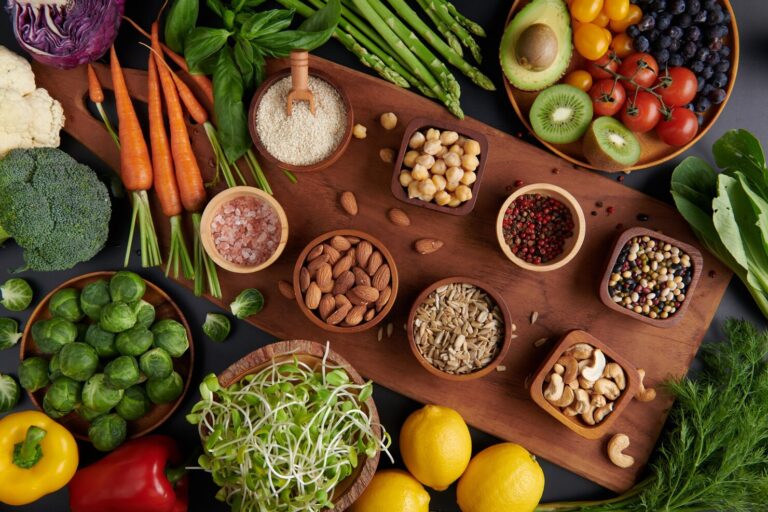
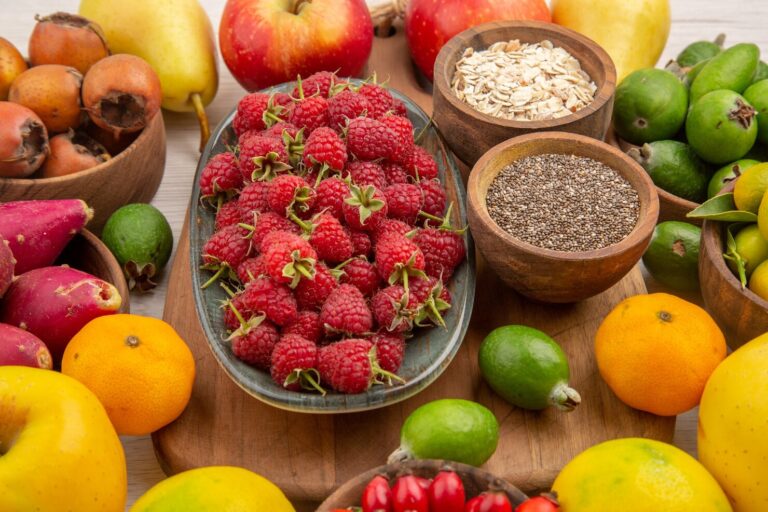
Fruits, vegetables, grains, legumes, nuts and more – discover which everyday foods pack the most fiber, how much they deliver, and simple ways to eat more of them every day.
A here’s no supplement that beats a plate of real food. Whole foods deliver fiber alongside vitamins, minerals, antioxidants, and water — a package no powder can match. The good news is that hitting your daily target is easier than it sounds once you know where fiber actually hides.
Beans and legumes are fiber powerhouses; a single cup can cover more than half your day. Whole
grains, fruit eaten with the skin, vegetables, nuts, and seeds all stack up quickly. Variety matters too
— different foods carry different types of fiber, so a mixed plate feeds a wider range of gut bacteria
than any single food or supplement could.
“You don’t need exotic superfoods to hit your fiber goal — beans, oats,
berries, and a handful of nuts will get most people there.”
That’s why we organize everything by food group. Browse fruits, vegetables, grains, legumes, nuts and seeds, dairy and alternatives, or proteins to see exactly how much fiber each delivers — with the standout picks in every category called out for you.
Not sure where to start? Begin with the highest-fiber foods, then explore the food group you eat most — small, consistent swaps are what move your daily total.
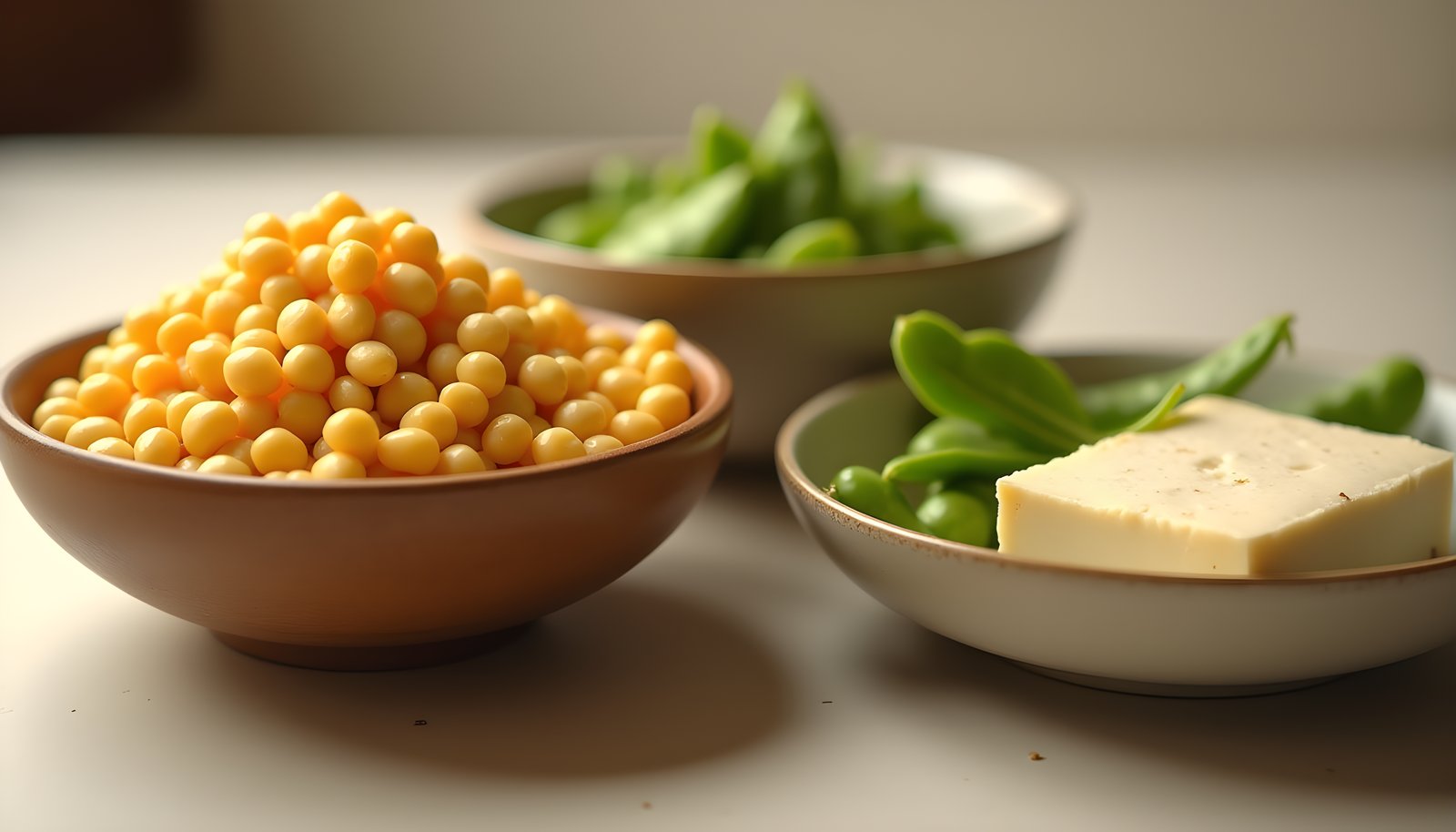
Soybeans fiber comes to about 10 grams per cooked cup, less than most beans, but that same cup carries nearly 29 grams of protein. How much fiber you actually get from soy depends on the form, from whole soybeans and edamame down to tofu and soy milk.
Black eyed peas fiber comes to about 11 grams per cooked cup, or 5.6 grams per half cup for just 99 calories, one of the lowest calorie counts of any legume. They also bring about 13 grams of protein and close to 90% of a day’s folate per cup.
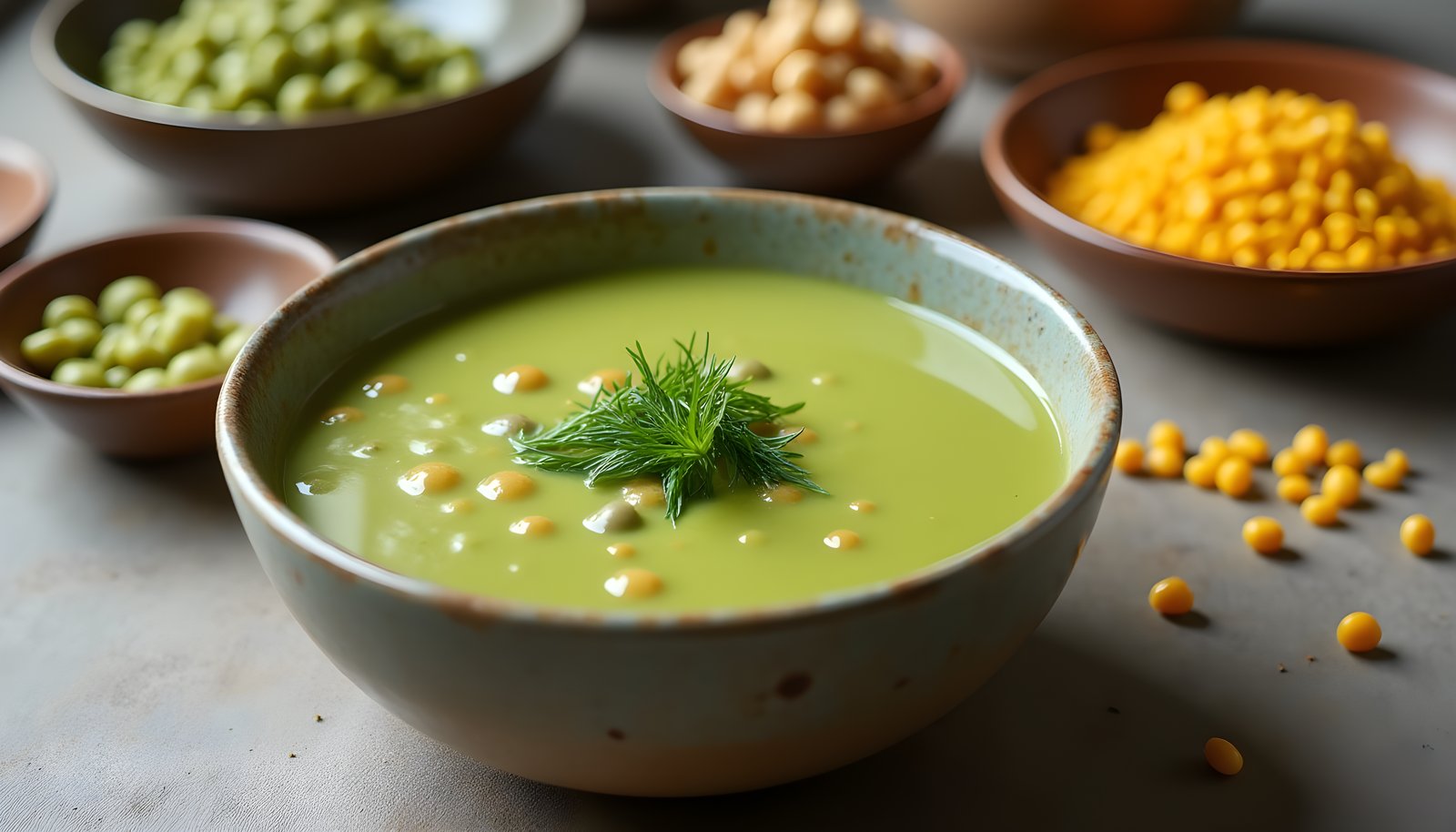
Split peas fiber comes to about 16 grams per cooked cup, nearly double what you get from a cup of green peas, plus about 16 grams of protein. In a Canadian trial, muffins made with yellow pea flour lowered fasting insulin in overweight adults within four weeks.
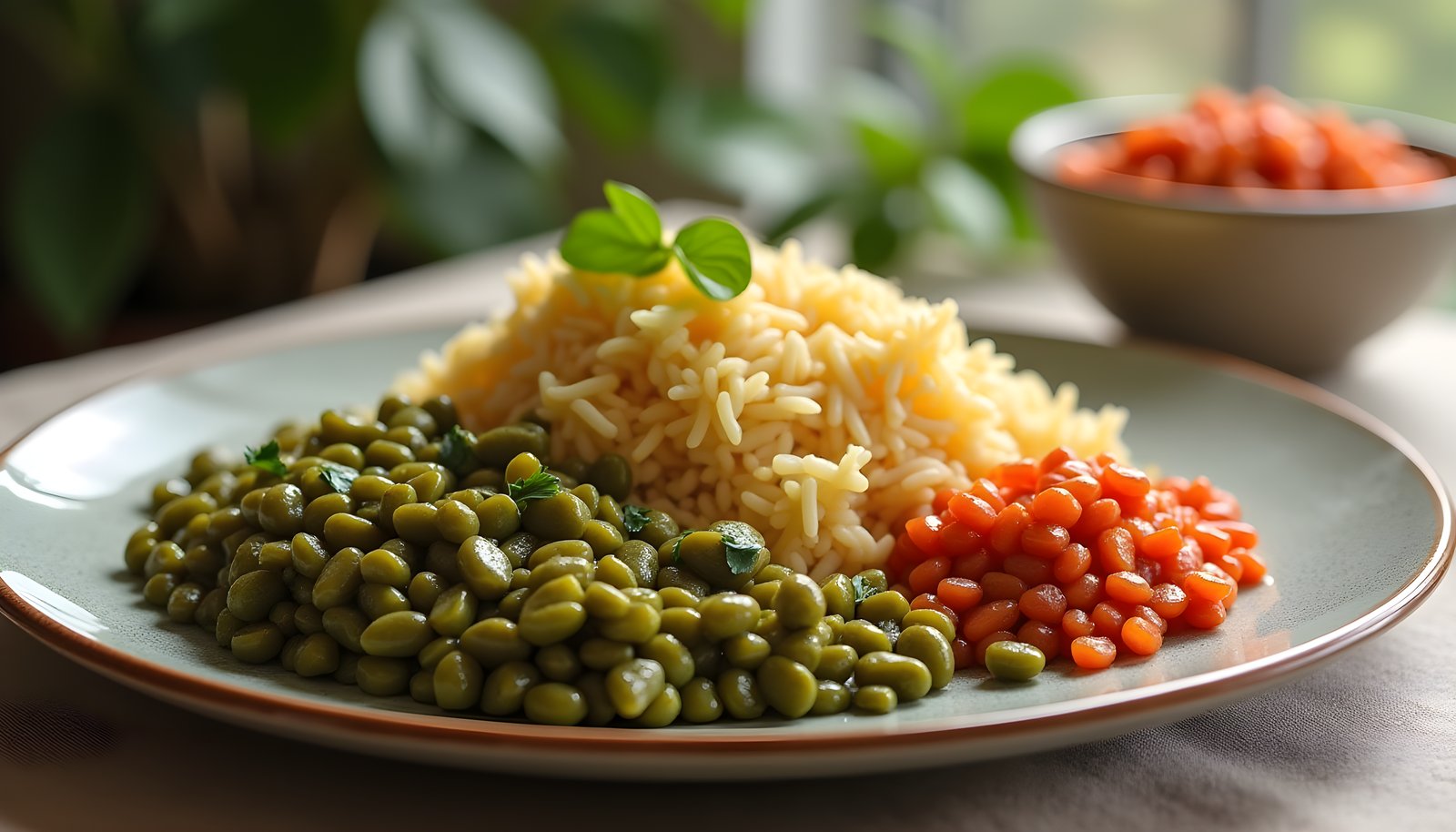
Lentils fiber reaches about 15.6 grams in a cooked cup, and red, green and brown lentils land within a whisker of each other. Swapping half the rice or potatoes on your plate for lentils also cut the blood sugar response by roughly 20 to 35% in a Canadian trial.
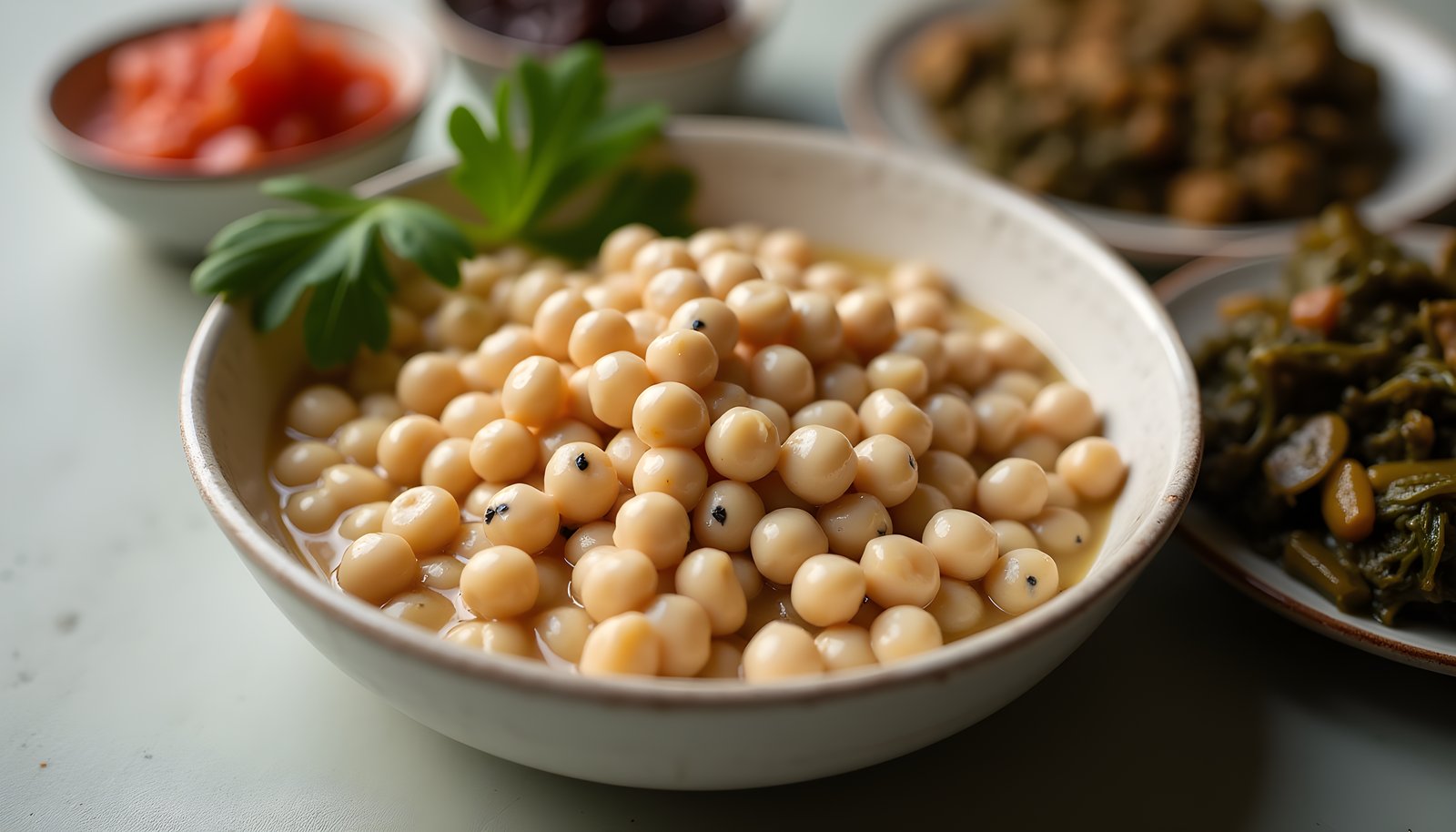
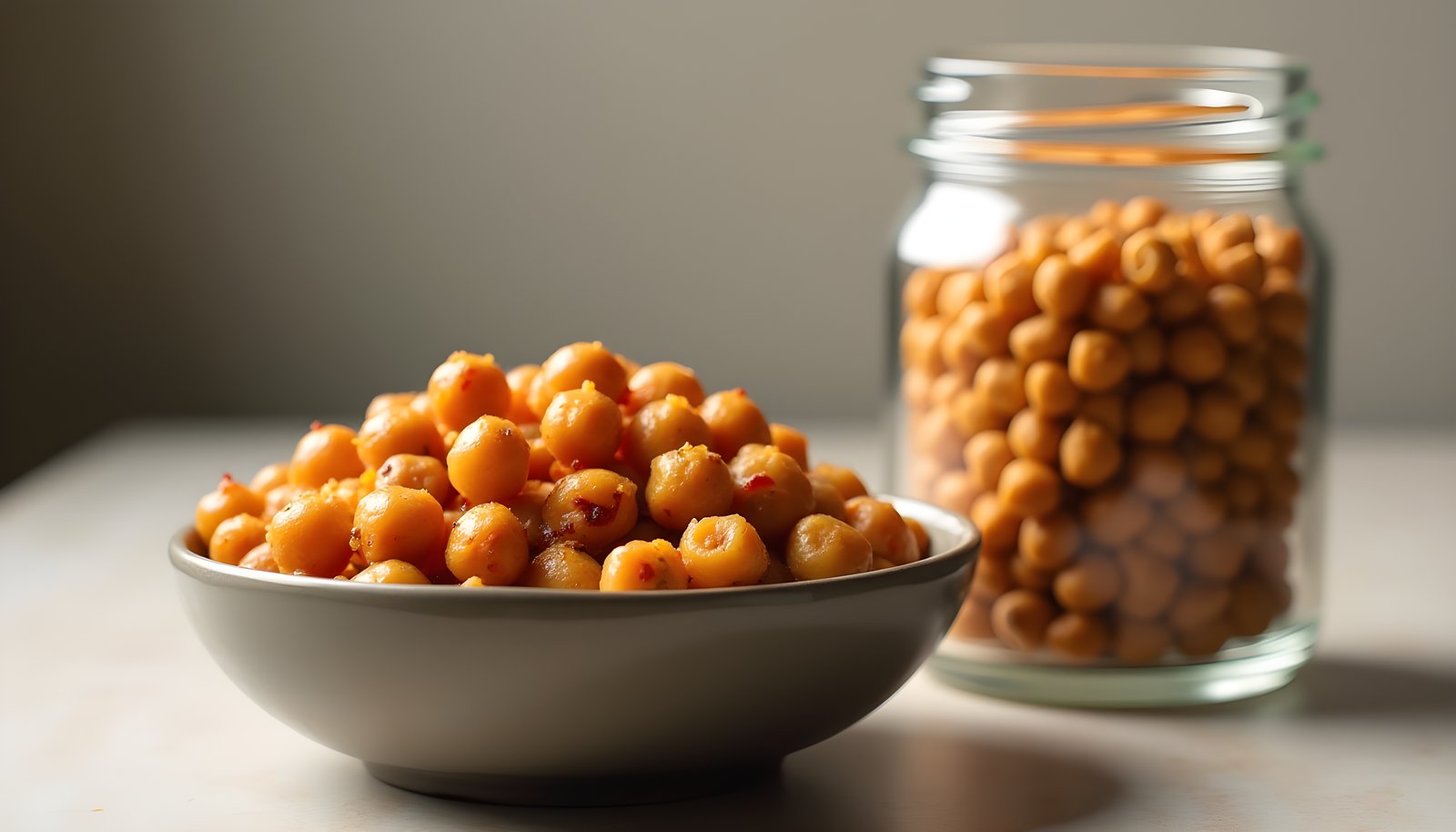
Chickpeas fiber comes to about 12.5 grams per cup cooked from dry and about 9.6 grams per cup canned and rinsed, alongside roughly 14 grams of protein. In one Australian study, adding four cans of chickpeas a week raised fiber intake by almost 7 grams a day and nudged cholesterol down.
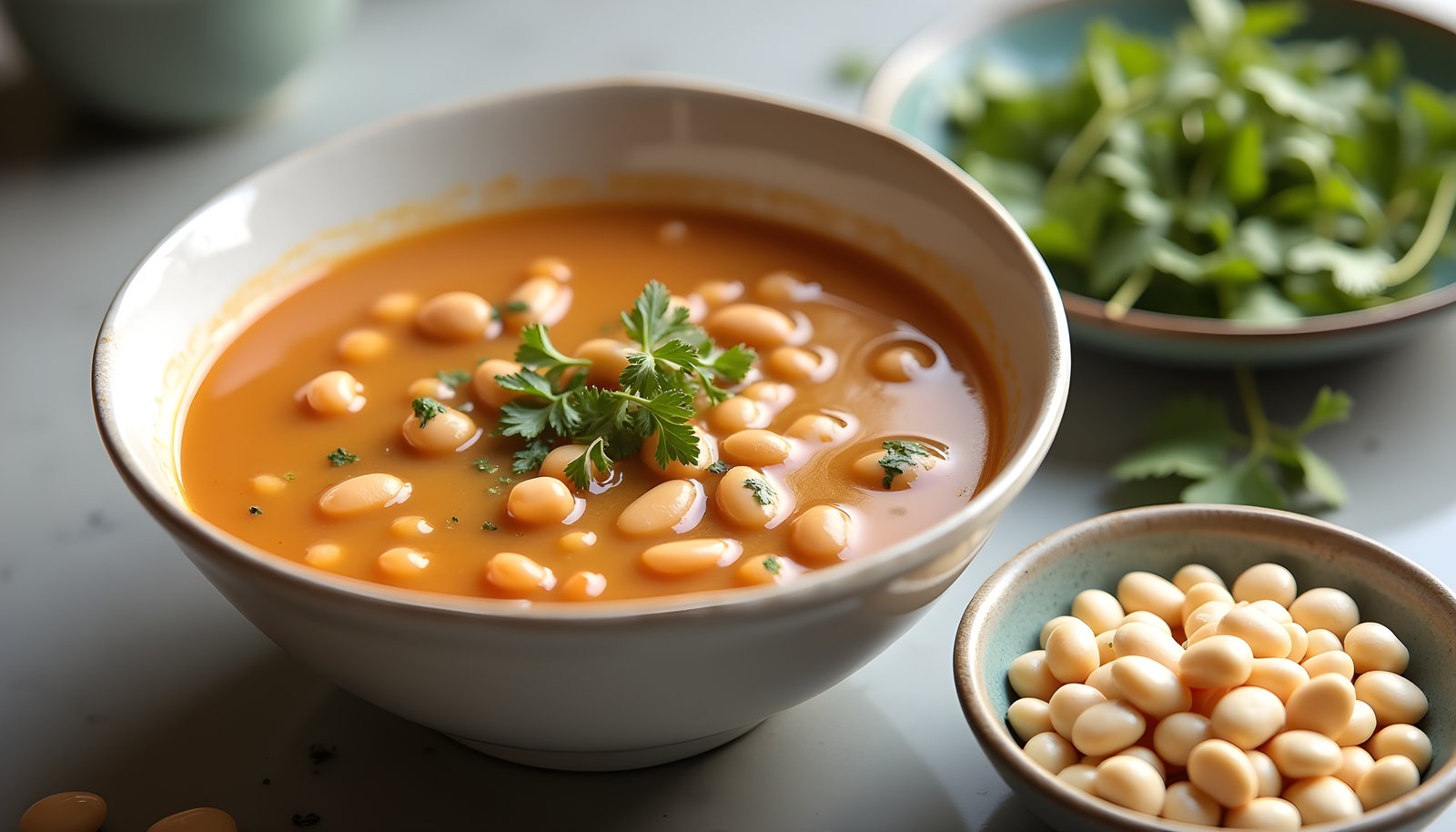
Navy beans fiber tops the common bean list at about 19 grams per cooked cup, or 10.5 grams per 100 grams. Those small white beans also bring about 15 grams of protein and more than half a day’s folate, which makes them one of the most efficient high fiber foods you can buy.
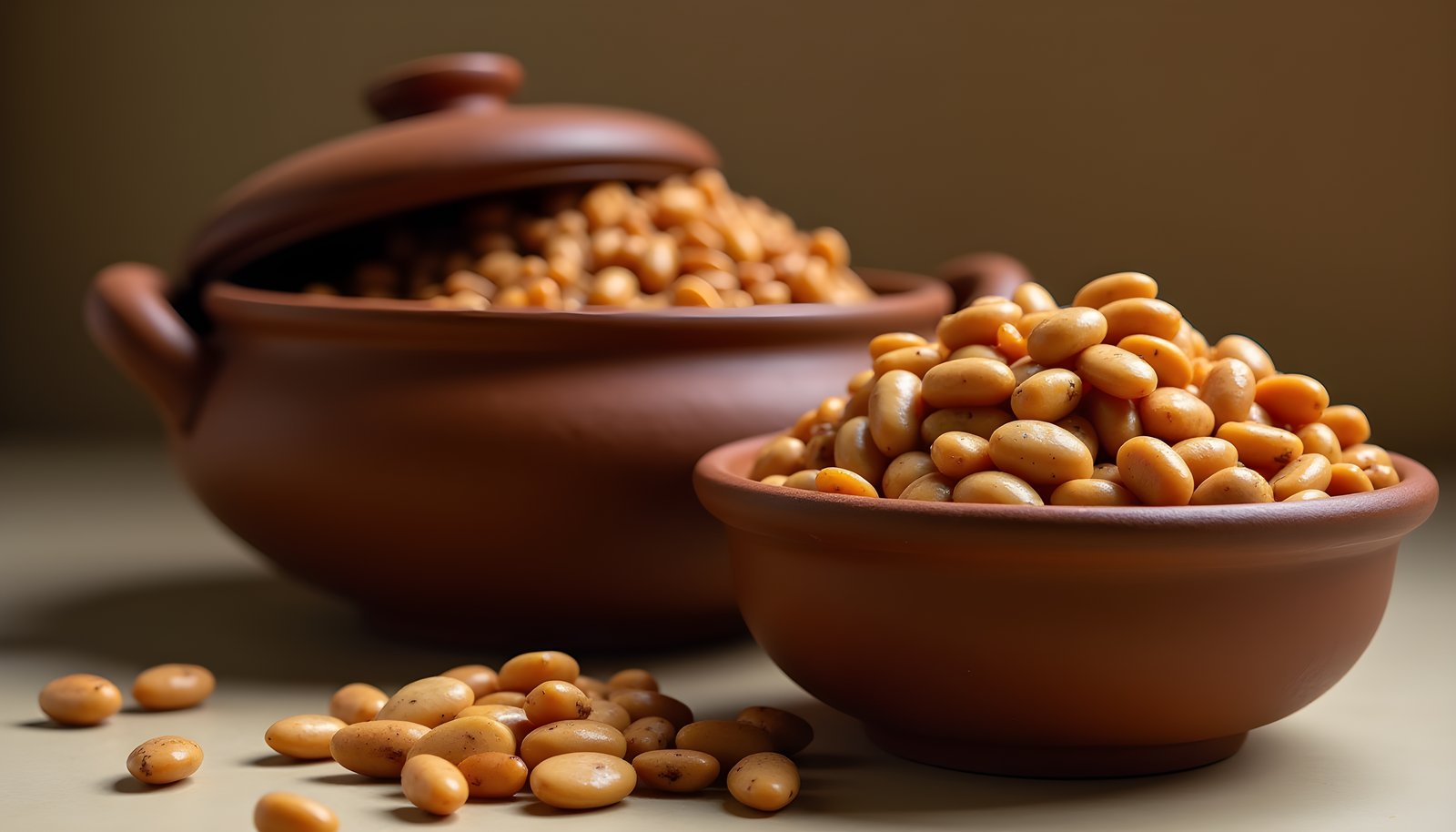
Pinto beans fiber adds up to about 15 grams per cooked cup, or 9 grams per 100 grams, which puts them near the top of the bean aisle. That fiber, plus about 15 grams of protein, helps explain why a pinto bean and rice plate raises blood sugar more gently than rice alone.
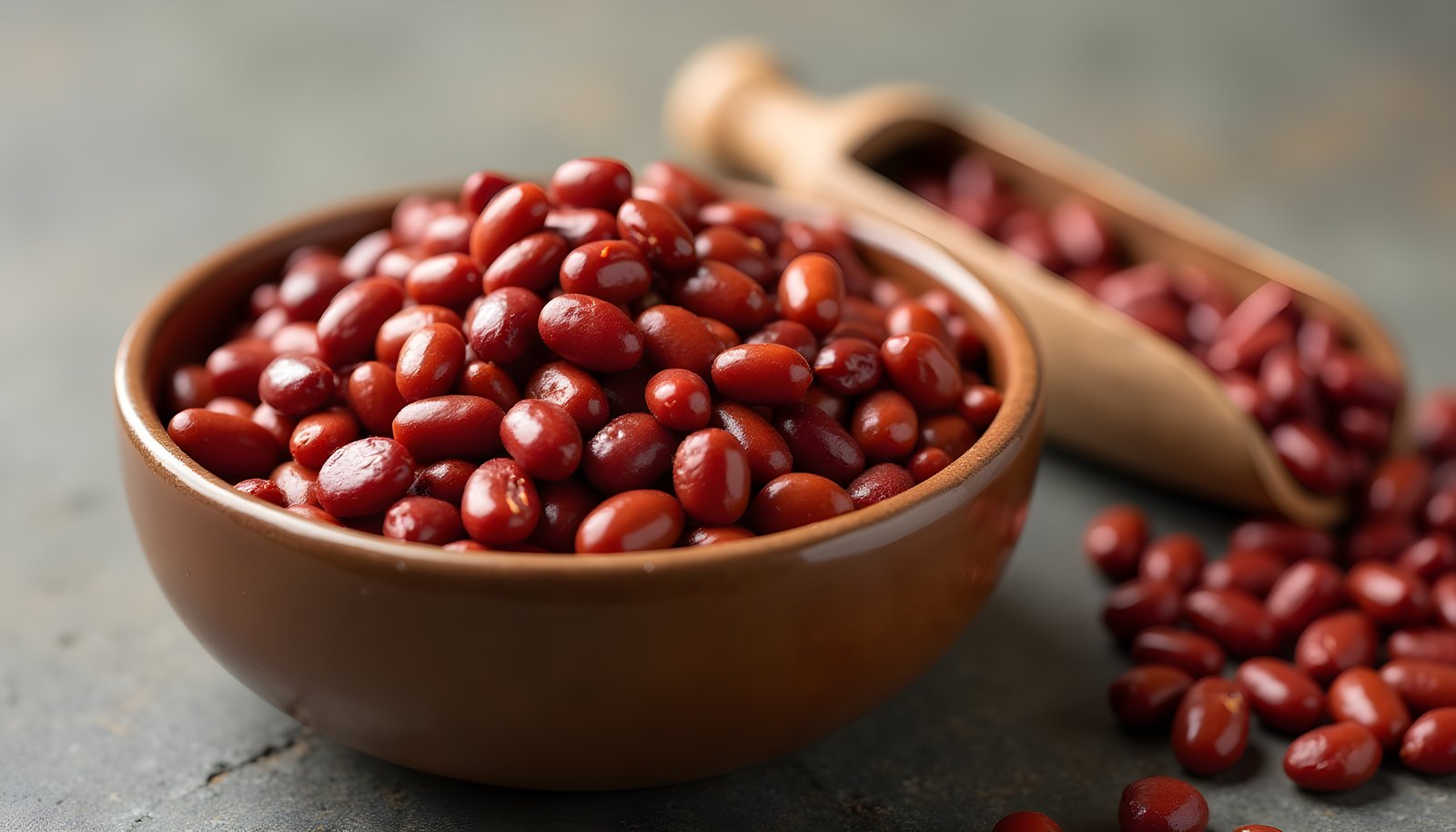
Kidney beans fiber comes to about 13 grams per cooked cup, or 7.4 grams per 100 grams, along with about 15 grams of protein. Canned kidney beans keep most of that fiber, but dry red kidney beans must be boiled thoroughly, because undercooked ones carry a natural toxin that heat destroys.
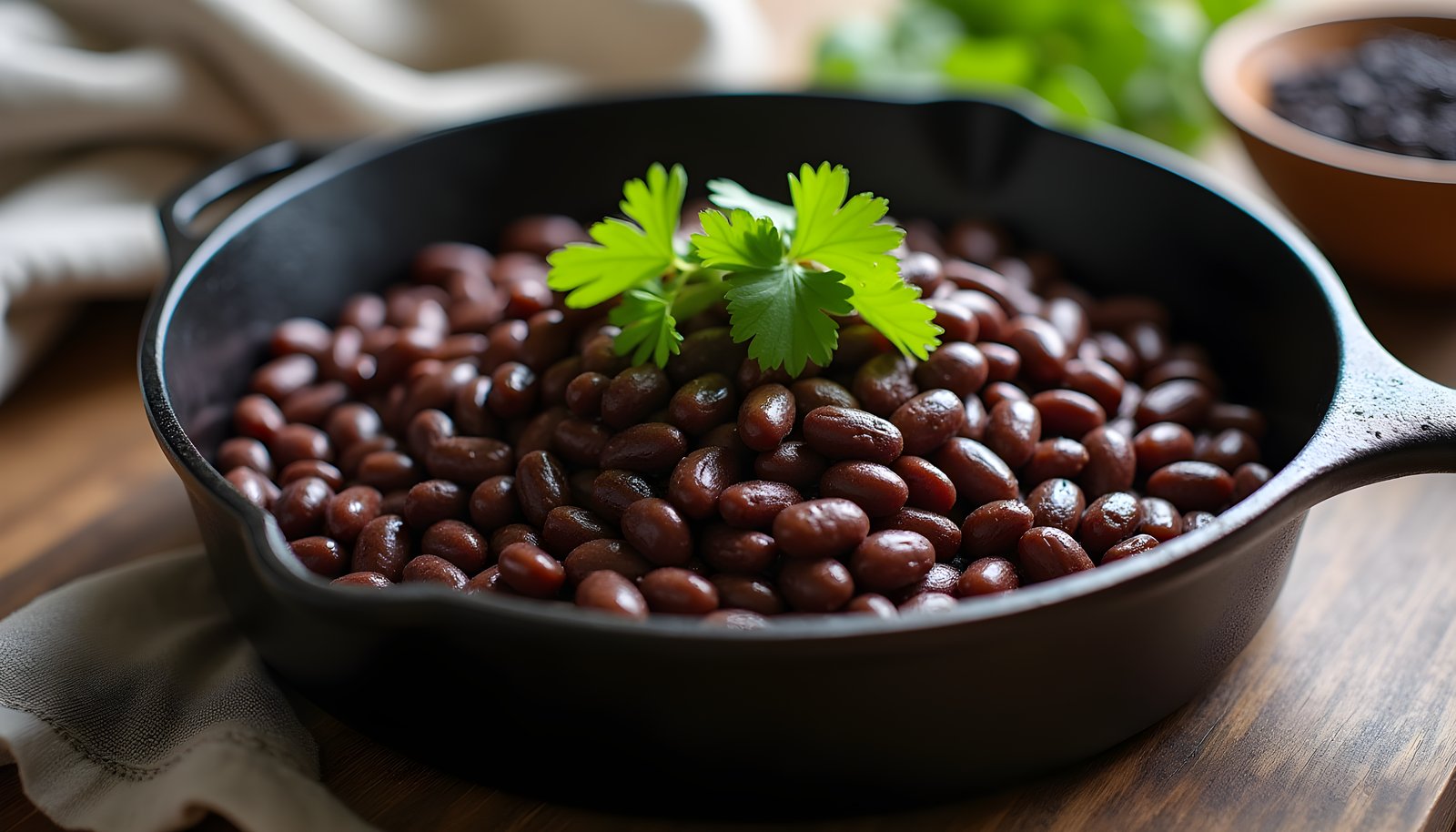
Black beans fiber comes to about 15 grams per cooked cup, or 7.5 grams in a half cup, which is more than half of a woman’s daily target in one cup. They also bring about 15 grams of protein, plenty of folate and magnesium, and in one small trial, a black bean meal kept insulin lower than a fiber-matched meal without beans.
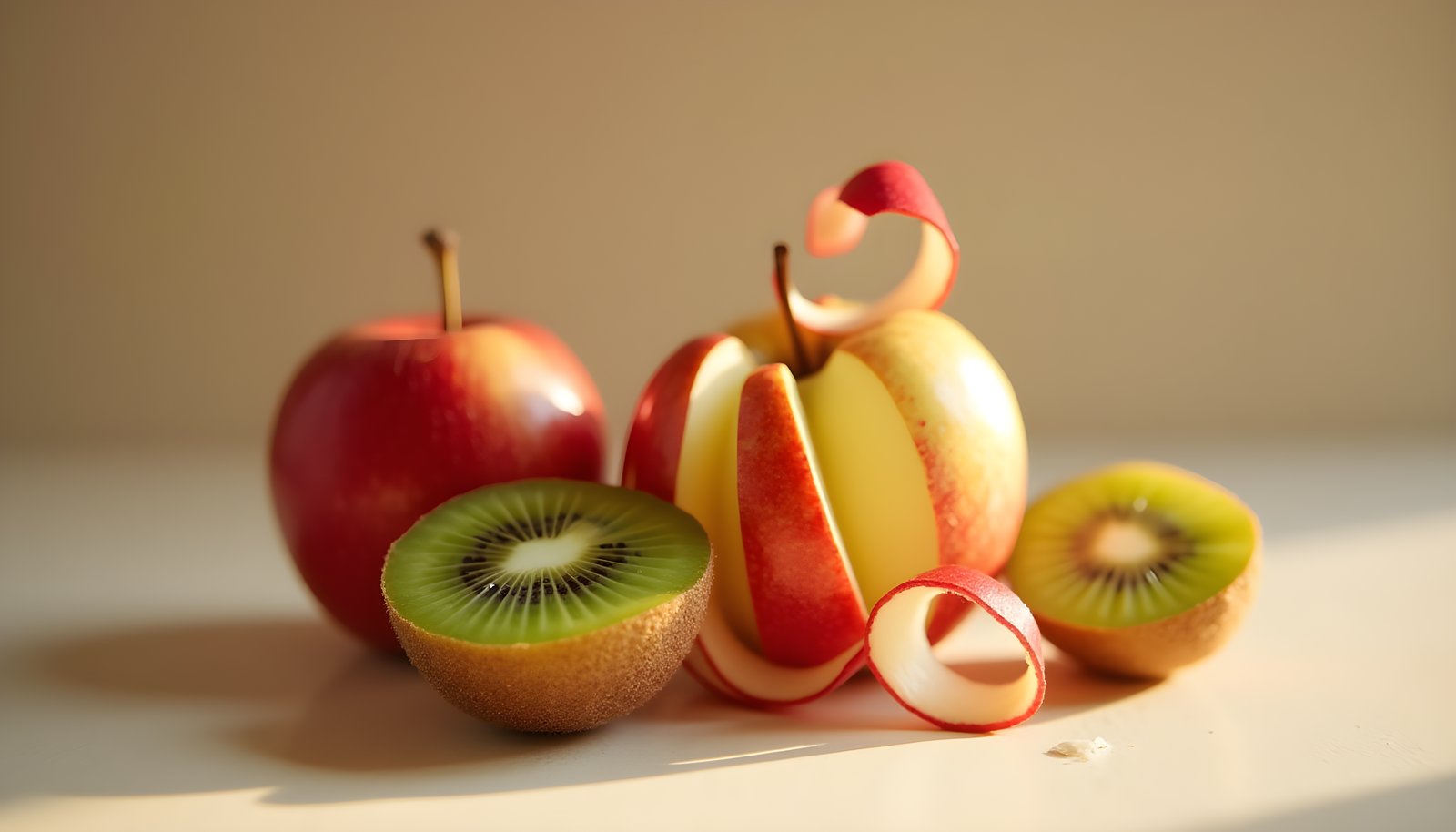
Yes, for fruits with thin edible skins: peeling fruits fiber loss runs close to half for an apple, and eating a kiwi with its skin adds about 50% more fiber. For fruits you’d never eat the peel of, like bananas, oranges and mangoes, peeling costs you nothing, because the fiber counts already assume the peel is gone.