Fruits, vegetables, grains, legumes, nuts and more – discover which everyday foods pack the most fiber, how much they deliver, and simple ways to eat more of them every day.
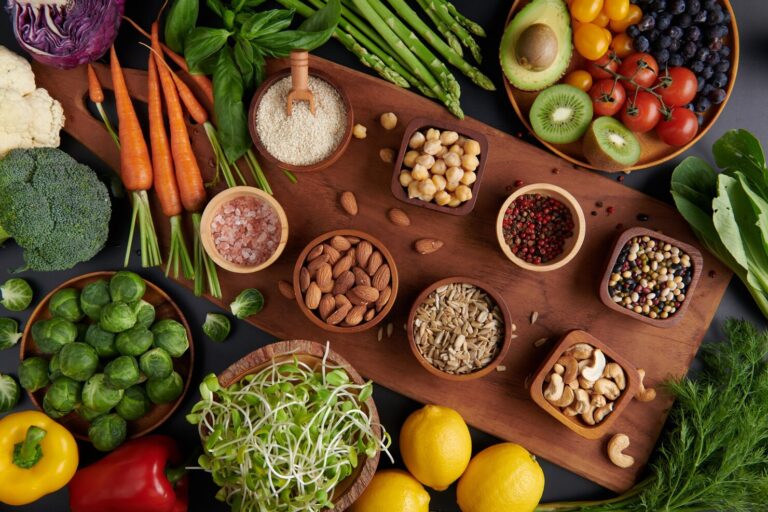
A here’s no supplement that beats a plate of real food. Whole foods deliver fiber alongside vitamins, minerals, antioxidants, and water — a package no powder can match. The good news is that hitting your daily target is easier than it sounds once you know where fiber actually hides.
Beans and legumes are fiber powerhouses; a single cup can cover more than half your day. Whole
grains, fruit eaten with the skin, vegetables, nuts, and seeds all stack up quickly. Variety matters too
— different foods carry different types of fiber, so a mixed plate feeds a wider range of gut bacteria
than any single food or supplement could.
“You don’t need exotic superfoods to hit your fiber goal — beans, oats,
berries, and a handful of nuts will get most people there.”
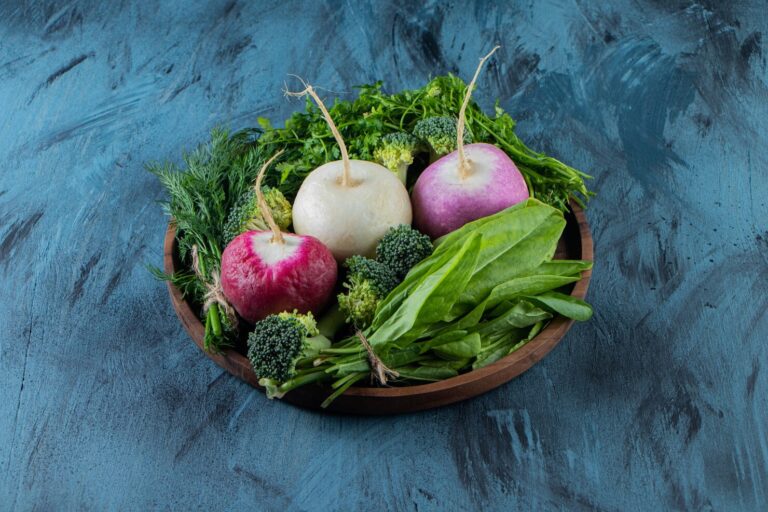
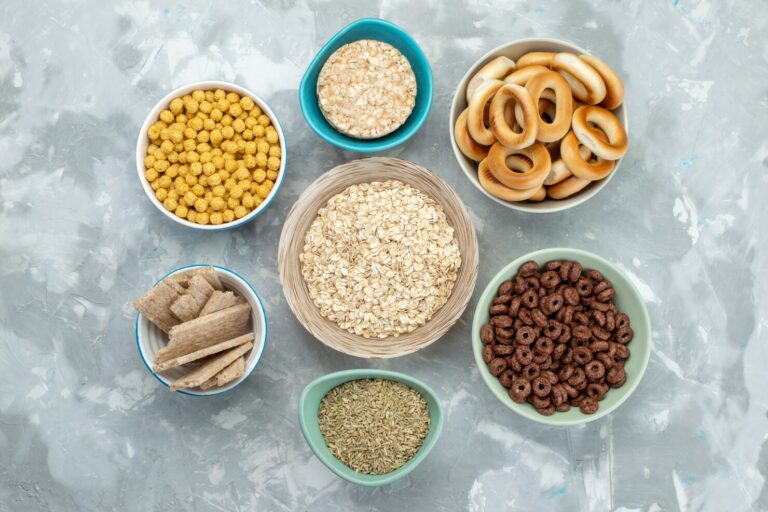
That’s why we organize everything by food group. Browse fruits, vegetables, grains, legumes, nuts and seeds, dairy and alternatives, or proteins to see exactly how much fiber each delivers — with the standout picks in every category called out for you.
Not sure where to start? Begin with the highest-fiber foods, then explore the food group you eat most — small, consistent swaps are what move your daily total.
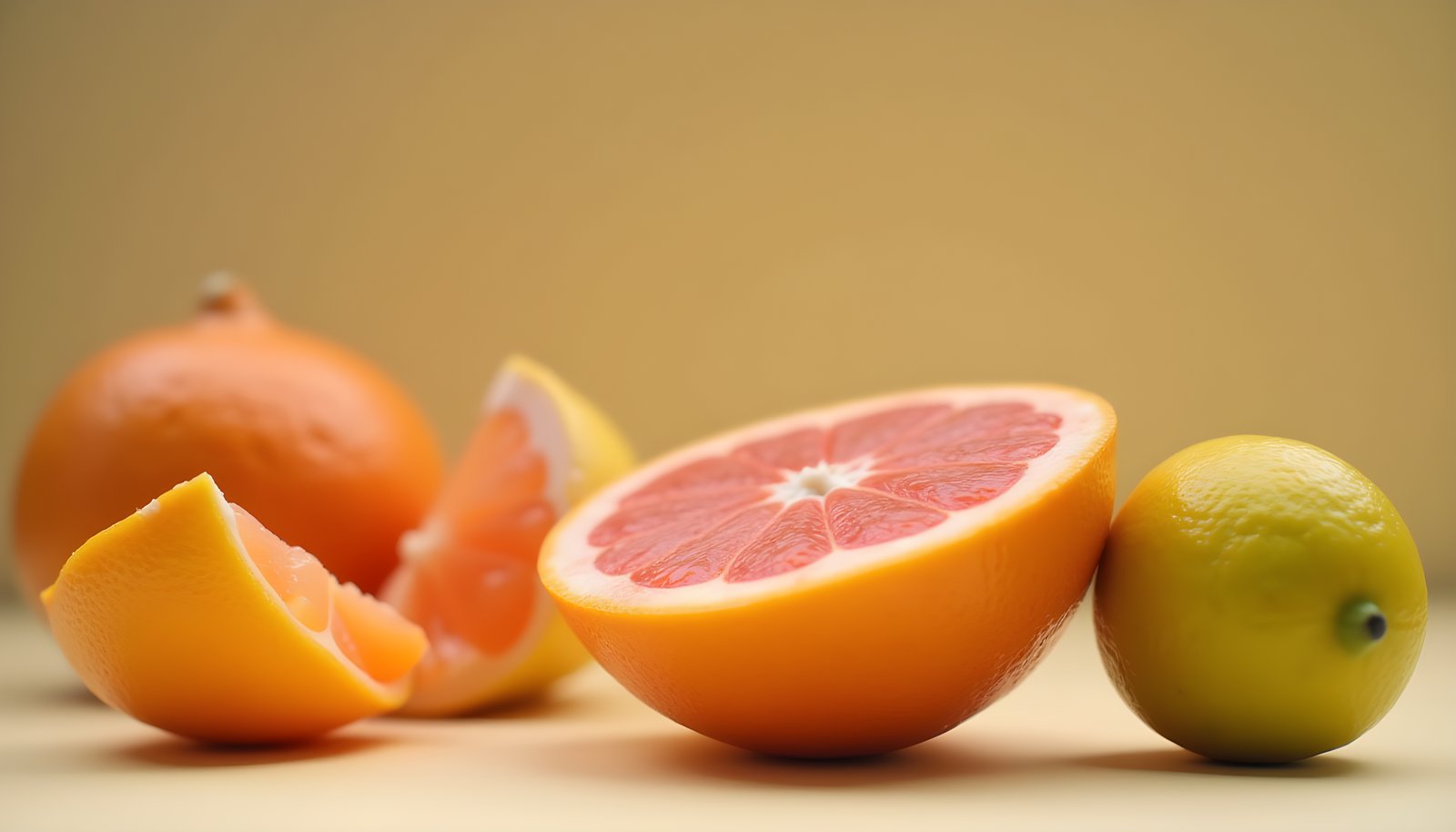
In a citrus fruits fiber comparison, a whole orange leads everyday picks with about 3 grams, but kumquats win per bite at 6.5 grams per 100 grams because you eat the peel. Lemons and limes are surprisingly fiber dense, while their juice keeps almost none.
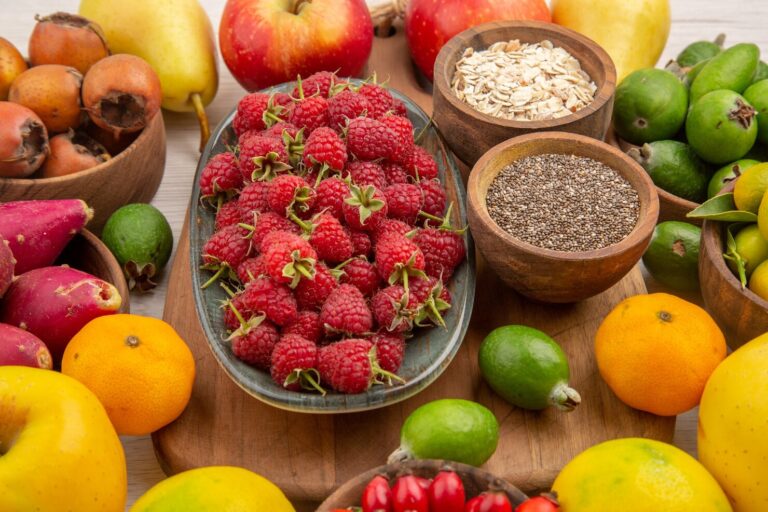
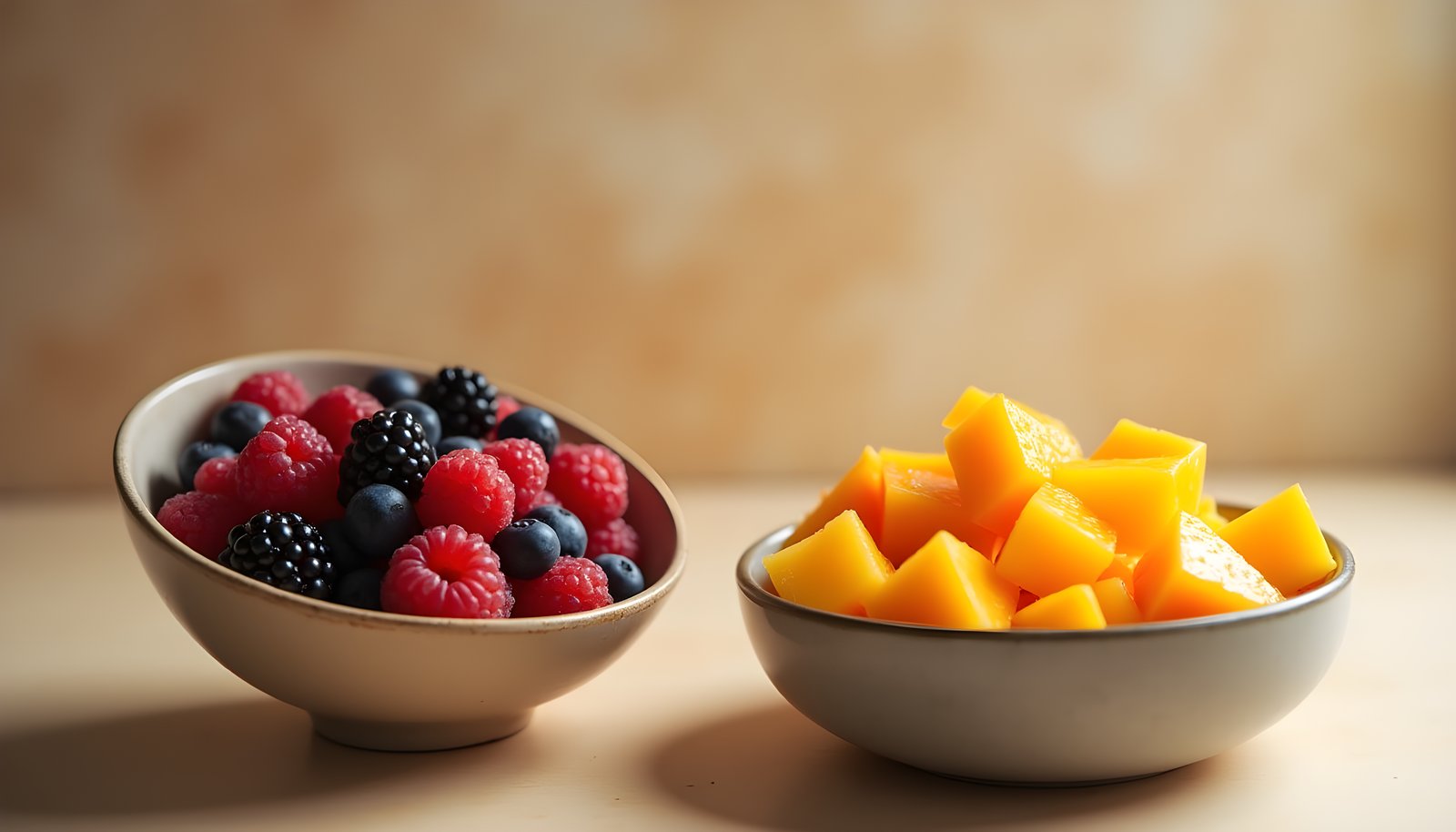
On berries vs tropical fruits fiber, raspberries and blackberries win per calorie with about 8 grams a cup for roughly 60 calories. Guava and passion fruit match or beat them per serving, while mango and pineapple trail with under 3 grams a cup.
Chicory coffee fiber starts strong: dried chicory root is about 80% inulin, a prebiotic fiber. Roasting breaks much of that inulin down, and USDA lists brewed chicory drinks at 0 grams, so the benefits depend on how your chicory is made.
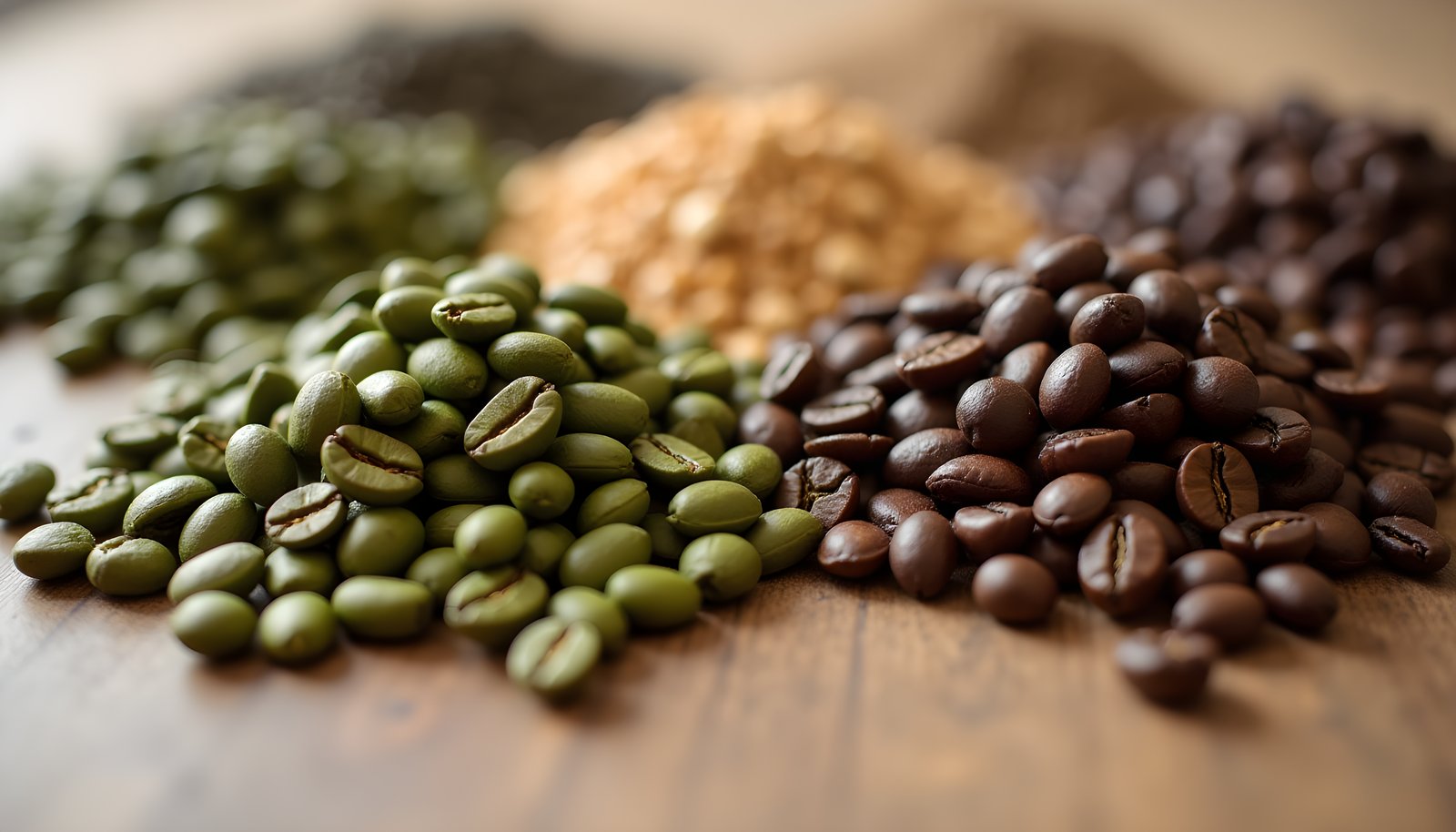
Arabica beans give the most fiber to your cup, but coffee beans fiber content peaks in the parts you throw away. Spent grounds hold 43 to 58% fiber and the papery silverskin up to 80%, while a brewed cup keeps only a small soluble share.
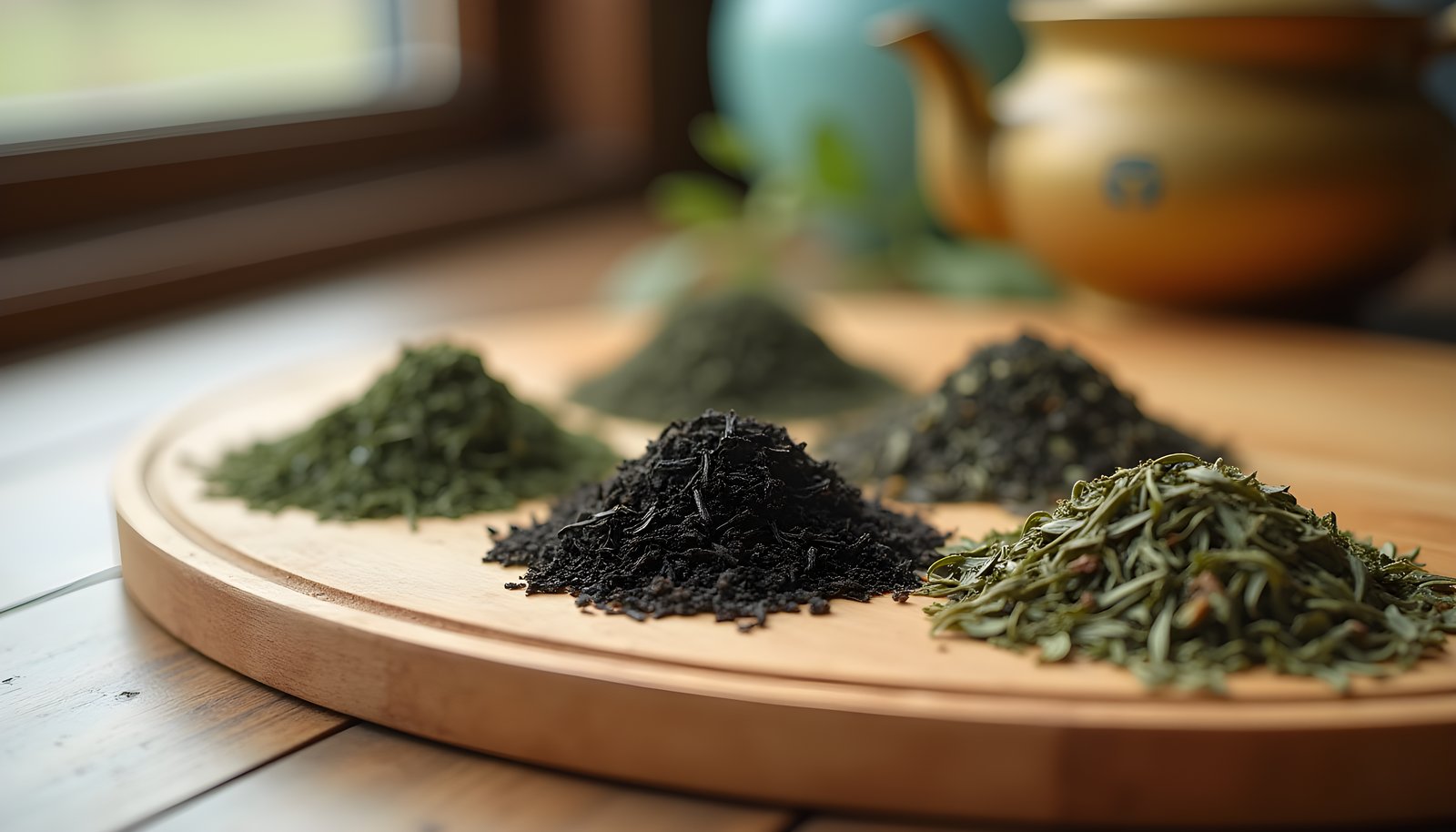
On green tea vs black tea fiber, it’s a tie in the cup: USDA lists 0 grams for both brewed teas. The difference lives in the dry leaf, where black tea carried more cell wall fiber and green tea more polyphenols, and only matcha brings leaf fiber into your mug.
Matcha tops the list for tea leaves fiber content at about 56 grams per 100 grams, with black tea leaves close behind at roughly 50 to 54 grams. Every tea leaf is about half fiber when dry, but you only get it when you eat the leaf, as with matcha or Thai fermented tea.
Brewed tea has no measurable fiber: USDA lists 0 grams per cup for black, green, oolong and herbal teas alike. The tea fiber content stays in the leaf, which is about half fiber by weight, so only teas where you consume the leaf itself, like matcha, carry any grams.
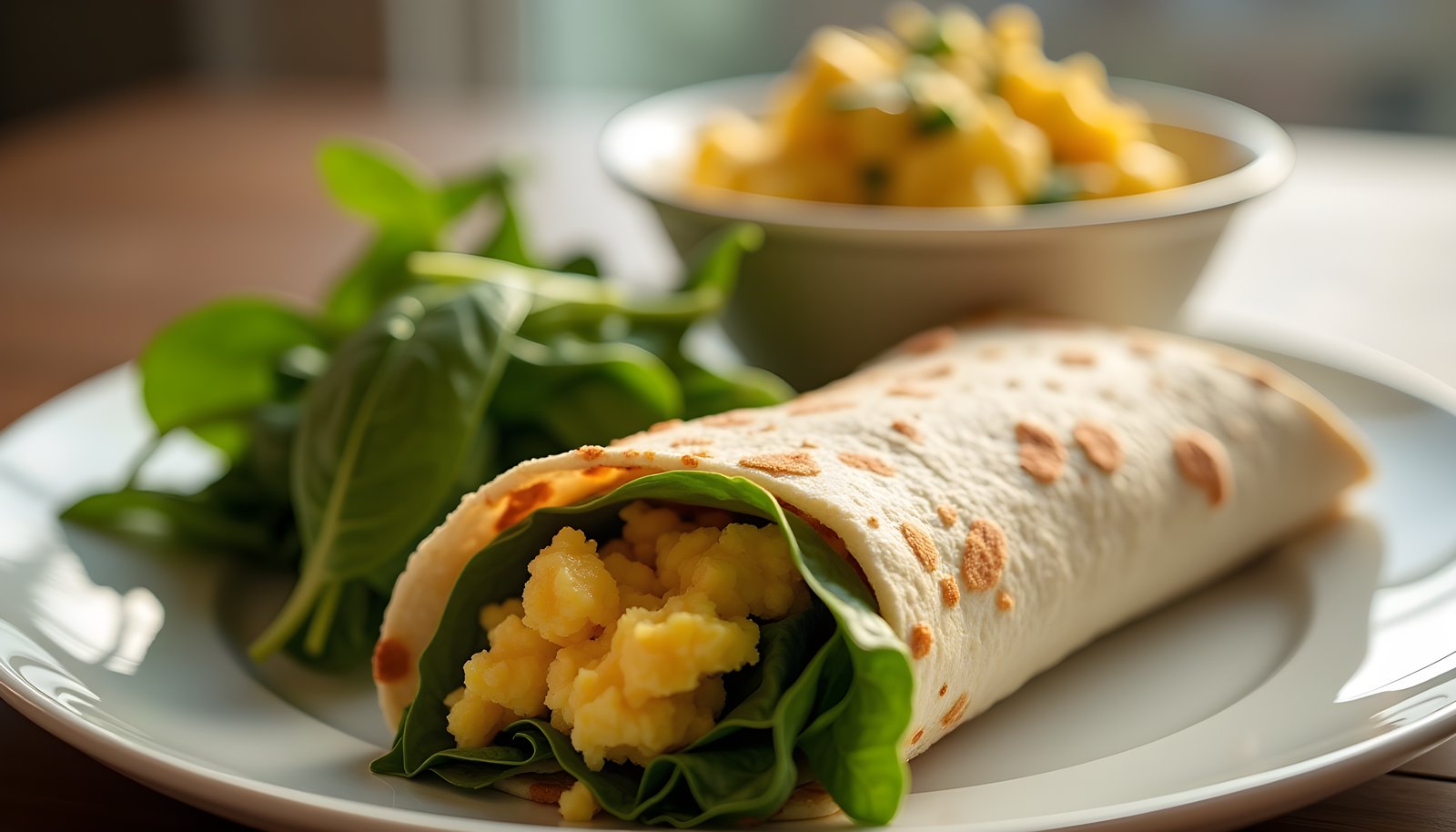
The egg products with fiber at the top of the list are burritos and wraps, led by an organic egg white burrito with 5 grams, and nearly all of it comes from whole wheat tortillas, beans and vegetables rather than a fiber additive. Plain egg bites, bagels and egg white wraps sit at 0 to 1 gram.
No. Egg protein powder fiber is 0 grams in every egg white and whole egg powder checked in USDA records, because dried egg has no fiber to begin with. What you mix the scoop with, such as berries, chia or oats, decides whether your shake carries any.
Most store bought egg bites carry 0 to 1 gram of fiber per serving, and homemade egg muffins fiber depends entirely on the vegetables you fold in. Load a batch with sweet potato, peas and greens and three muffins can reach about 6 grams.