Fruits, vegetables, grains, legumes, nuts and more – discover which everyday foods pack the most fiber, how much they deliver, and simple ways to eat more of them every day.
A here’s no supplement that beats a plate of real food. Whole foods deliver fiber alongside vitamins, minerals, antioxidants, and water — a package no powder can match. The good news is that hitting your daily target is easier than it sounds once you know where fiber actually hides.
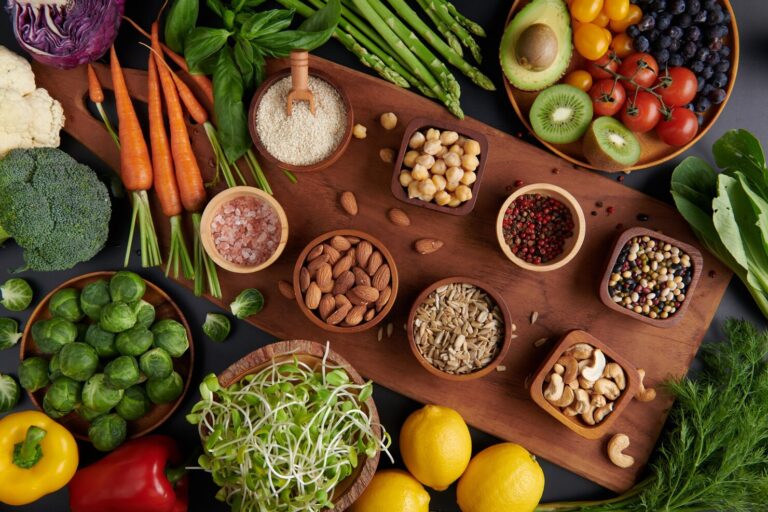
Beans and legumes are fiber powerhouses; a single cup can cover more than half your day. Whole
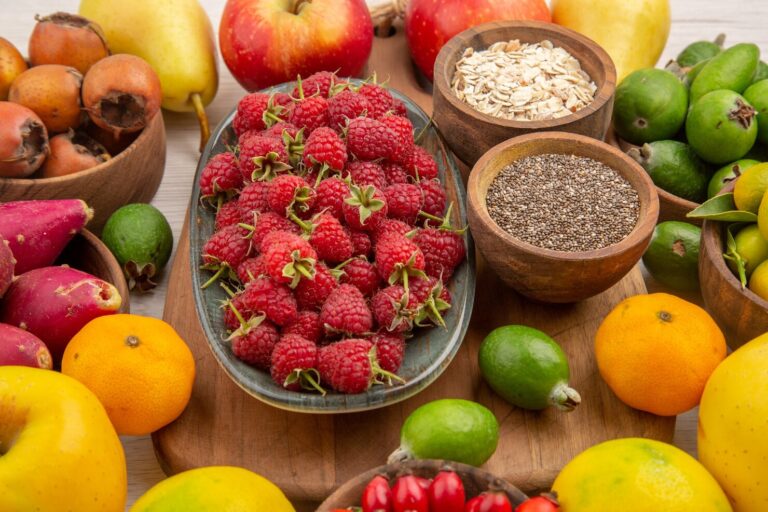
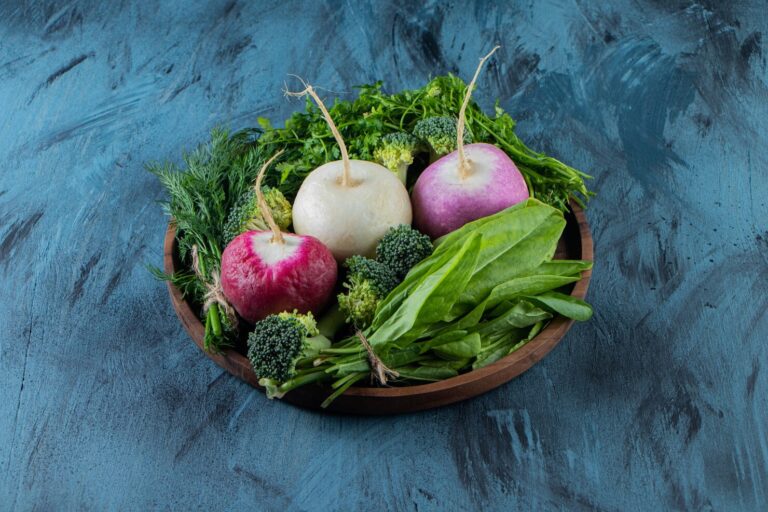
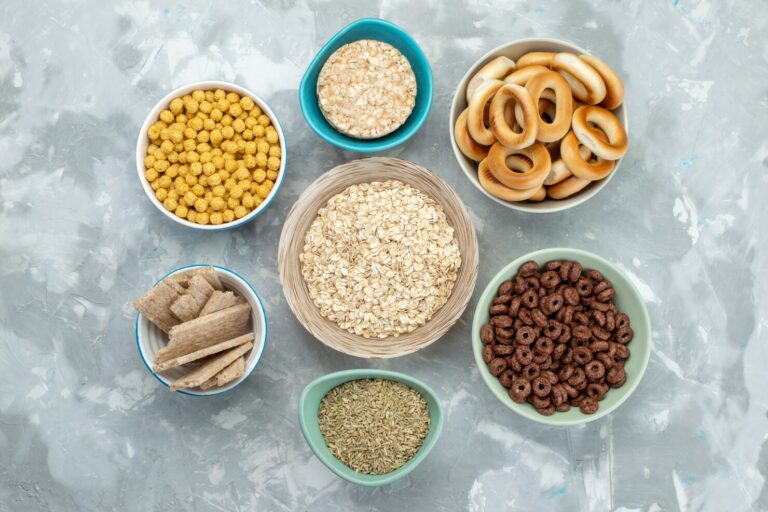
grains, fruit eaten with the skin, vegetables, nuts, and seeds all stack up quickly. Variety matters too
— different foods carry different types of fiber, so a mixed plate feeds a wider range of gut bacteria
than any single food or supplement could.
“You don’t need exotic superfoods to hit your fiber goal — beans, oats,
berries, and a handful of nuts will get most people there.”
That’s why we organize everything by food group. Browse fruits, vegetables, grains, legumes, nuts and seeds, dairy and alternatives, or proteins to see exactly how much fiber each delivers — with the standout picks in every category called out for you.
Not sure where to start? Begin with the highest-fiber foods, then explore the food group you eat most — small, consistent swaps are what move your daily total.
Almost never. Fiber fortified egg products are rare, and enriched eggs are usually boosted with omega-3 fats through hen feed, not fiber. When an egg based food lists fiber, it nearly always comes from added plant ingredients like whole wheat tortillas or beans.
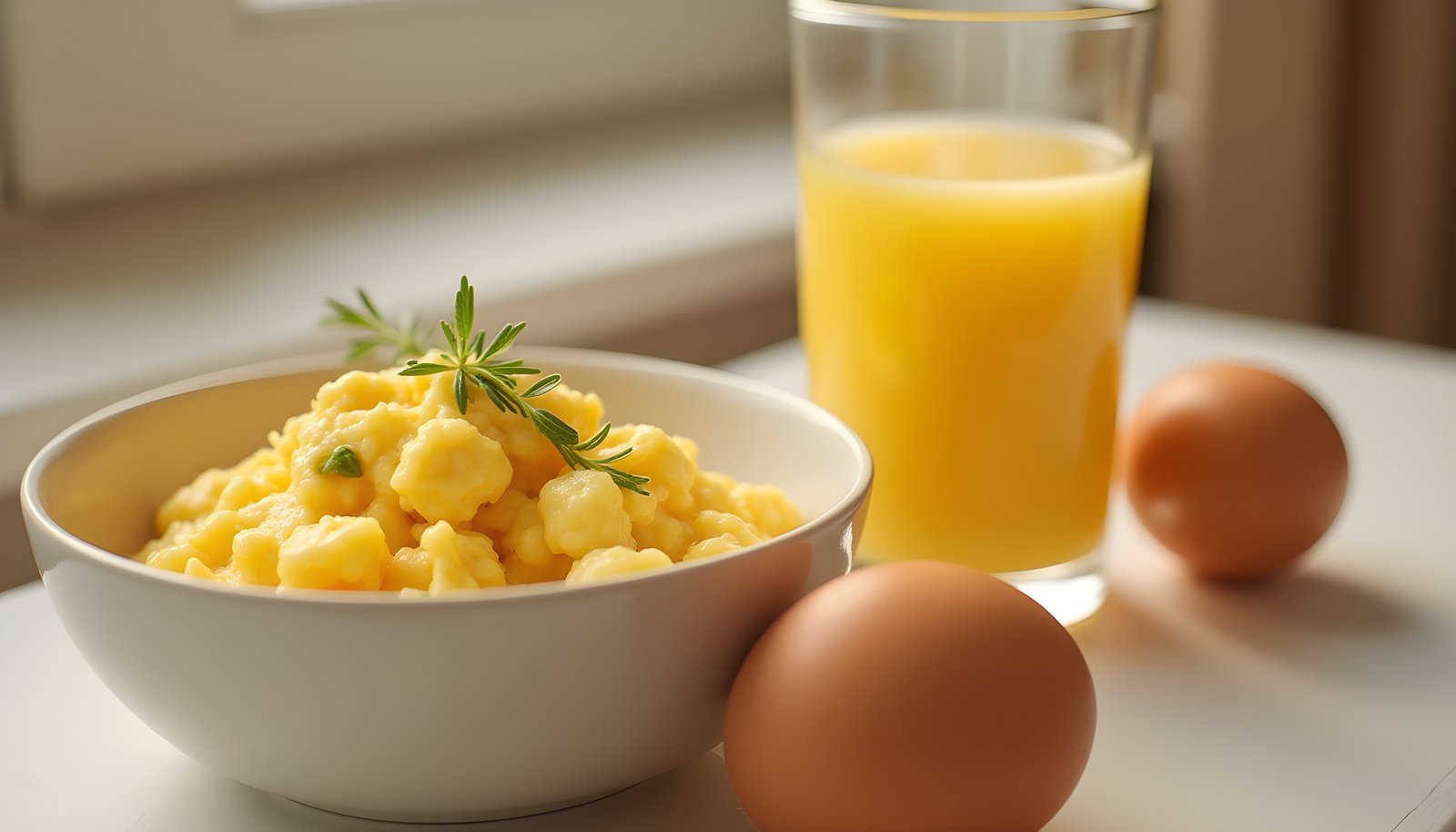
Barely. Most classic egg dishes land between 0 and 2 grams of fiber, so typical egg breakfast fiber is a small fraction of what you need. The eggs themselves add none, and the bread, vegetables or beans on the plate decide the rest.
Whole eggs, liquid egg whites and carton egg substitutes fiber levels are all 0 grams, so switching between them won’t change your fiber intake. Only plant replacements made from seeds or fruit, like chia, flax or mashed banana, bring a few grams with them.
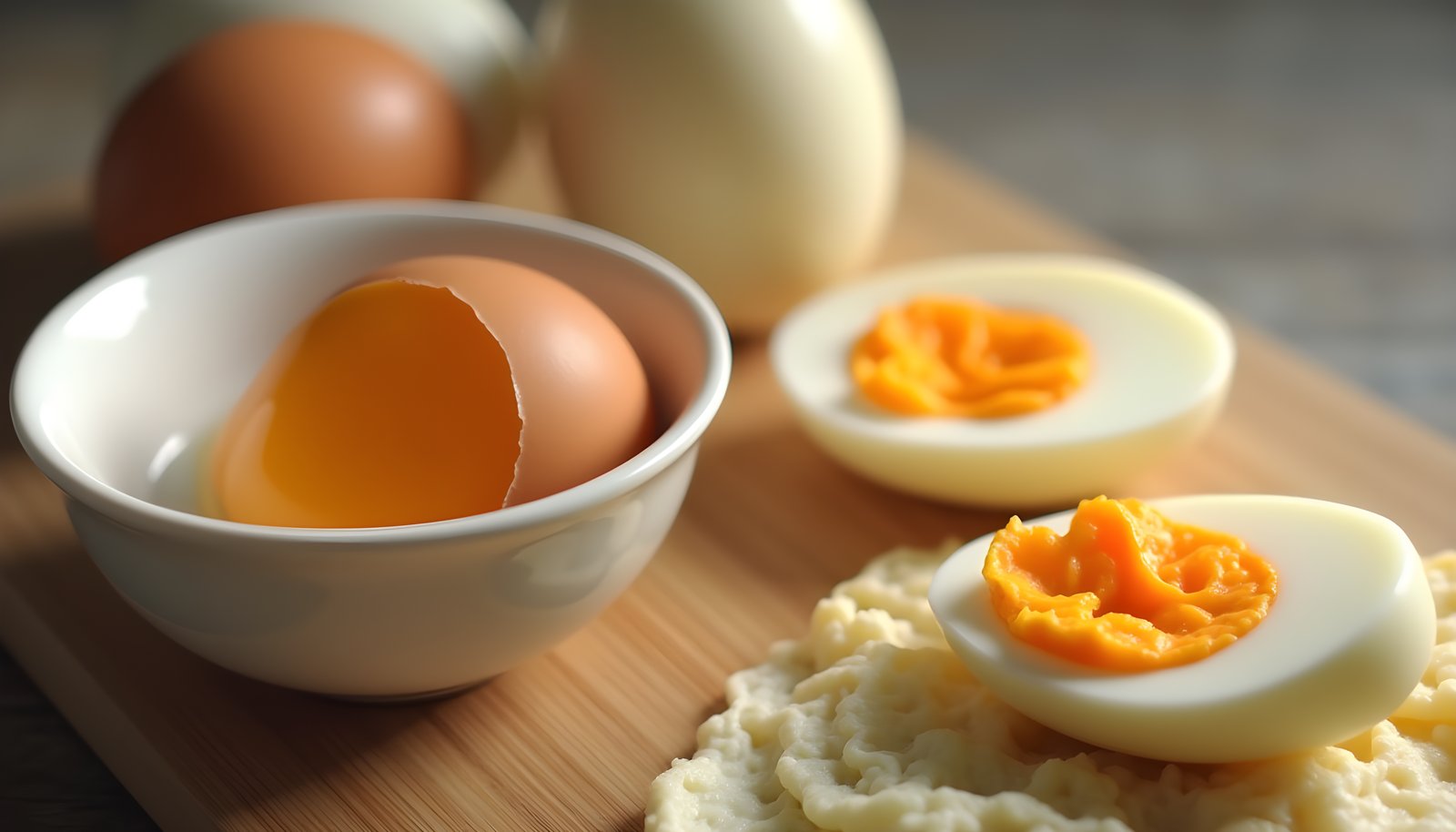
Raw vs cooked eggs fiber content is identical: 0 grams, whether the egg is raw, boiled, fried, poached or scrambled. Cooking does change other things, though, including how much of the protein you absorb and whether you can use the egg’s biotin.
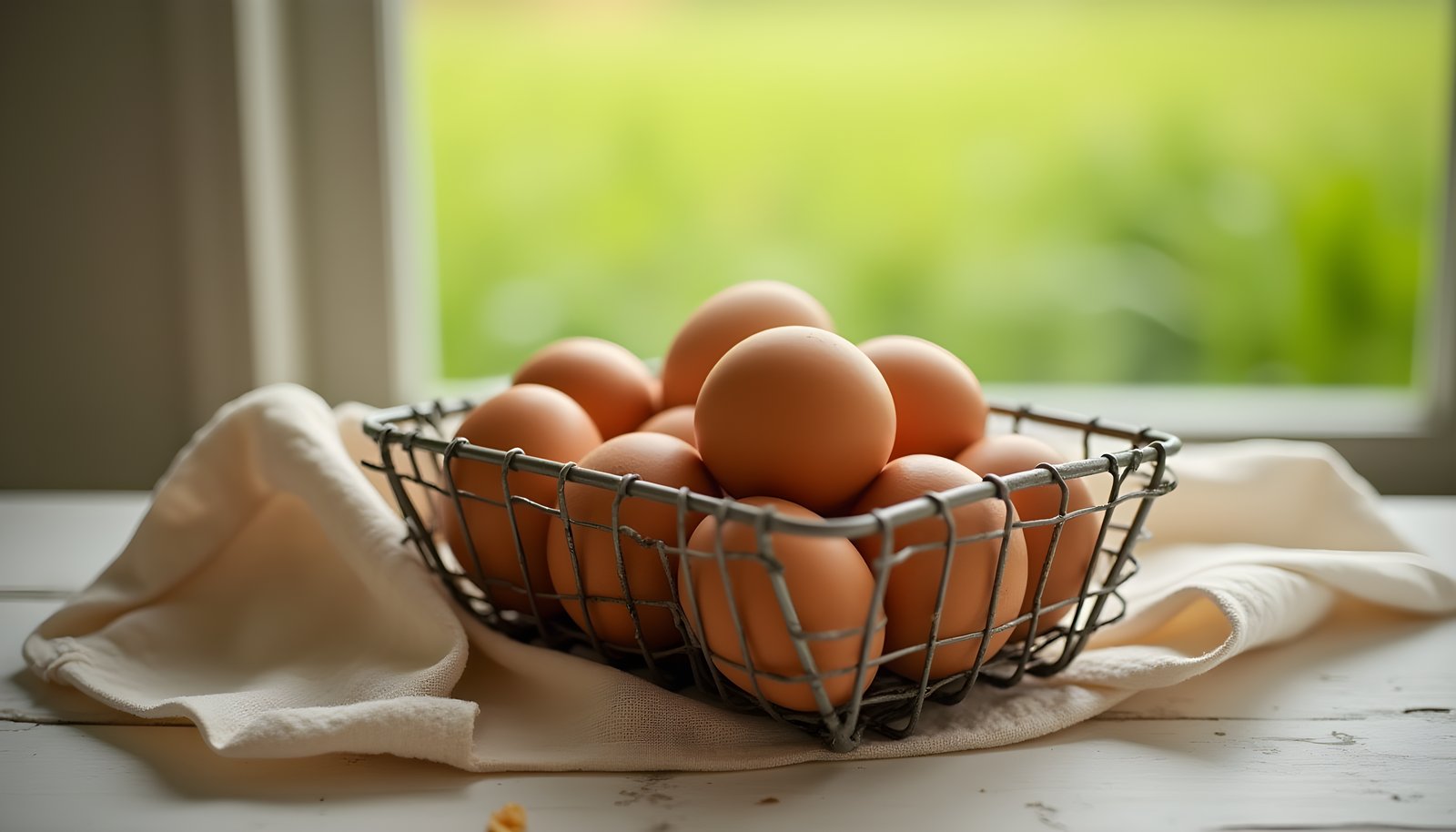
No. Free range eggs fiber content is 0 grams, the same as cage free or caged eggs, even when hens spend their days eating grass and clover. Outdoor access can shift a few nutrients in the yolk, such as vitamin E and omega-3 fats, but it never adds fiber.
No. Organic eggs fiber content is 0 grams, exactly like conventional eggs, because no egg contains fiber. The organic seal is a farming standard covering feed and outdoor access for the hens, not a nutrition upgrade, though a few feed choices do change what ends up in the yolk.
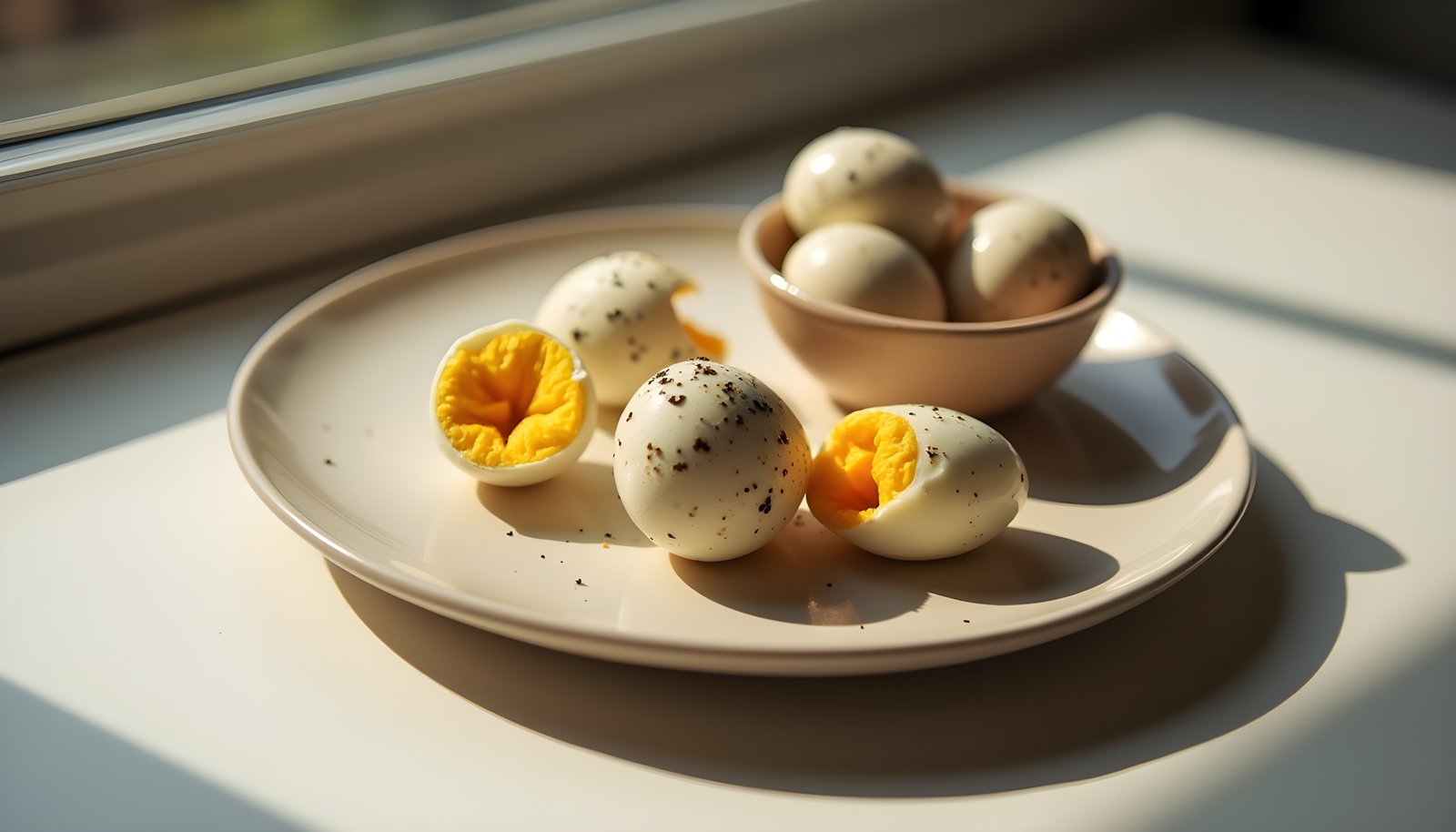
Quail eggs fiber content is 0 grams, whether you eat one or a dozen. Each 9 gram egg brings about 14 calories and 1.2 grams of protein, and by weight quail eggs carry nearly twice the riboflavin and iron of chicken eggs, along with far more cholesterol.
On chicken vs duck eggs fiber, the result is a tie at 0 grams, so neither egg is the higher fiber choice. The real differences are elsewhere: duck eggs win on B12 and iron, while chicken eggs give more protein per calorie and far less cholesterol.
Duck eggs fiber content is 0 grams, the same as a chicken egg. The surprise is everything else: one 70 gram duck egg carries about 158 percent of the Daily Value for vitamin B12, plus about 9 grams of protein and nearly half your selenium.
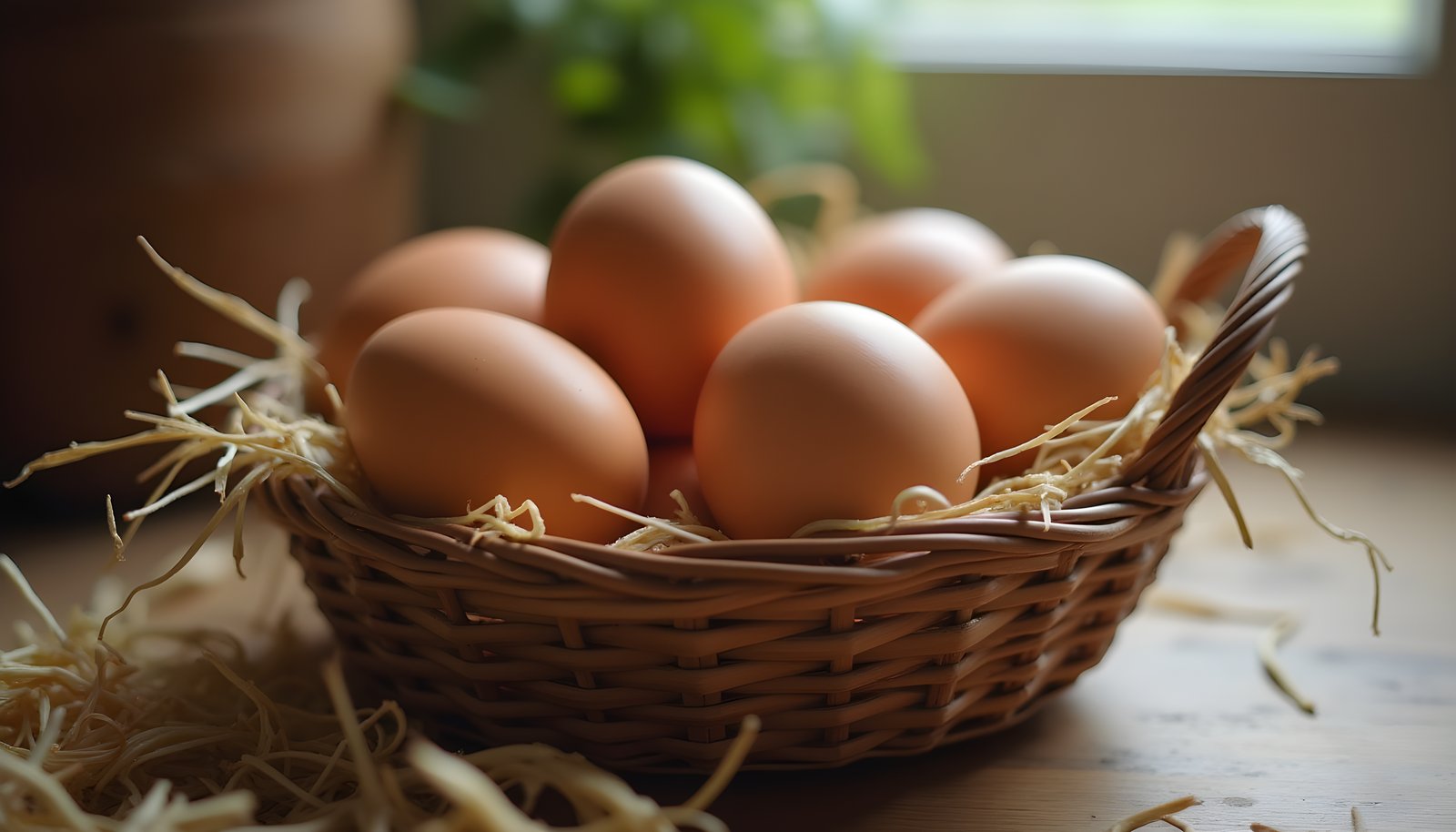
Chicken eggs fiber content is zero in every size, grade and shell color, from a peewee to a jumbo. What the carton label does change is how much protein, choline and selenium you get, so here’s how to read it and where to find the fiber instead.