Fruits, vegetables, grains, legumes, nuts and more – discover which everyday foods pack the most fiber, how much they deliver, and simple ways to eat more of them every day.
A here’s no supplement that beats a plate of real food. Whole foods deliver fiber alongside vitamins, minerals, antioxidants, and water — a package no powder can match. The good news is that hitting your daily target is easier than it sounds once you know where fiber actually hides.
Beans and legumes are fiber powerhouses; a single cup can cover more than half your day. Whole
grains, fruit eaten with the skin, vegetables, nuts, and seeds all stack up quickly. Variety matters too
— different foods carry different types of fiber, so a mixed plate feeds a wider range of gut bacteria
than any single food or supplement could.
“You don’t need exotic superfoods to hit your fiber goal — beans, oats,
berries, and a handful of nuts will get most people there.”
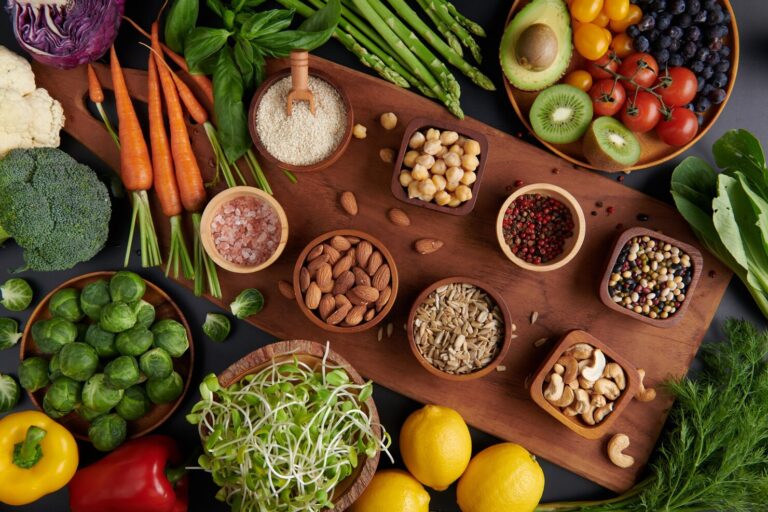
That’s why we organize everything by food group. Browse fruits, vegetables, grains, legumes, nuts and seeds, dairy and alternatives, or proteins to see exactly how much fiber each delivers — with the standout picks in every category called out for you.
Not sure where to start? Begin with the highest-fiber foods, then explore the food group you eat most — small, consistent swaps are what move your daily total.
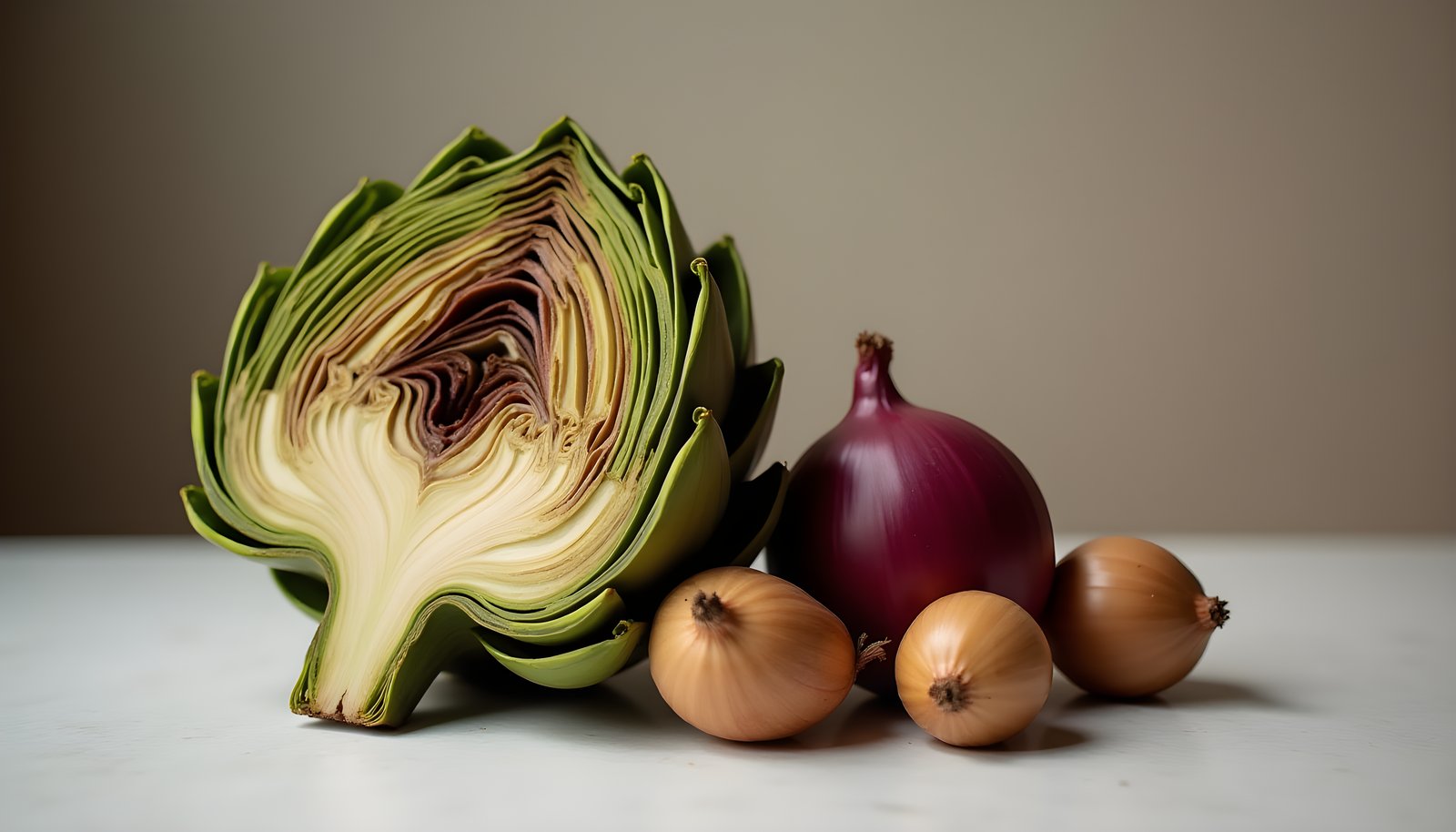
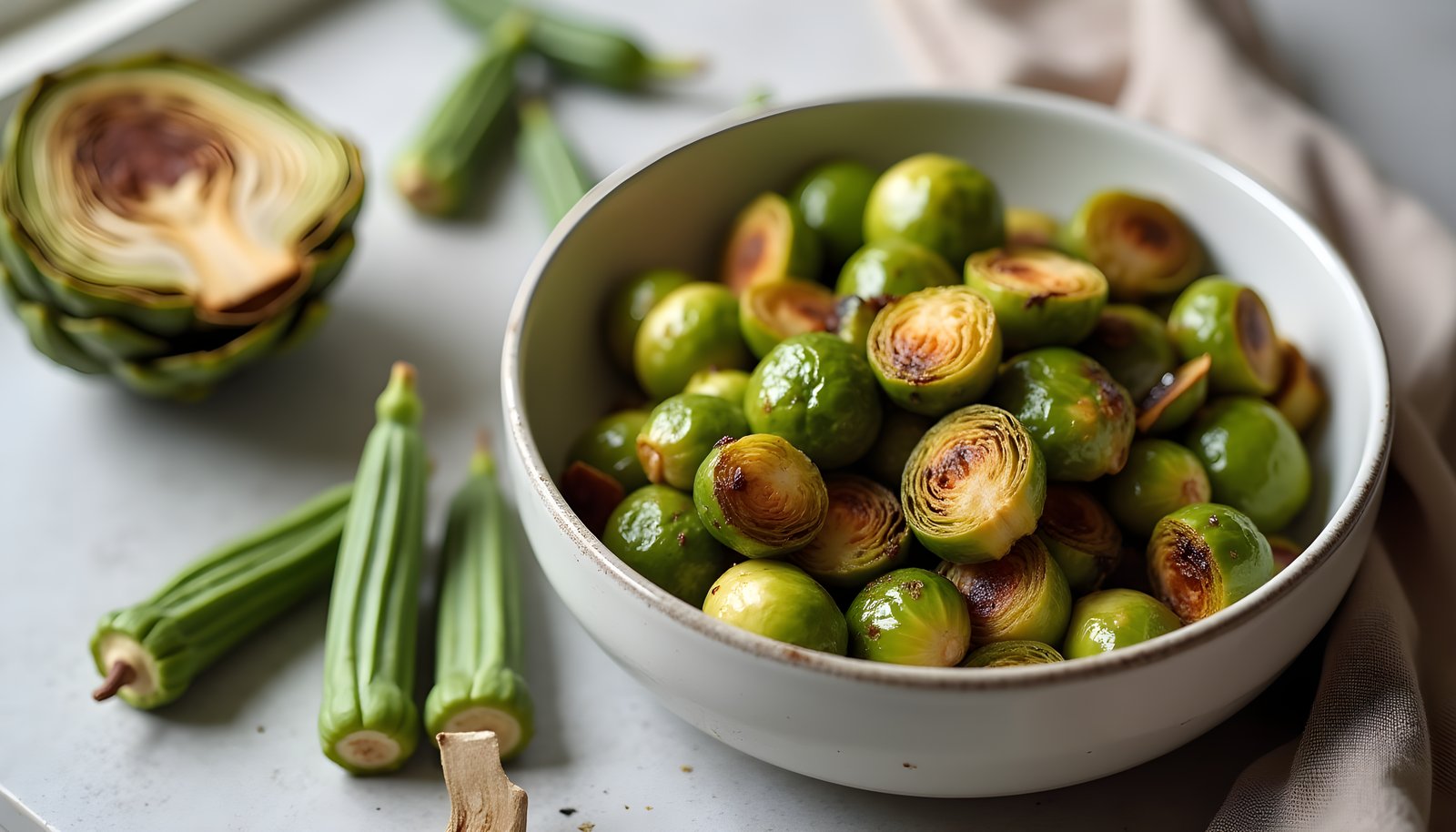
The top prebiotic vegetables are salsify, artichokes, Jerusalem artichokes and onions, which carry far more fructan fiber than other vegetables. Raw salsify held about 15.6 grams of fructans per 100 grams in lab testing, and onions about 4.5 grams.
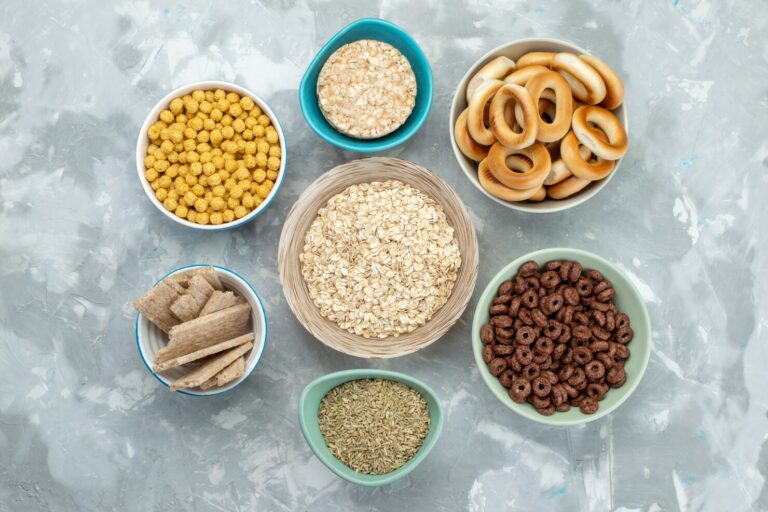
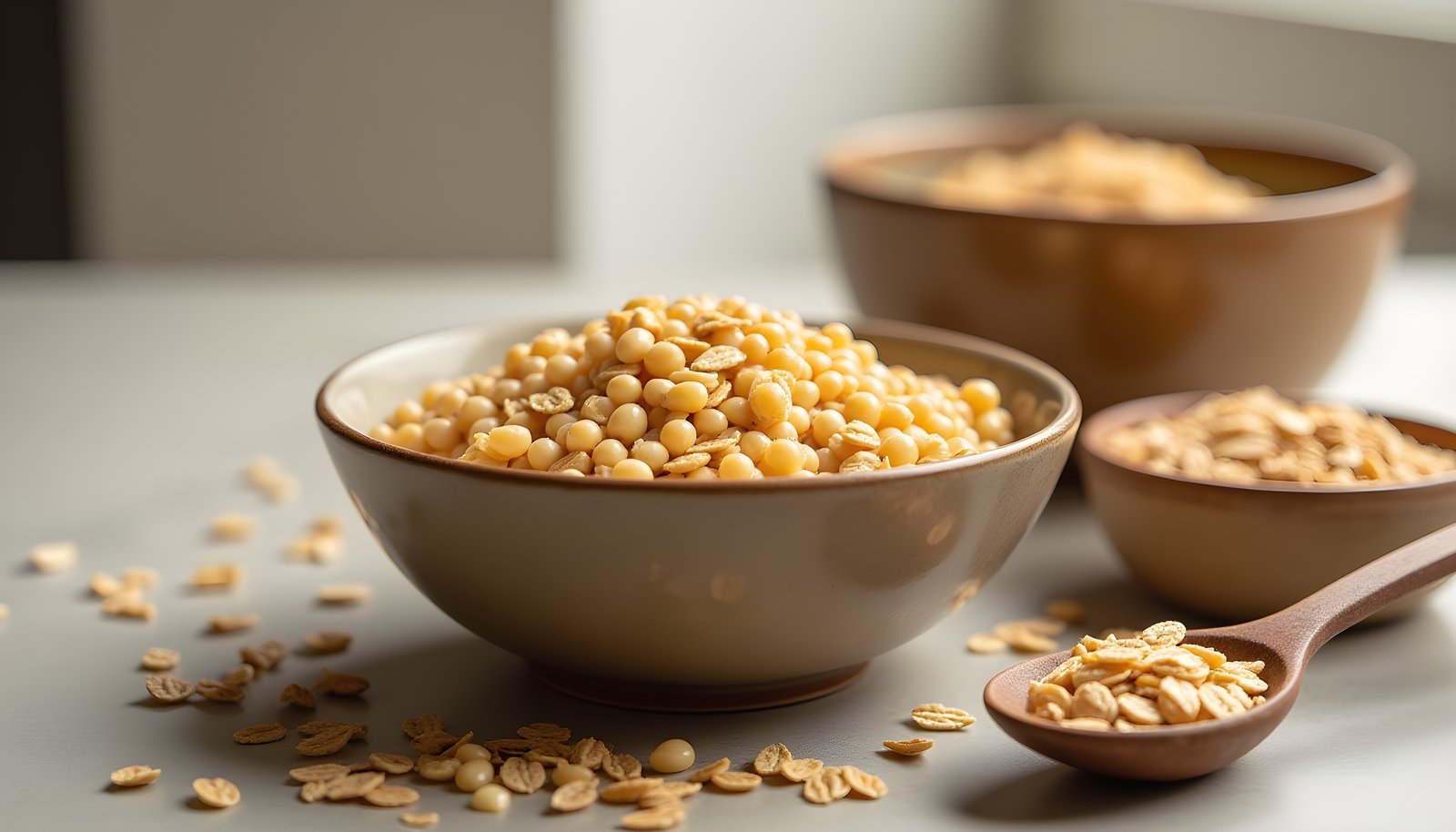
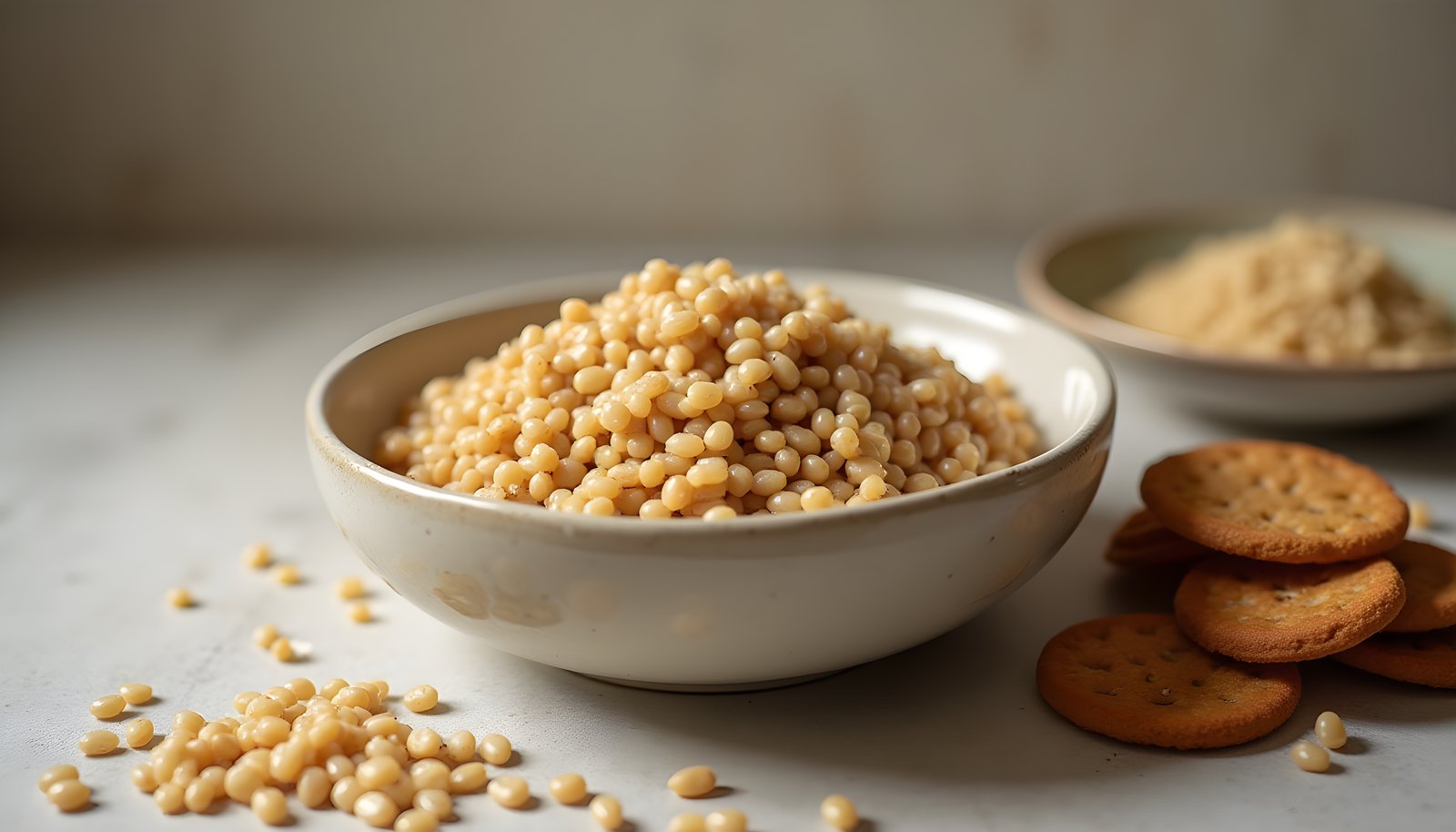
Oats, oat bran and barley are the soluble fiber grains, with about 1 gram of soluble fiber per half cup cooked in NIH data. Barley matches oats for soluble fiber, while wheat, brown rice and quinoa lean heavily toward insoluble fiber.
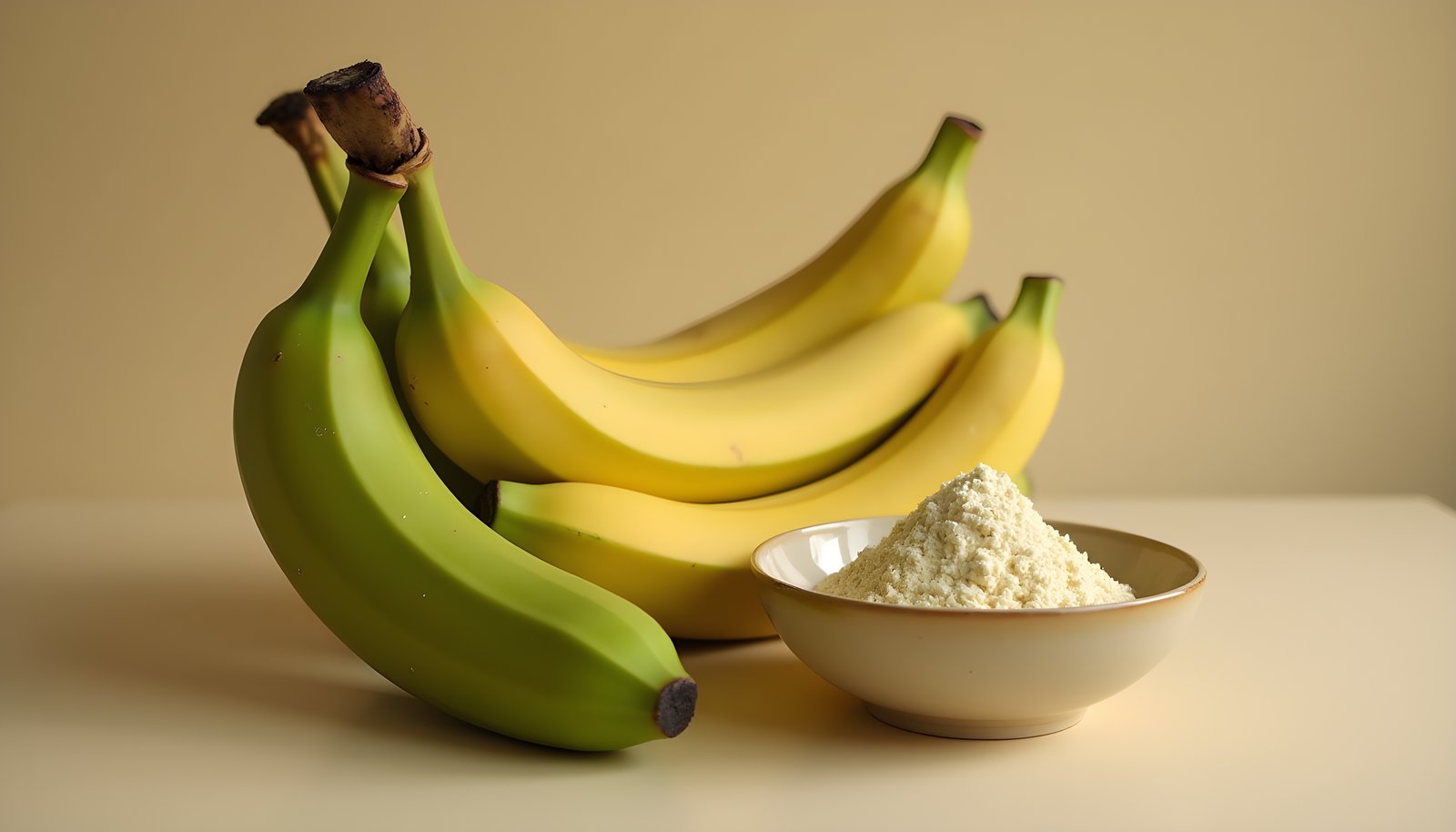
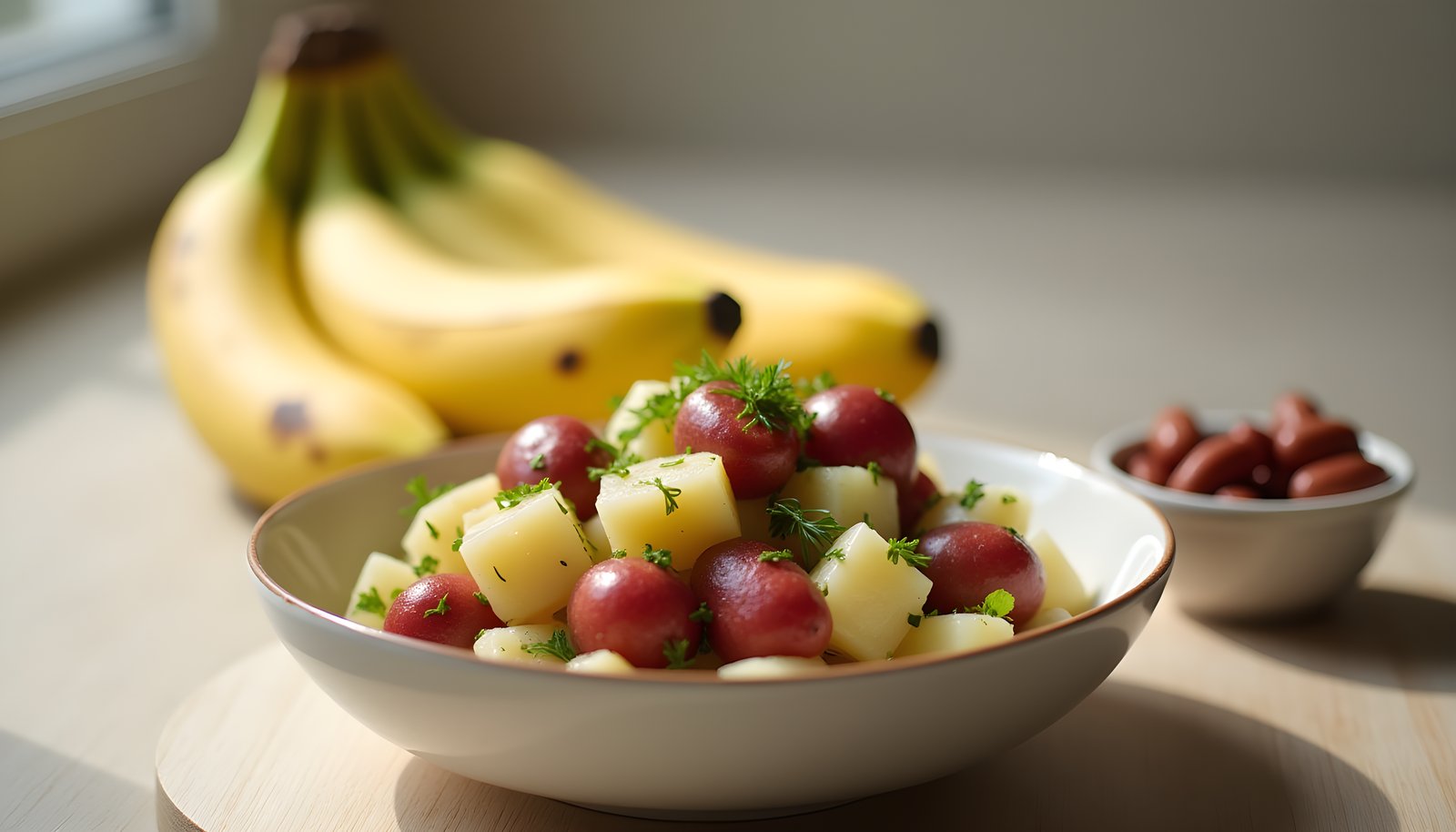
The best resistant starch fruits are green bananas and plantains, and in practice they’re nearly the only fruits that supply it. Raw unripe banana tested at about 24 grams of resistant starch per 100 grams of dry weight, while most other fruits are valued for fiber, not starch.
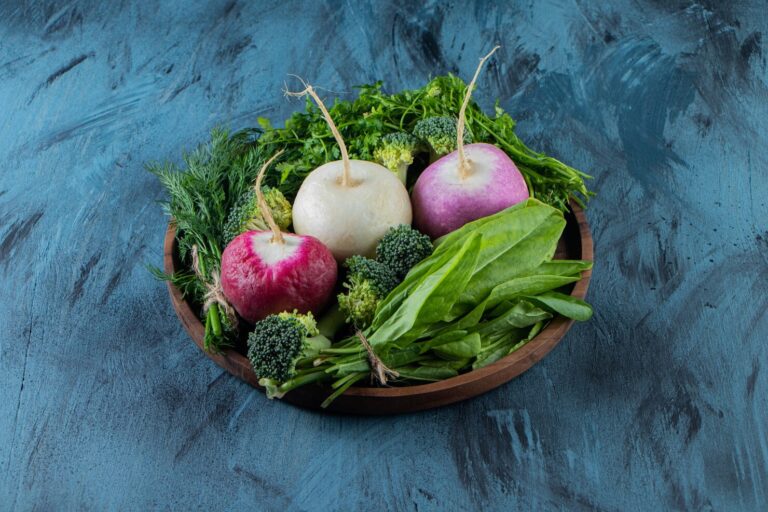
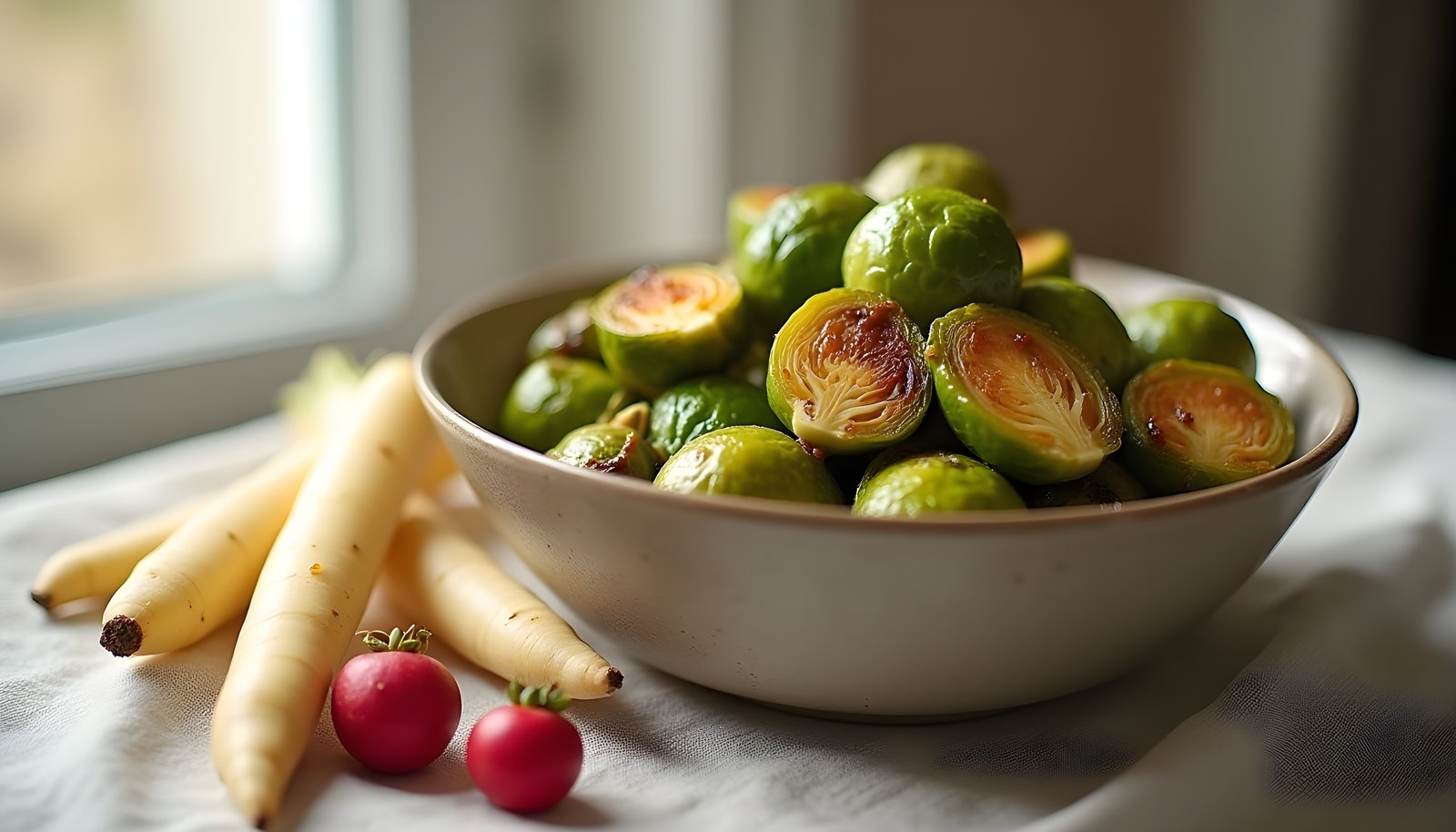
The top insoluble fiber vegetables are Brussels sprouts, parsnips, radishes, broccoli and swede, each with close to 4 grams or more of insoluble fiber per 100 grams raw. Cauliflower, celery and carrots follow, while leafy greens rank lower by weight because they’re mostly water.
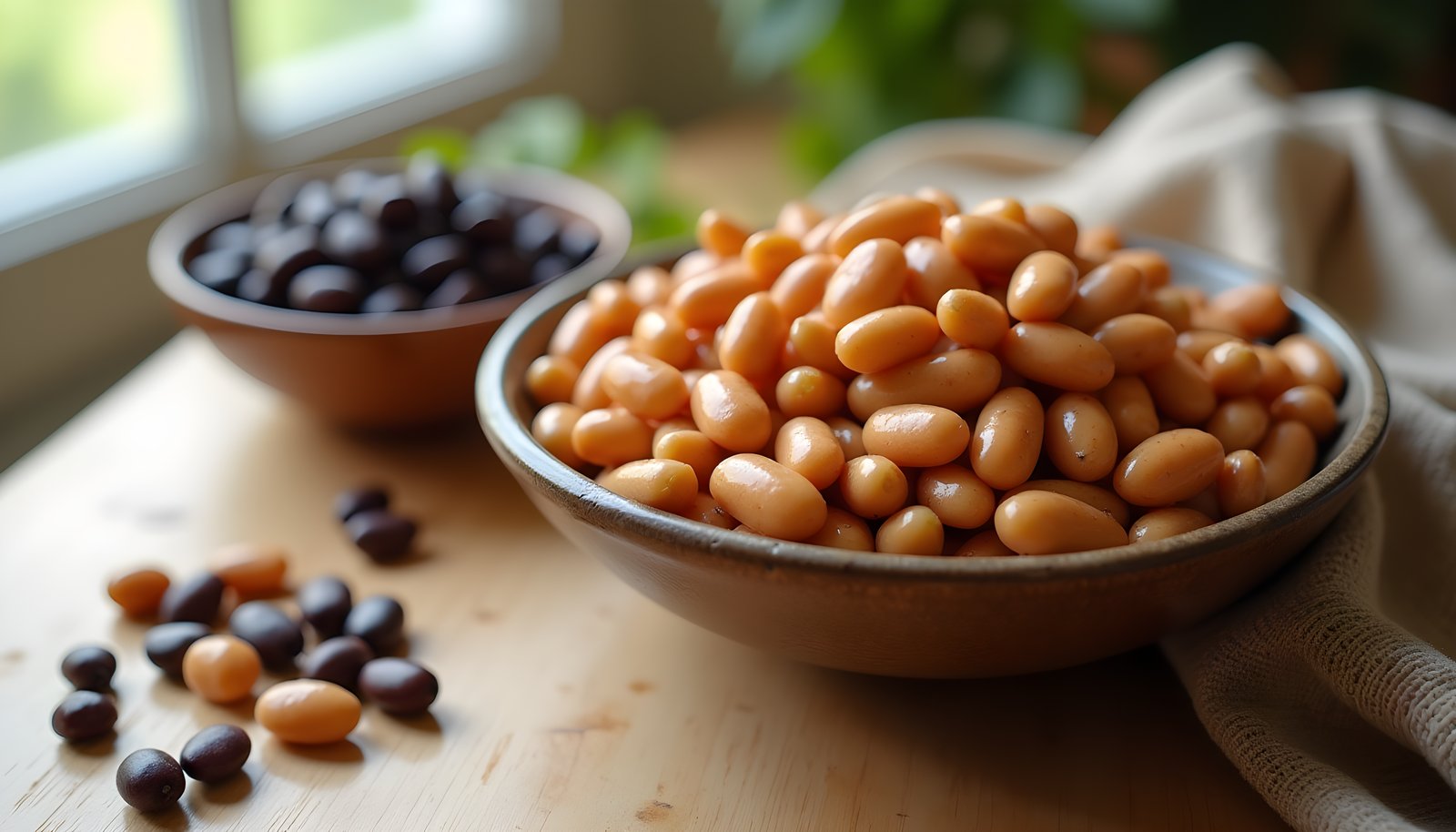
Black beans, navy beans and kidney beans lead the soluble fiber beans, with black beans at about 2.4 grams per half cup cooked in lab data published on NIH’s bookshelf. Pinto beans and chickpeas follow at about 1.4 grams, and lentils carry only about 0.6 grams.
The best resistant starch foods for everyday eating are beans and lentils, green bananas, and potatoes, rice or pasta cooked and then cooled. Kidney beans tested at about 3.2 grams of resistant starch per 100 grams as eaten, more than most breads and cereals.
The top insoluble fiber foods are wheat bran and bran cereals, whole grains, beans, nuts, berries and vegetables like cauliflower and green beans. A half cup of high fiber bran cereal carries about 14 grams of fiber, half the Daily Value in one bowl.
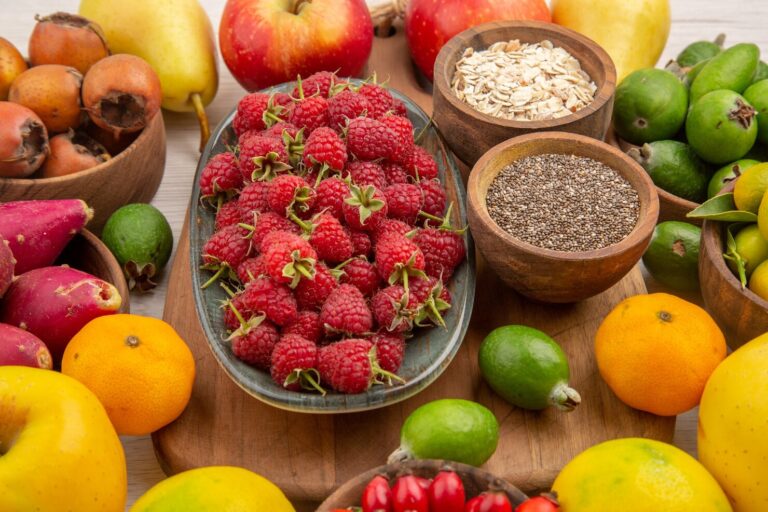
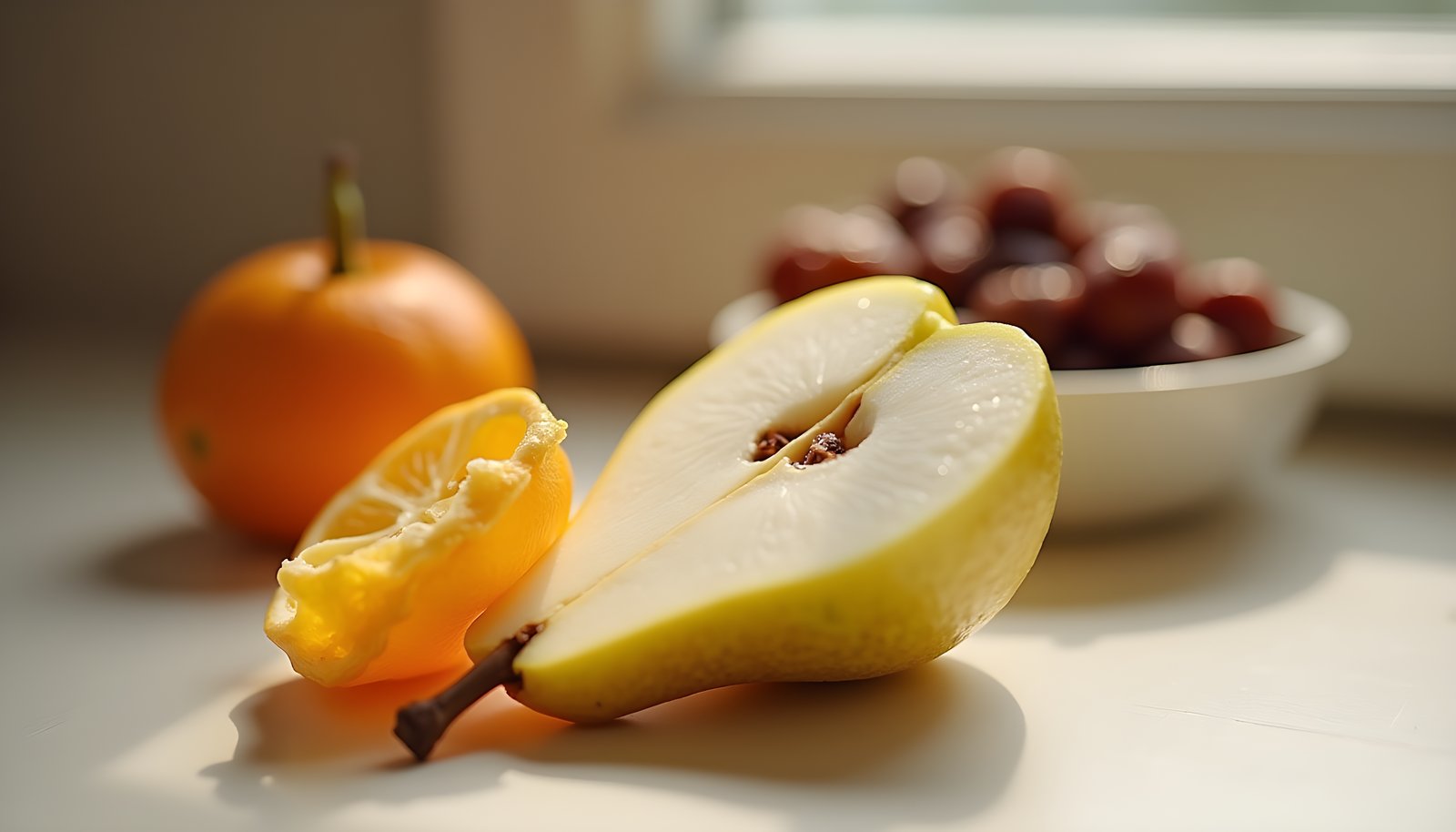
Oranges, grapefruit and pears lead the soluble fiber fruits, at about 2 grams per medium fruit, with prunes close behind at 1.5 grams per quarter cup. Berries win on total fiber, but only about a quarter of their fiber is the soluble kind.
The best soluble fiber vegetables are artichokes, Jerusalem artichokes, salsify and onions, then Brussels sprouts and parsnips. Half a cup of cooked Brussels sprouts gives about 3 grams of soluble fiber, a big step toward the 5 to 10 grams linked with lower LDL.
Raw oats, finger millet, wheat and barley top lab tests of resistant starch grains, at about 3 to 5 grams per 100 grams of dry grain. Cooked, most grain foods hold 2 grams or less per 100 grams, so cooling and food choice matter too.