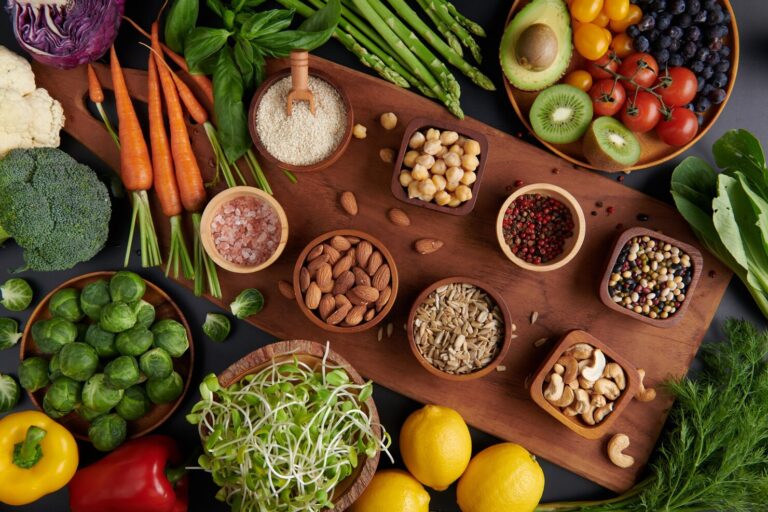
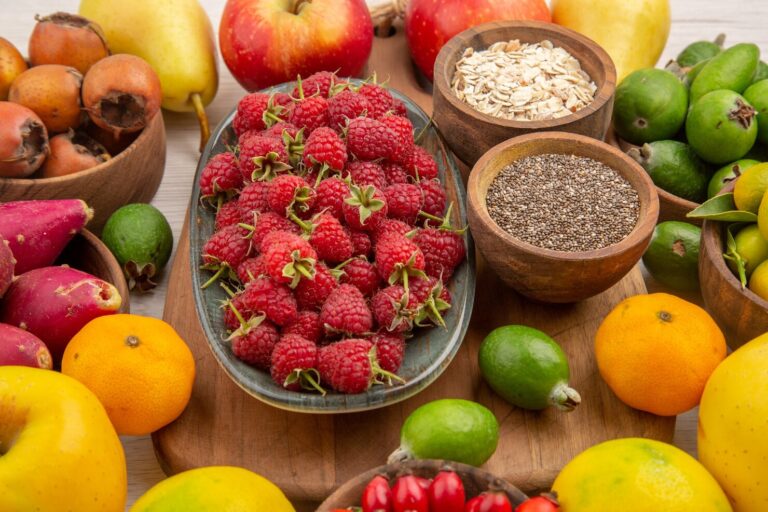
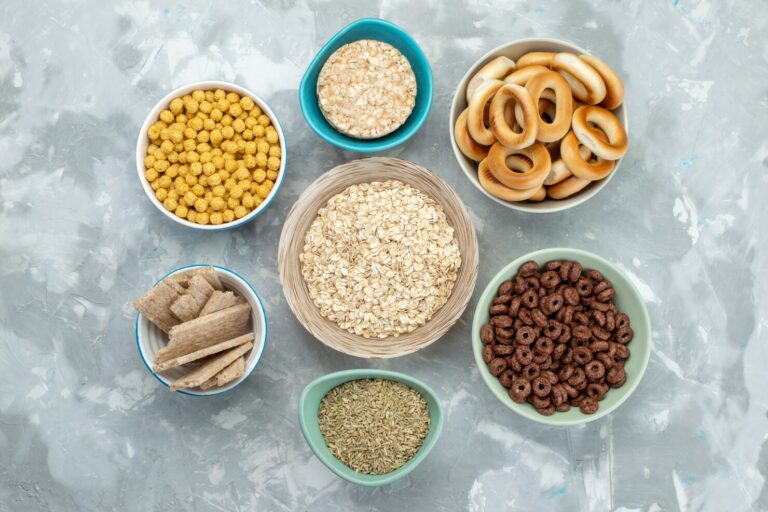
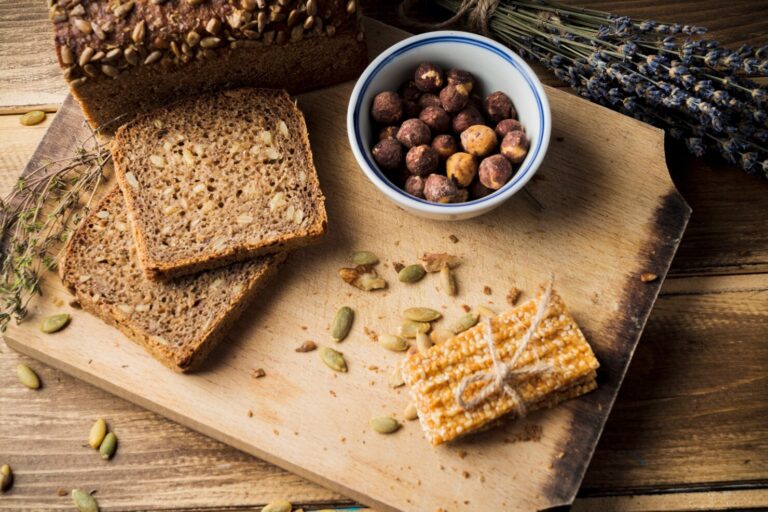
Fruits, vegetables, grains, legumes, nuts and more – discover which everyday foods pack the most fiber, how much they deliver, and simple ways to eat more of them every day.
A here’s no supplement that beats a plate of real food. Whole foods deliver fiber alongside vitamins, minerals, antioxidants, and water — a package no powder can match. The good news is that hitting your daily target is easier than it sounds once you know where fiber actually hides.
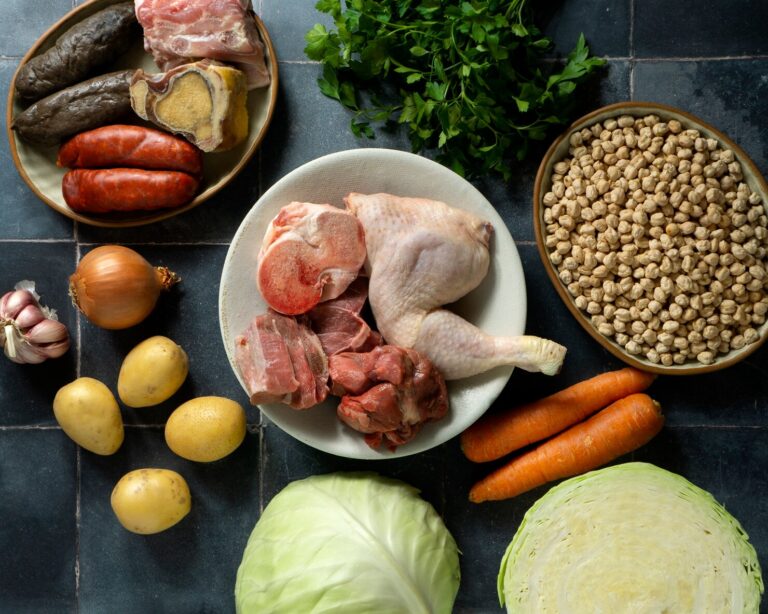
Beans and legumes are fiber powerhouses; a single cup can cover more than half your day. Whole
grains, fruit eaten with the skin, vegetables, nuts, and seeds all stack up quickly. Variety matters too
— different foods carry different types of fiber, so a mixed plate feeds a wider range of gut bacteria
than any single food or supplement could.
“You don’t need exotic superfoods to hit your fiber goal — beans, oats,
berries, and a handful of nuts will get most people there.”
That’s why we organize everything by food group. Browse fruits, vegetables, grains, legumes, nuts and seeds, dairy and alternatives, or proteins to see exactly how much fiber each delivers — with the standout picks in every category called out for you.
Not sure where to start? Begin with the highest-fiber foods, then explore the food group you eat most — small, consistent swaps are what move your daily total.
Yes, but less than most nuts. Common pine nuts fiber comes to about 1 gram per ounce, close to cashews at the bottom of the nut list, while American pinyon pine nuts carry about 3 grams. Their real strengths are manganese, magnesium and zinc.
Yes. Hazelnuts fiber comes to about 2.7 grams per ounce, around 21 kernels, which puts them near the top of the nut list behind almonds and pistachios. Chocolate hazelnut spread is a different food, with under 1 gram of fiber and 19 grams of added sugar per serving.
Yes, but not much per nut. Brazil nuts fiber comes to about 2.1 grams per ounce (6 to 8 nuts), yet that same ounce carries roughly ten times your daily selenium, so most people should stop at one or two nuts and get their fiber elsewhere.
Yes. Macadamia nuts fiber adds up to about 2.4 grams per ounce, more than walnuts, cashews or pine nuts. With only about 1.5 grams of digestible carbs per ounce, they’re one of the best low carb nuts, though they’re also the most calorie dense.
Yes. Pecans fiber comes to about 2.7 grams per ounce (roughly 19 halves), close to hazelnuts and ahead of walnuts, cashews and pine nuts. The catch is the 196 calories riding along, so portion size matters more than with most foods.
Protein dairy drinks fiber counts are low: milk based shakes like Fairlife, Boost and Lifeway protein kefir list 0 to 1 gram per bottle. The few that list more, like Ensure Max Protein at 2 grams, add inulin or soluble corn fiber on purpose.
A high fiber protein yogurt is rarer than the labels suggest: the cups with the most protein, like Ratio at 25 grams, usually list 0 grams of fiber. Oikos Triple Zero Plain is the standout we found, with 22 grams of protein and 10 grams of fiber per cup from added chicory root fiber.
A fiber fortified plant milk gets its fiber from an ingredient added on purpose, such as soluble corn fiber, gum acacia or chicory inulin, rather than from the oats, nuts or peas in the base. The fortified cartons we found top out at 2 to 3 grams per serving, often alongside added sugar.
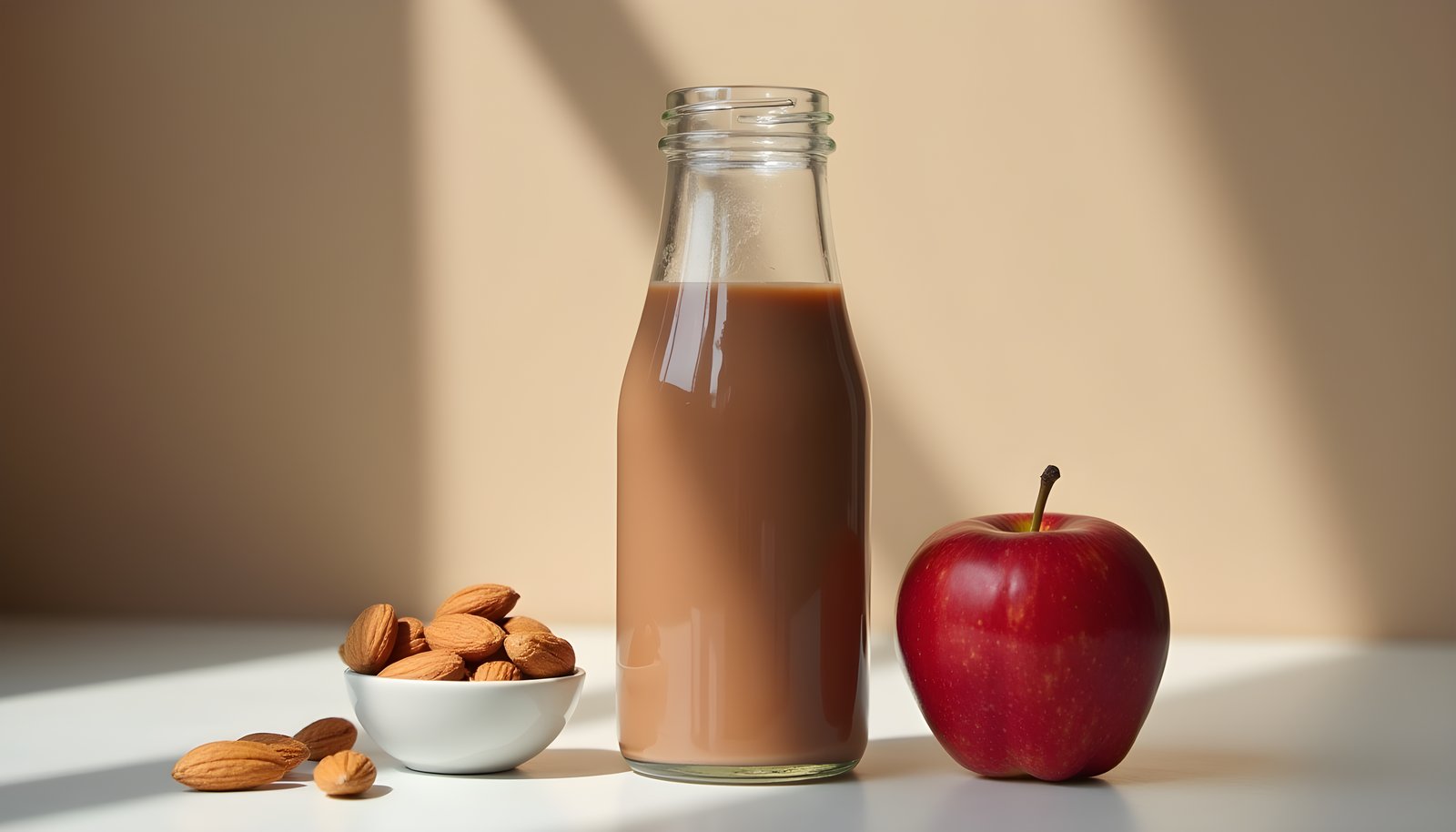
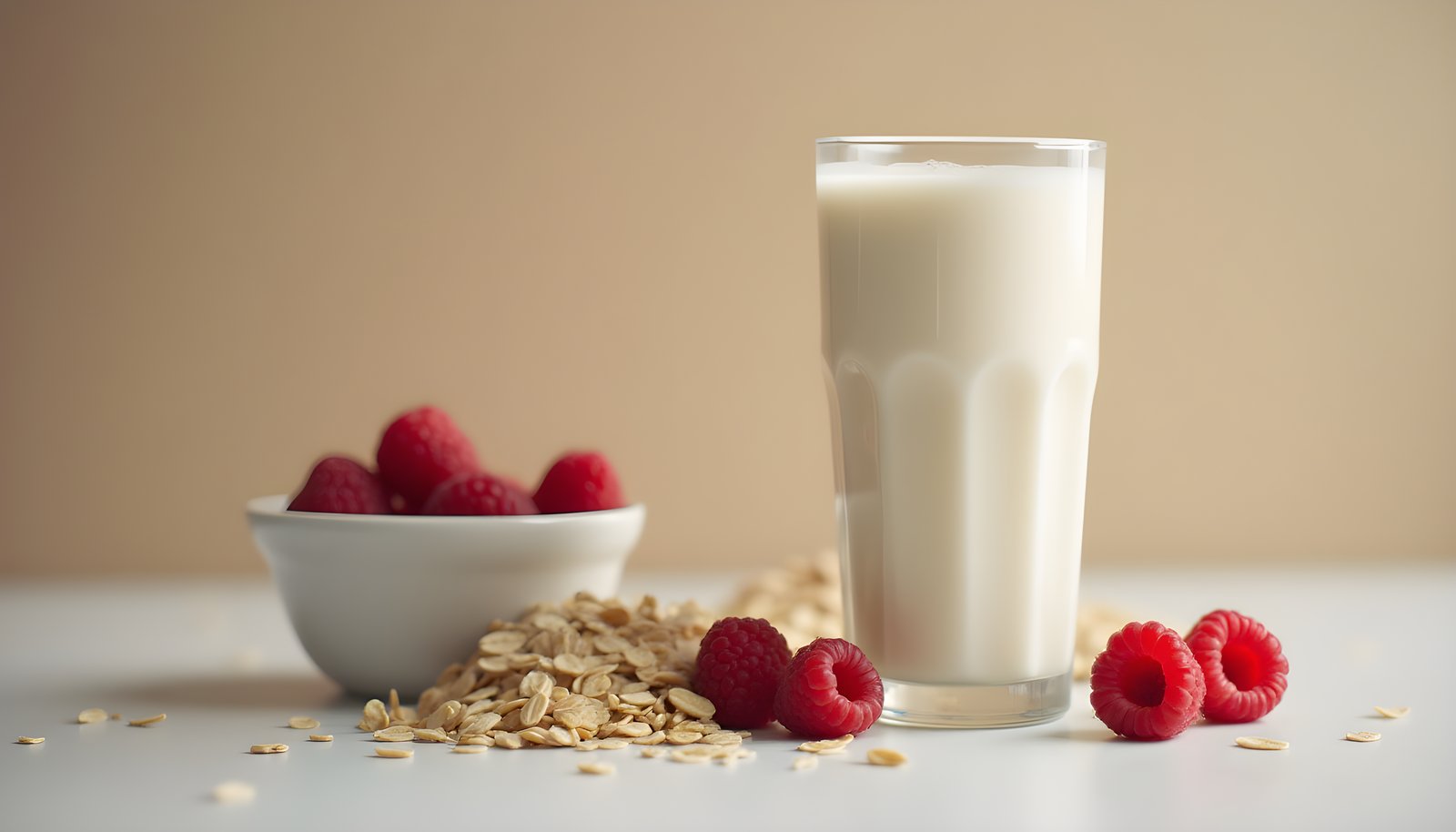
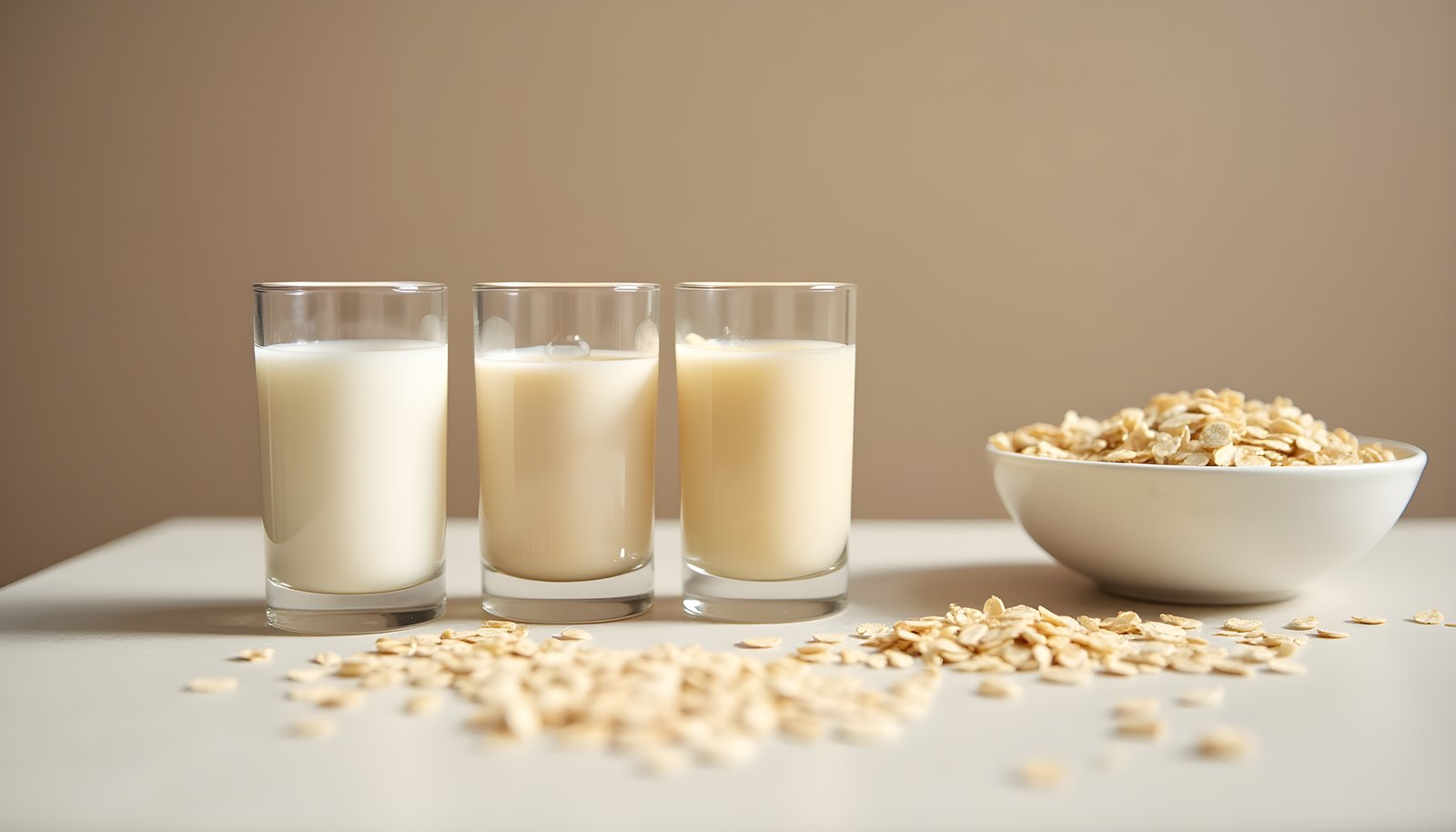
The plant milk with most fiber is oat milk, with the best cartons listing about 2 grams per cup, and soy milk is close behind. Almond, rice, coconut, cashew and flax milks mostly sit under 1 gram, so no carton covers more than about 7% of your daily fiber.
Plant based creamer fiber is 0 grams per tablespoon in most bottles, even ones made from oats, almonds or cashews. The few that reach 1 gram get it from an added fiber such as chicory inulin, not from the plant on the front of the label.