Discover the most popular fiber articles this week. From gut health to weight loss, these trending reads are backed by science and chosen by our community.
How Much Fiber Do You Actually Need?
Most people have no idea. Enter your age, gender, and activity level — get your personalized daily target in seconds.
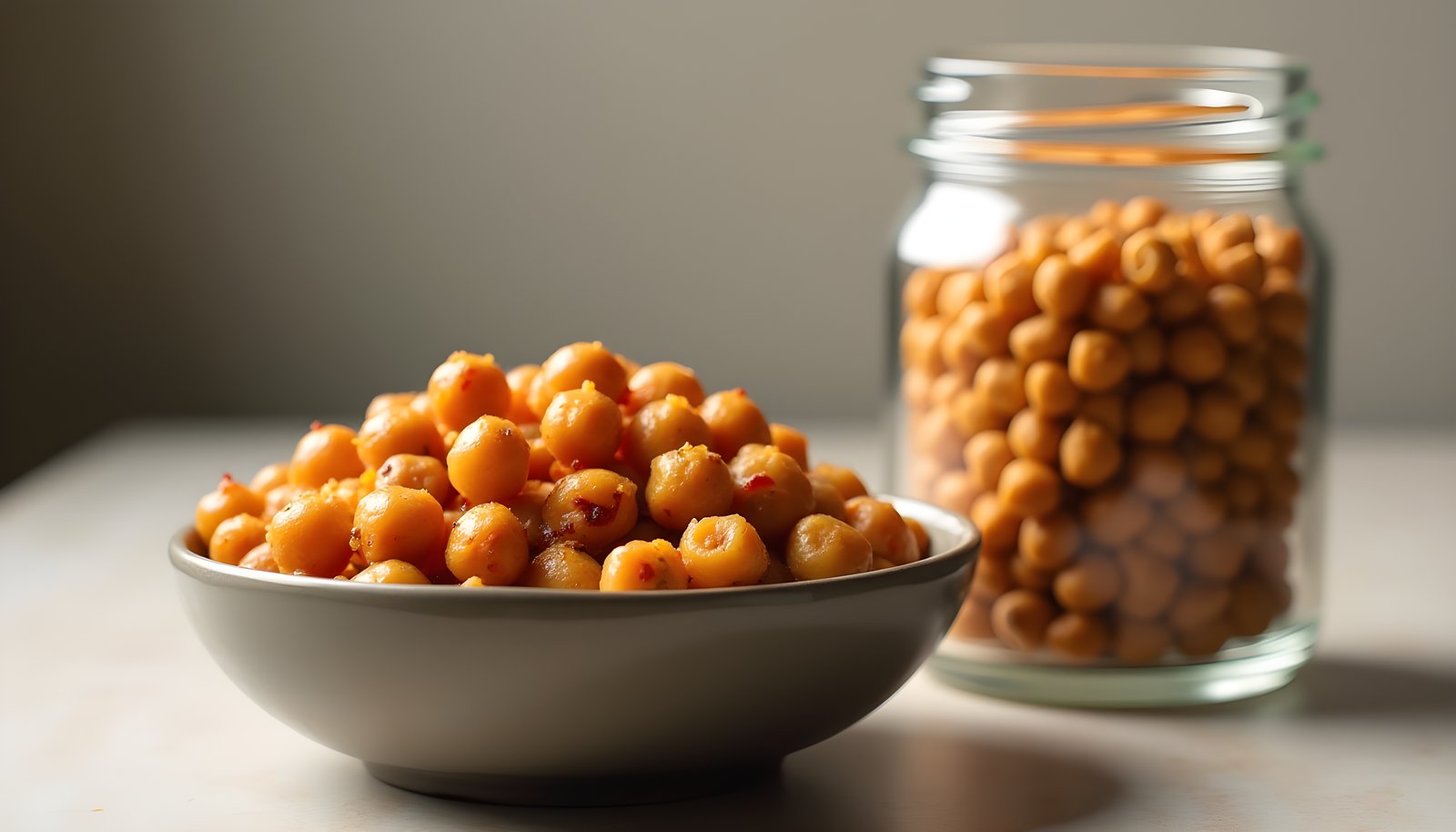
Chickpeas fiber comes to about 12.5 grams per cup cooked from dry and about 9.6 grams per cup canned and rinsed, alongside roughly 14 grams of protein. In one Australian study, adding four cans of chickpeas a week raised fiber intake by almost 7 grams a day and nudged cholesterol down.
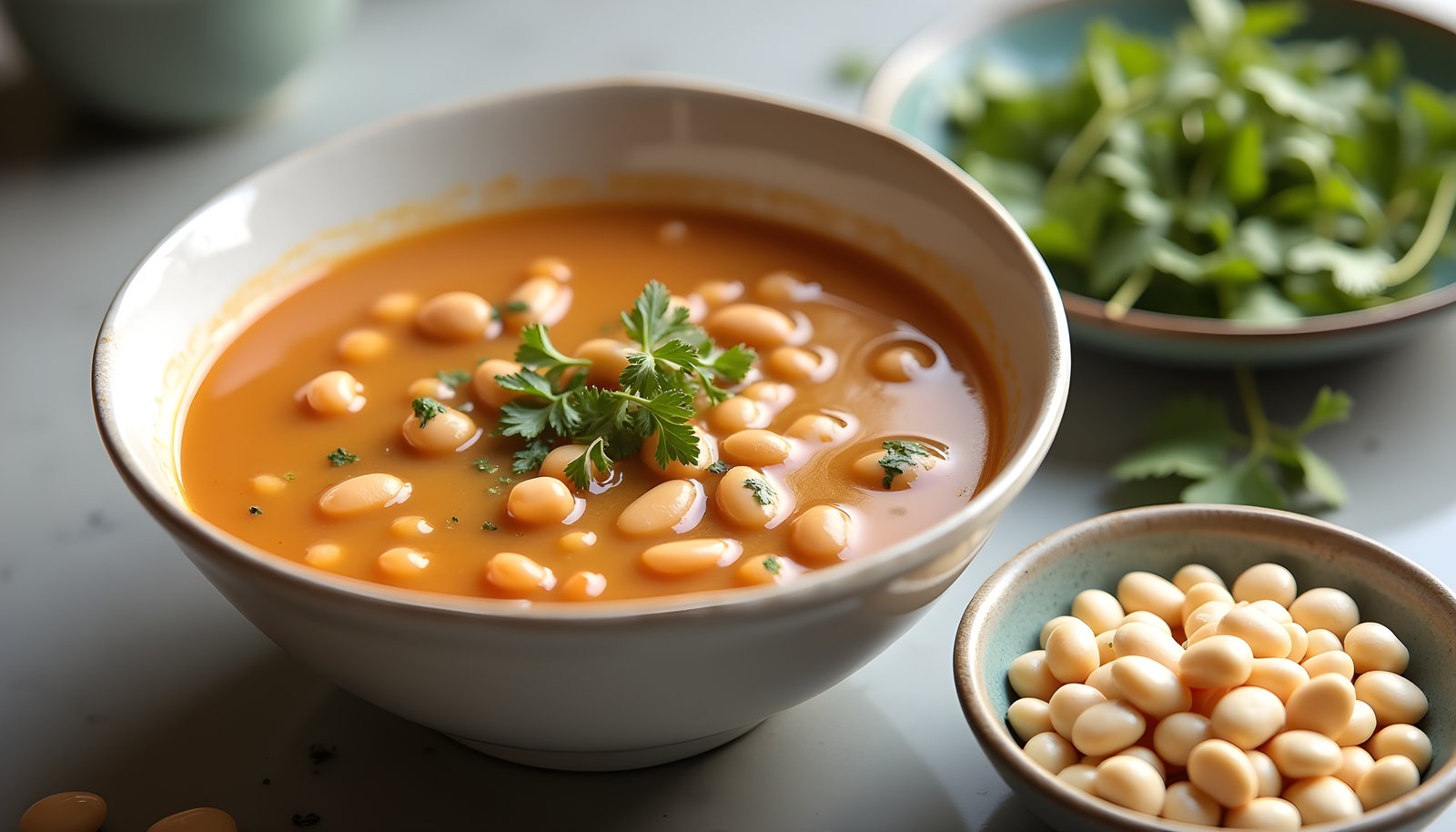
Navy beans fiber tops the common bean list at about 19 grams per cooked cup, or 10.5 grams per 100 grams. Those small white beans also bring about 15 grams of protein and more than half a day’s folate, which makes them one of the most efficient high fiber foods you can buy.
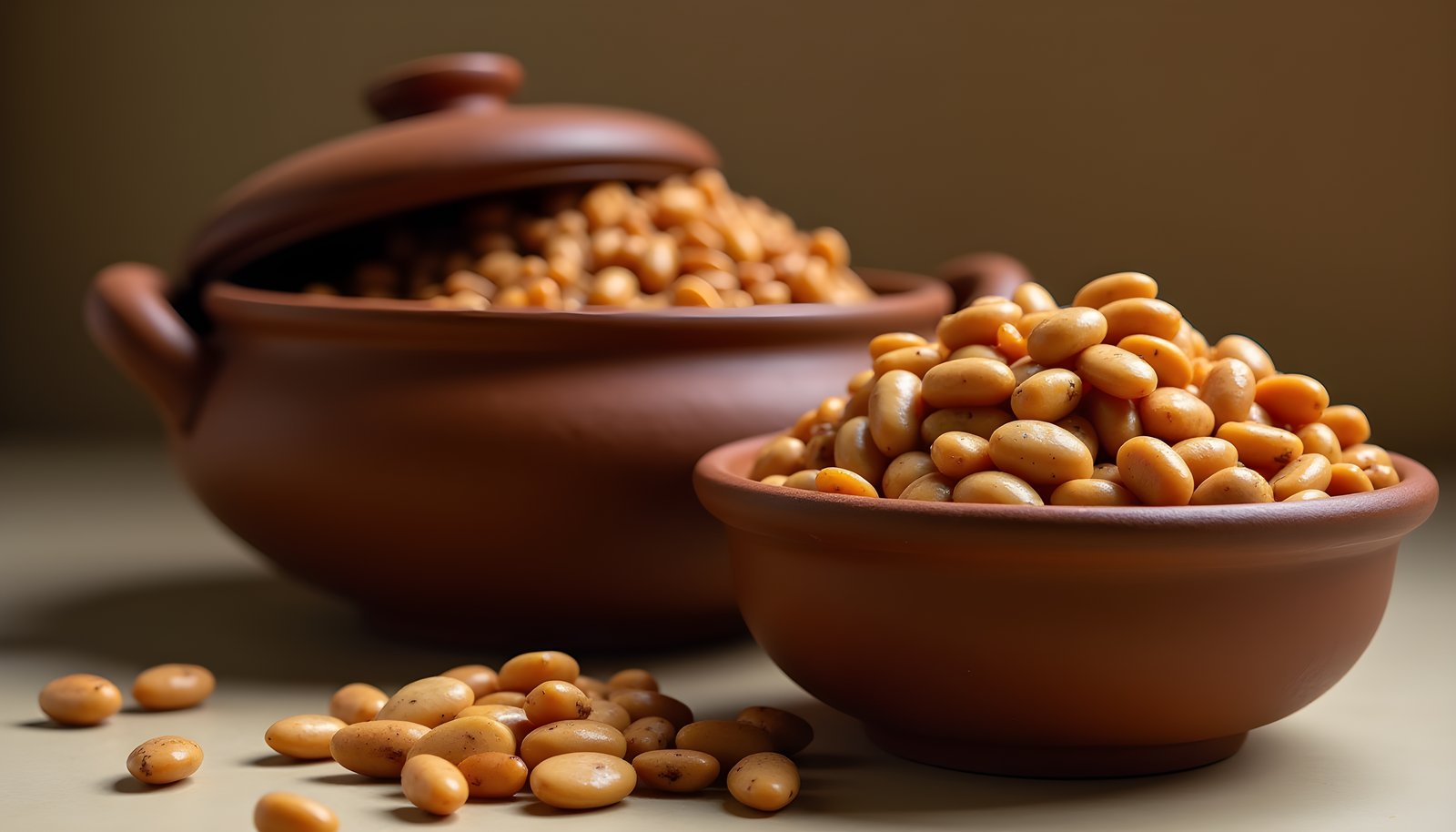
Pinto beans fiber adds up to about 15 grams per cooked cup, or 9 grams per 100 grams, which puts them near the top of the bean aisle. That fiber, plus about 15 grams of protein, helps explain why a pinto bean and rice plate raises blood sugar more gently than rice alone.
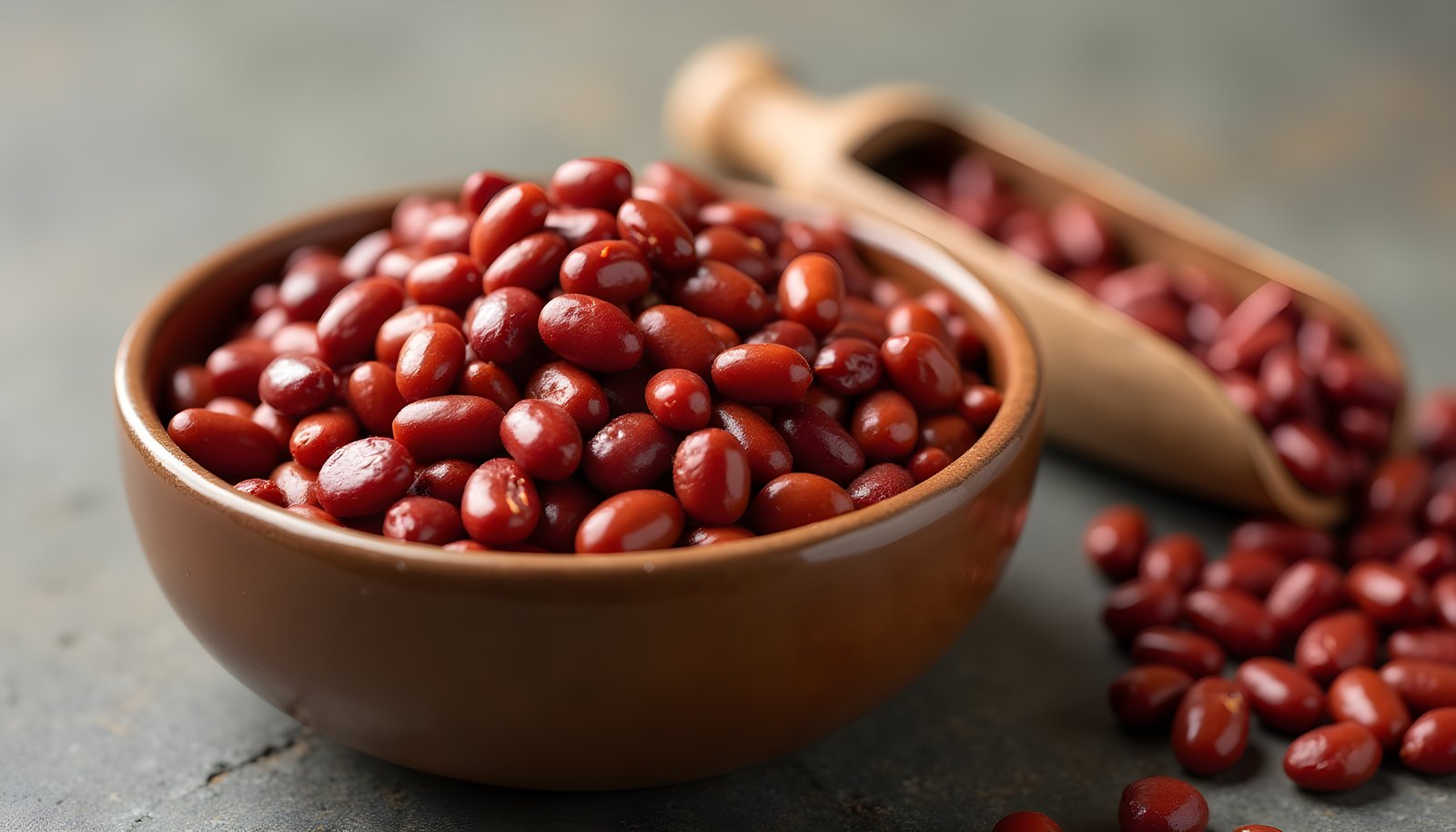
Kidney beans fiber comes to about 13 grams per cooked cup, or 7.4 grams per 100 grams, along with about 15 grams of protein. Canned kidney beans keep most of that fiber, but dry red kidney beans must be boiled thoroughly, because undercooked ones carry a natural toxin that heat destroys.
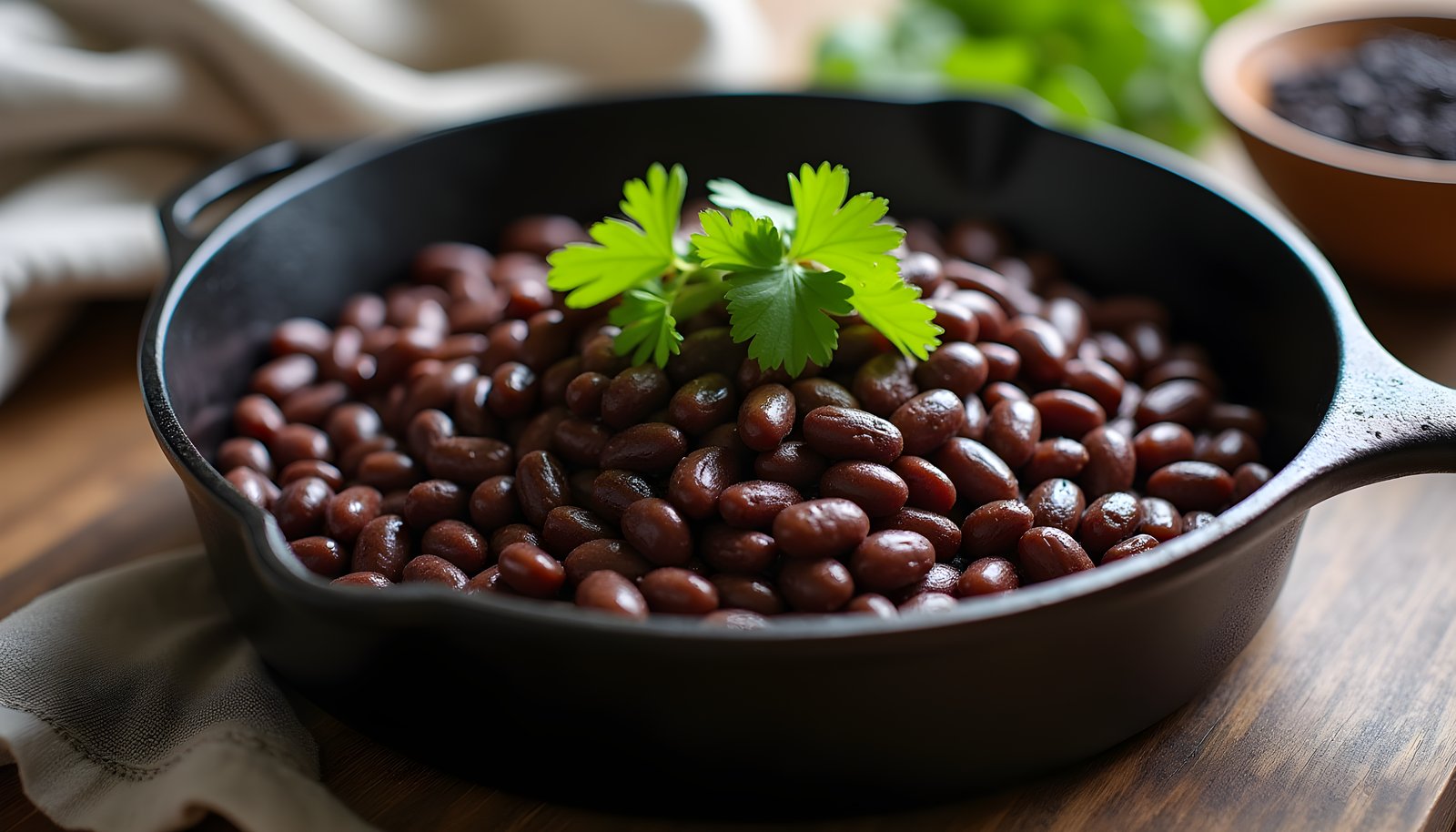
Black beans fiber comes to about 15 grams per cooked cup, or 7.5 grams in a half cup. They also bring about 15 grams of protein, plenty of folate and magnesium, and in one small trial, a black bean meal kept insulin lower than a fiber-matched meal without beans.
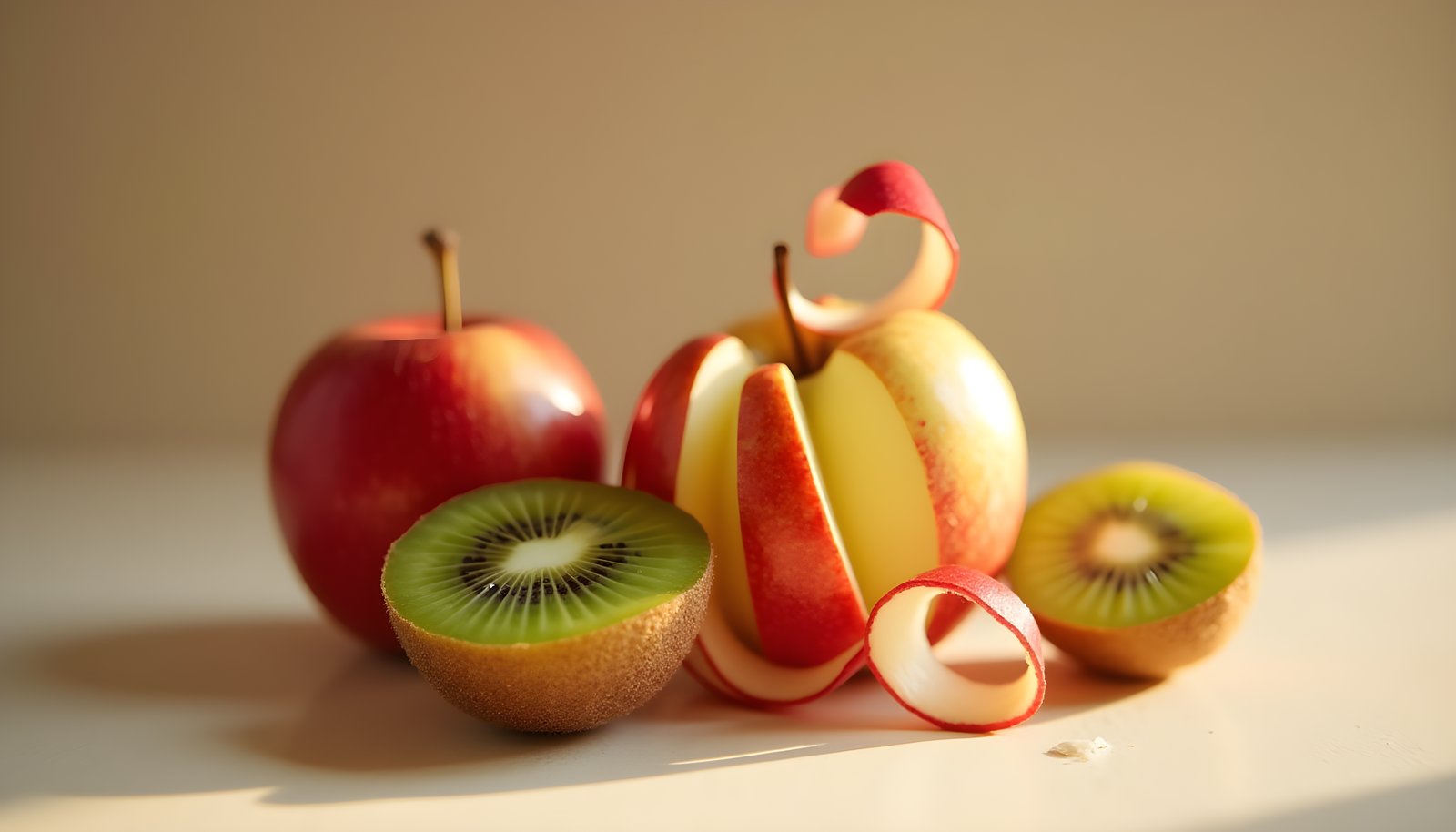
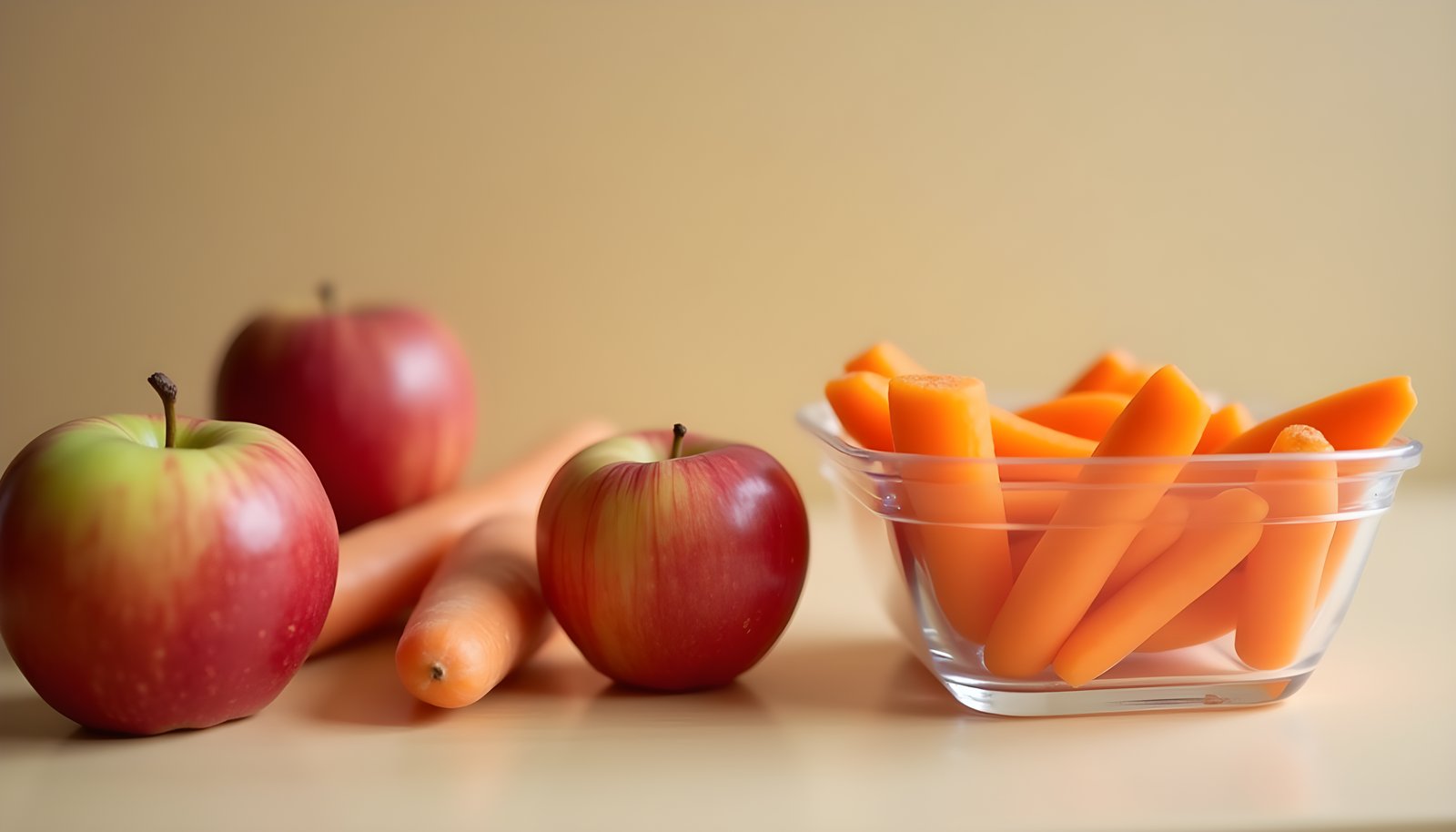
Yes, for fruits with thin edible skins: peeling fruits fiber loss runs close to half for an apple, and eating a kiwi with its skin adds about 50% more fiber. For fruits you’d never eat the peel of, like bananas, oranges and mangoes, peeling costs you nothing, because the fiber counts already assume the peel is gone.
In a whole vs processed foods fiber comparison, whole foods win at almost every swap: an apple has about 10 times the fiber of a cup of apple juice, and US diets highest in ultra-processed foods carry about 30% less fiber per calorie. Even when fiber is matched, an NIH trial found people ate about 500 more calories a day on an ultra-processed diet.
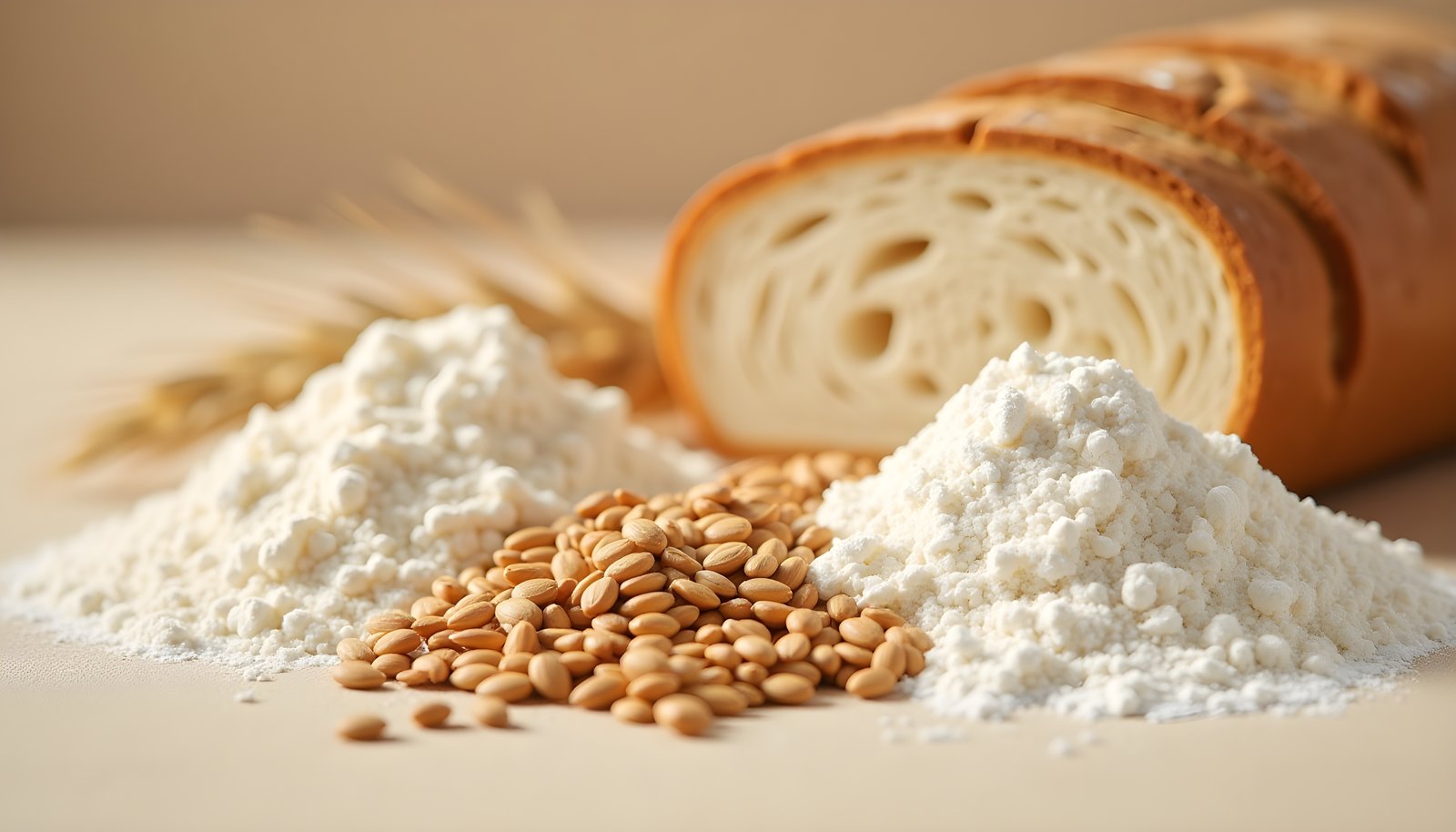
Sometimes, but it depends on the step: food processing fiber loss is large when milling, juicing or peeling removes part of the plant, and small when food is only cooked, canned or frozen. Refining wheat strips out virtually all of its fiber, while canned pumpkin actually has more fiber per gram than fresh.
Packaged produce fiber is close to fresh: cutting, bagging and washing fruit and vegetables leave their fiber in place, and USDA numbers for pre-cut, frozen and canned forms sit near the fresh versions. What changes is vitamin C, added sugar and, when the peel comes off, a little of the fiber itself.
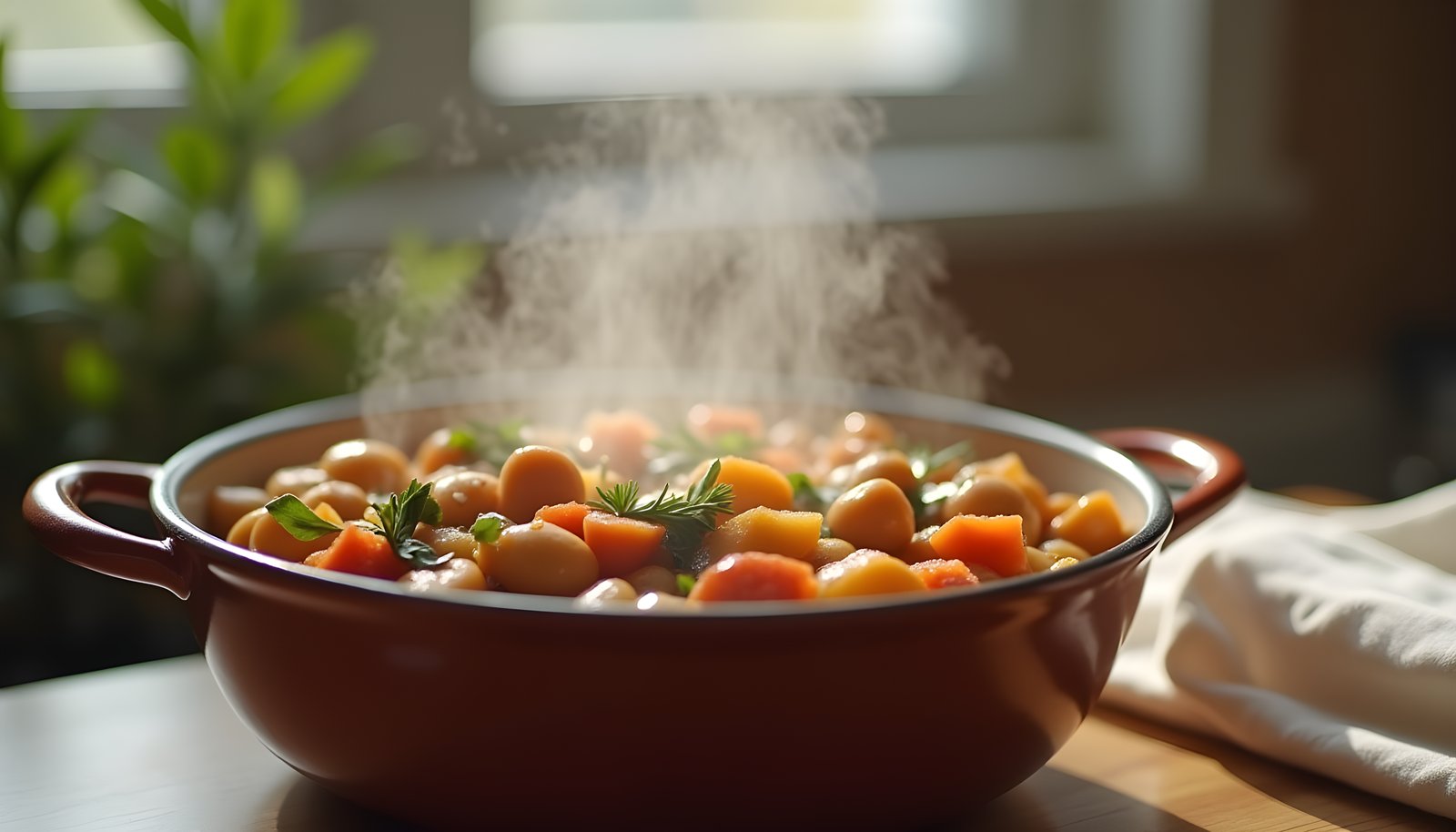
Reheating food fiber losses are small: a second round of heat doesn’t strip fiber from leftovers, and the main effect of heat is a gradual breakdown of fiber chains that depends on how harsh the cooking is. Chilled and reheated pasta and potatoes can even end up with more resistant starch than when they were fresh.
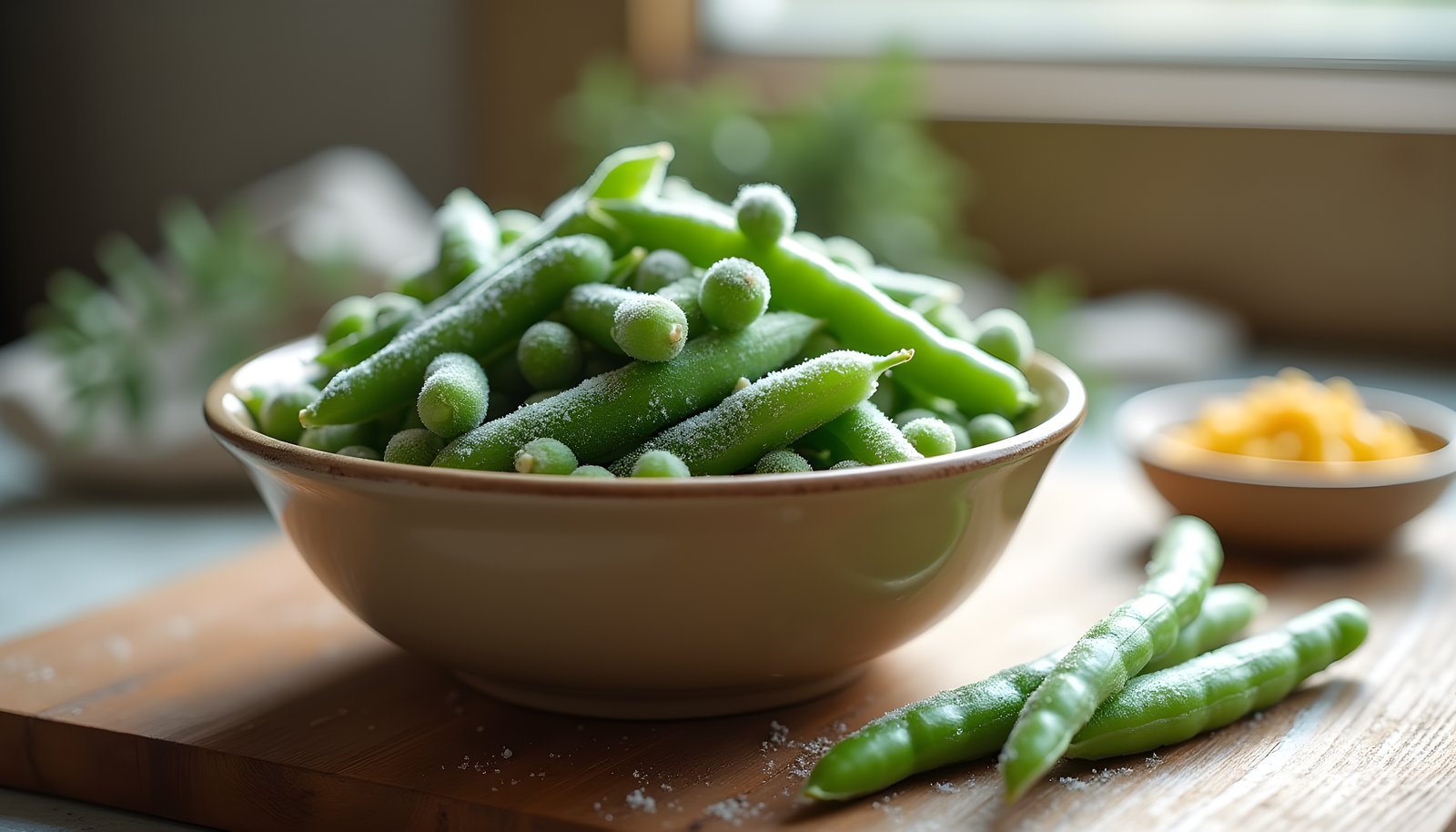
Freezing food fiber barely changes: studies of frozen corn, peas and beans found no significant change in soluble, insoluble or total fiber. What the freezer does change is texture, and over many months some vitamin C, so the fiber in your frozen food is about what it was on the day it went in.
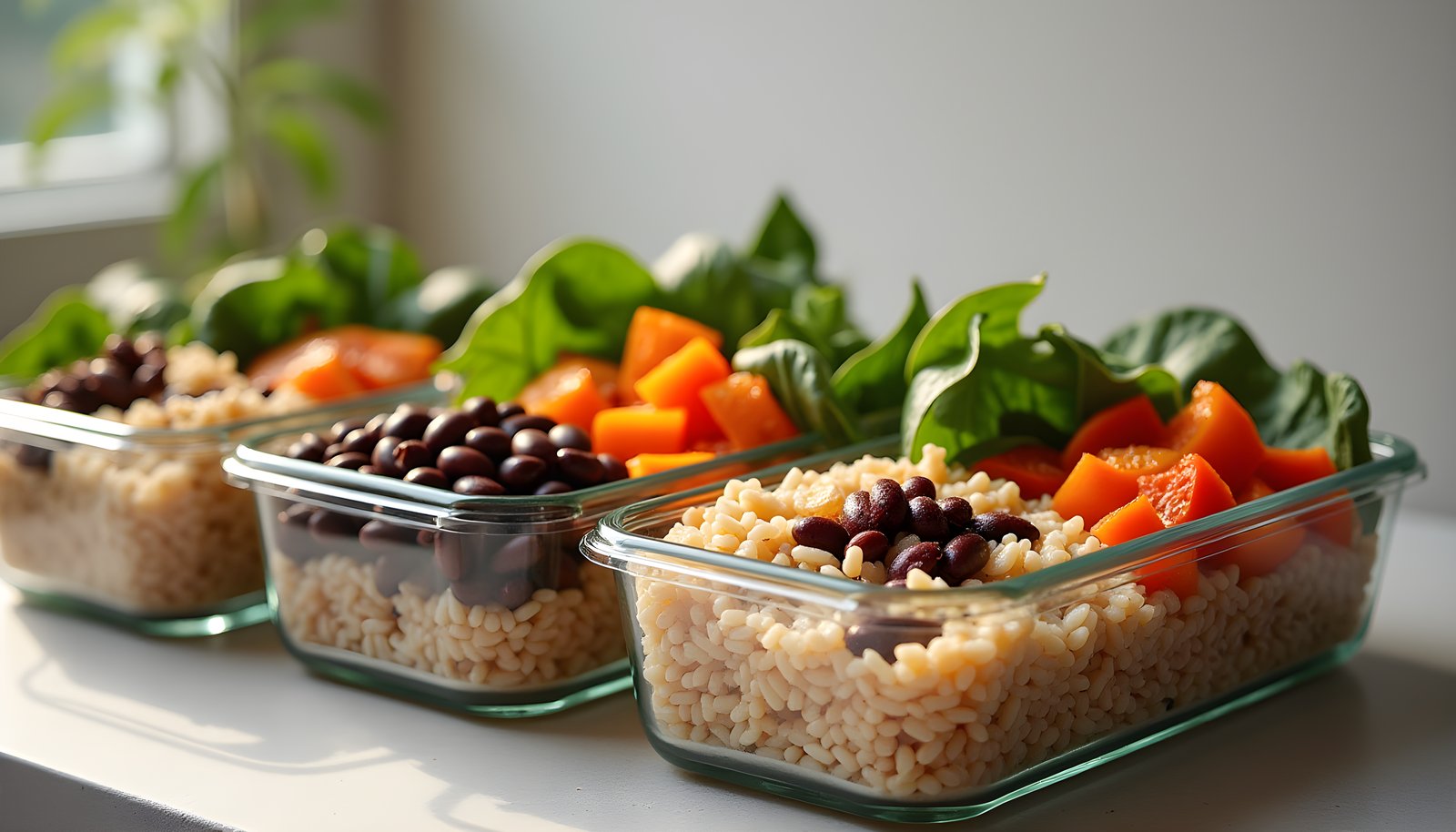
Good news for meal prep fiber retention: fiber holds up well in the fridge and freezer, and research on stored produce finds minimal change for intact fruits and vegetables. The bigger losses come from peeling and trimming during prep, while chilling and reheating starchy foods like rice can actually add resistant starch.
Free · 7-day starter guide
Get our Gut Reset Quick-Start when you subscribe
Join 47,000 readers getting the Weekly Fiber Digest — research roundups, recipes, and discounts every Thursday.