Discover the most popular fiber articles this week. From gut health to weight loss, these trending reads are backed by science and chosen by our community.
How Much Fiber Do You Actually Need?
Most people have no idea. Enter your age, gender, and activity level — get your personalized daily target in seconds.
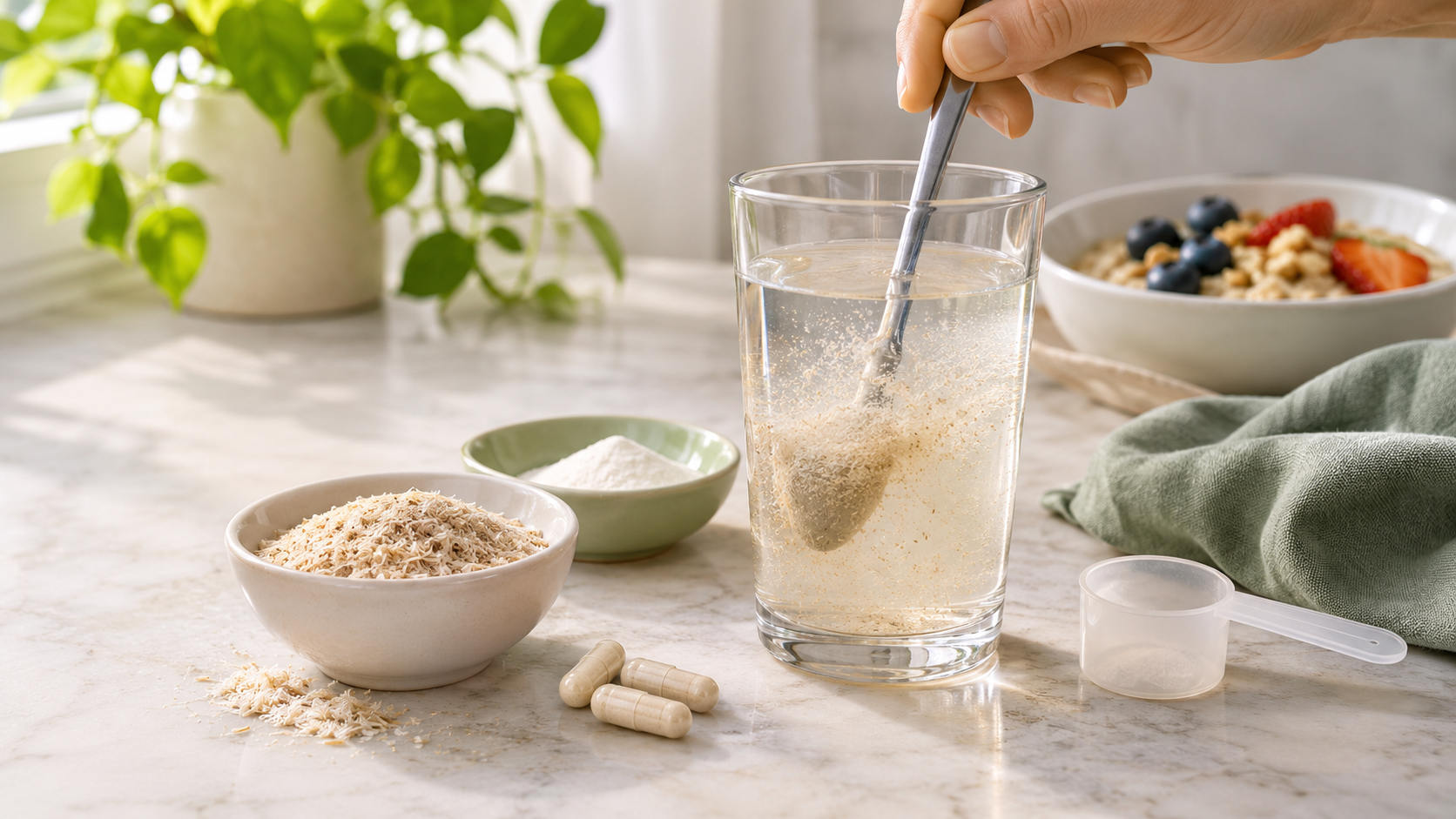
Are fiber supplements effective for metabolic health? Gel-forming ones help, mainly with blood sugar: viscous fiber lowered HbA1c by about 0.58 points across 28 type 2 diabetes trials, with smaller gains in prediabetes. Take psyllium right before meals, usually twice a day, with at least 8 ounces of water, build up over two weeks, and use it alongside any diabetes medicine your doctor prescribed.
Are fiber supplements effective for lowering cholesterol? Gel-forming ones are: about 10 grams of psyllium a day lowered LDL cholesterol by roughly 13 mg/dL across 28 trials, while thin fibers like inulin did little. Split the dose before meals, mix each one into at least 8 ounces of liquid, keep it 3 hours from digoxin, aspirin and nitrofurantoin, and take it alongside any medicine your doctor prescribed.
Are fiber supplements effective for healthy aging? They help with specific problems that grow more common with age, such as constipation and high LDL cholesterol, but the long-life link in large studies comes mostly from fiber in whole grains, not from supplements. If you add psyllium, mix each dose into at least 8 ounces of liquid, keep it 3 hours away from digoxin, aspirin and nitrofurantoin, and check with your doctor first if you have swallowing problems.
Are fiber supplements effective for cognitive support? Only modestly so far: one 12-week trial in adults over 60 found 7.5 grams a day of inulin and FOS improved memory test scores, while a review of other prebiotic trials found no effect. If you try one, ramp up over two weeks, give it 12 weeks, and rule out common causes of brain fog such as poor sleep or low vitamin B12 first.
Are fiber supplements better than detox cleanses? Yes, because psyllium has controlled trials behind it for regularity and lower LDL cholesterol, while reviews of detox diets and colon cleansing found no proven toxin removal and real risks. If you try fiber, start with one daily dose of psyllium in 8 ounces of liquid, build to two doses over two weeks, and keep it 3 hours away from aspirin, digoxin and nitrofurantoin.
Does fiber make you poop more often, and why do some fibers help while others just leave you gassy and still stuck? A breakdown of how fiber holds water and moves stool along, which types the trials favor, how long it takes and how to add more without the bloat.
What is fiber? It’s the part of plant food your small intestine can’t digest, and it’s no fad: a 2019 review of 185 studies and 58 trials linked the highest fiber intakes to a 15 to 30% lower risk of early death, heart disease, stroke, type 2 diabetes and colorectal cancer. The oat bran craze faded, but the evidence behind fiber kept growing.
To optimize your fiber stack, start with one well-researched fiber like psyllium, build the dose up over two weeks, take it before or with meals with a full glass of water, and keep it at least 2 hours away from your medications. Add a second fiber only if it does a different job.
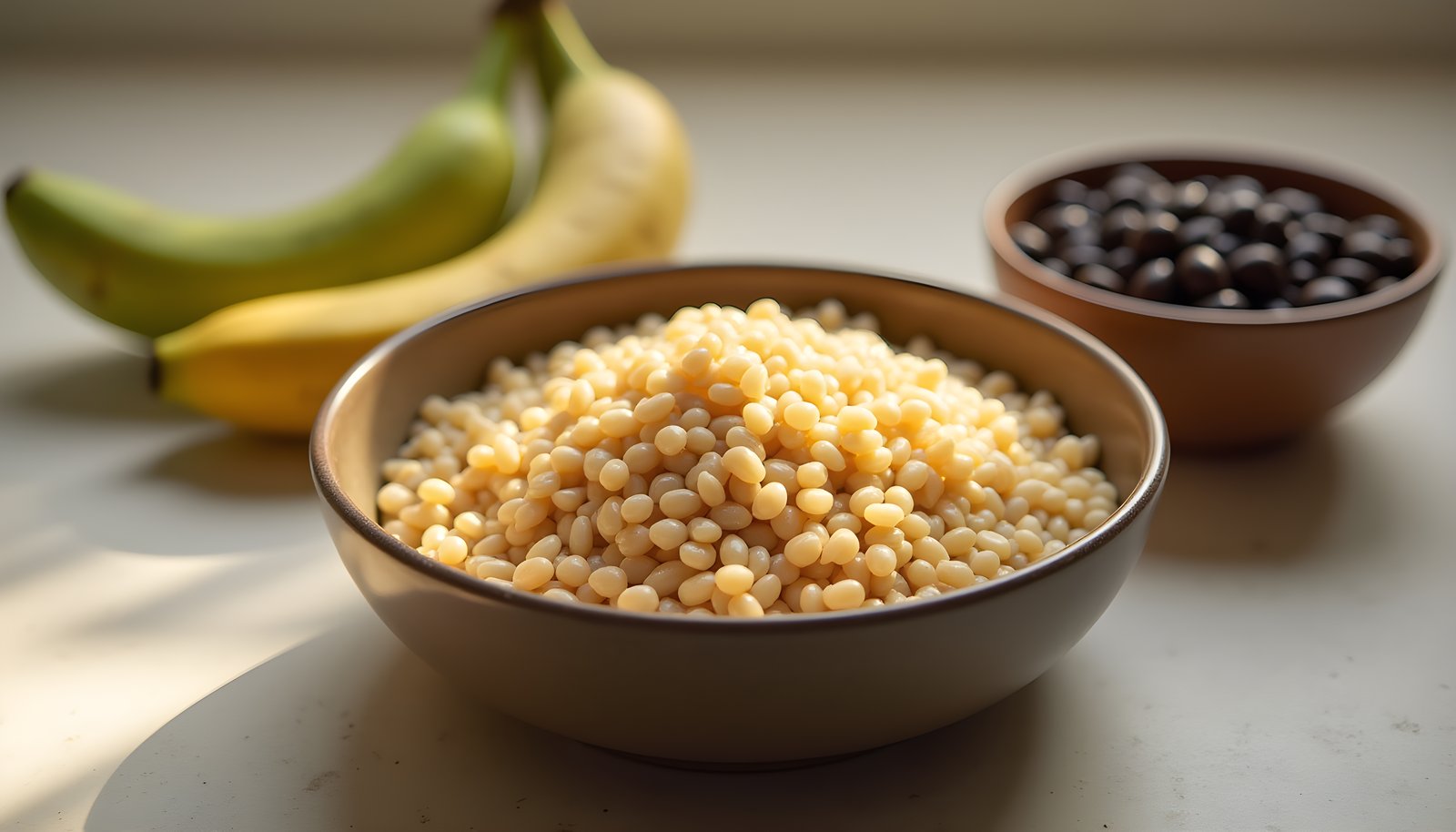
The insulin sensitivity fiber foods with the best trial evidence are oats, barley, psyllium, beans and lentils, plus cooked and cooled starches rich in resistant starch. Mostly insoluble fiber has a weaker trial record, though cereal fiber looks protective in long term studies.
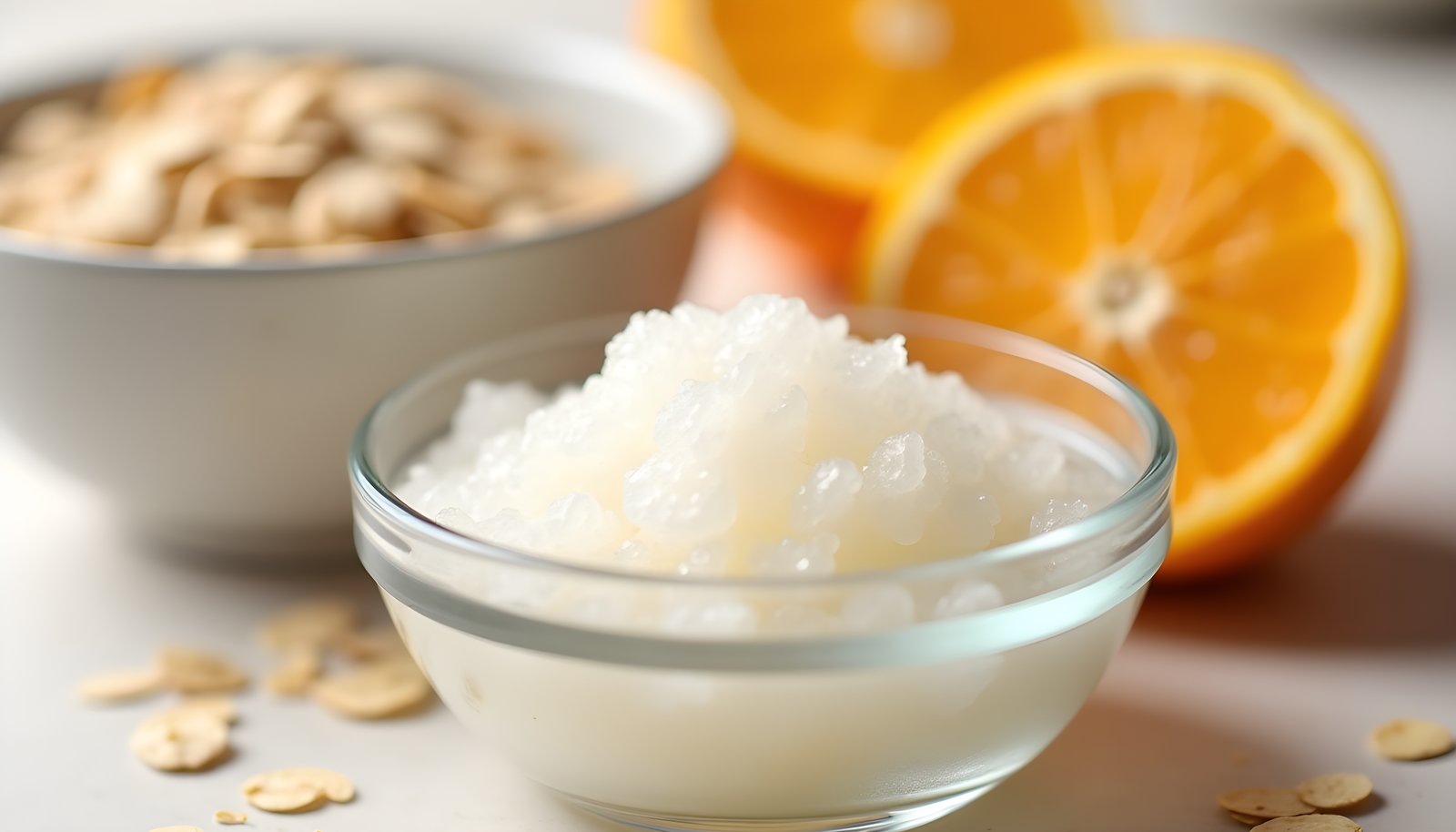
The top gel forming fiber foods are psyllium husk, oats and barley for their beta-glucan, and pectin rich fruit like citrus, apricots and berries, with beans and some vegetables close behind. Not every soluble fiber gels, though: inulin and wheat dextrin dissolve without thickening.
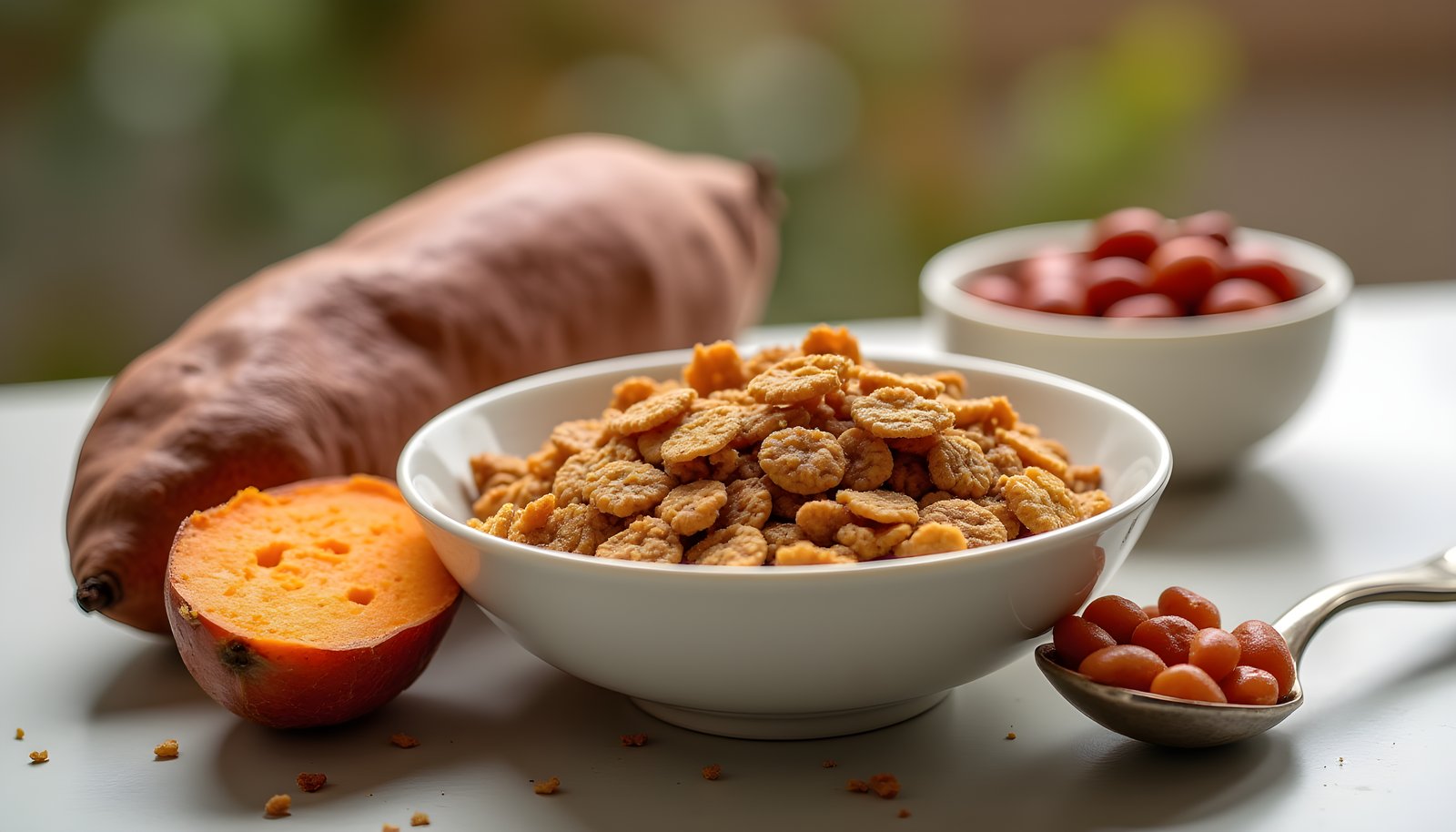
The best bulking fiber foods are wheat bran, whole grain cereals and vegetables, whose less fermentable fiber adds about 2 grams of stool weight per gram eaten. Fruit fiber adds less than half as much, because gut bacteria break more of it down.
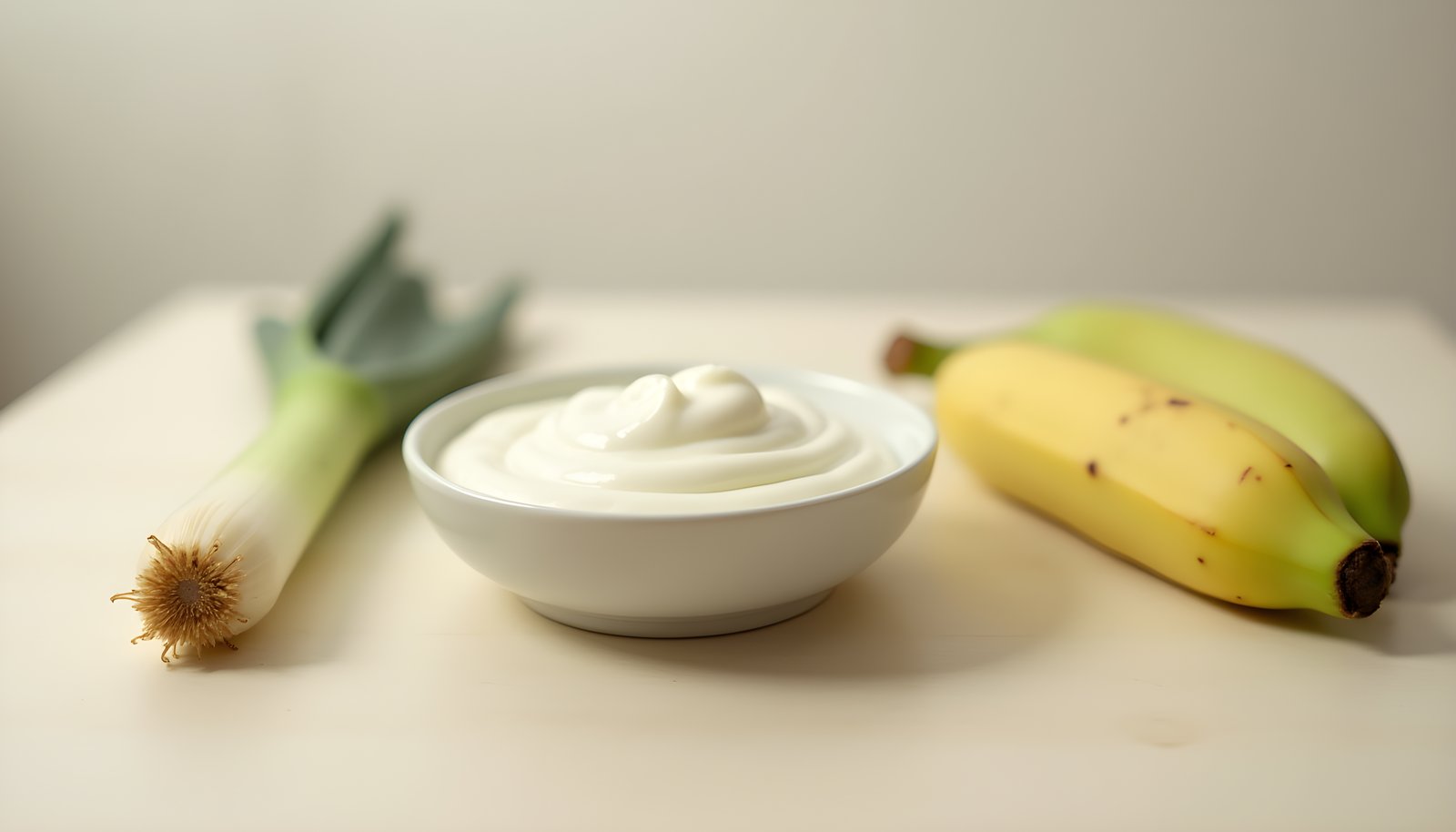
The best gut bacteria foods are fiber rich plants, especially onions, garlic, leeks, bananas, beans, oats and whole grains, which supply prebiotic fiber your microbes ferment. Fermented foods like yogurt, kefir and kimchi help in a different way, by adding live microbes and raising diversity.
Free · 7-day starter guide
Get our Gut Reset Quick-Start when you subscribe
Join 47,000 readers getting the Weekly Fiber Digest — research roundups, recipes, and discounts every Thursday.