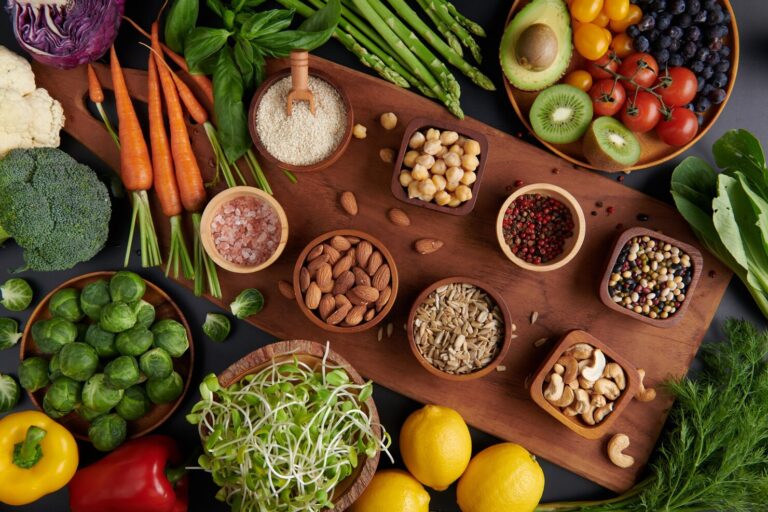
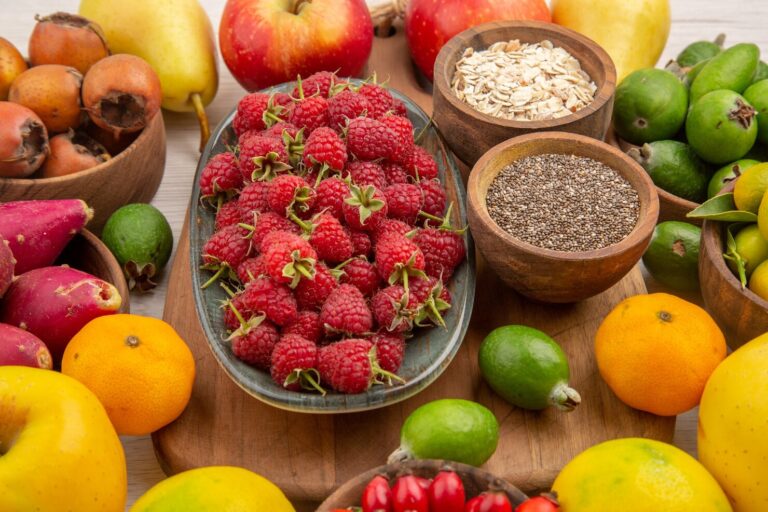
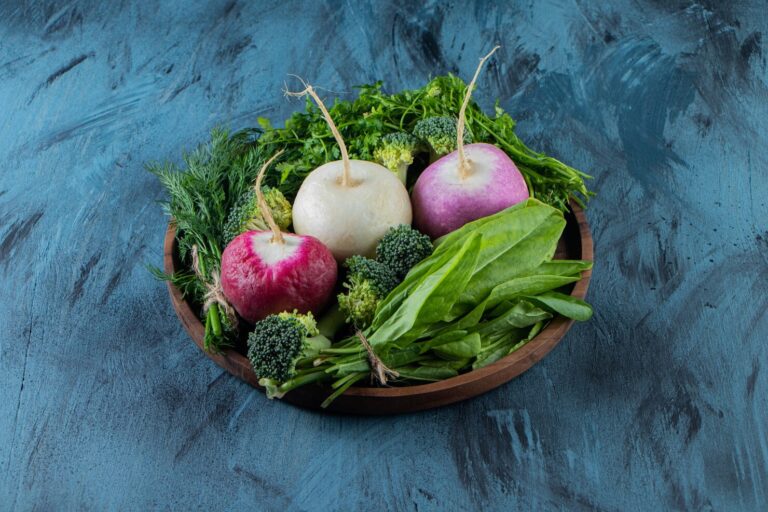
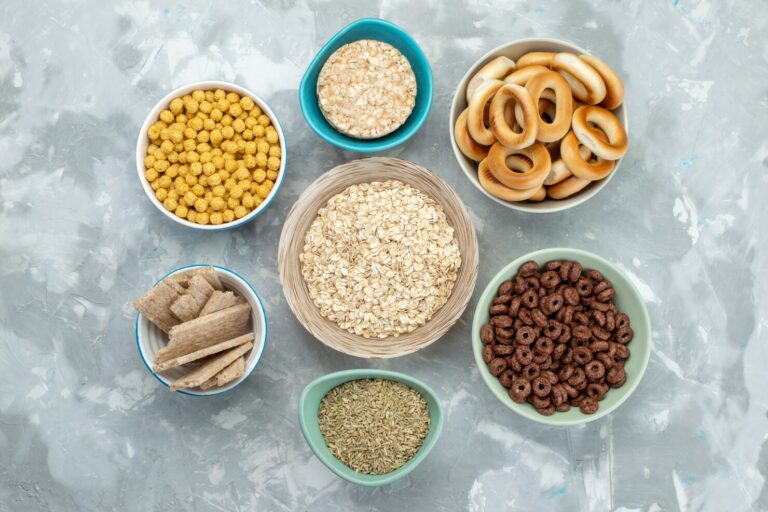
Fruits, vegetables, grains, legumes, nuts and more – discover which everyday foods pack the most fiber, how much they deliver, and simple ways to eat more of them every day.
A here’s no supplement that beats a plate of real food. Whole foods deliver fiber alongside vitamins, minerals, antioxidants, and water — a package no powder can match. The good news is that hitting your daily target is easier than it sounds once you know where fiber actually hides.
Beans and legumes are fiber powerhouses; a single cup can cover more than half your day. Whole
grains, fruit eaten with the skin, vegetables, nuts, and seeds all stack up quickly. Variety matters too
— different foods carry different types of fiber, so a mixed plate feeds a wider range of gut bacteria
than any single food or supplement could.
“You don’t need exotic superfoods to hit your fiber goal — beans, oats,
berries, and a handful of nuts will get most people there.”
That’s why we organize everything by food group. Browse fruits, vegetables, grains, legumes, nuts and seeds, dairy and alternatives, or proteins to see exactly how much fiber each delivers — with the standout picks in every category called out for you.
Not sure where to start? Begin with the highest-fiber foods, then explore the food group you eat most — small, consistent swaps are what move your daily total.
Packaged produce fiber is close to fresh: cutting, bagging and washing fruit and vegetables leave their fiber in place, and USDA numbers for pre-cut, frozen and canned forms sit near the fresh versions. What changes is vitamin C, added sugar and, when the peel comes off, a little of the fiber itself.
Most wellness shots contain no fiber at all: ginger, turmeric and citrus shots are pressed juice, and their labels read 0 grams or leave fiber off entirely. The exception is a prebiotic shot with added fiber, which can list about 3 grams, so wellness shots fiber depends entirely on what was added back in.
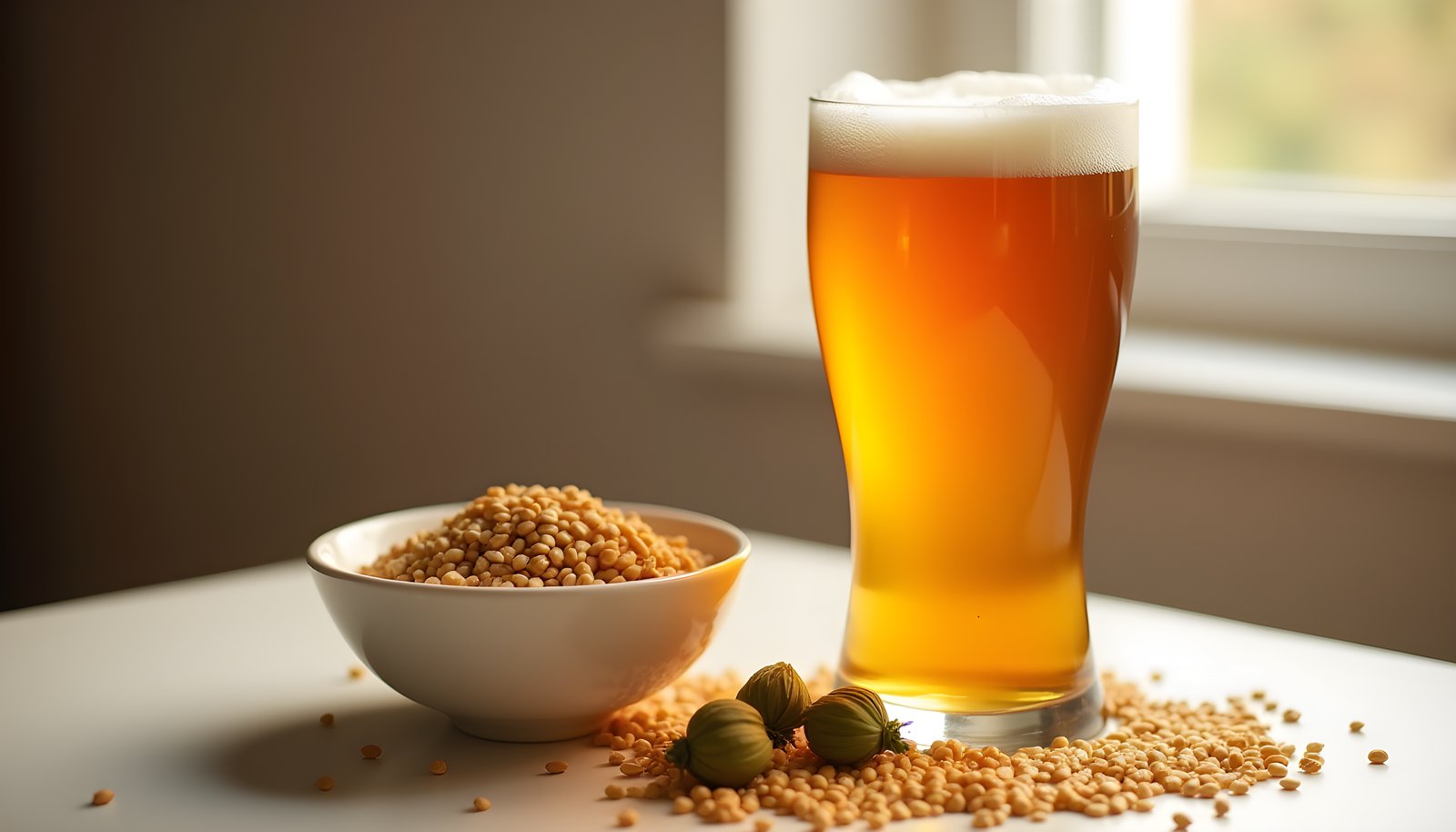
Does beer contain fiber? Nutrition tables say no: USDA lists regular beer at 0 grams. Lab studies, though, find a small amount of dissolved barley fiber in beer, roughly 0.2 to 1.4 grams per 12-ounce can, which is too little to count toward your day.
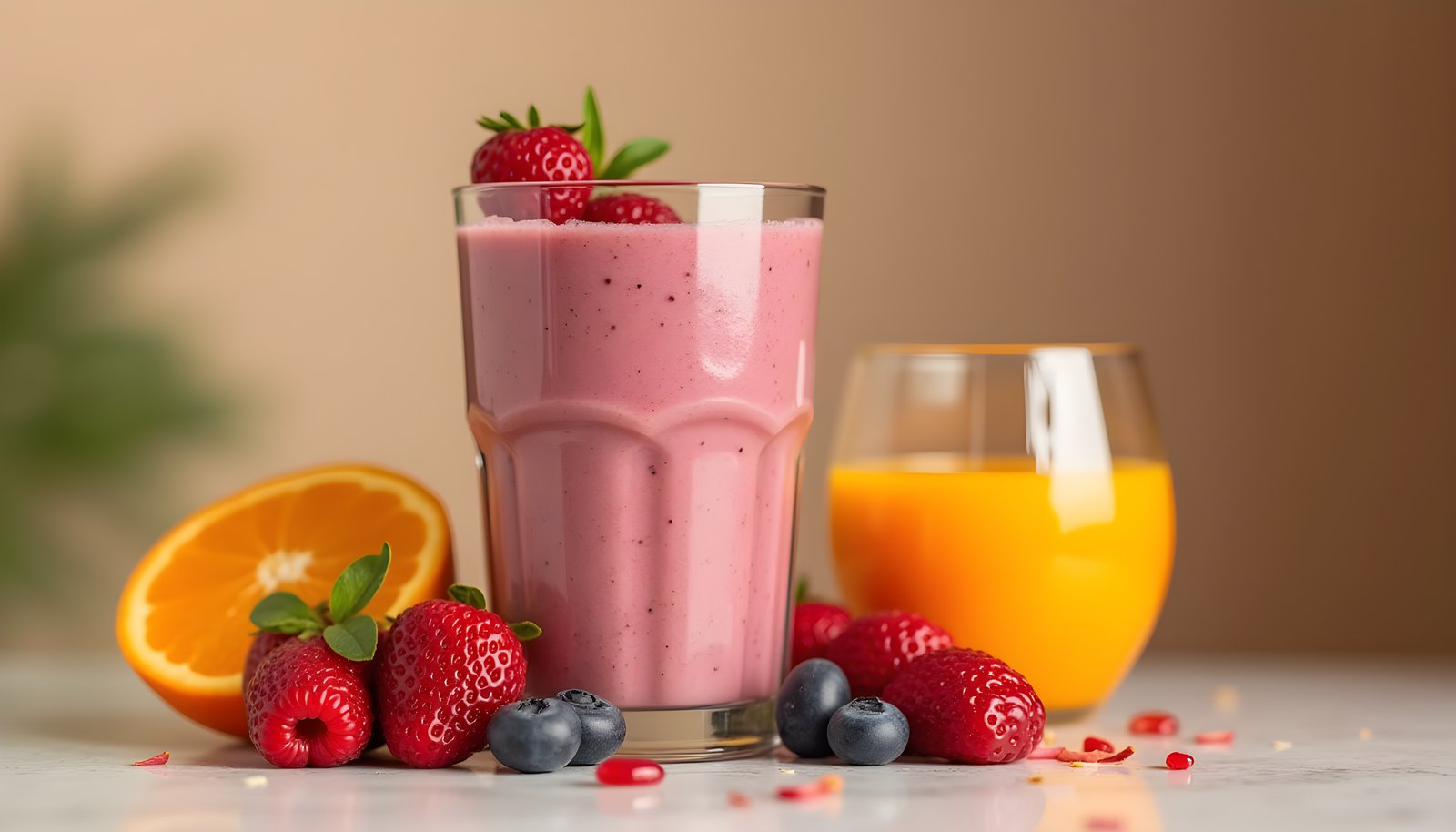
Yes. In any smoothies vs juice fiber matchup, the smoothie wins because blending keeps the pulp and skin that a juicer strains away: a cup of orange juice has 0.5 grams of fiber, while the whole orange you could blend instead has 3.7 grams. Smoothies also edge out juice for fullness, though whole fruit you chew still beats both.
Corn bran, the outer coat of the corn kernel, has the most fiber of any food skin USDA lists, at 79 grams per 100 grams. Among food skins high fiber picks you can actually eat in normal portions, wheat bran, rice bran and baked potato skin lead the way, while citrus zest and thin fruit peels add smaller amounts.
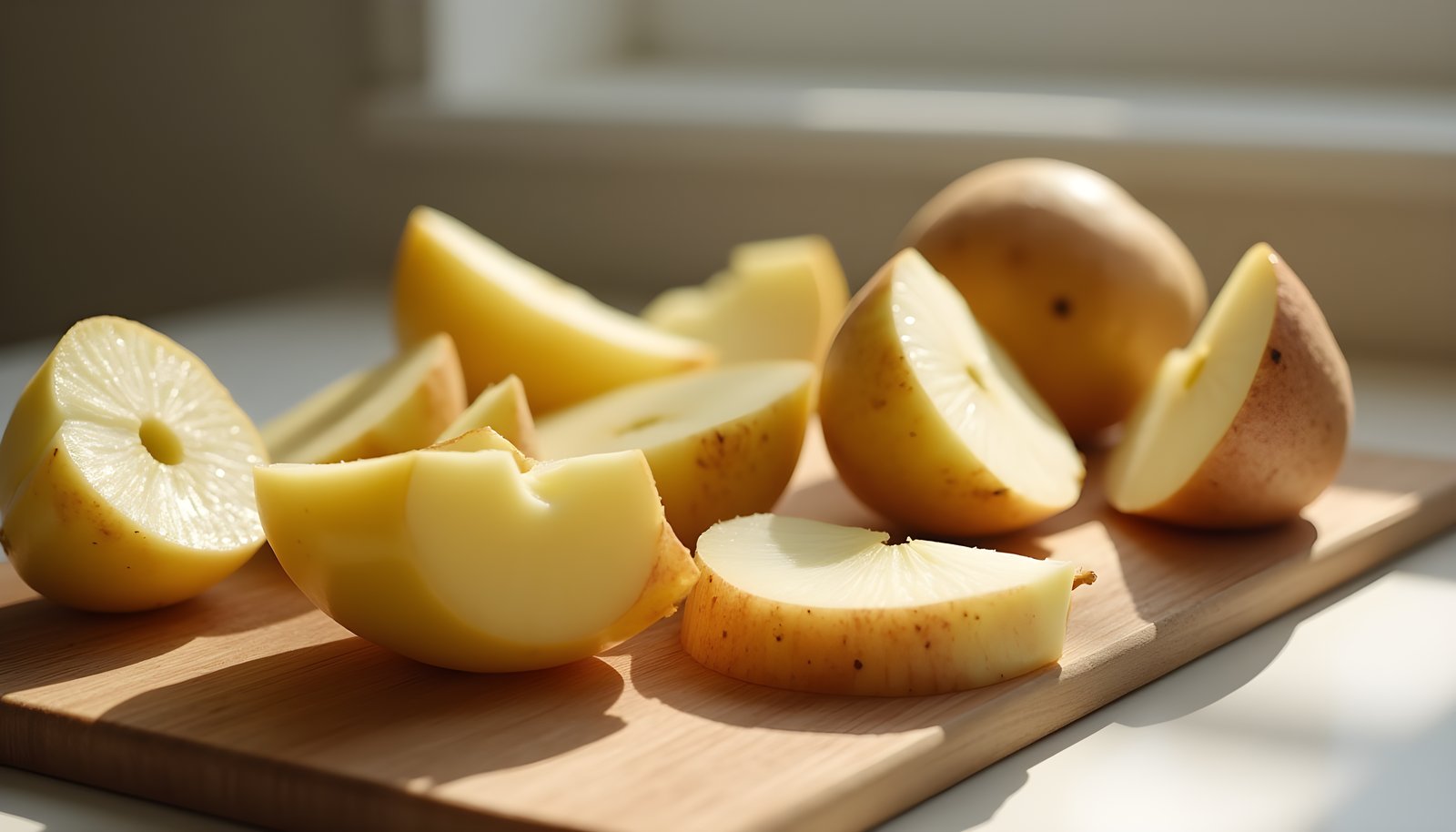
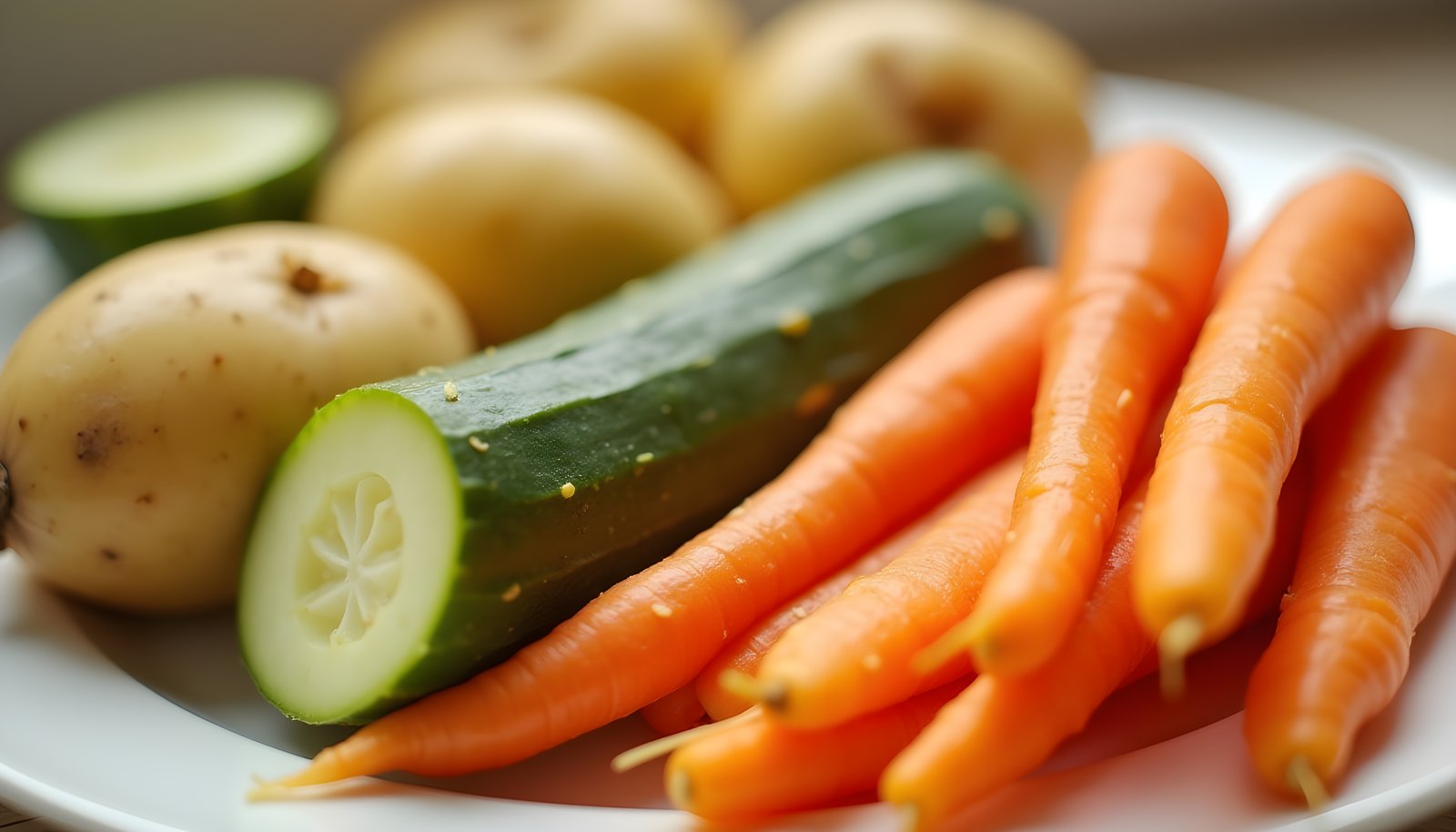
Vegetable skins fiber can be surprisingly concentrated: USDA lists baked potato skin at 7.9 grams of fiber per 100 grams, close to boiled black beans and about five times the flesh. Not every peel works that way, though, and cucumber skin matters more for vitamin K than for fiber.
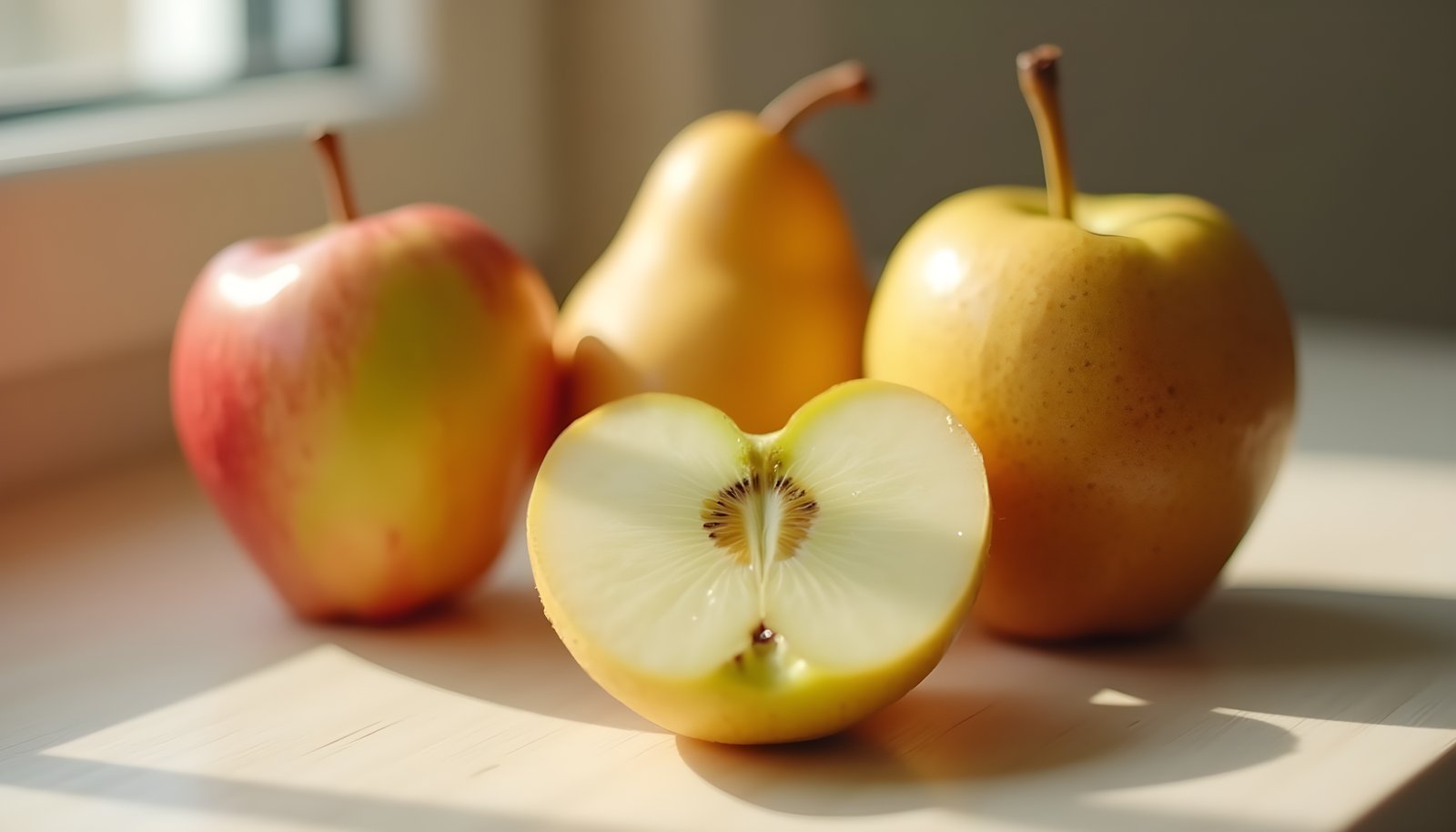
Yes, and the eating fruit skins fiber gain is bigger than it looks: USDA lists a raw apple at 2.4 grams of fiber per 100 grams with the skin and 1.3 grams without it, so the peel carries nearly half the fruit’s fiber. Keep skins on apples and pears every day and you can add several grams to your intake without eating anything extra.
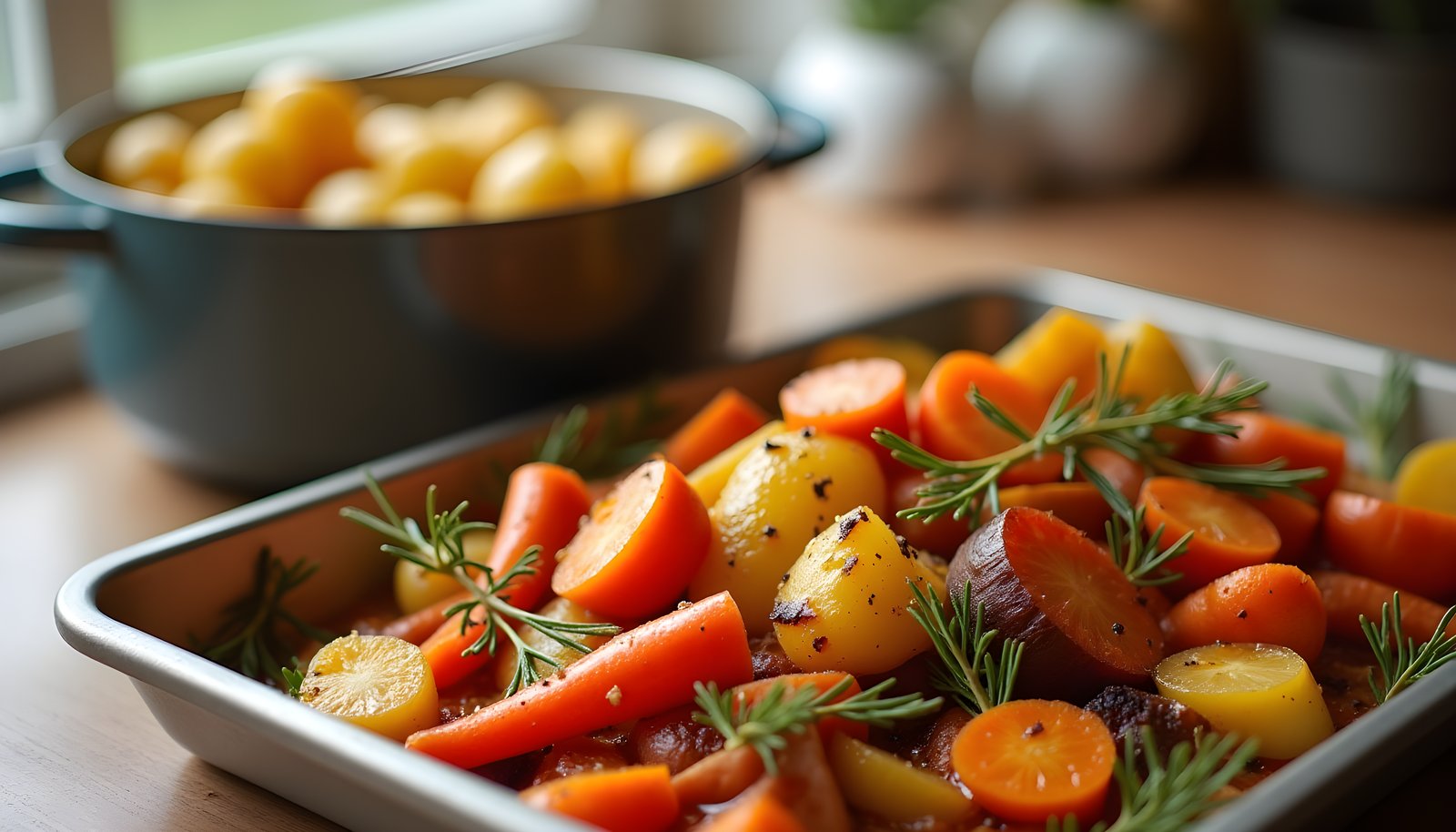
On baked vs boiled vegetables fiber, baked usually looks higher on the label, but mostly because baking drives water out while boiling soaks it in. Measured against the solid part of the vegetable, USDA numbers for squash and sweet potatoes come out almost identical either way, and the bigger fiber swing comes from keeping the skin on.
On raw vs steamed vegetables fiber, the total barely moves, but the type of fiber does. In a study of 29 vegetables, steaming shifted fiber from insoluble to soluble in most of them, nearly tripling soluble fiber in broccoli, and steamed broccoli kept more vitamin C than any other cooking method tested.
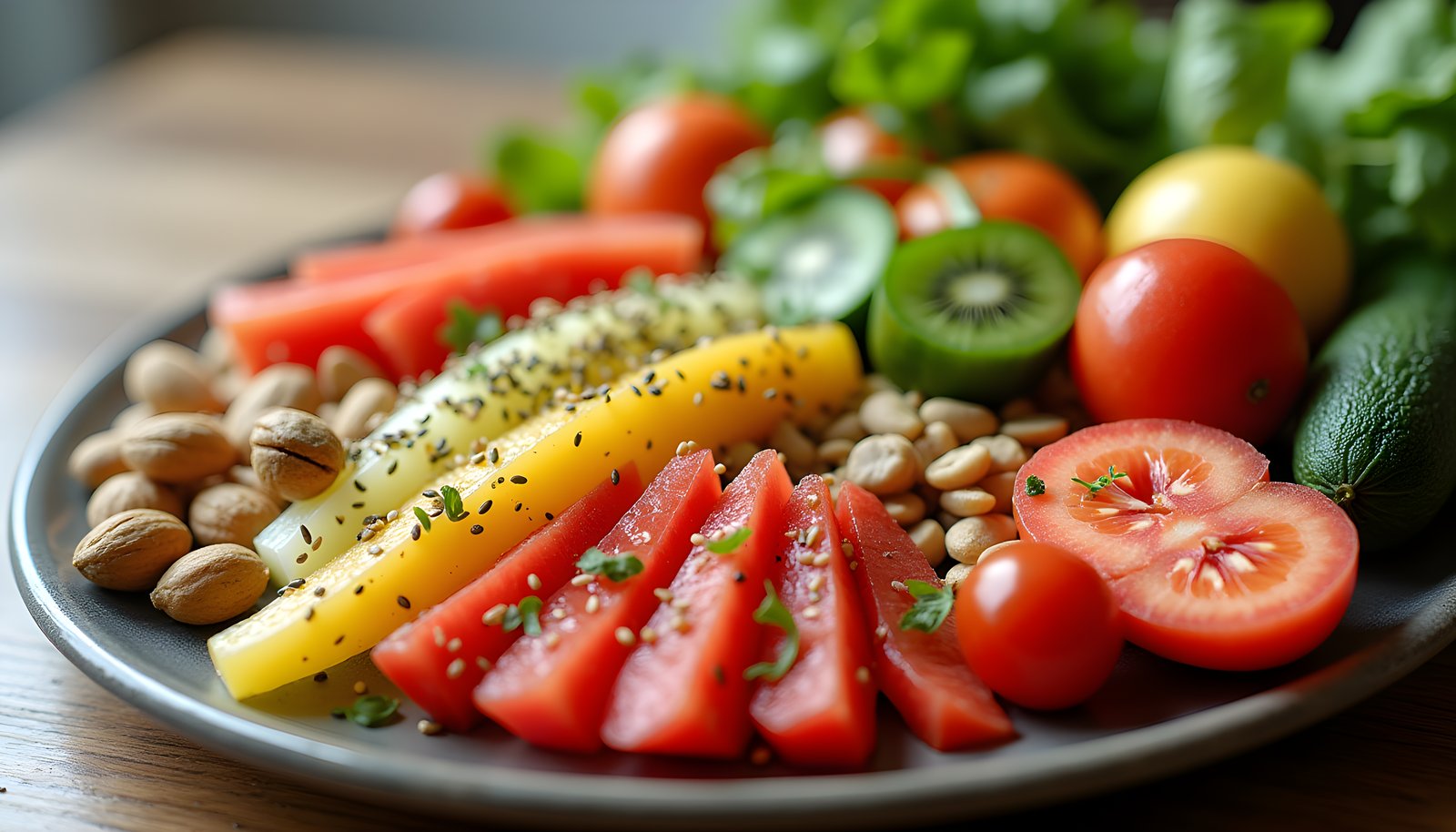
Raw foods diet fiber is rarely the problem: a plain day of raw fruit, vegetables, nuts and seeds can pass 50 grams, about double the usual target. The real gap is calories and a few nutrients, since raw eaters skip cooked beans and grains and often lose more weight than they planned.