Fruits, vegetables, grains, legumes, nuts and more – discover which everyday foods pack the most fiber, how much they deliver, and simple ways to eat more of them every day.
A here’s no supplement that beats a plate of real food. Whole foods deliver fiber alongside vitamins, minerals, antioxidants, and water — a package no powder can match. The good news is that hitting your daily target is easier than it sounds once you know where fiber actually hides.
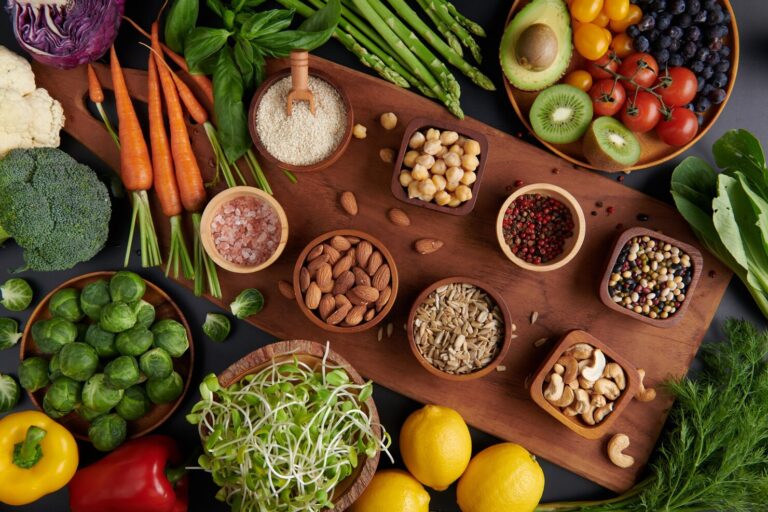
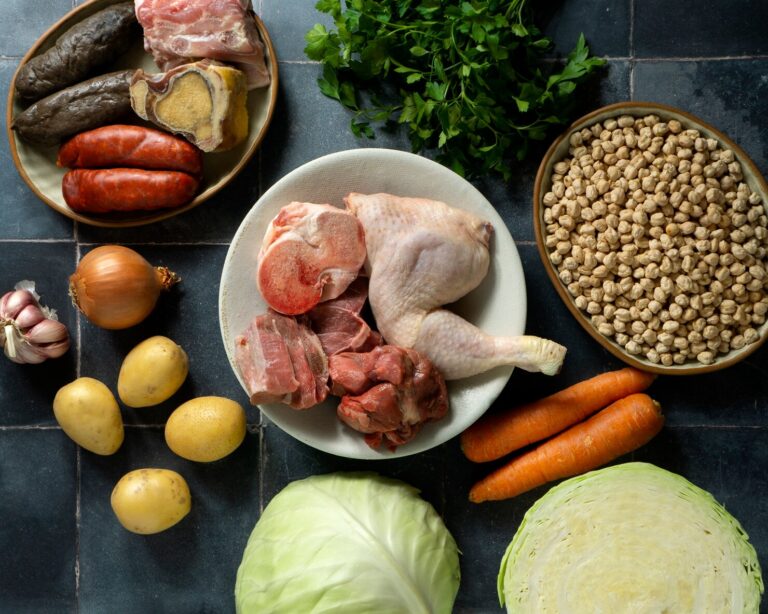
Beans and legumes are fiber powerhouses; a single cup can cover more than half your day. Whole
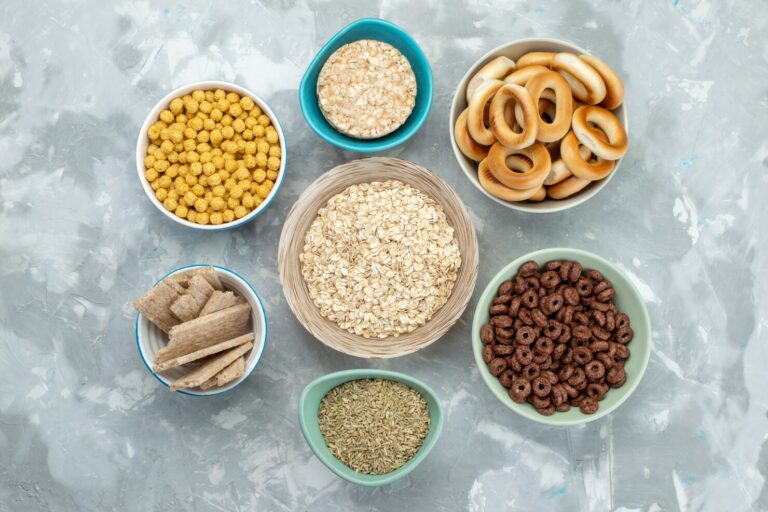
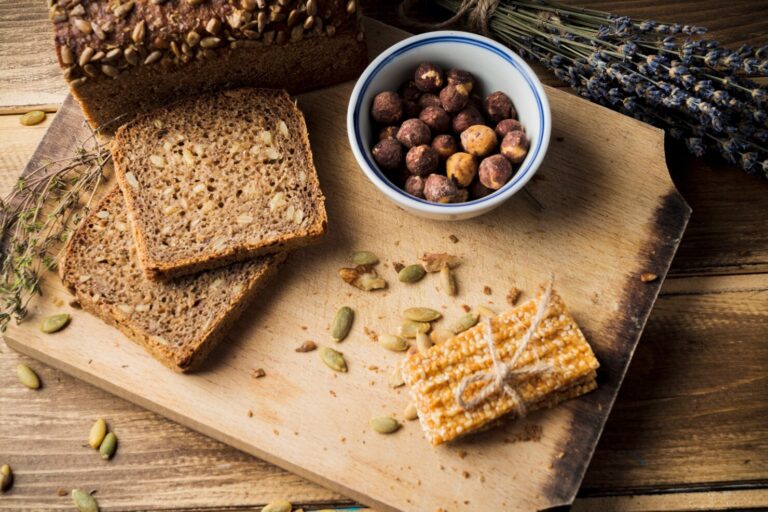
grains, fruit eaten with the skin, vegetables, nuts, and seeds all stack up quickly. Variety matters too
— different foods carry different types of fiber, so a mixed plate feeds a wider range of gut bacteria
than any single food or supplement could.
“You don’t need exotic superfoods to hit your fiber goal — beans, oats,
berries, and a handful of nuts will get most people there.”
That’s why we organize everything by food group. Browse fruits, vegetables, grains, legumes, nuts and seeds, dairy and alternatives, or proteins to see exactly how much fiber each delivers — with the standout picks in every category called out for you.
Not sure where to start? Begin with the highest-fiber foods, then explore the food group you eat most — small, consistent swaps are what move your daily total.
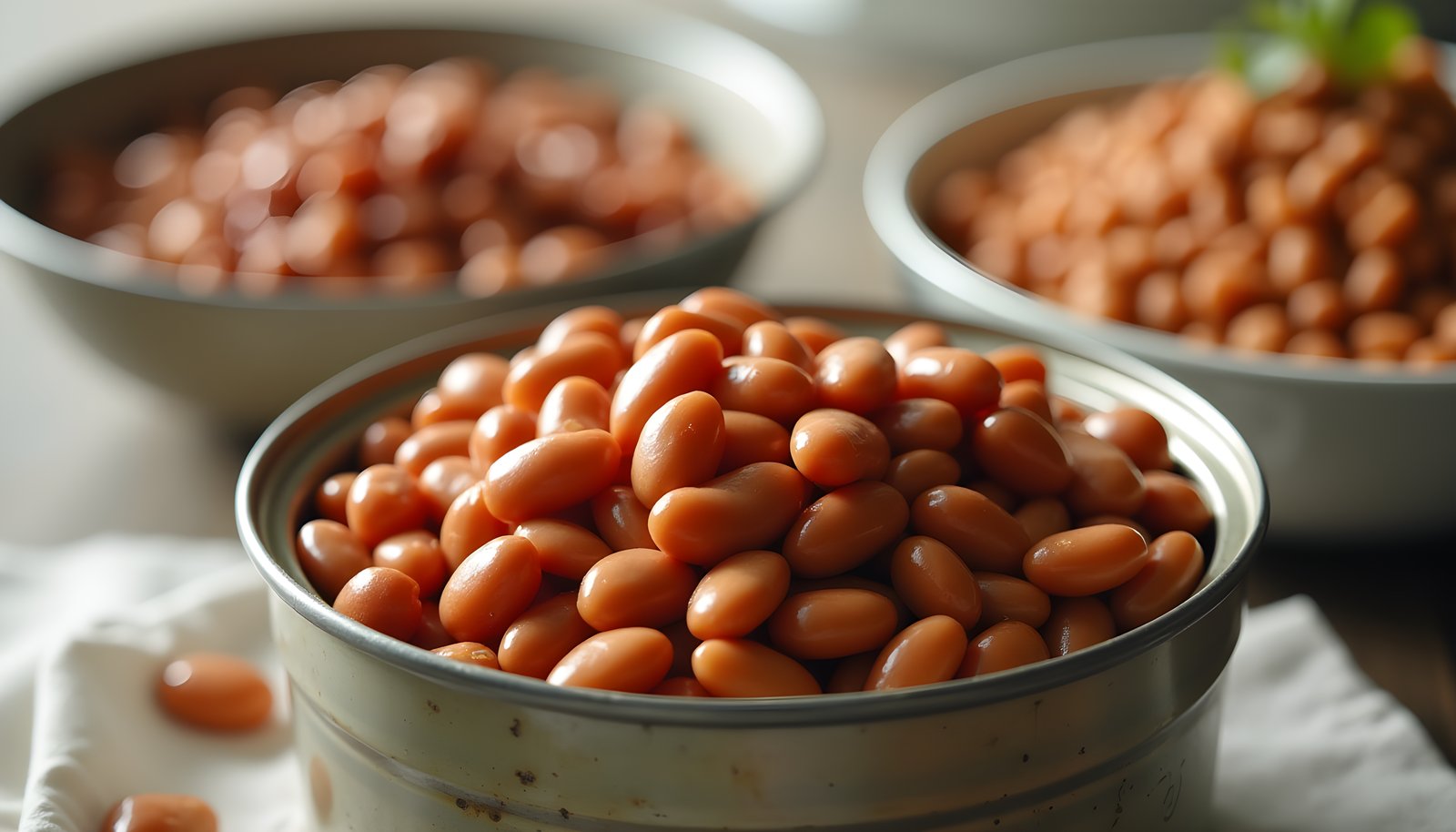
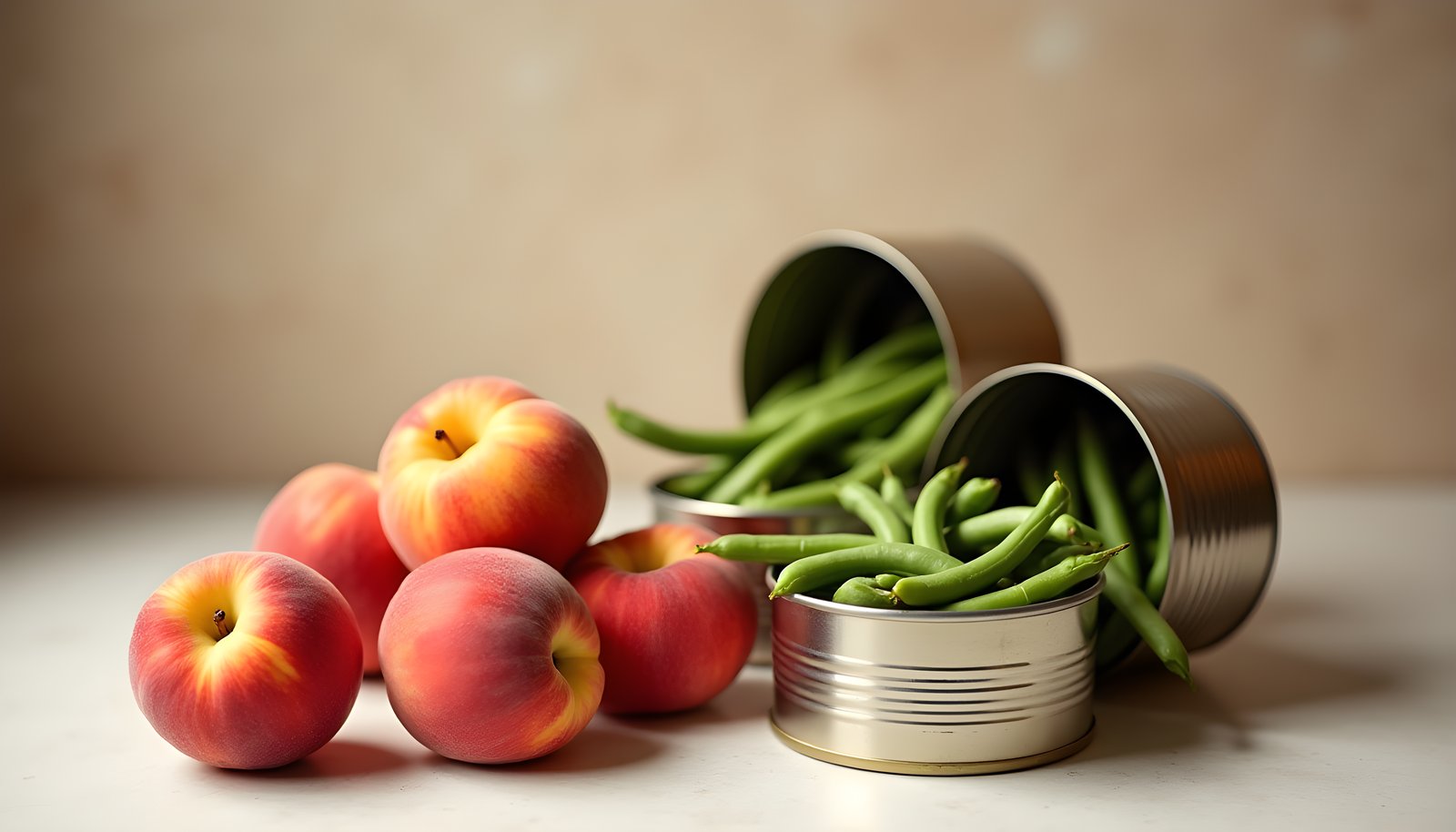
Canned beans fiber holds up well: canned black beans match or beat home cooked ones per calorie, and canned chickpeas tie. Canned pinto and kidney beans come in about 14 to 24% lower per calorie in USDA data, and the bigger losses from the can are folate and the sodium you gain.
On fresh vs canned fiber, the can usually wins or ties: a cup of canned pumpkin has 7.1 grams of fiber against 2.7 grams for fresh boiled pumpkin, and canned peas, tomatoes and fruit land close to fresh. What canning really changes is sodium, added sugar and vitamin C, and those are easy to manage once you know where to look.
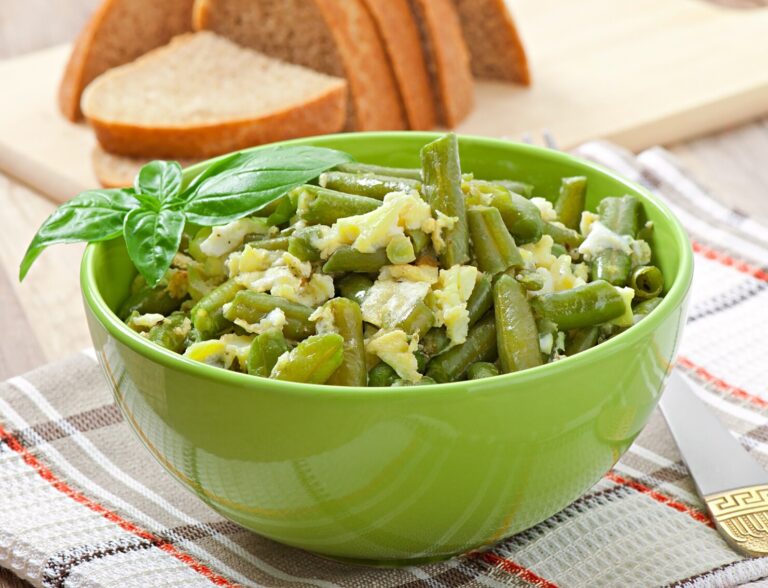
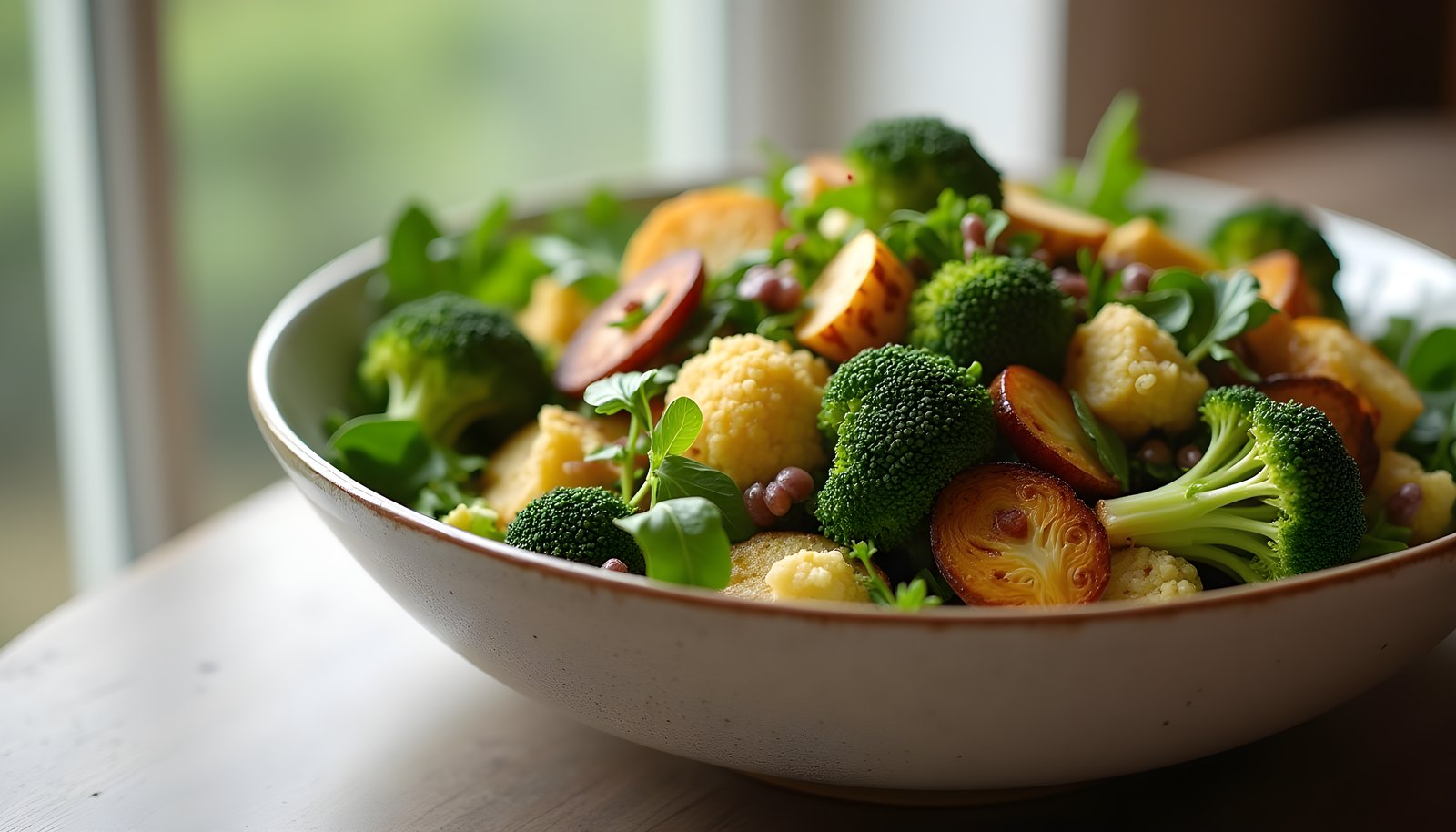
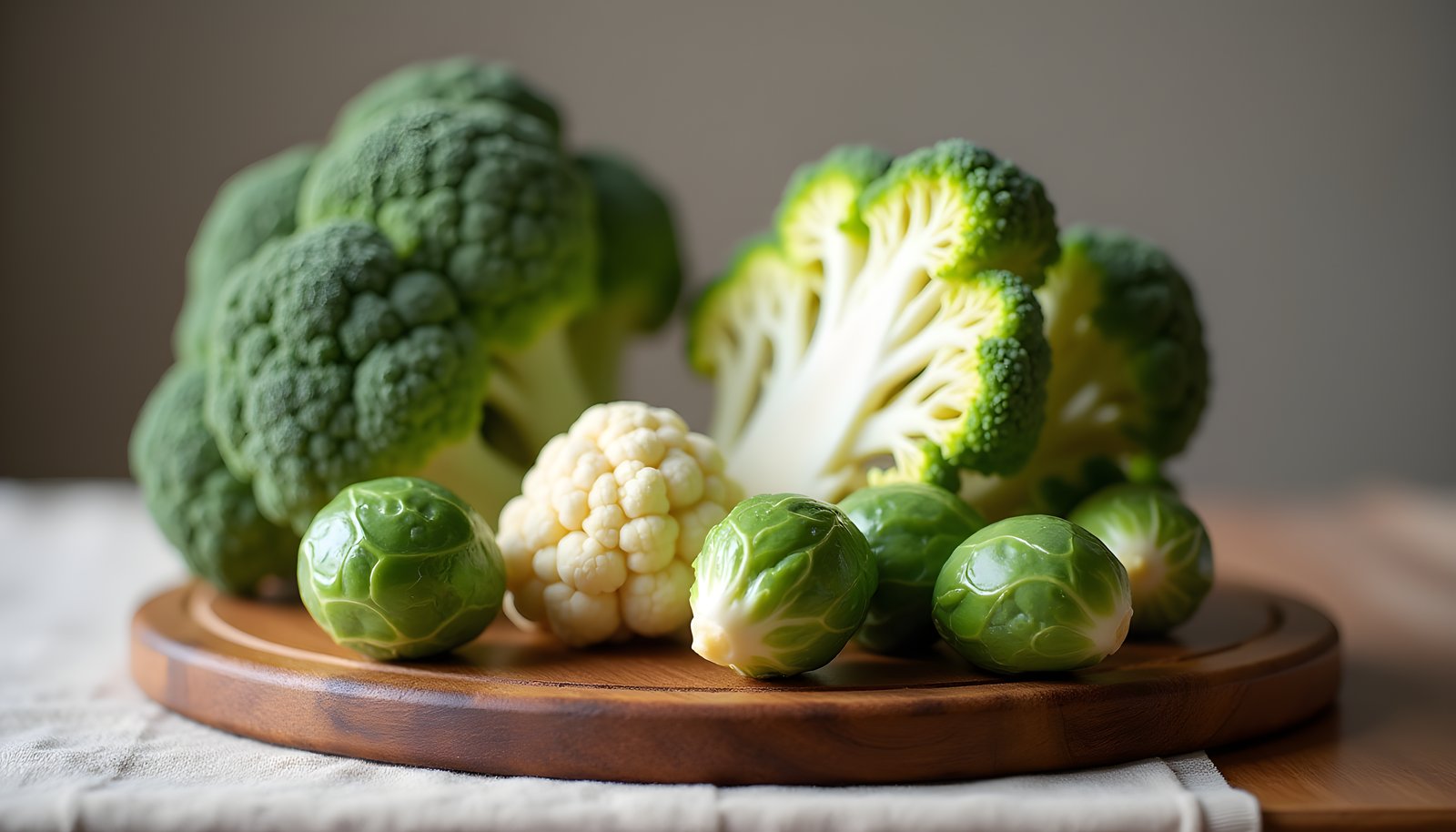
The best high fiber vegetables for weight loss are the non-starchy ones: cauliflower, broccoli, Brussels sprouts and leafy greens give 4 to 6 grams of fiber per cooked cup for under 70 calories. In a study of more than 133,000 adults, these vegetables were linked to weight loss over time, while corn, peas and potatoes were linked to small gains.
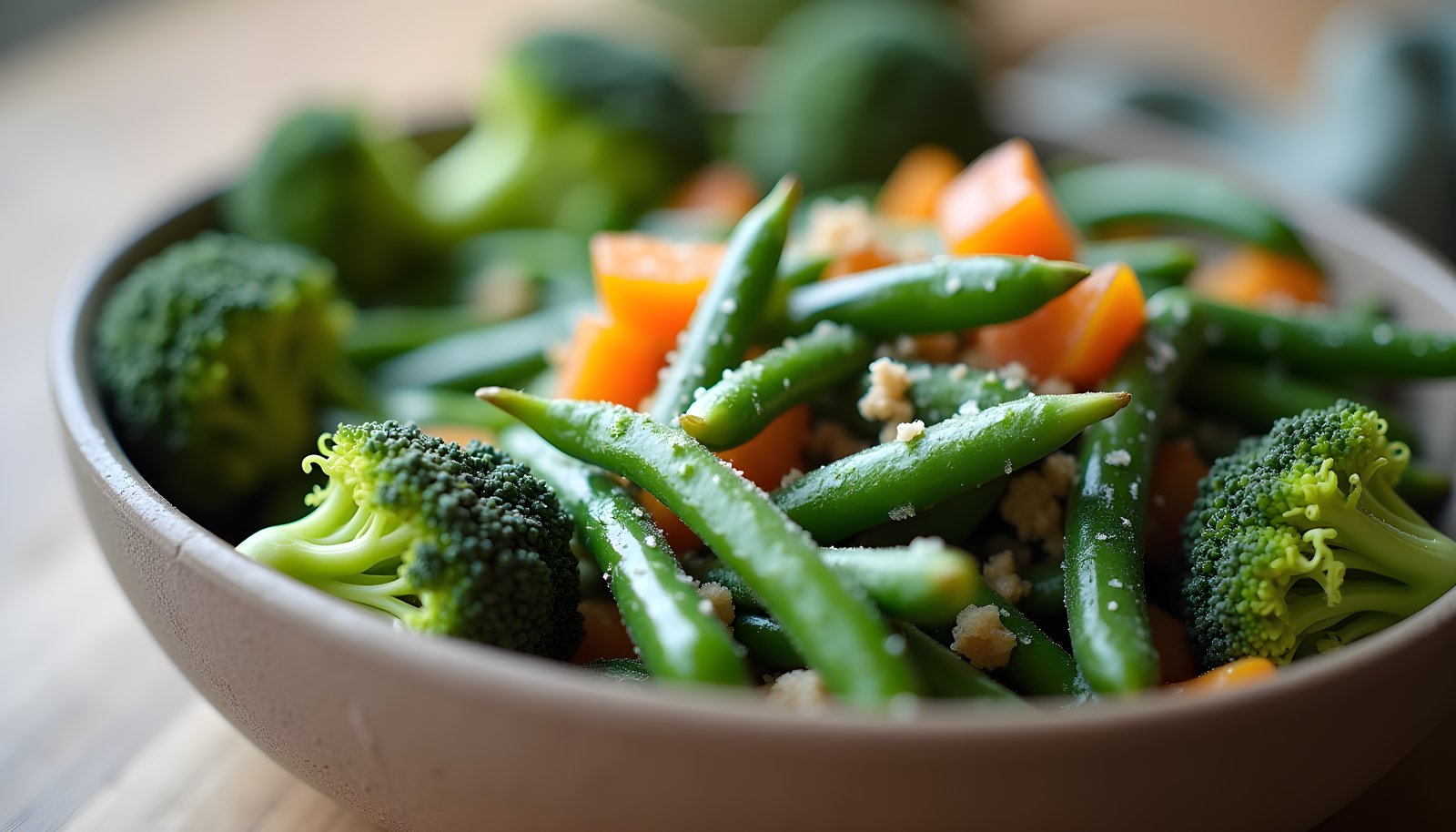
On fresh vs frozen vegetables fiber, frozen holds its own: USDA data show cooked frozen Brussels sprouts at 4.1 grams of fiber per 100 grams versus 2.6 for fresh, and most other vegetables land within half a gram. Here’s the side by side data, what happens to vitamins, and how to use frozen vegetables for easy meal prep.
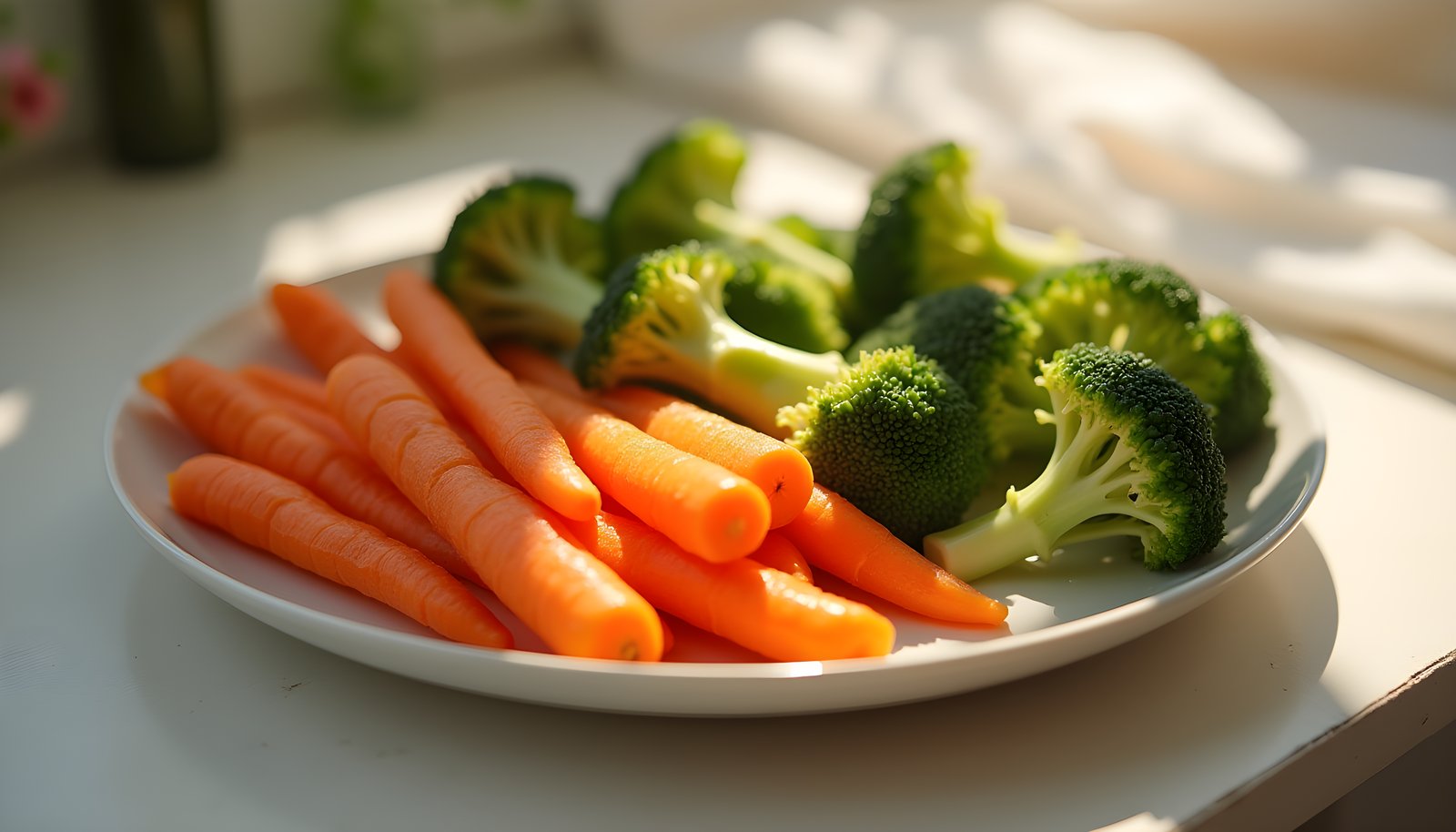
On raw vs cooked vegetables fiber, cooking barely moves the grams: USDA data show carrots at 2.8 grams per 100 grams raw and 3.0 boiled, with most vegetables shifting by less than a gram. What cooking does change is water, volume and vitamins, so the method you choose matters more than whether you cook at all.
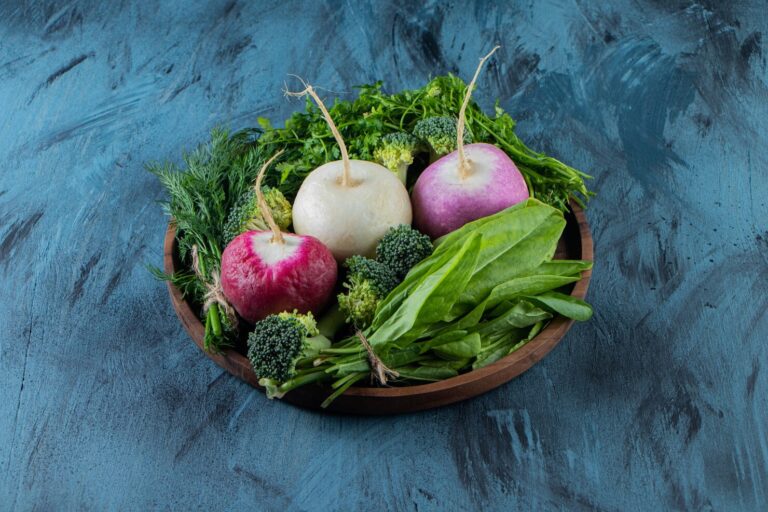
Cruciferous vegetables fiber ranges widely: a cooked cup of Brussels sprouts has 6.4 grams, broccoli 5.2 and cauliflower 4.9, while a cup of raw bok choy has under 1 gram. Here’s every common crucifer ranked, plus how cooking and portion size change the numbers.
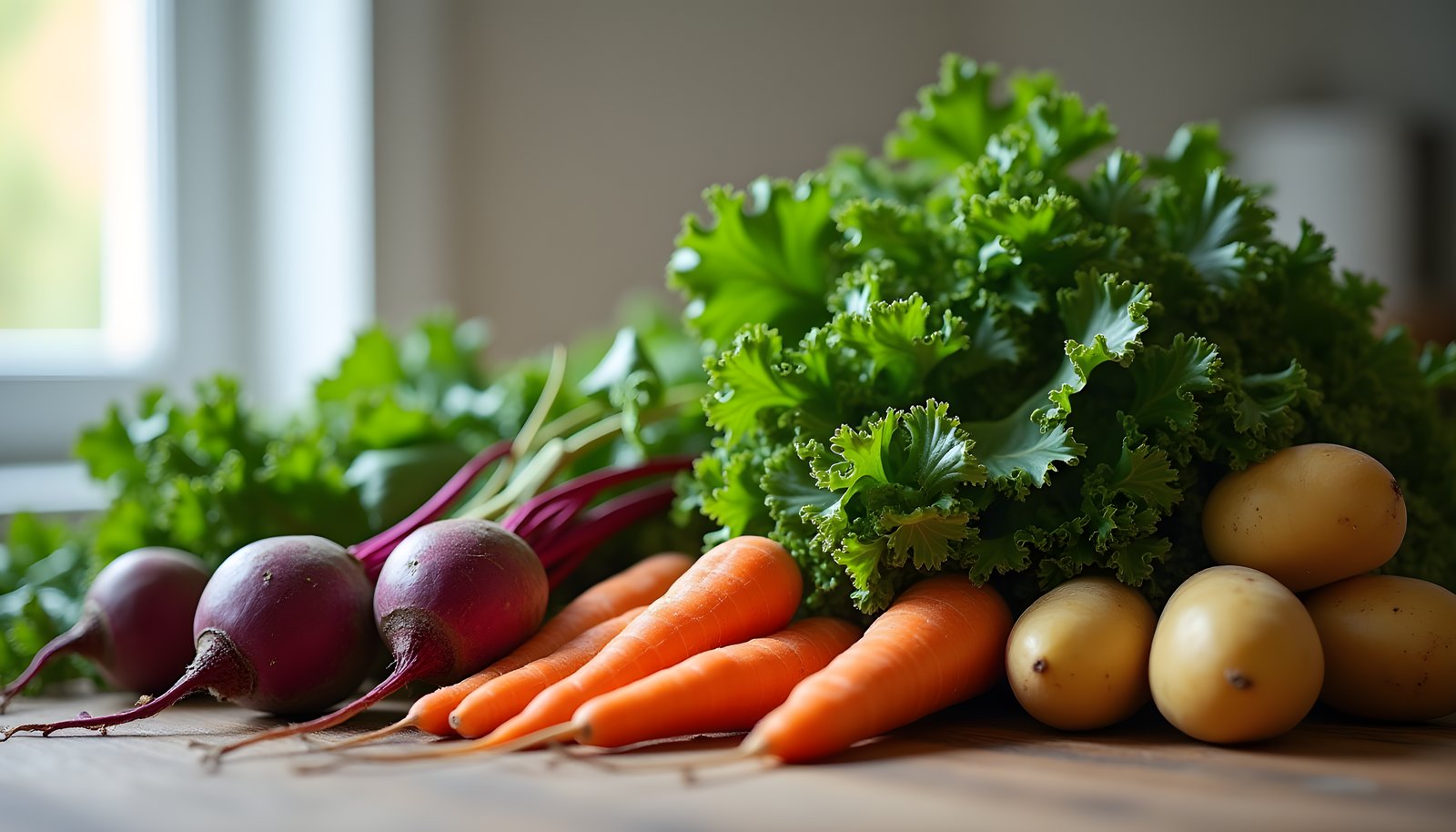
On leafy greens vs root vegetables fiber, the answer flips depending on how you measure: cup for cup, roots like parsnips and sweet potatoes win with over 6 grams, but per calorie, cooked greens like turnip greens deliver more than five times the fiber. Here’s how they compare and when each makes sense.
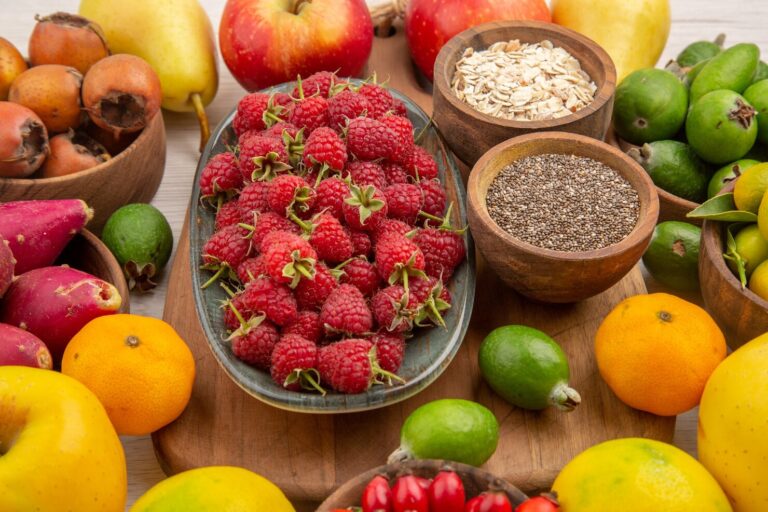
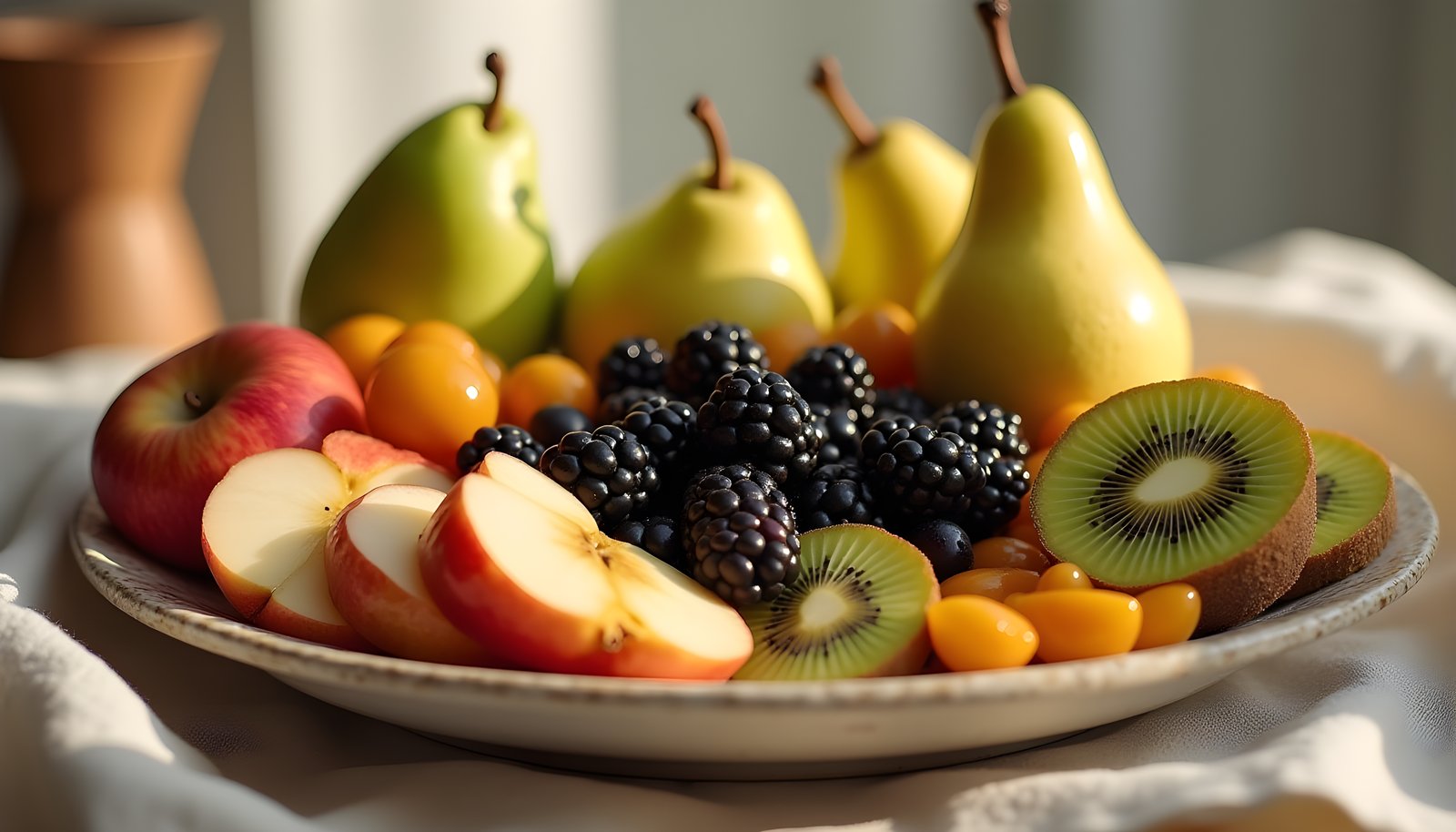
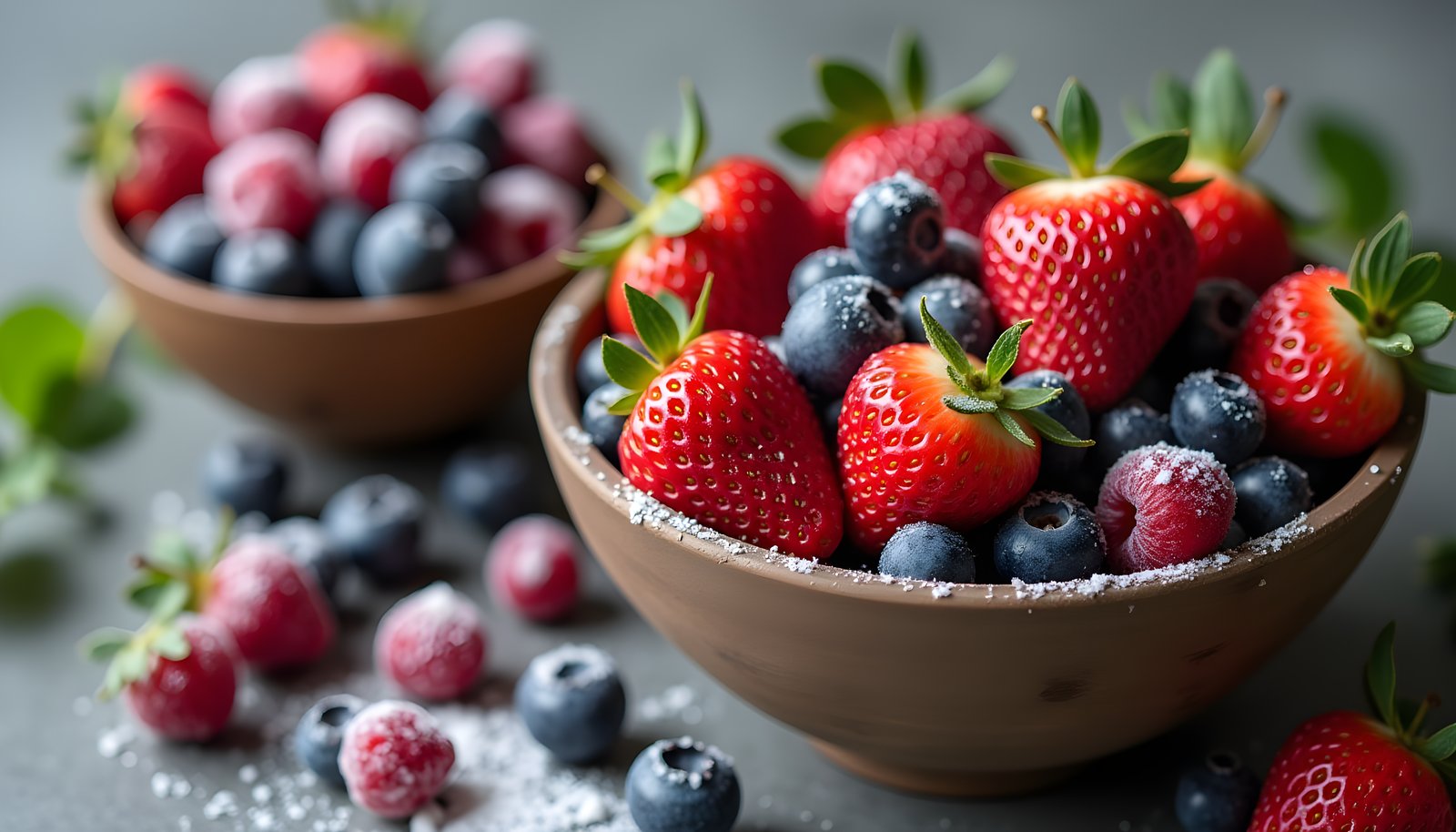
A seasonal fruits high fiber plan works all year, not just in berry season: summer raspberries lead with 8 grams per cup, while winter pears, kiwifruit and grapefruit each bring around 5 grams. Here’s the best fiber fruit in every season, and how to fill the gaps.
On frozen vs fresh fruit fiber, freezing leaves fiber largely intact: a cup of frozen blackberries has 7.6 grams, the same as fresh. Small differences come from cup weight and sampling, and unsweetened frozen fruit is a reliable, budget friendly fiber source.
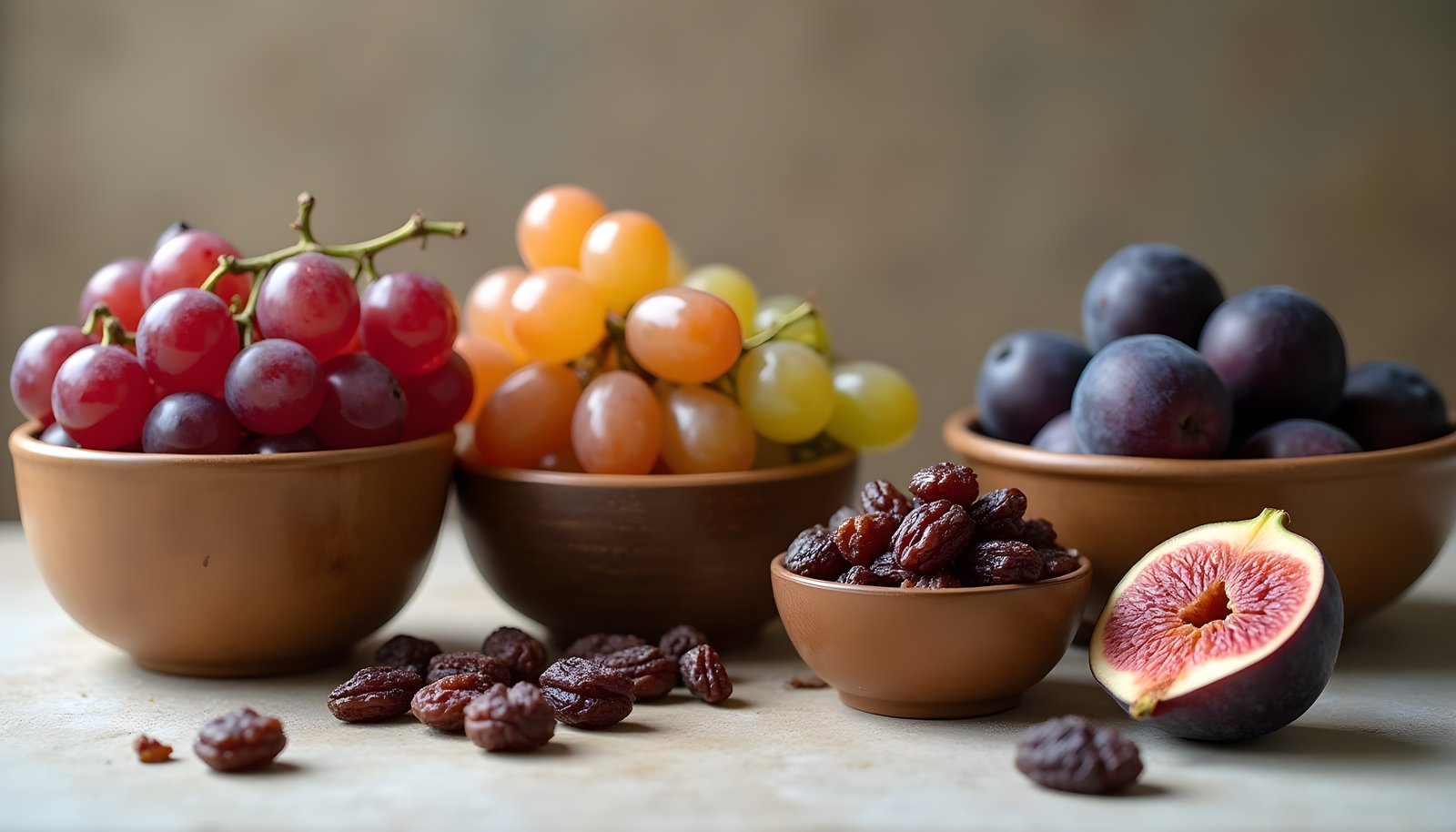
On fresh vs dried fruit fiber, drying doesn’t add or destroy fiber, it removes water, so dried fruit has two to six times more fiber per gram. Per calorie, most unsweetened dried fruits stay close to fresh, while sweetened ones like dried mango and cherries fall far behind.