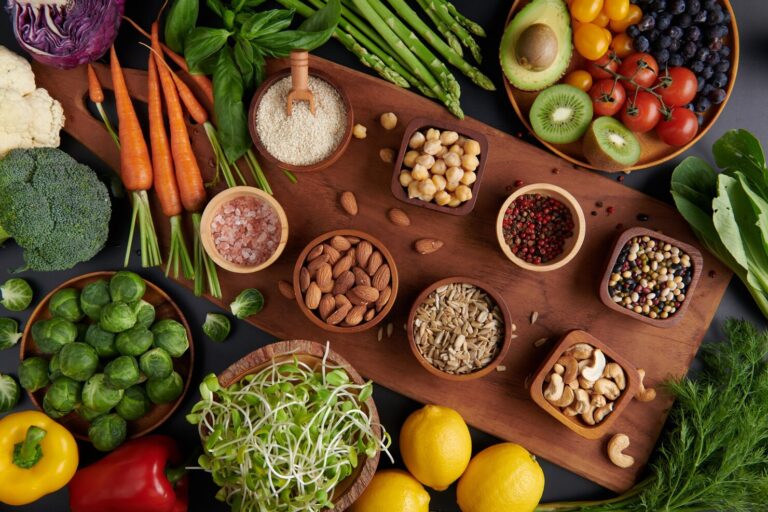
Fruits, vegetables, grains, legumes, nuts and more – discover which everyday foods pack the most fiber, how much they deliver, and simple ways to eat more of them every day.
A here’s no supplement that beats a plate of real food. Whole foods deliver fiber alongside vitamins, minerals, antioxidants, and water — a package no powder can match. The good news is that hitting your daily target is easier than it sounds once you know where fiber actually hides.
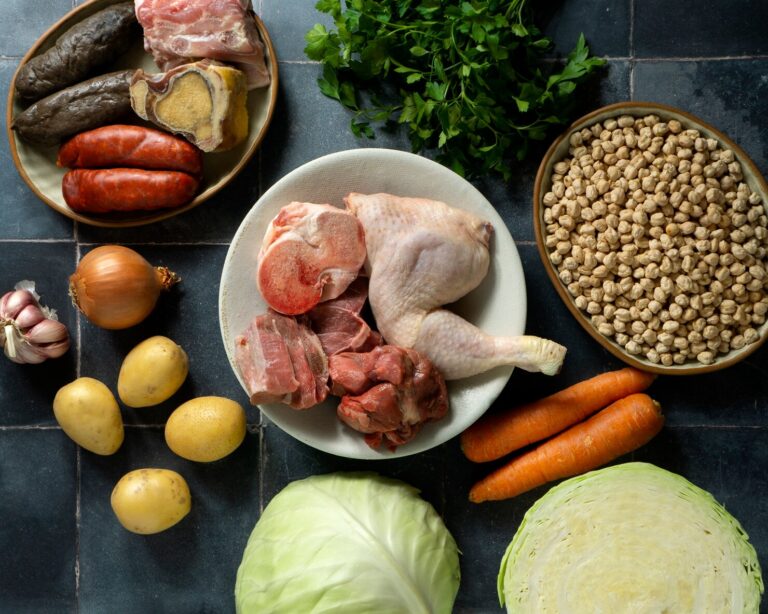
Beans and legumes are fiber powerhouses; a single cup can cover more than half your day. Whole
grains, fruit eaten with the skin, vegetables, nuts, and seeds all stack up quickly. Variety matters too
— different foods carry different types of fiber, so a mixed plate feeds a wider range of gut bacteria
than any single food or supplement could.
“You don’t need exotic superfoods to hit your fiber goal — beans, oats,
berries, and a handful of nuts will get most people there.”
That’s why we organize everything by food group. Browse fruits, vegetables, grains, legumes, nuts and seeds, dairy and alternatives, or proteins to see exactly how much fiber each delivers — with the standout picks in every category called out for you.
Not sure where to start? Begin with the highest-fiber foods, then explore the food group you eat most — small, consistent swaps are what move your daily total.
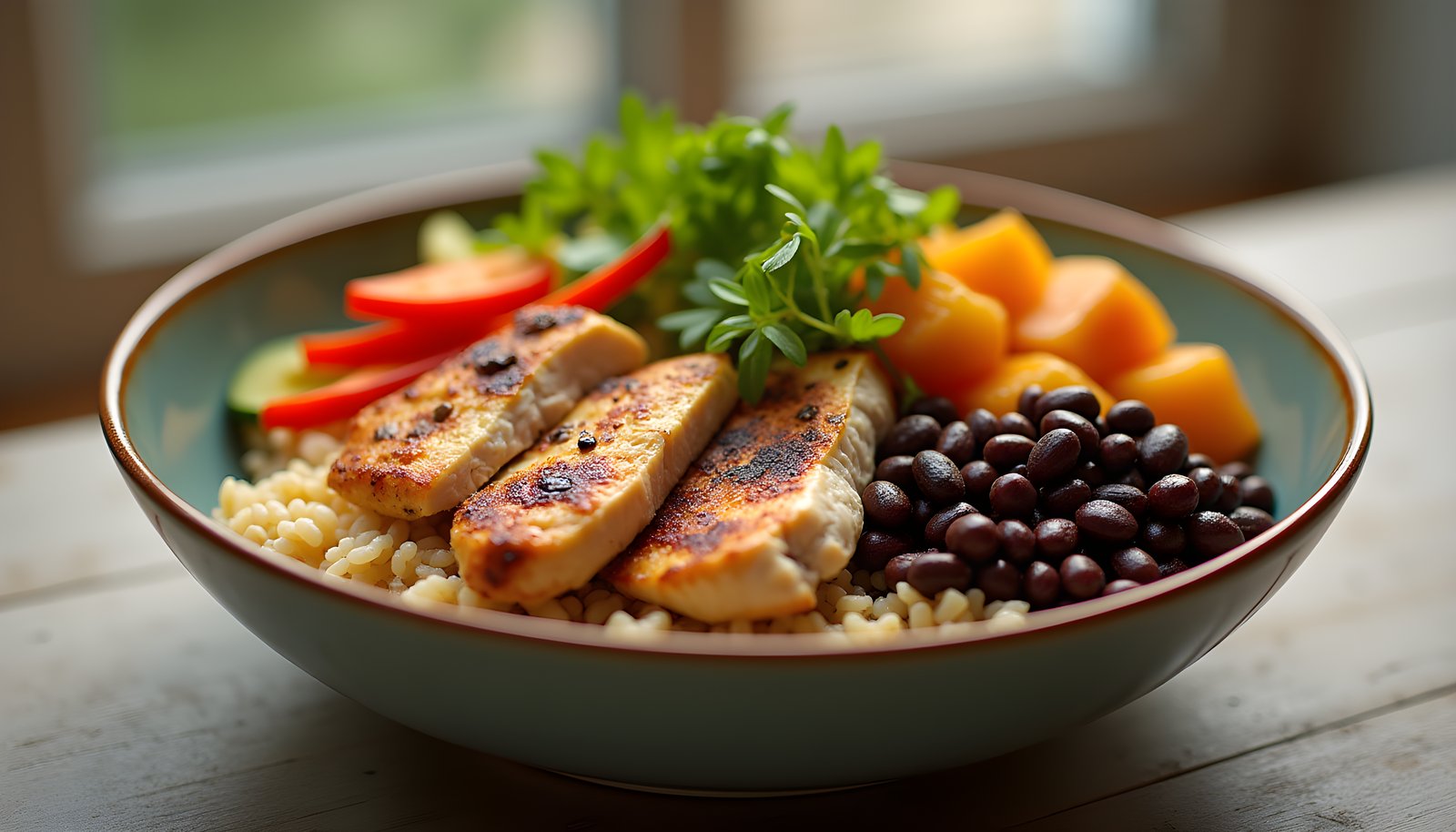
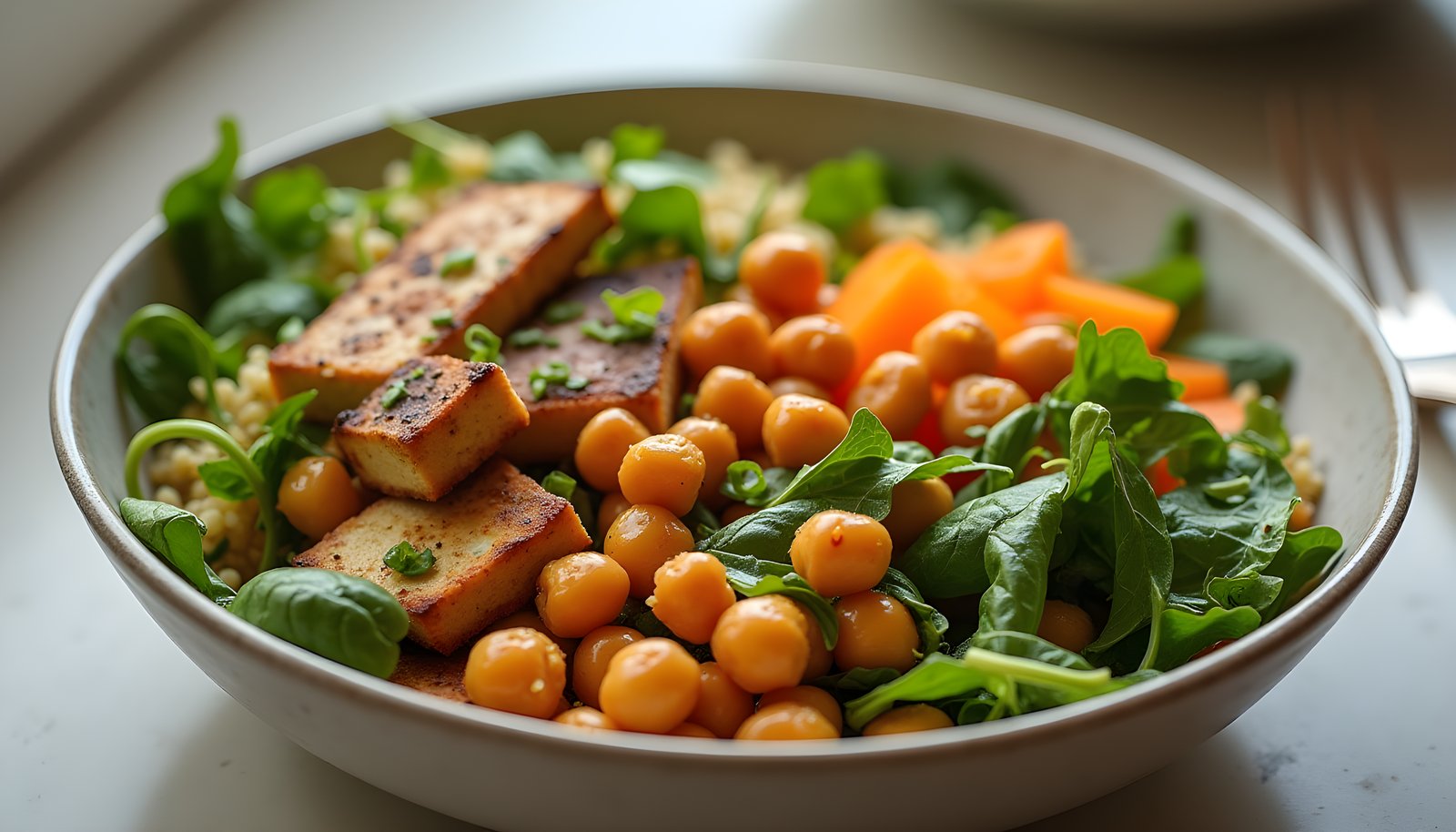
Each of these high protein high fiber meals delivers at least 30 grams of protein and 10 grams of fiber, about a third of the daily fiber target in one plate. The trick is pairing a lean protein with a cup of beans, lentils or edamame, and prepping those pieces ahead.
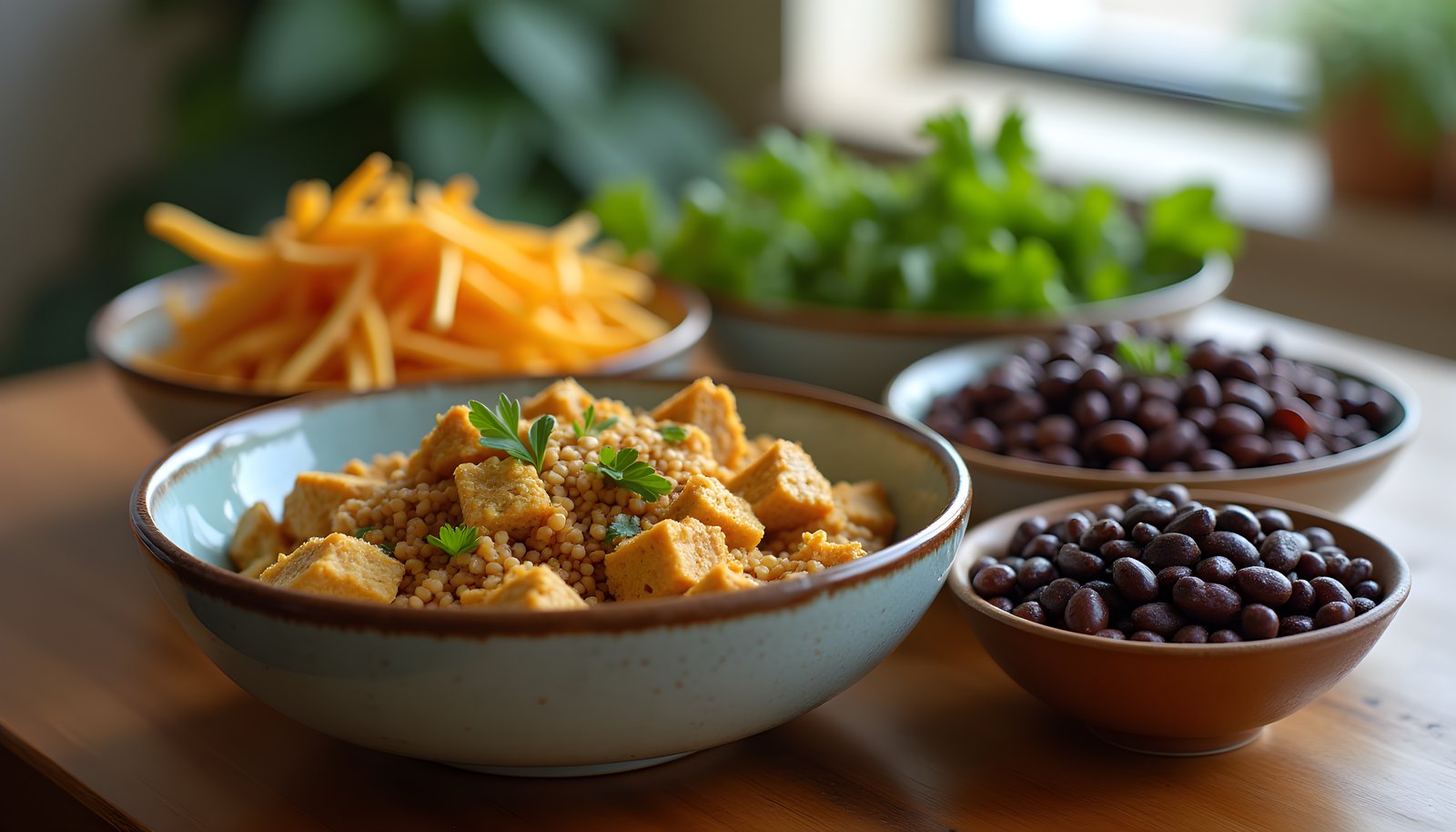
The best protein fiber for gut health comes from legumes, but you don’t have to start with a full cup. Small Monash tested portions of canned lentils, chickpeas and mung beans, paired with tofu or tempeh, let a sensitive gut build up to the prebiotic benefits.
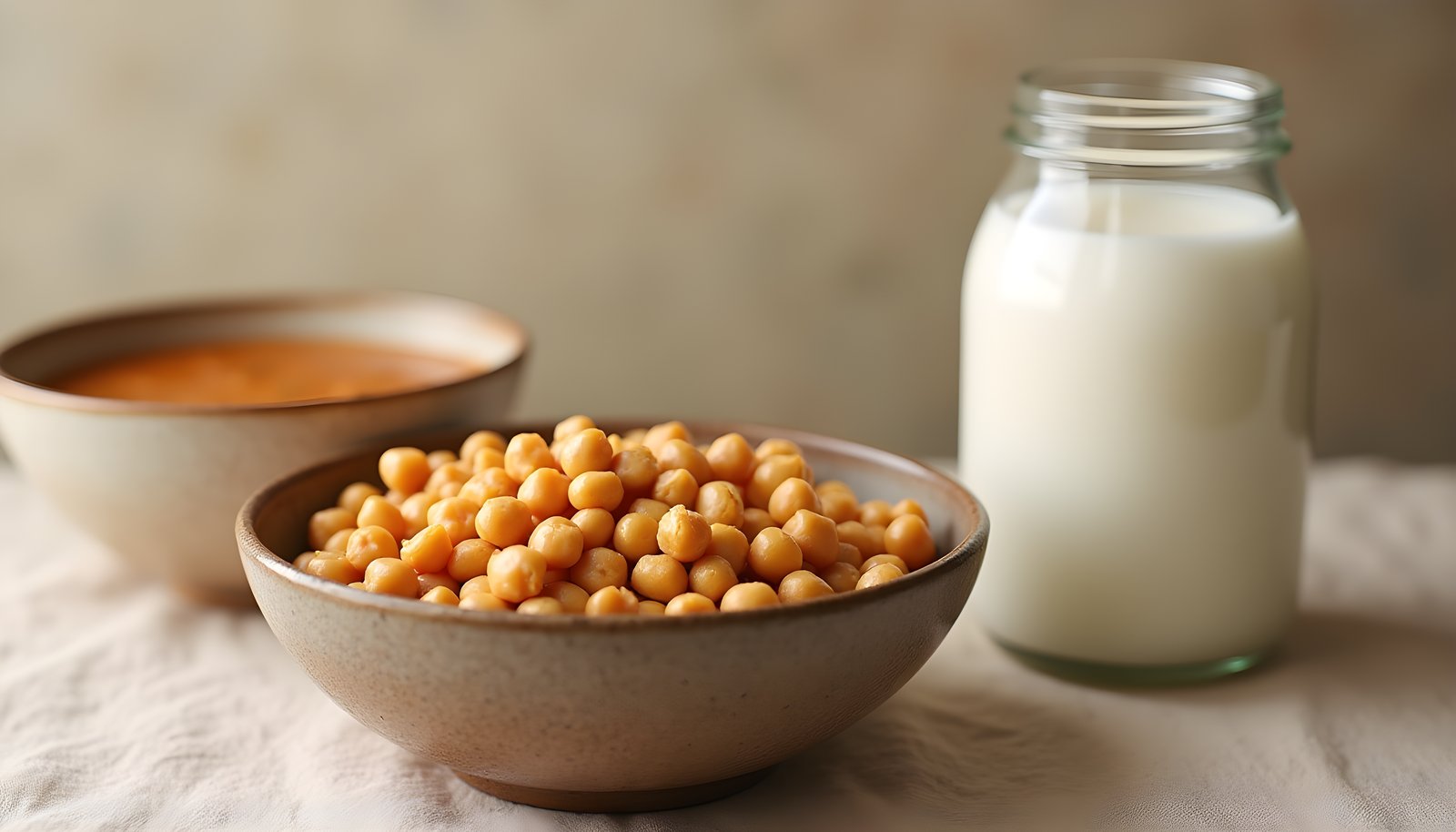
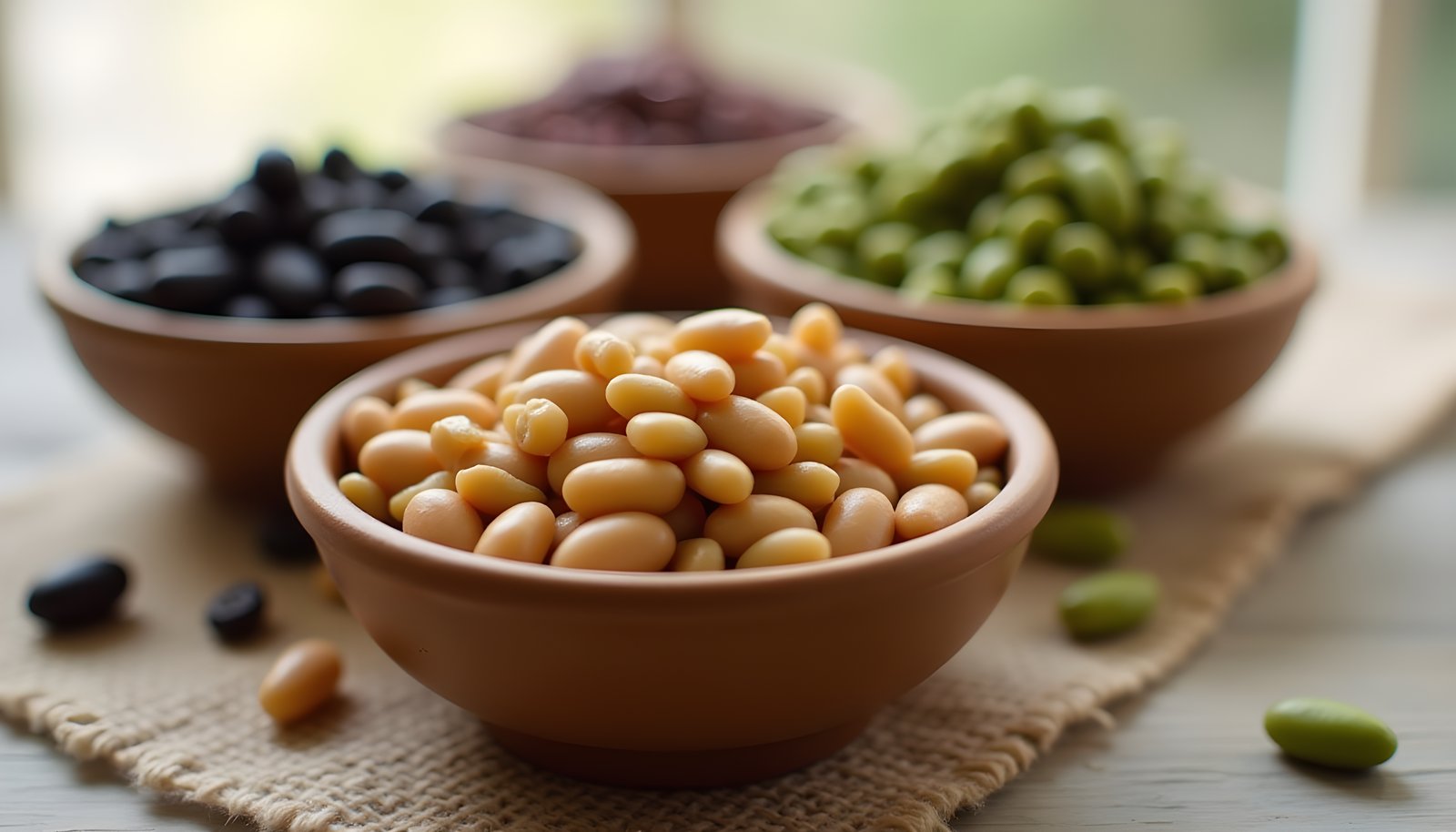
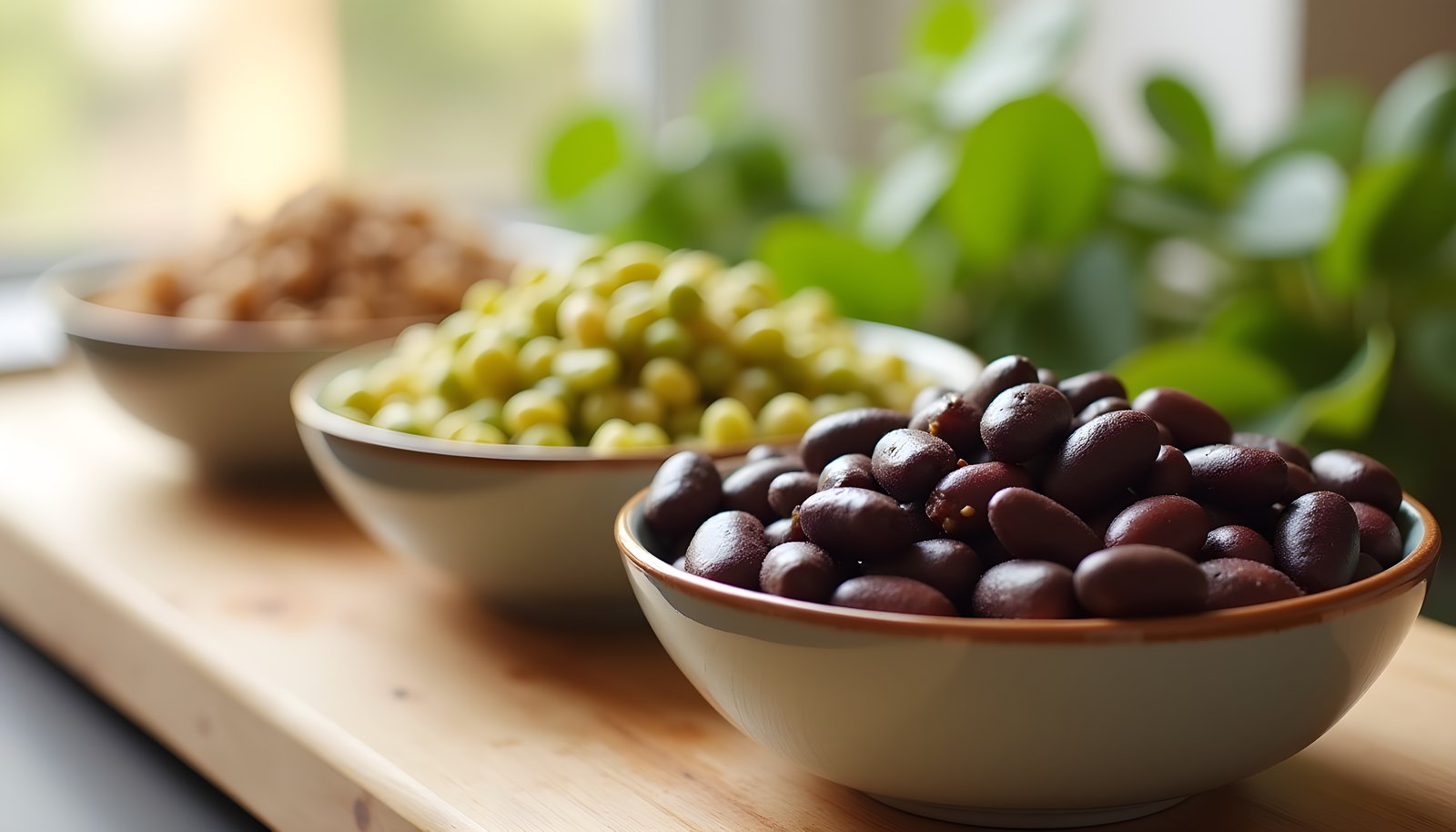
The plant protein fiber foods with the most fiber are navy beans, adzuki beans, split peas and lentils, each with 15 to 19 grams of fiber per cooked cup. The highest protein legumes, lupini beans and soybeans, actually carry less fiber than most.
Beans, lentils and split peas are the vegan proteins highest in fiber, with 26 to 30 grams of fiber in every 30 gram serving of protein. Tofu, tempeh and seitan bring the same protein with little or no fiber, and the best vegan protein fiber plan uses both.
The best high fiber protein for weight loss comes from lentils, split peas, edamame and beans, which pack 12 to 15 combined grams of protein and fiber into every 100 calories. In trials, about one serving of pulses a day led to modest weight loss even without a calorie target.
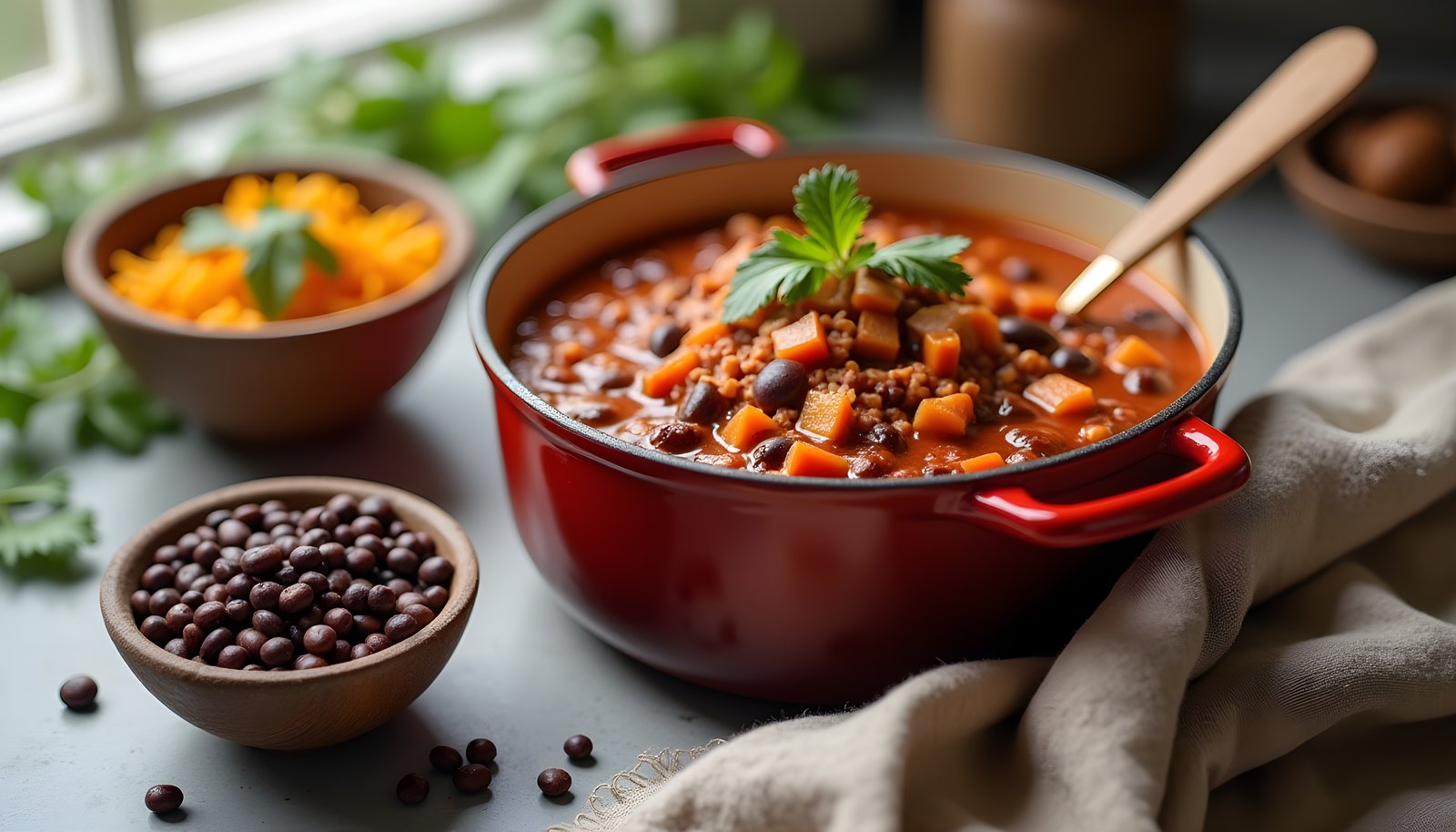
The protein foods with fiber are all plants: split peas, black beans, lentils and chickpeas bring 17 to 20 grams of fiber for every 20 grams of protein. Meat, fish, eggs and dairy bring none, so the best plate pairs the two.
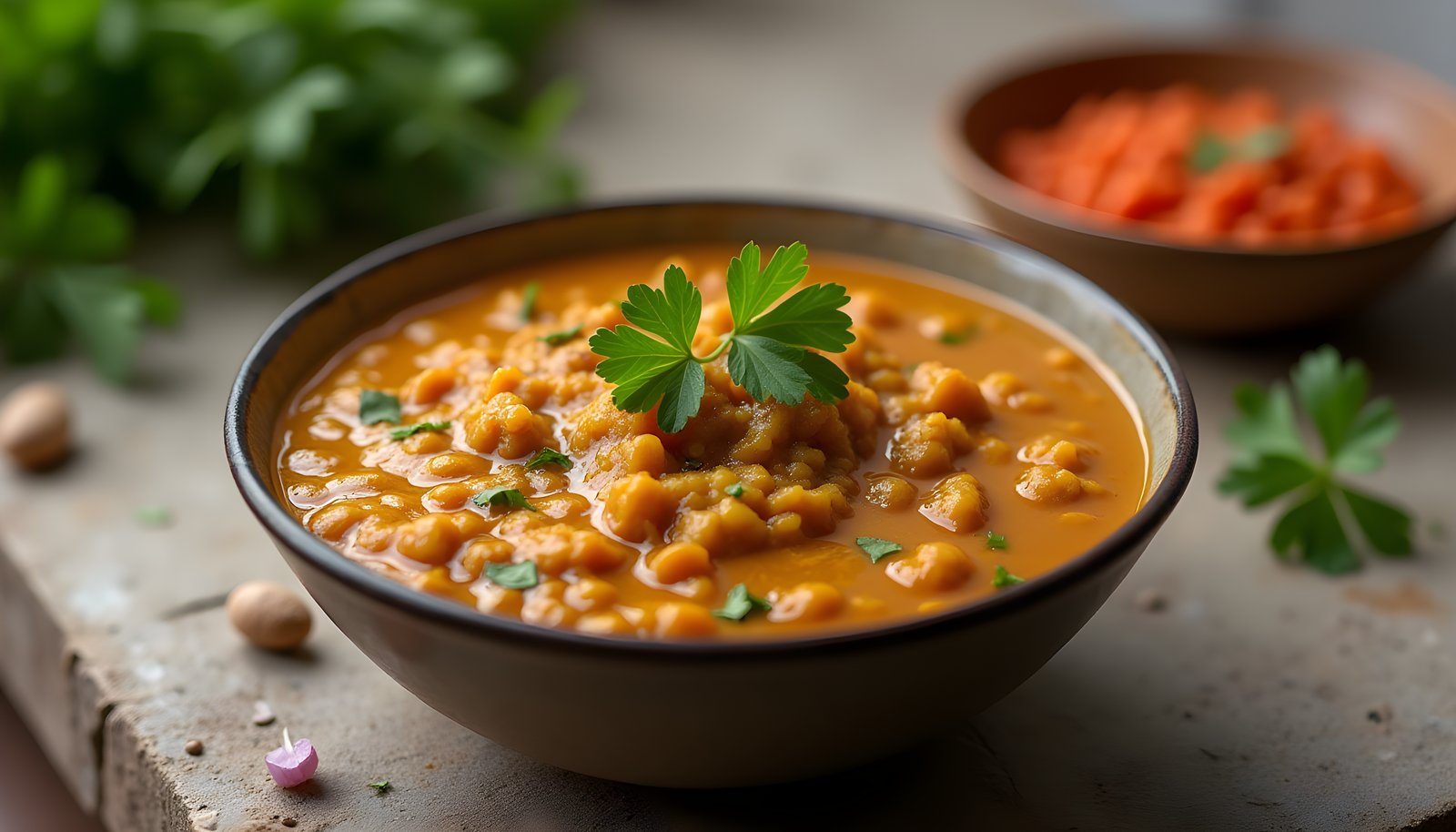
Lentils fiber content is about 15.6 grams per cooked cup, alongside roughly 18 grams of protein, so you get nearly a gram of fiber for every gram of protein. Few foods match that pairing for so few calories.
Beans fiber content runs about 11 to 19 grams per cooked cup, with roughly 15 grams of plant protein in every type. Half a cup a day covers up to a third of your fiber and beats the weekly bean target in the U.S. Dietary Guidelines.
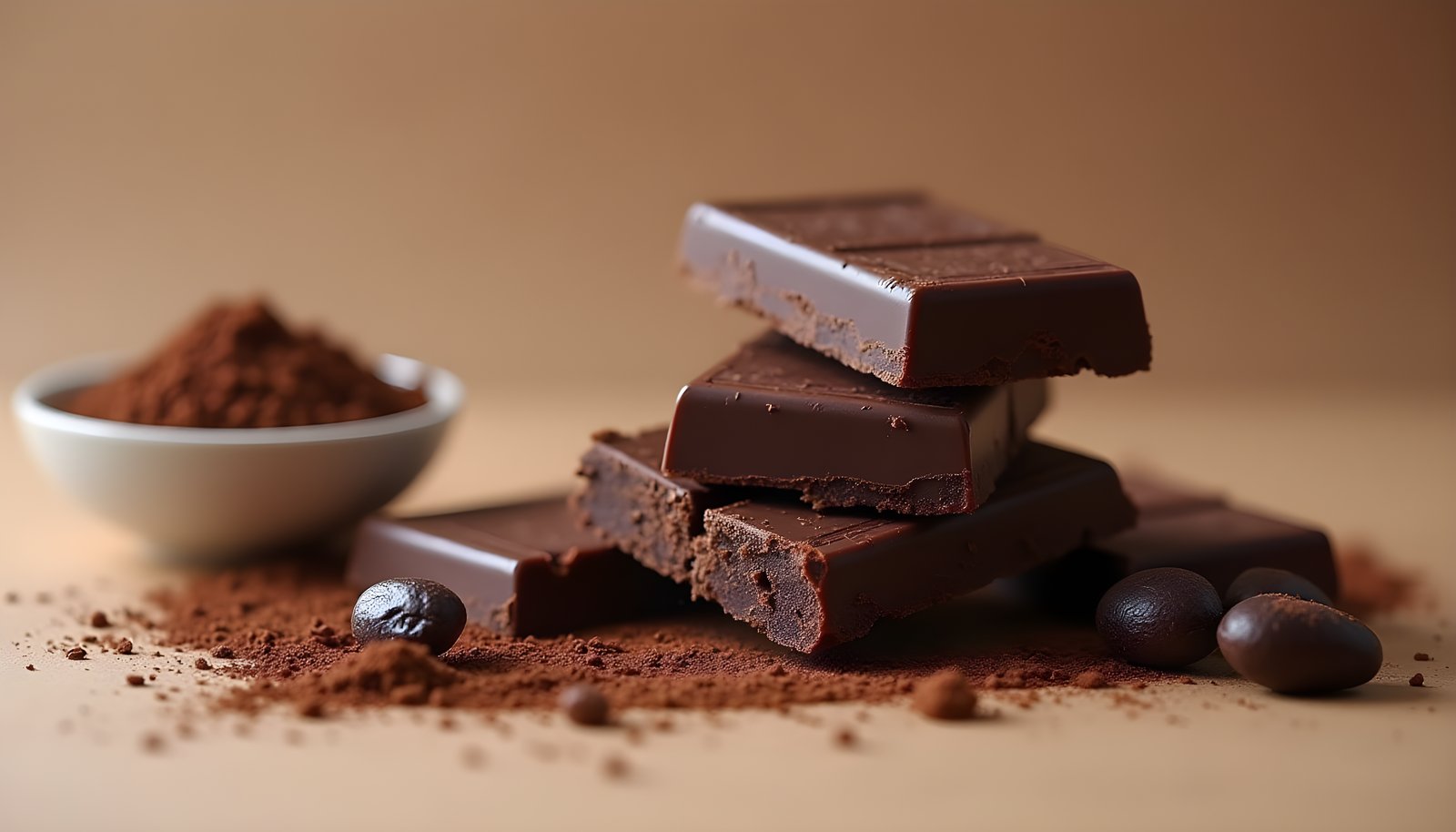
Dark chocolate fiber climbs with the cacao percentage: an ounce of 70 to 85% dark chocolate has about 3.1 grams, triple what milk chocolate gives you. White chocolate has almost none, so the number on the wrapper is the best fiber clue you have.
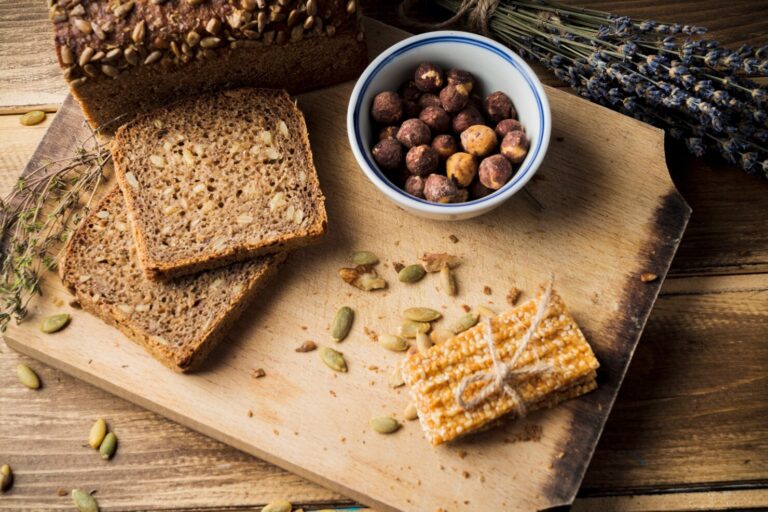
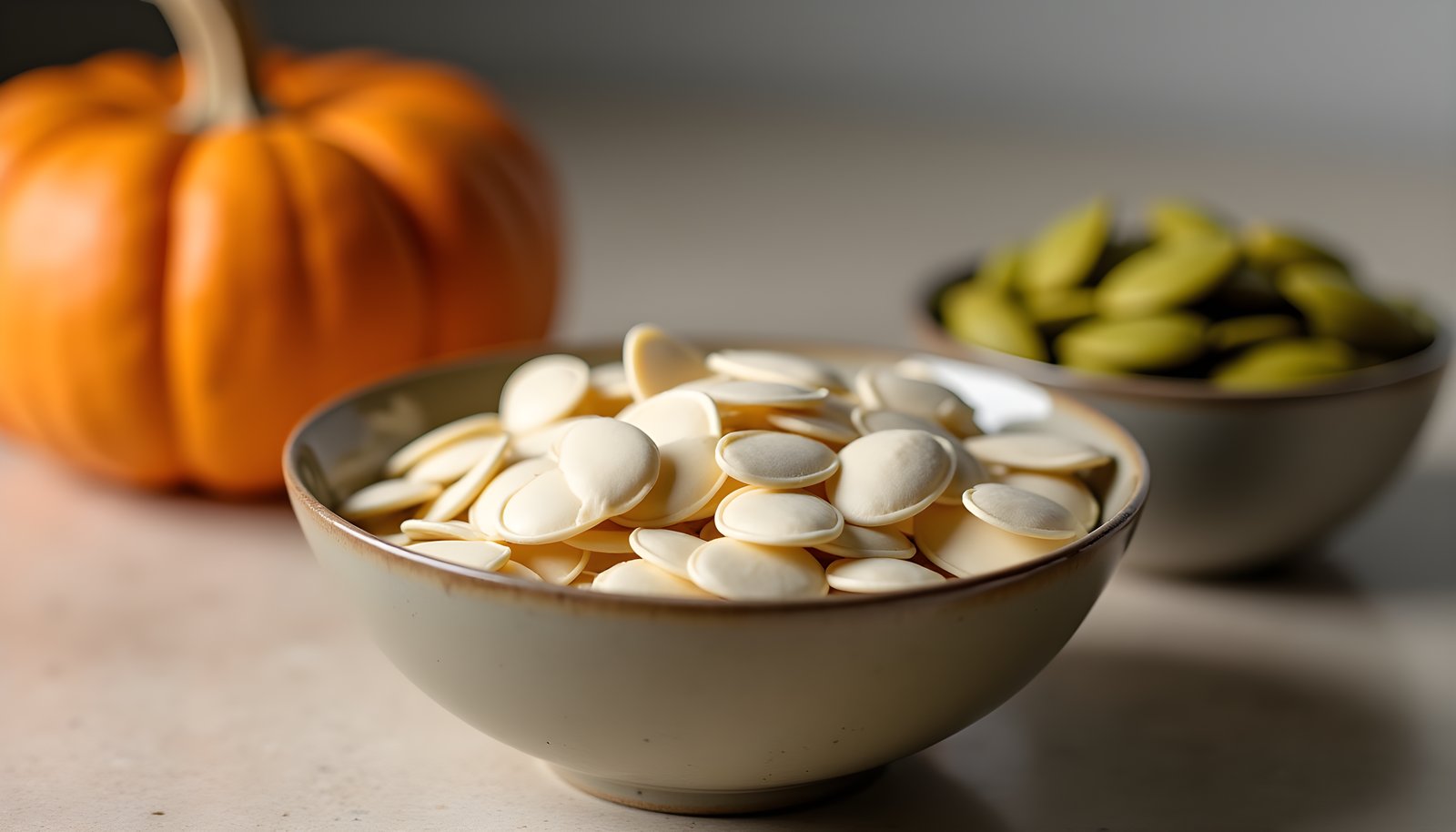
Pumpkin seeds fiber depends on the shell: an ounce of shelled pepitas has about 1.7 grams, while an ounce of whole roasted seeds has about 5.2 grams. Either way, pumpkin seeds are one of the richest food sources of magnesium and a solid source of zinc.