EAT YOUR WAY TO MORE FIBER

The Best High-Fiber Foods, Group by Group.

Fruits, vegetables, grains, legumes, nuts and more – discover which everyday foods pack the most fiber, how much they deliver, and simple ways to eat more of them every day.

“Getting enough fiber doesn’t require a supplement – – it starts with real food on your plate, and small swaps add up fast.”
Calculator icon

How Much Fiber Do You Actually Need?

Most people have no idea. Enter your age, gender, and activity level — get your personalized daily target in seconds.

Where the Most Fiber Lives

Start with the foods that pack the biggest fiber punch.

Highest Fiber Foods

The everyday foods that deliver the most fiber per serving, ranked and ready to add to your plate.

Superfoods with Fiber

Nutrient-dense whole foods that bring fiber plus vitamins, minerals, and antioxidants.

Top Fiber-Enriched Foods

Packaged foods with added fiber which ones are genuinely worth it, and what to check on the label.
101 Title

Sub Title

New to fiber? Start here.

Learn the types of fiber, what each one does, and which foods are richest in them.

ADVERTISEMENT
728 × 90
Food First, Always

The Best Fiber Comes From Your Plate

A here’s no supplement that beats a plate of real food. Whole foods deliver fiber alongside vitamins, minerals, antioxidants, and water — a package no powder can match. The good news is that hitting your daily target is easier than it sounds once you know where fiber actually hides.

Beans and legumes are fiber powerhouses; a single cup can cover more than half your day. Whole grains, fruit eaten with the skin, vegetables, nuts, and seeds all stack up quickly. Variety matters too — different foods carry different types of fiber, so a mixed plate feeds a wider range of gut bacteria than any single food or supplement could.
“You don’t need exotic superfoods to hit your fiber goal — beans, oats, berries, and a handful of nuts will get most people there.”

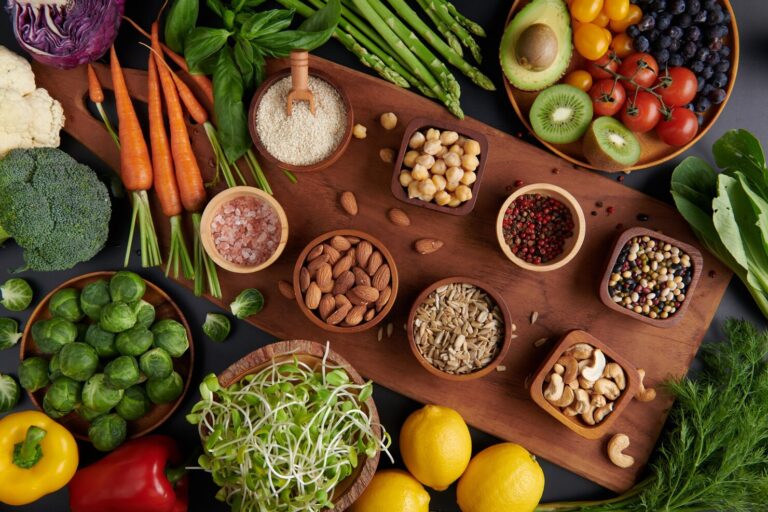
That’s why we organize everything by food group. Browse fruits, vegetables, grains, legumes, nuts and seeds, dairy and alternatives, or proteins to see exactly how much fiber each delivers — with the standout picks in every category called out for you.

Not sure where to start? Begin with the highest-fiber foods, then explore the food group you eat most — small, consistent swaps are what move your daily total.

Browse Fiber by Food Group

The foods that pack the most fiber per serving, ranked and compared, with easy high-impact swaps.

Chia, flax, berries, avocado and more — nutrient-dense foods that deliver fiber and much more.

Cereals, breads, bars and snacks with added fiber — how they compare to whole foods, and the best picks.

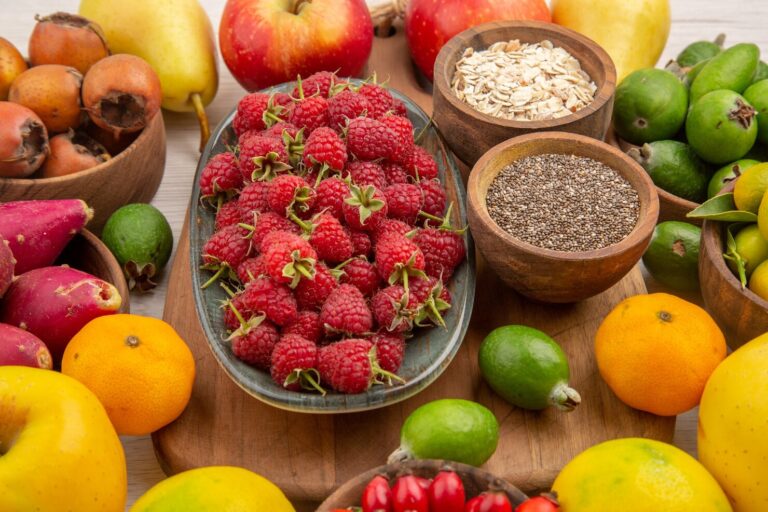
Berries, pears, apples with the skin, and more — the fruits that deliver the most fiber, plus how to work them into your day.

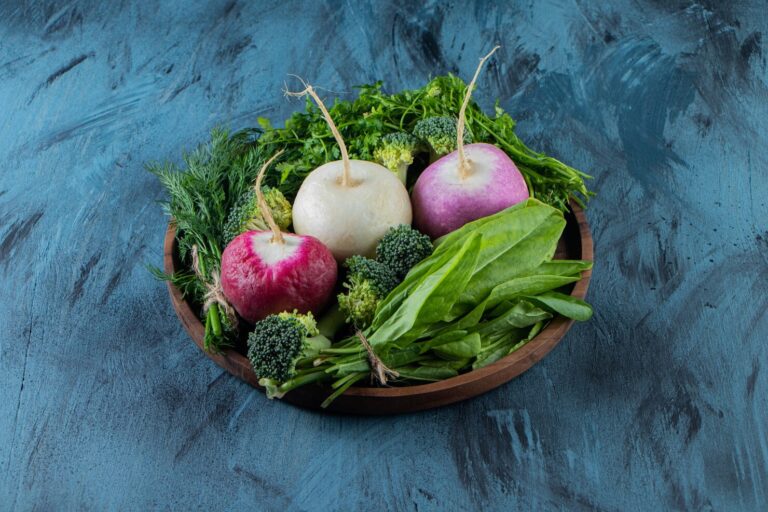
From artichokes to Brussels sprouts, the vegetables that pack the biggest fiber punch per serving.

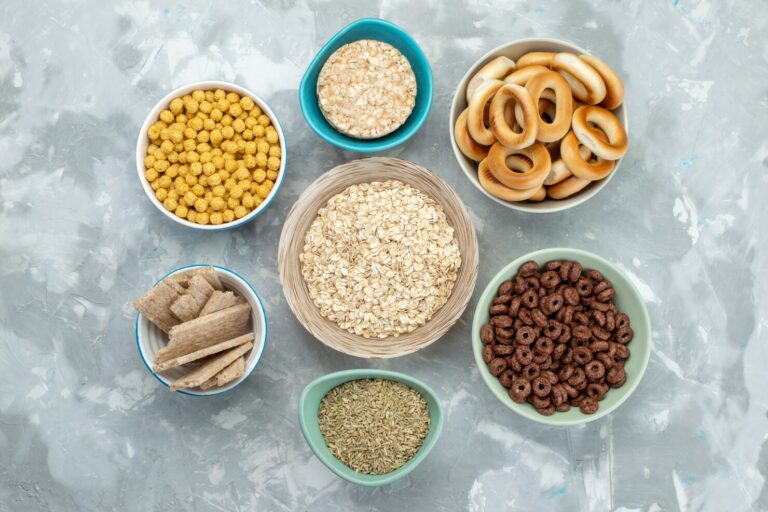
Oats, whole wheat, barley, and quinoa — how to choose carbs that add fiber instead of stripping it away.

The undisputed champions. Lentils, chickpeas, and black beans can cover half your daily fiber in a single cup.

Chia, flax, almonds, and more — small servings with big fiber returns, plus healthy fats and protein.

Dairy has none — so which plant milks, yogurts, and alternatives actually bring fiber to the table?

Animal proteins have zero fiber. Here’s how to build high-fiber meals around them with the right plant-based sides.

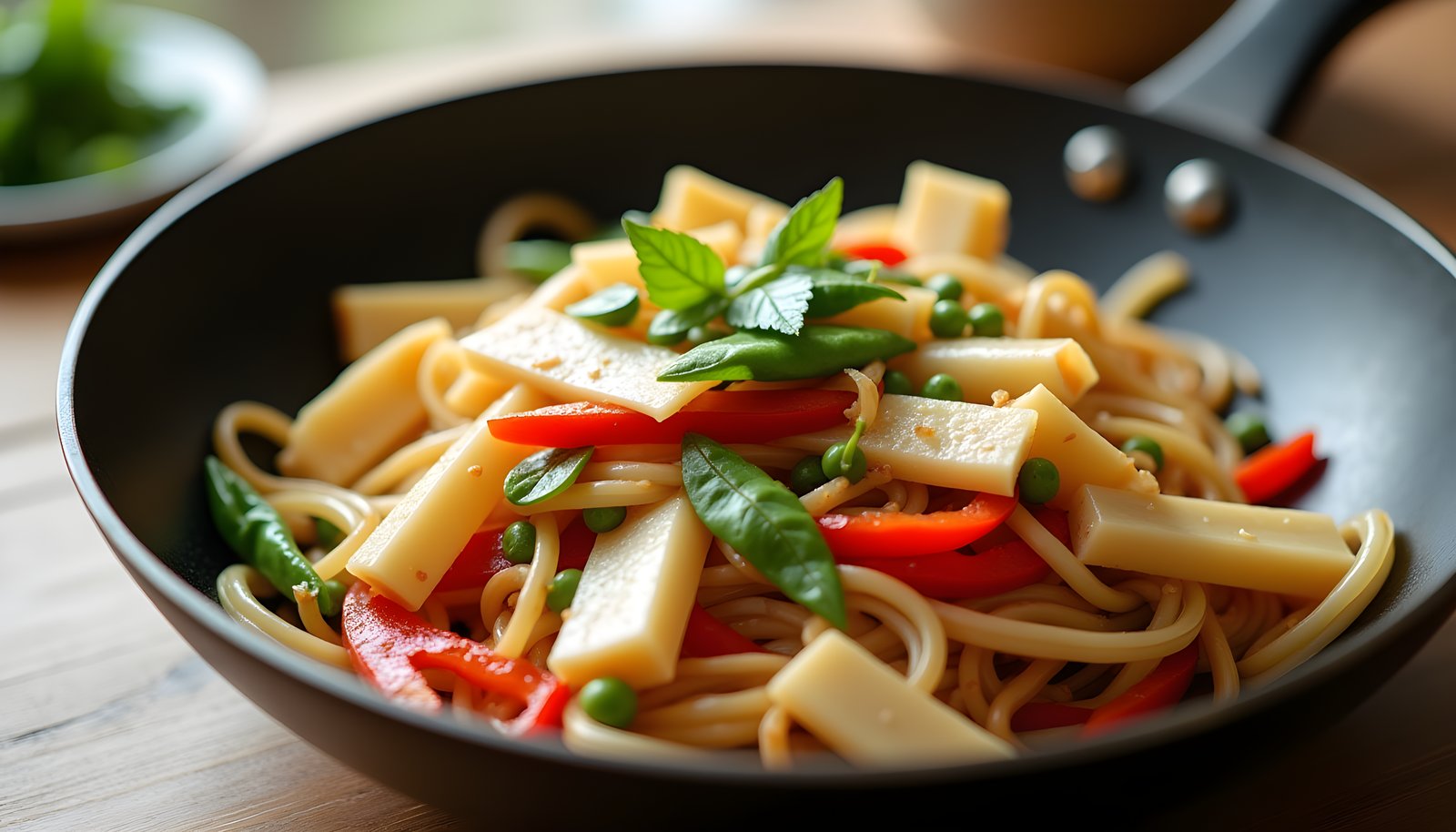
Bamboo shoot fiber shown in a wok stir fry of flat bamboo shoot slices, red pepper strips, green peas and noodles
Yes. Raw bamboo shoot has about 2.2 grams of fiber per 100 grams, and a cup of canned, drained shoots has about 1.8 grams for 25 calories. Bamboo shoot fiber is modest per cup, but the shoots add crunch, potassium and copper for very few calories.
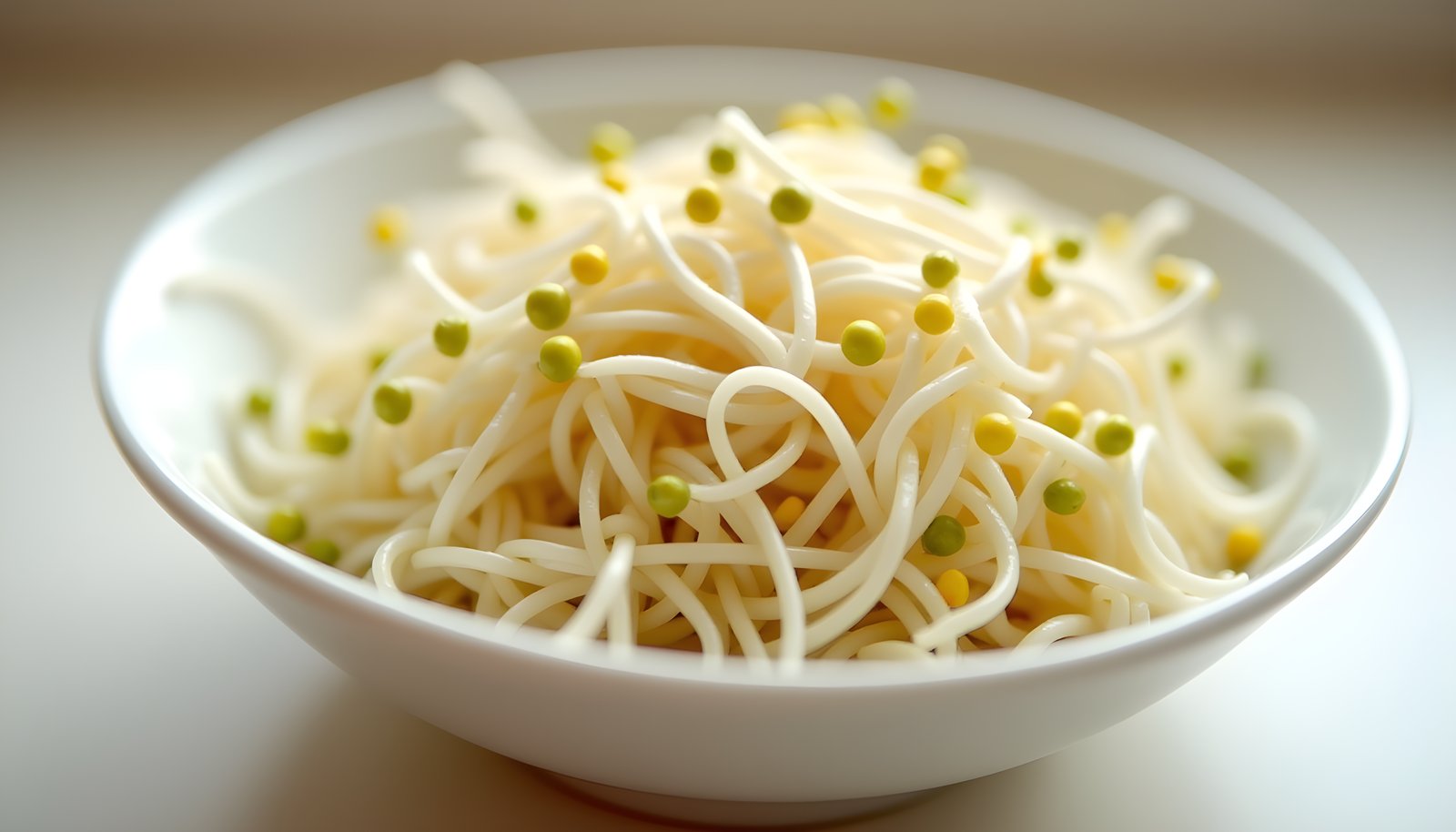
Bean sprout fiber shown with a white bowl heaped with crisp raw mung bean sprouts with small yellow-green bean heads
Yes, but not much. A cup of raw mung bean sprouts has about 1.9 grams of fiber for 31 calories, around 7% of the Daily Value. Bean sprouts fiber changes with the type of sprout and how you cook it, and stir fried sprouts keep the most per cup.
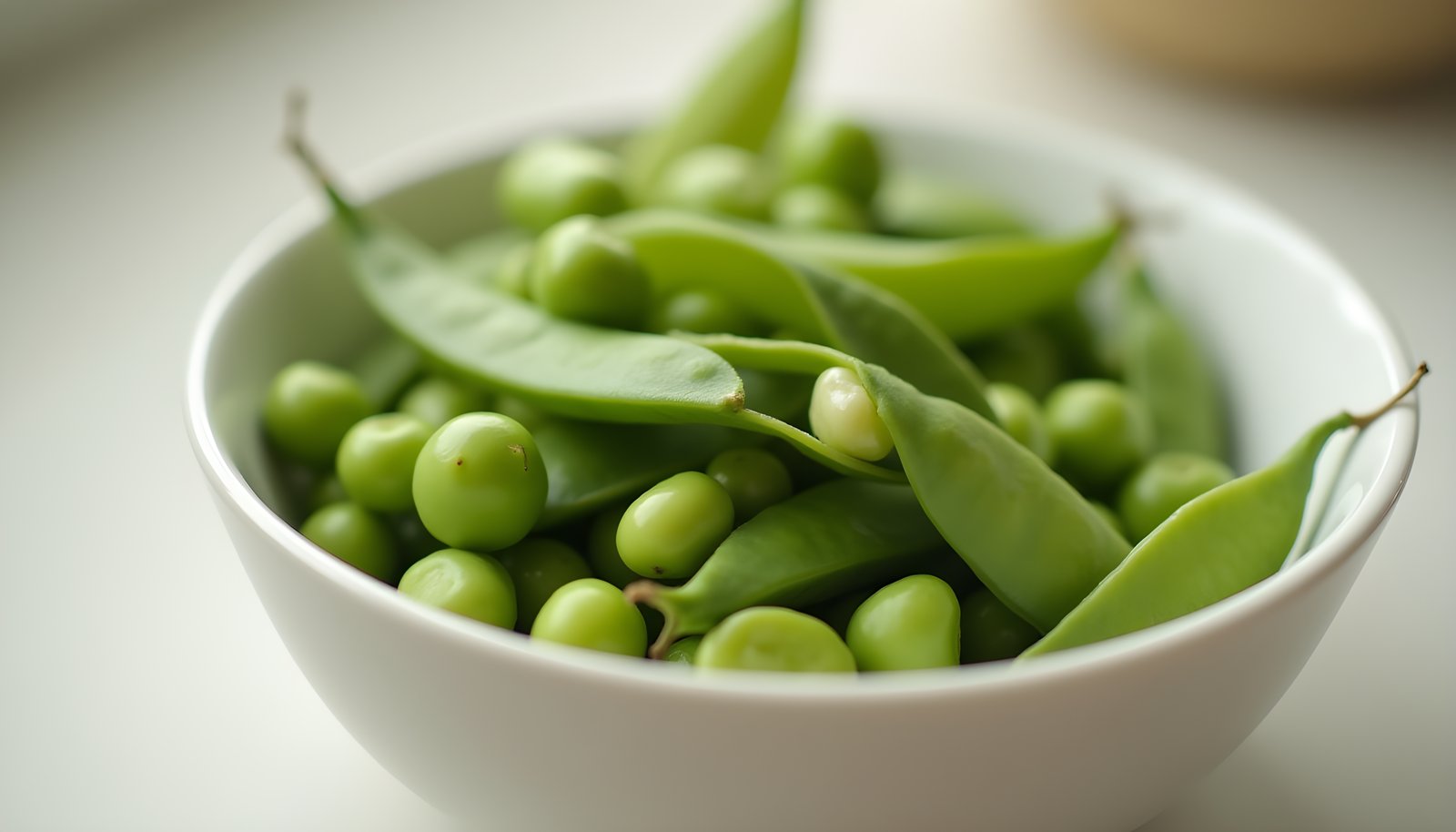
Snap pea fiber shown with a white bowl of plump green sugar snap pea pods, some split open to show the round peas inside
Snap peas are a solid fiber source: a cup of raw pods has about 2.5 grams of fiber for 41 calories, and a cup of cooked snap peas has about 4.5 grams. Snap peas fiber comes from the whole pod, so the crunchy shell counts as much as the peas inside.
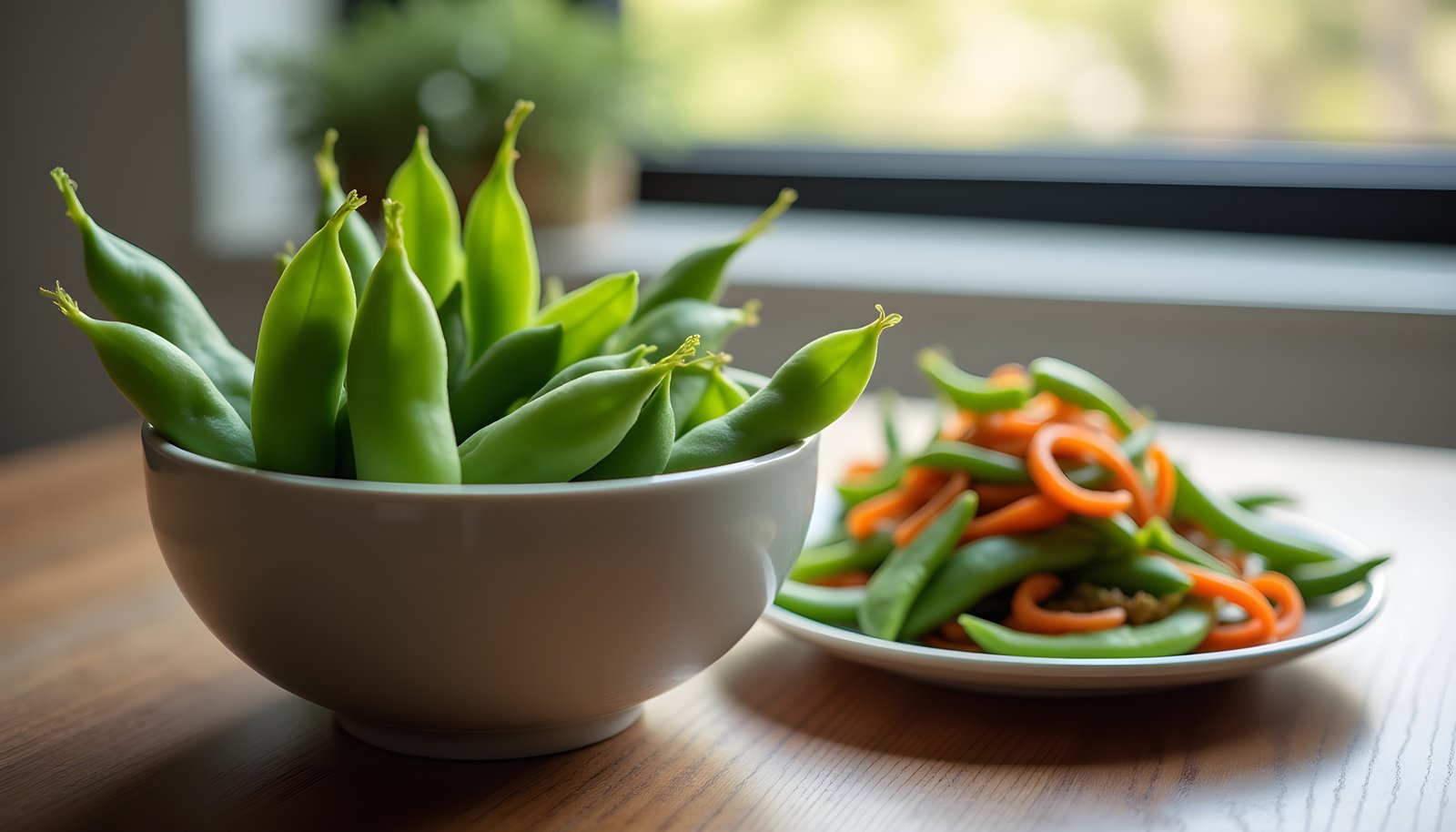
Snow pea fiber shown with a bowl of fresh green snow pea pods beside a small plate of stir fried snow peas and carrots
Yes. A cup of cooked snow peas has about 4.5 grams of fiber, roughly 16% of the Daily Value, for just 67 calories, plus 85% of the Daily Value for vitamin C. Snow peas fiber comes from eating the whole pod, which is why they beat many stir fry vegetables.
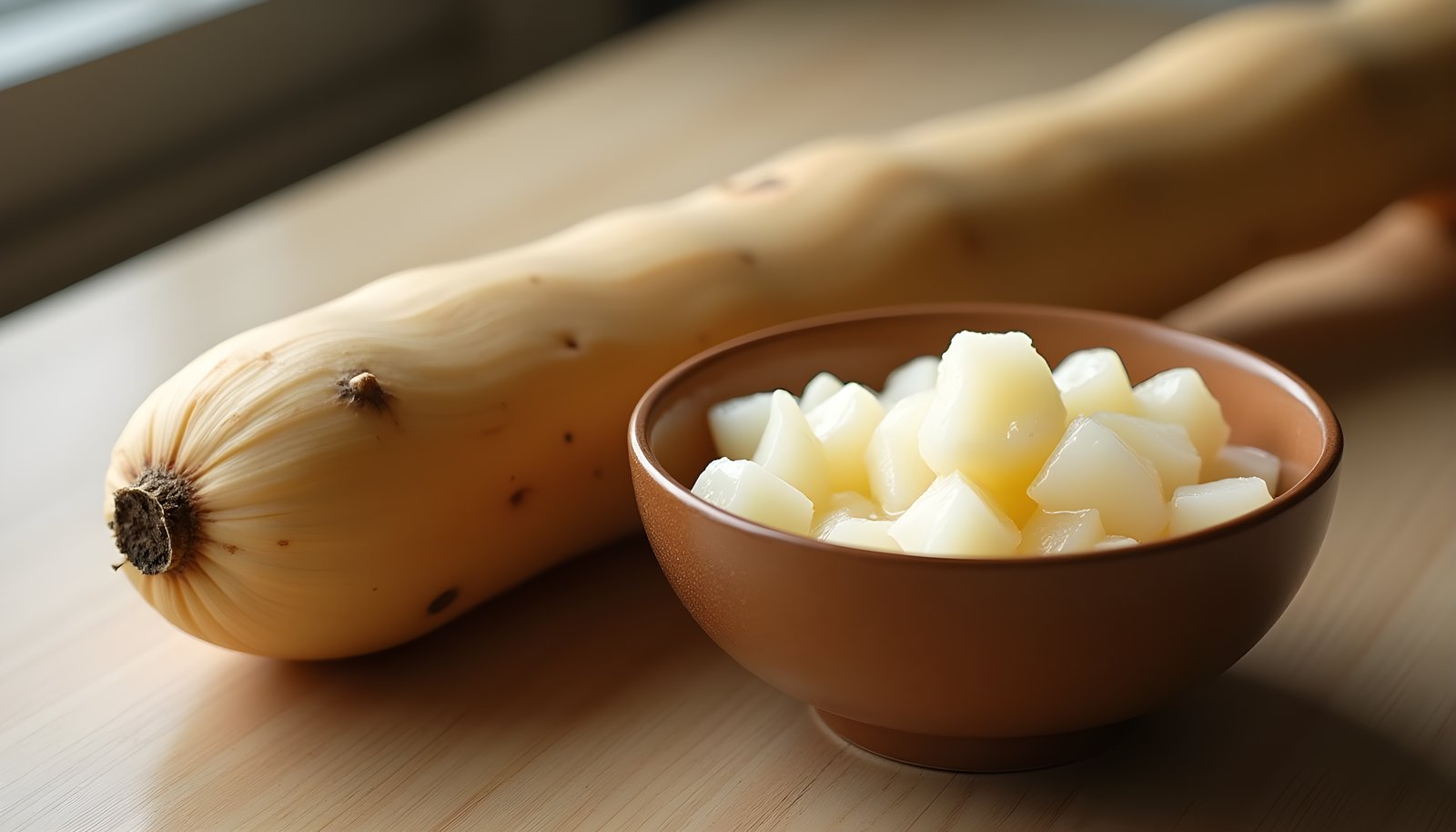
Yuca fiber shown with a long whole brown yuca root on a wooden table beside a bowl of boiled white yuca chunks
Yes, yuca has some fiber: a cup of cooked yuca, also called cassava, has about 3.0 grams, roughly 11% of the Daily Value, for 267 calories. Yuca fiber is modest for a starchy root, so it works best paired with beans or vegetables.
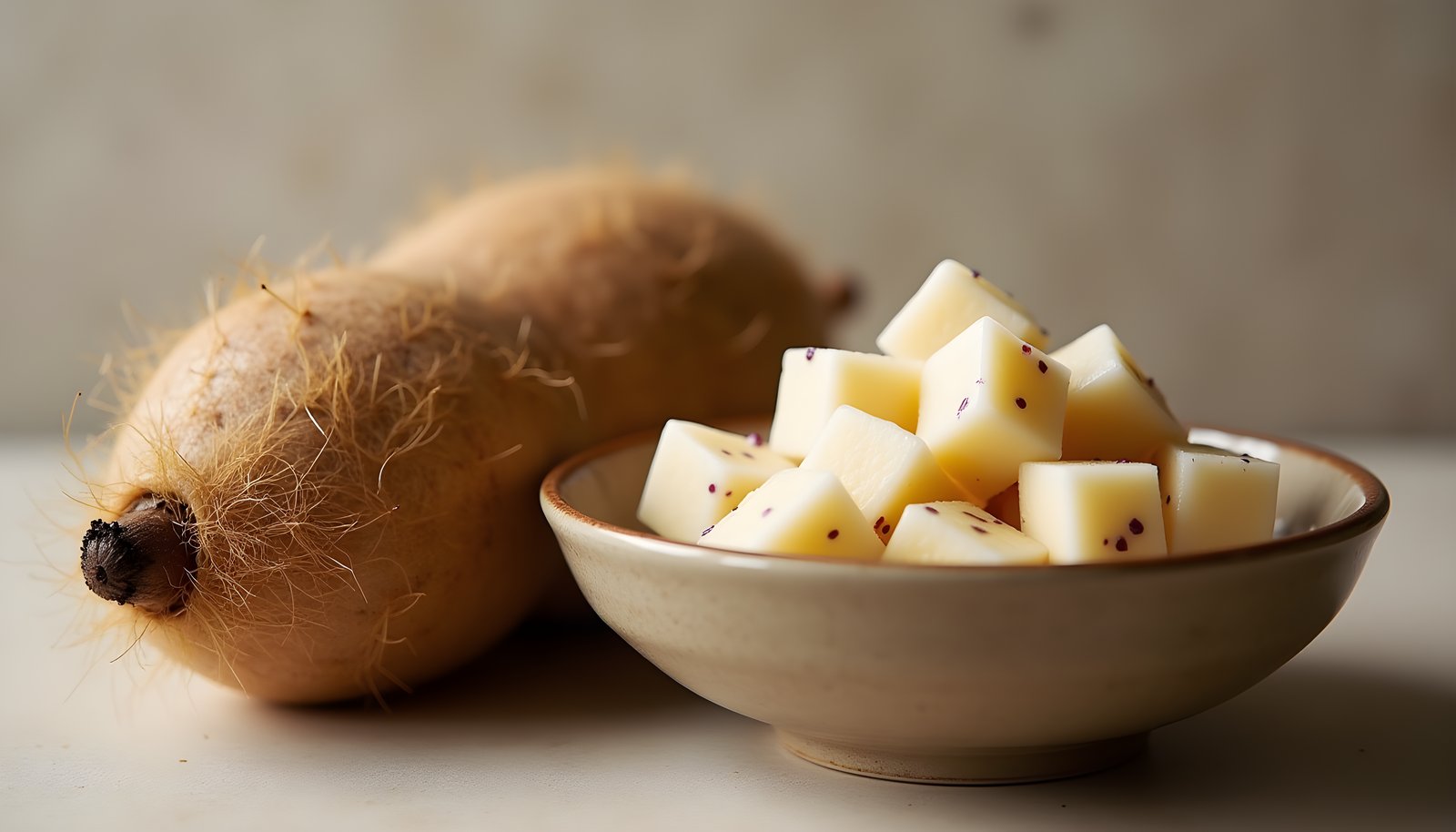
Taro root fiber shown with a whole hairy brown taro root beside a bowl of cooked white taro cubes flecked with purple
A cup of cooked taro root slices has about 6.7 grams of fiber, roughly 24% of the Daily Value, for 187 calories. That puts taro root fiber slightly ahead of sweet potato cup for cup, though poi made from taro keeps very little of it.
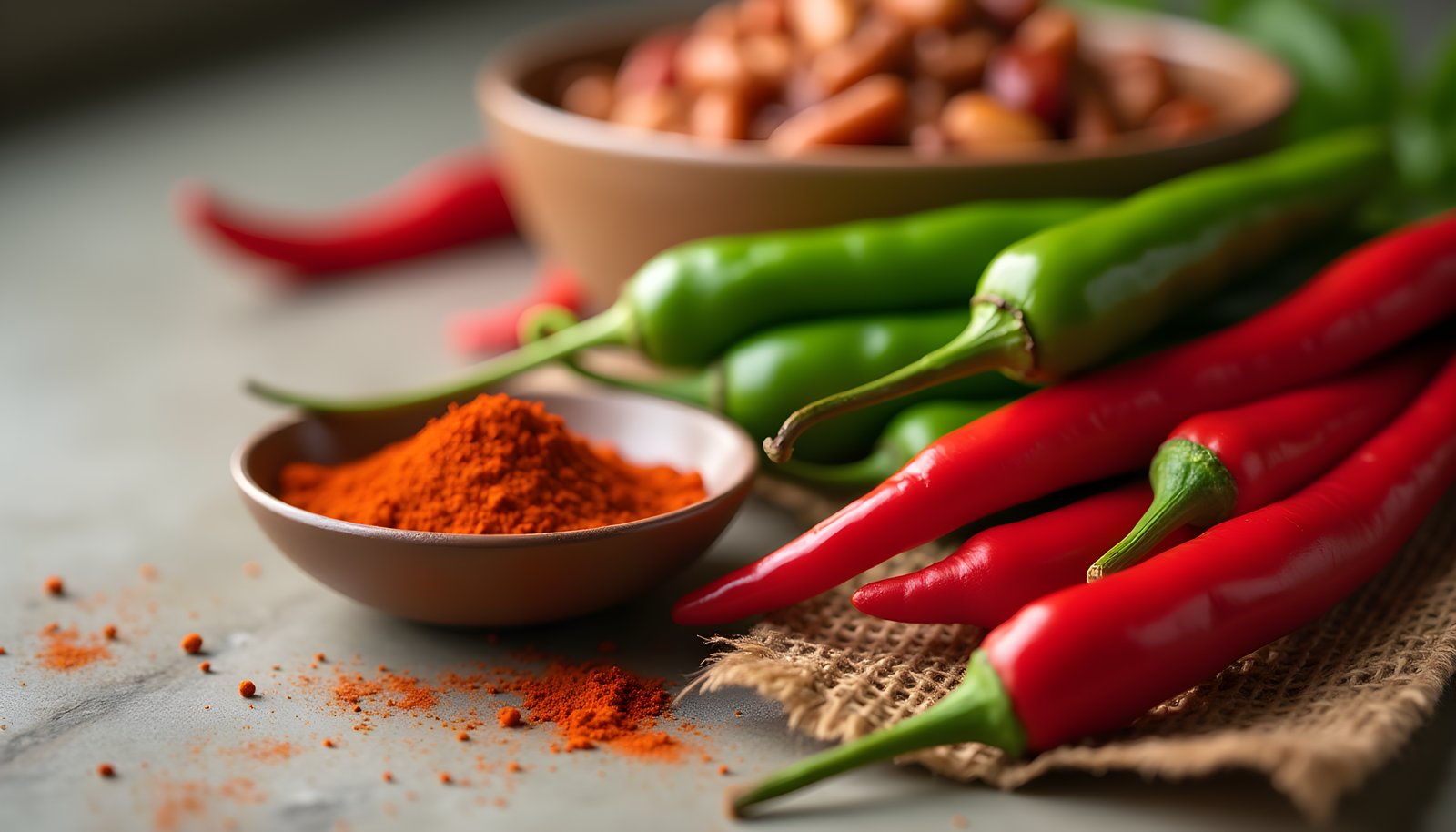
Chili pepper fiber shown with fresh red and green chili peppers on burlap beside a small dish of bright red chili powder
Chili peppers have a little fiber: one raw hot chili has about 0.7 grams, and USDA lists 1.5 grams per 100 grams. Chili pepper fiber only adds up in dried, ground form, where a tablespoon of chili powder carries about 2.8 grams.
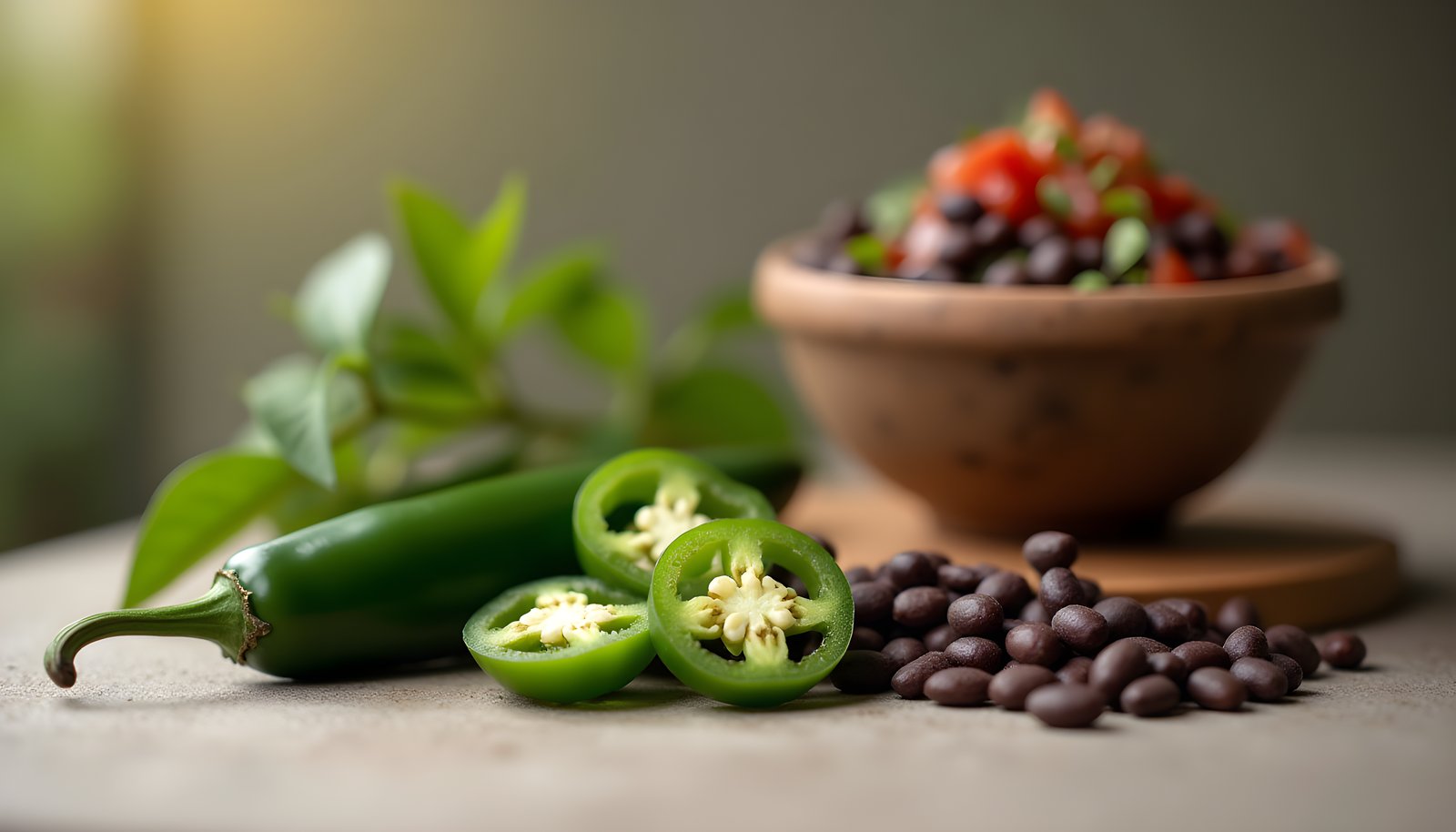
Jalapeno fiber shown with a whole green jalapeno and sliced jalapeno rings beside black beans and a bowl of bean salsa
Yes, jalapenos have fiber: about 2.8 grams per 100 grams, or 2.5 grams in a cup of slices. A single pepper weighs only about 14 grams, though, so jalapeno fiber adds up to roughly 0.4 grams per pepper, while the vitamin C is far more impressive.
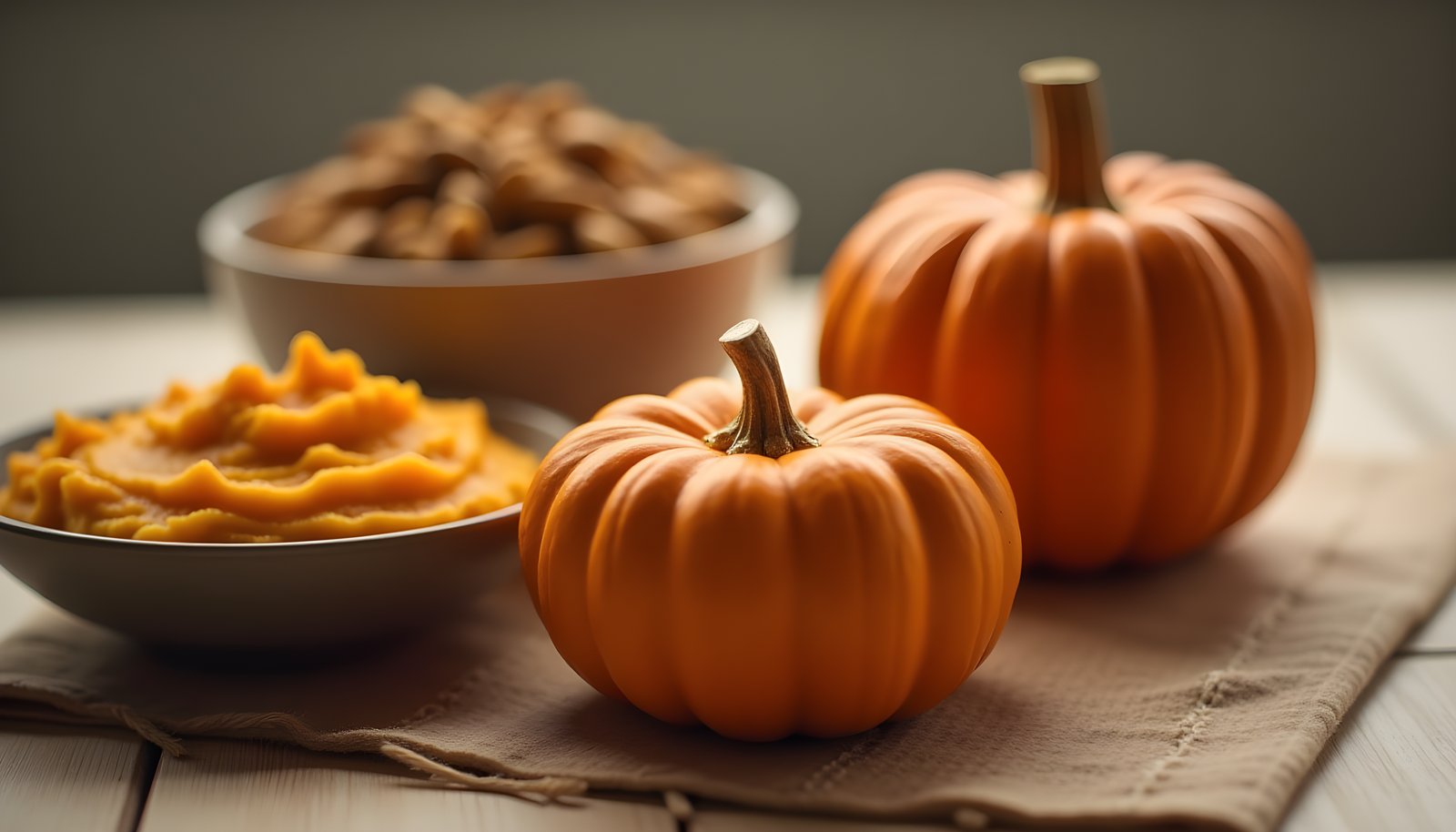
Pumpkin fiber shown with two small orange pumpkins beside a bowl of smooth pumpkin puree and a bowl of roasted seeds
Canned pumpkin is high in fiber, with about 7.1 grams per cup for 83 calories, roughly a quarter of the Daily Value. Fresh raw pumpkin is a different story, with only about 0.6 grams in a cup of cubes, so pumpkin fiber depends heavily on which form you buy.
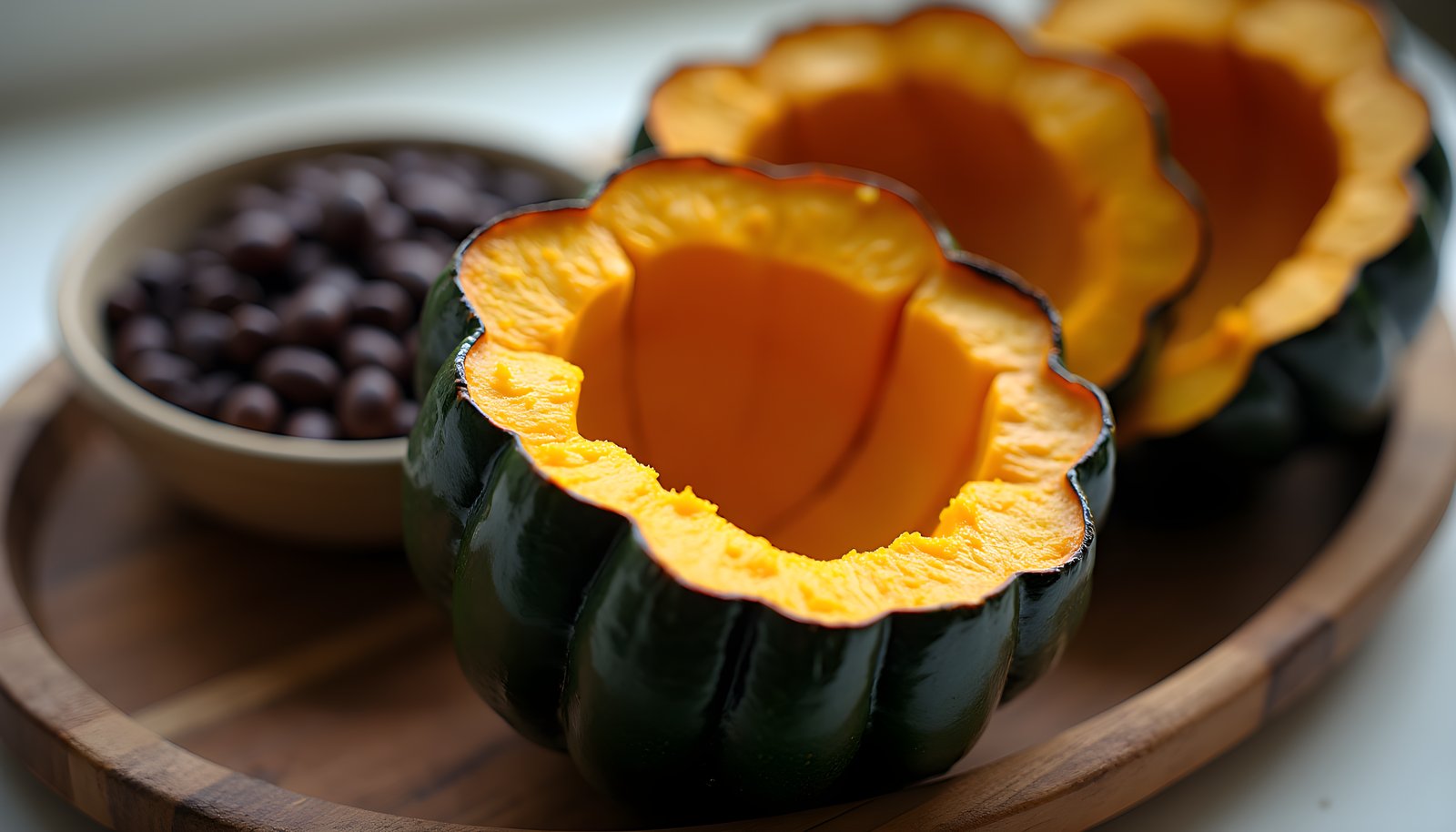
Acorn squash fiber shown with dark green acorn squash halves roasted to golden orange beside a small bowl of black beans
A cup of baked acorn squash cubes has about 9 grams of fiber, roughly a third of the Daily Value, for about 115 calories. Acorn squash fiber beats butternut and spaghetti squash cup for cup, and it comes with plenty of potassium and magnesium.

ADVERTISEMENT
728 × 90

Guides & Recipe Books

Go deeper with our evidence-based ebooks and high-fiber recipe collections.
VOLUME ONE

High-Fiber Recipes

60 Recipes · 8g+ Per Serving
Recipe Book

60 High-Fiber Recipes Vol. 1

THE LIST

Top 100 Fiber Foods

Ranked · Grams Per Serving
Ebook

The Top 100 High-Fiber Foods

MEAL PREP

7-Day Fiber Plan

Whole Foods · 30g+ Daily
Ebook

The 7-Day High-Fiber Meal Plan

ADVERTISEMENT
728 × 90

Get the Weekly Fiber Digest

New research, food swaps, and exclusive discounts — every Thursday.
No spam, ever. Unsubscribe anytime.