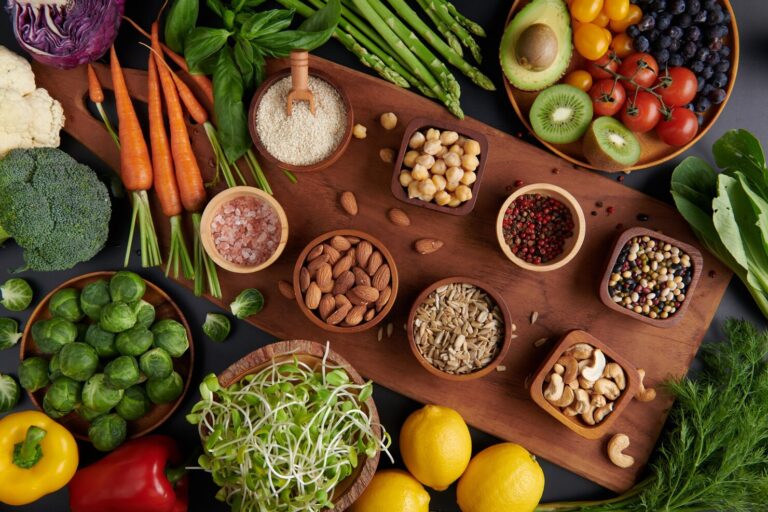
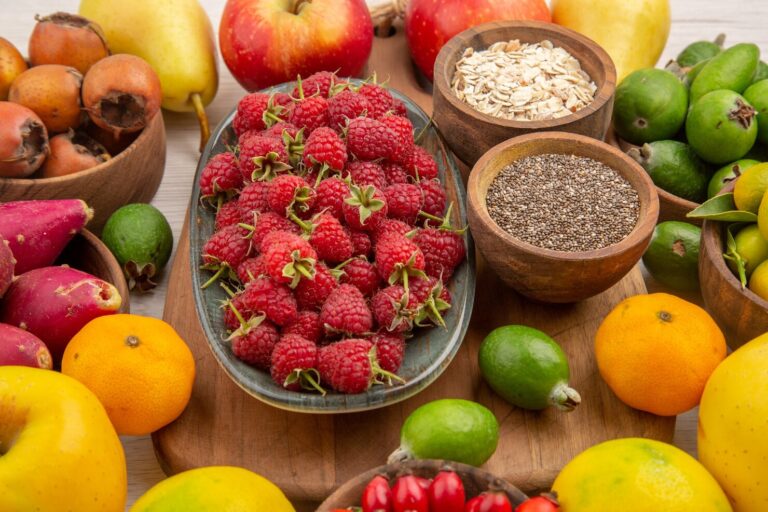
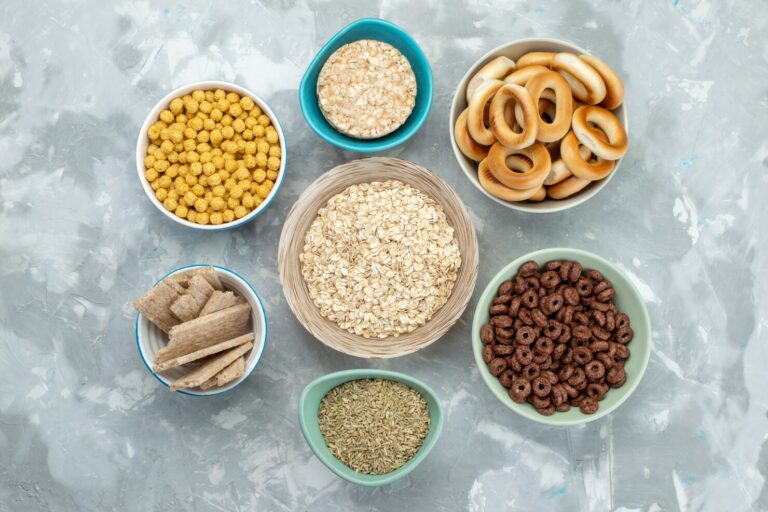
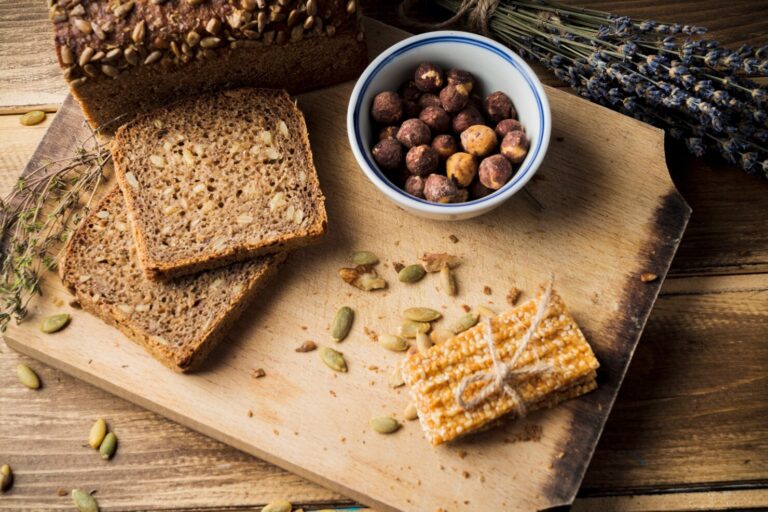
Fruits, vegetables, grains, legumes, nuts and more – discover which everyday foods pack the most fiber, how much they deliver, and simple ways to eat more of them every day.
A here’s no supplement that beats a plate of real food. Whole foods deliver fiber alongside vitamins, minerals, antioxidants, and water — a package no powder can match. The good news is that hitting your daily target is easier than it sounds once you know where fiber actually hides.
Beans and legumes are fiber powerhouses; a single cup can cover more than half your day. Whole
grains, fruit eaten with the skin, vegetables, nuts, and seeds all stack up quickly. Variety matters too
— different foods carry different types of fiber, so a mixed plate feeds a wider range of gut bacteria
than any single food or supplement could.
“You don’t need exotic superfoods to hit your fiber goal — beans, oats,
berries, and a handful of nuts will get most people there.”
That’s why we organize everything by food group. Browse fruits, vegetables, grains, legumes, nuts and seeds, dairy and alternatives, or proteins to see exactly how much fiber each delivers — with the standout picks in every category called out for you.
Not sure where to start? Begin with the highest-fiber foods, then explore the food group you eat most — small, consistent swaps are what move your daily total.
No. Regular and reduced fat sour cream both have 0 grams of fiber, since they’re made from cultured cream. The only sour cream fiber you’ll find comes from dairy free versions built on beans and oats, at about 1 gram per 2 tablespoons, so the fiber in a loaded potato or taco comes from what’s under the dollop.
Cream cheese has 0 grams of fiber in a 2 tablespoon serving, whether it’s regular, whipped or a plain cashew version. Cream cheese fiber stays at zero even when the tub lists plant gums, so the fiber in a bagel breakfast depends almost entirely on the bagel and what you pile on top.
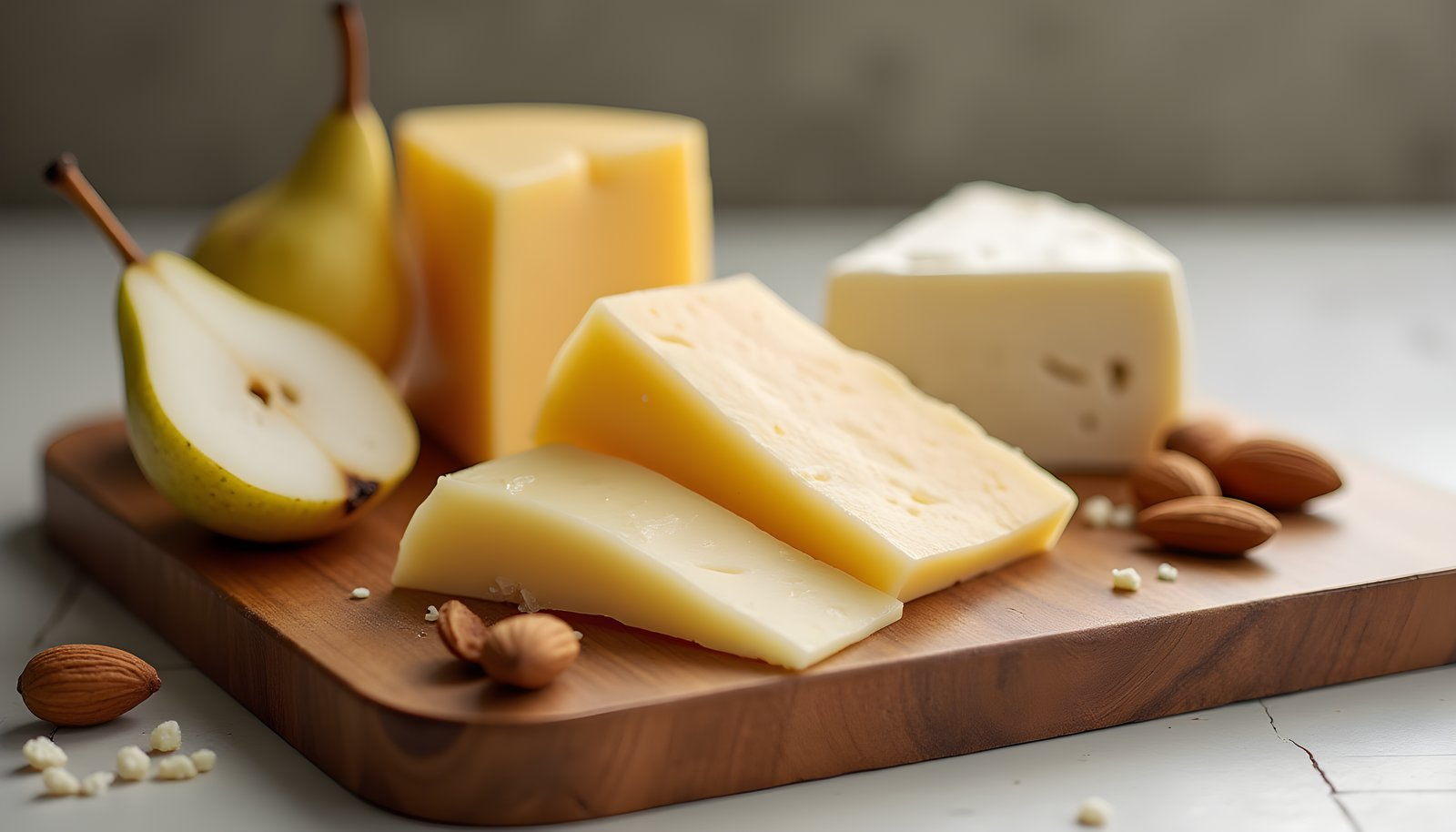
No. Cheddar, mozzarella, feta and Parmesan all have 0 grams of fiber, because cheese is made from milk and fiber only comes from plants. The cheese fiber content stays at zero whatever the age or style, so the fiber on a cheese plate comes from the crackers, fruit and vegetables you serve with it.
Barely. Half a cup of vanilla ice cream has about 0.5 grams of fiber and chocolate about 0.8 grams, both rounded down to 0 or under 1 gram on many labels. Ice cream fiber only climbs to around 3 grams in light pints with added fiber or fruit sorbets, so the toppings matter more than the scoop.
Plain kefir has 0 grams of fiber per cup, and so does water kefir. The kefir fiber content only rises when a maker adds something like oat fiber, as in Lifeway’s Blueberry Maple with Oats at 3 grams per bottle, so kefir is a probiotic drink rather than a fiber source.
No. Plain cottage cheese has 0 grams of fiber at every fat level, and even USDA’s cottage cheese with vegetables lists zero. Cottage cheese fiber appears only in fruit versions with added pectin, at about 1 gram, so the real fiber has to come from what you serve with it.
Regular dairy yogurt has 0 grams of fiber, while plant based yogurt fiber runs from 0 to about 3 grams per serving. The higher numbers usually come from added citrus fiber or pectin rather than the almonds, soy or oats themselves.
Plain Greek yogurt has 0 grams of fiber, whether it’s nonfat or whole milk. Greek yogurt fiber only shows up when a brand adds it, like Oikos Triple Zero with chicory root fiber at 10 grams per cup, or when you stir in fruit, seeds or grains.
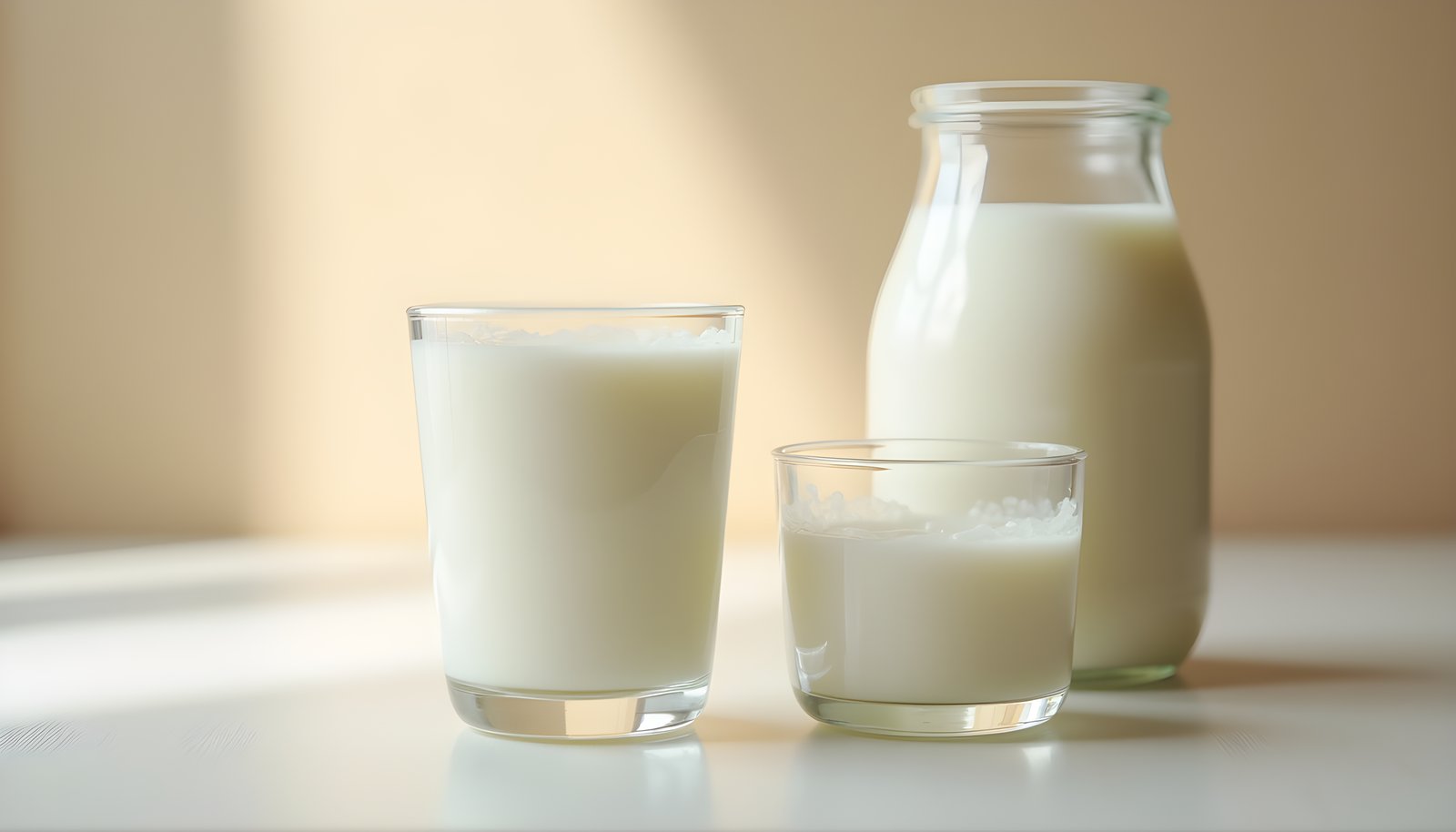
In a milk fiber comparison, whole and skim milk tie at 0 grams per cup, because neither contains any plant material. What separates them is fat and calories: whole milk has about 149 calories and 7.9 grams of fat per cup, while skim has about 83 calories and almost no fat.
No. Plain cow’s milk has 0 grams of fiber in every version, from whole to skim, because fiber only comes from plants. The milk fiber content changes only when a plant ingredient joins in, like the cocoa in chocolate milk or the soybeans in soymilk.