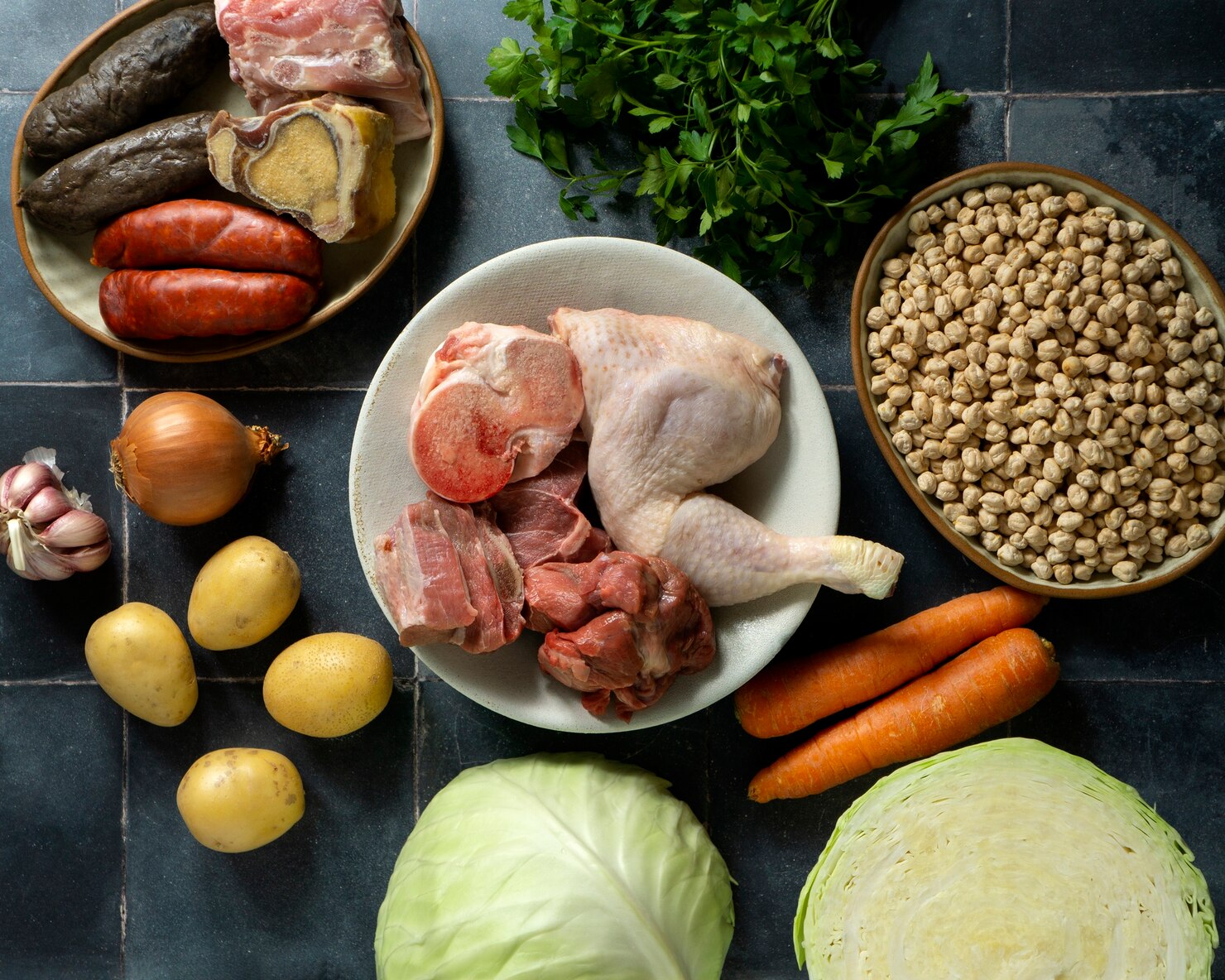
Another hard truth: chicken, fish, beef, pork, and eggs contain zero fiber. Not a single gram.
But that doesn’t mean you can’t eat them on a high-fiber diet. You just need to build your plate strategically.
The Fiber-Void Proteins
- Chicken breast: 0g
- Salmon: 0g
- Beef steak: 0g
- Pork chops: 0g
- Eggs: 0g
- Tuna: 0g
How to Fiber-Proof Your Protein Meals
The trick is pairing animal protein with high-fiber sides and ingredients. Here’s how:
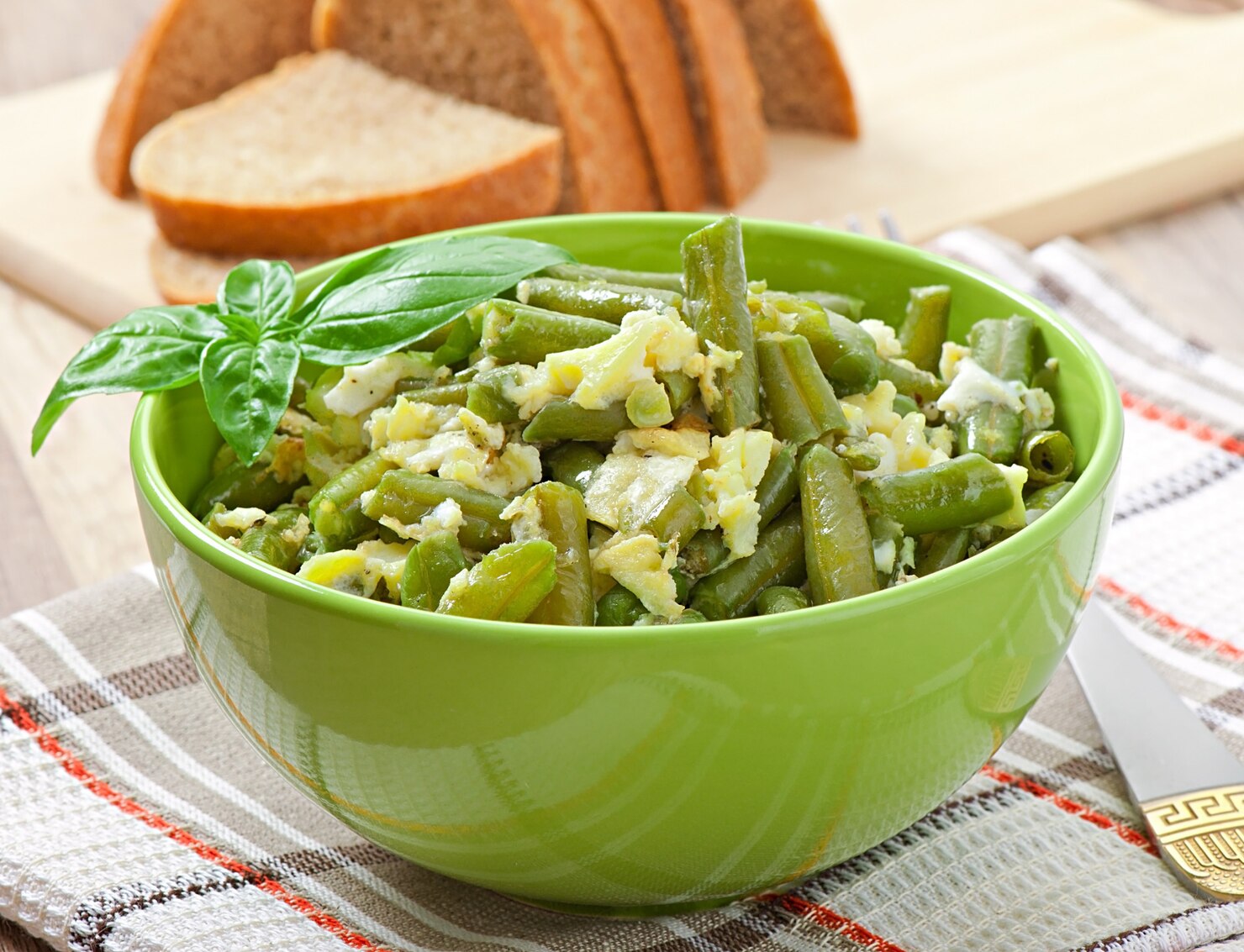
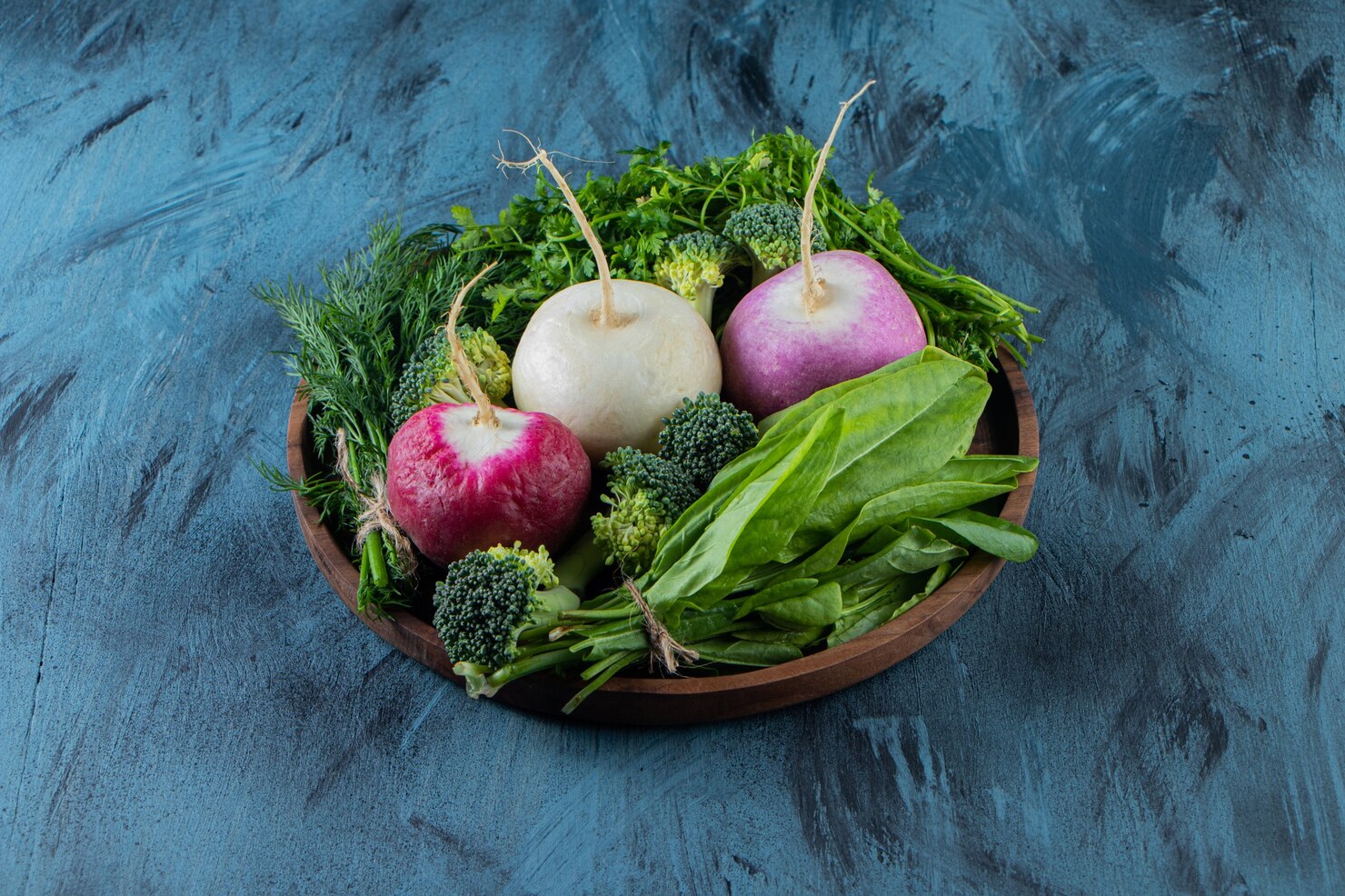
- Start with vegetables: Fill half your plate with roasted, steamed, or raw vegetables.
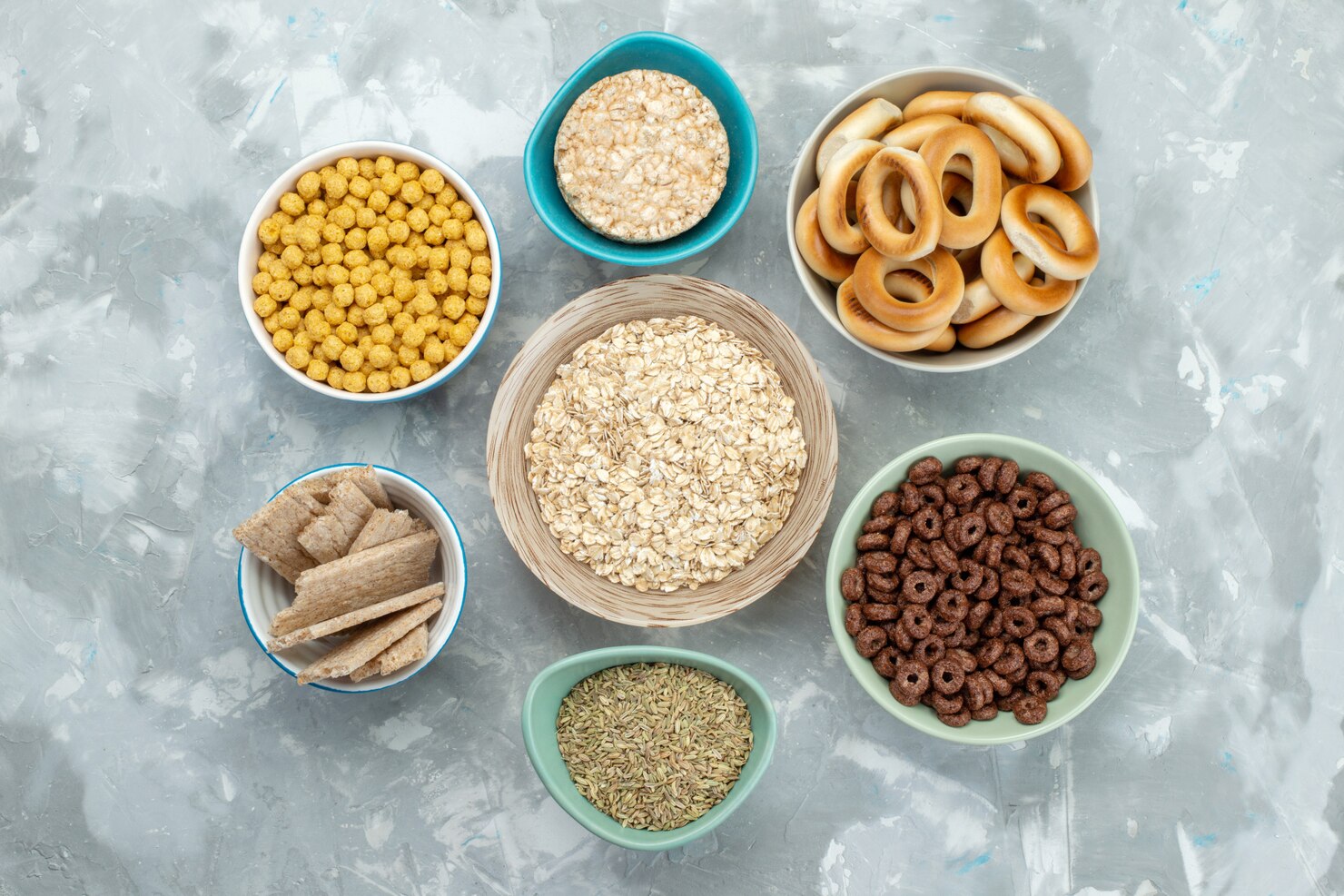
- Choose whole grains: Swap white rice for quinoa, barley, or brown rice.
- Add legumes: Beans, lentils, or chickpeas as a side or in a salad.
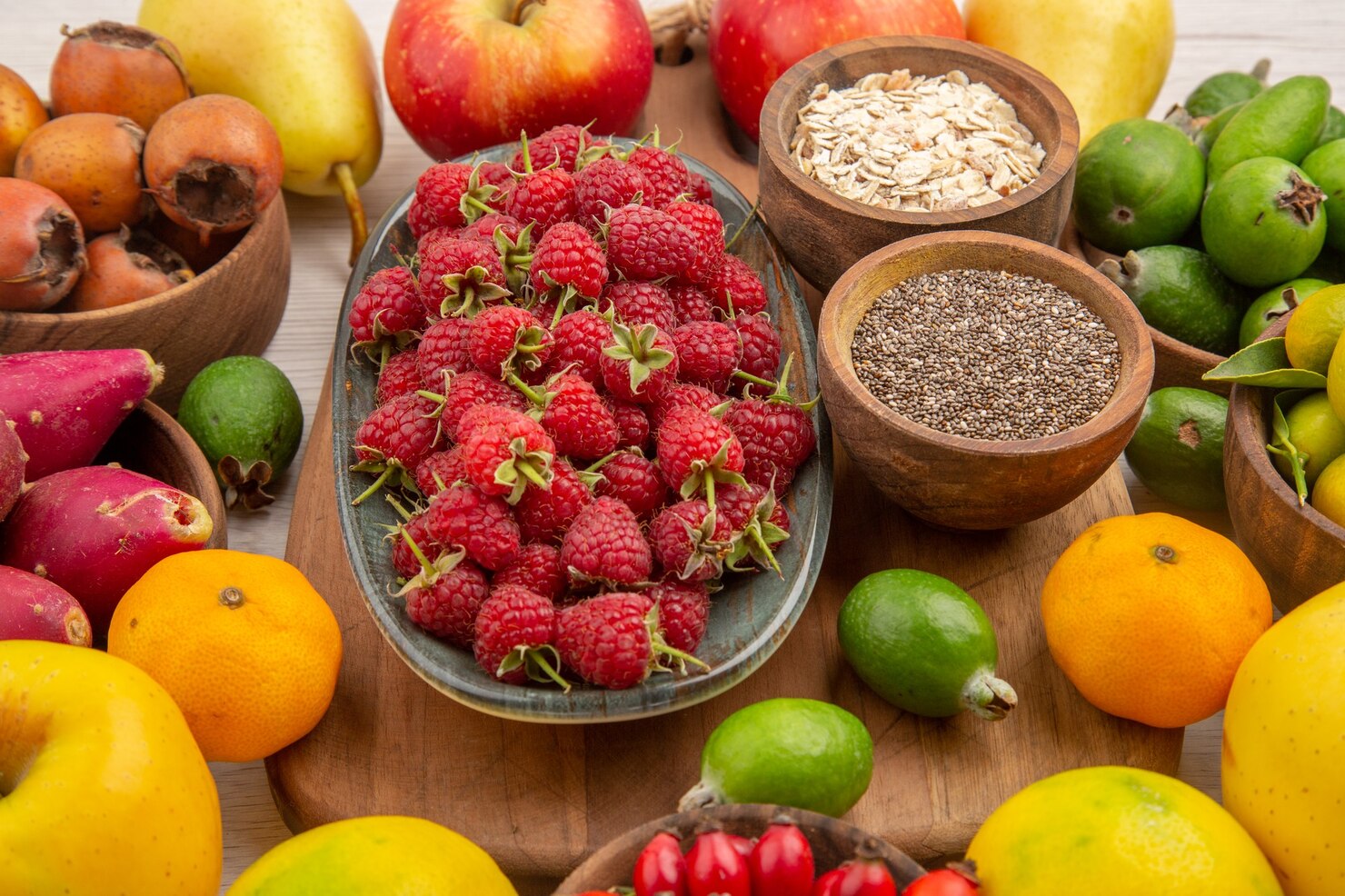
- Layer in seeds: Sprinkle hemp, chia, or flax on top of your dish.
- Use fiber-rich sauces: Salsa, pesto with nuts, or tomato-based sauces with vegetables.
High-Fiber Meal Examples with Meat
- Grilled chicken bowl: Brown rice + black beans + roasted peppers + salsa + avocado.
- Salmon dinner: Quinoa + roasted Brussels sprouts + lemon-dill dressing.
- Beef stir-fry: Brown rice + broccoli + carrots + snap peas + soy-ginger sauce.
- Turkey wrap: Whole grain tortilla + lettuce + tomato + avocado + sprouts.
The 3:1 Rule
For every serving of animal protein, aim for at least 3 servings of plant-based fiber sources. That could be vegetables, grains, legumes, or seeds.
Plant-Based Protein Alternatives
If you want protein and fiber in one package, choose:
- Lentils: 15g fiber + 18g protein per cup
- Chickpeas: 12g fiber + 15g protein per cup
- Black beans: 15g fiber + 15g protein per cup
- Tofu: 2g fiber + 20g protein per cup
- Edamame: 8g fiber + 17g protein per cup