Here’s a hard truth: dairy products contain zero fiber. Milk, cheese, yogurt — none. If you’re relying on dairy for your fiber intake, you’re out of luck.
But plant-based alternatives? That’s a different story.
The Fiber-Free Zone
- Cow’s milk: 0g
- Cheese (all types): 0g
- Greek yogurt: 0g
- Butter: 0g
- Cream: 0g
Dairy is a great source of protein and calcium. But fiber isn’t its job.
Plant-Based Alternatives That Deliver
- Soy milk: 1–2g per cup (some brands add fiber)
- Oat milk: 2–3g per cup
- Pea milk: 3g per cup
- Hemp milk: 1g per cup
- Coconut milk (carton): 0g (most have none)
- Almond milk: 0–1g (most have none)
Yogurt Alternatives with Fiber
- Soy yogurt: 2–3g per serving
- Coconut yogurt: 0–1g (check labels)
- Oat yogurt: 2–3g per serving
The Label Reading Rule
Always check the nutrition panel. Some brands add chicory root fiber, inulin, or oat fiber to boost the content. Others don’t. A “plant-based” label doesn’t guarantee fiber.
How to Add Fiber to Your Dairy or Alternative
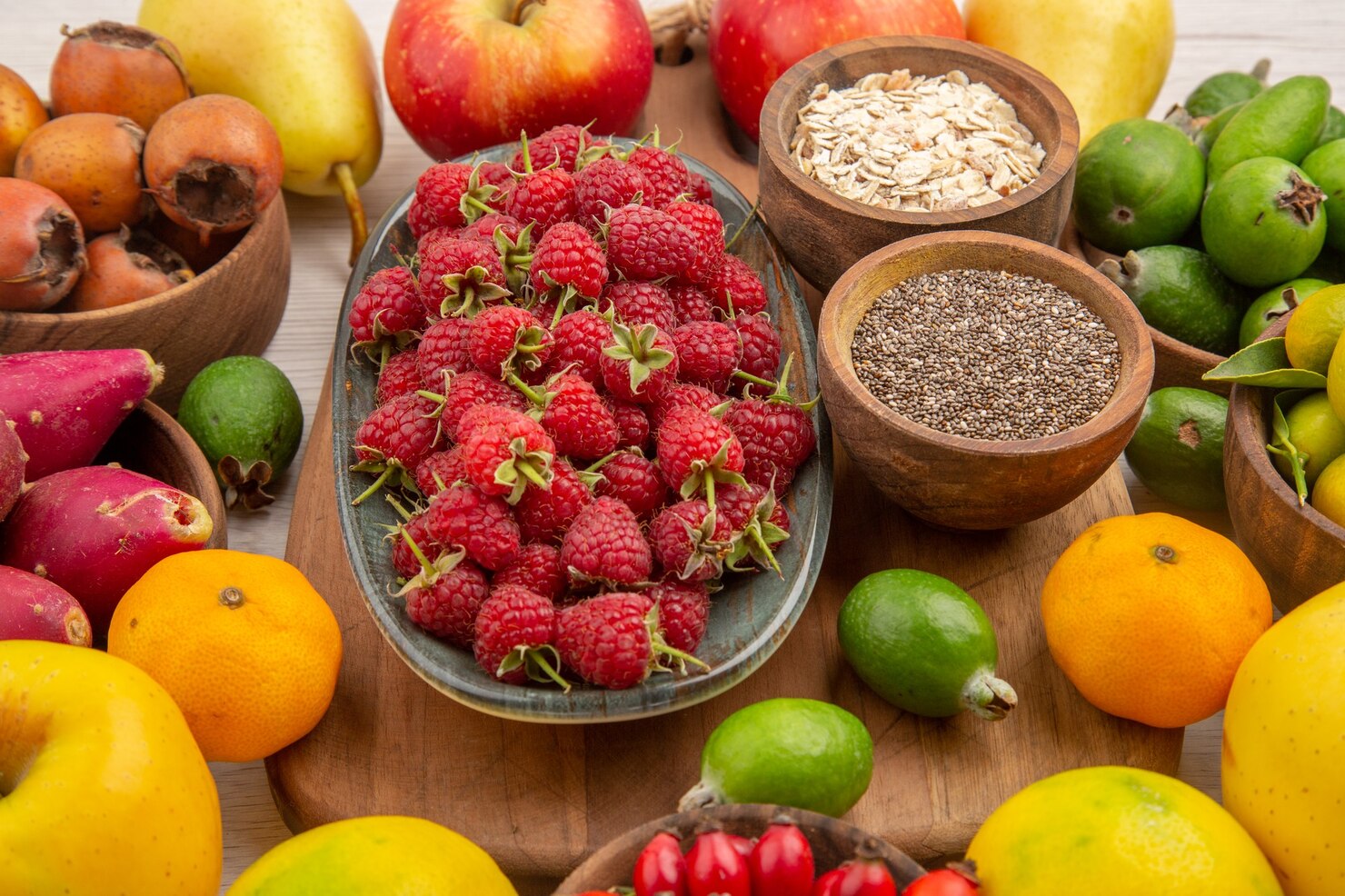
- Add fruit: Top yogurt with berries or sliced banana.
- Add seeds: Stir in chia seeds or ground flax.
- Smoothies: Blend plant milk with high-fiber fruits and seeds.
- Overnight oats: Combine oats, plant milk, and chia for an instant fiber boost.