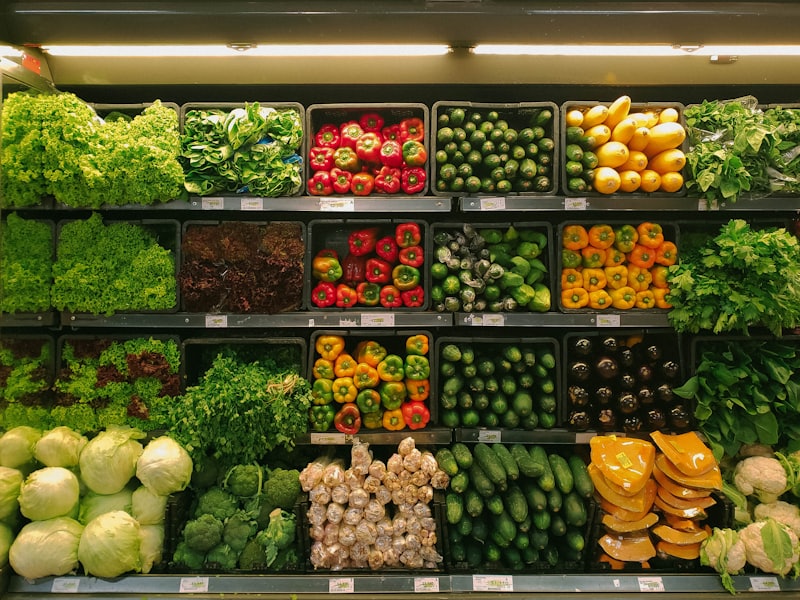
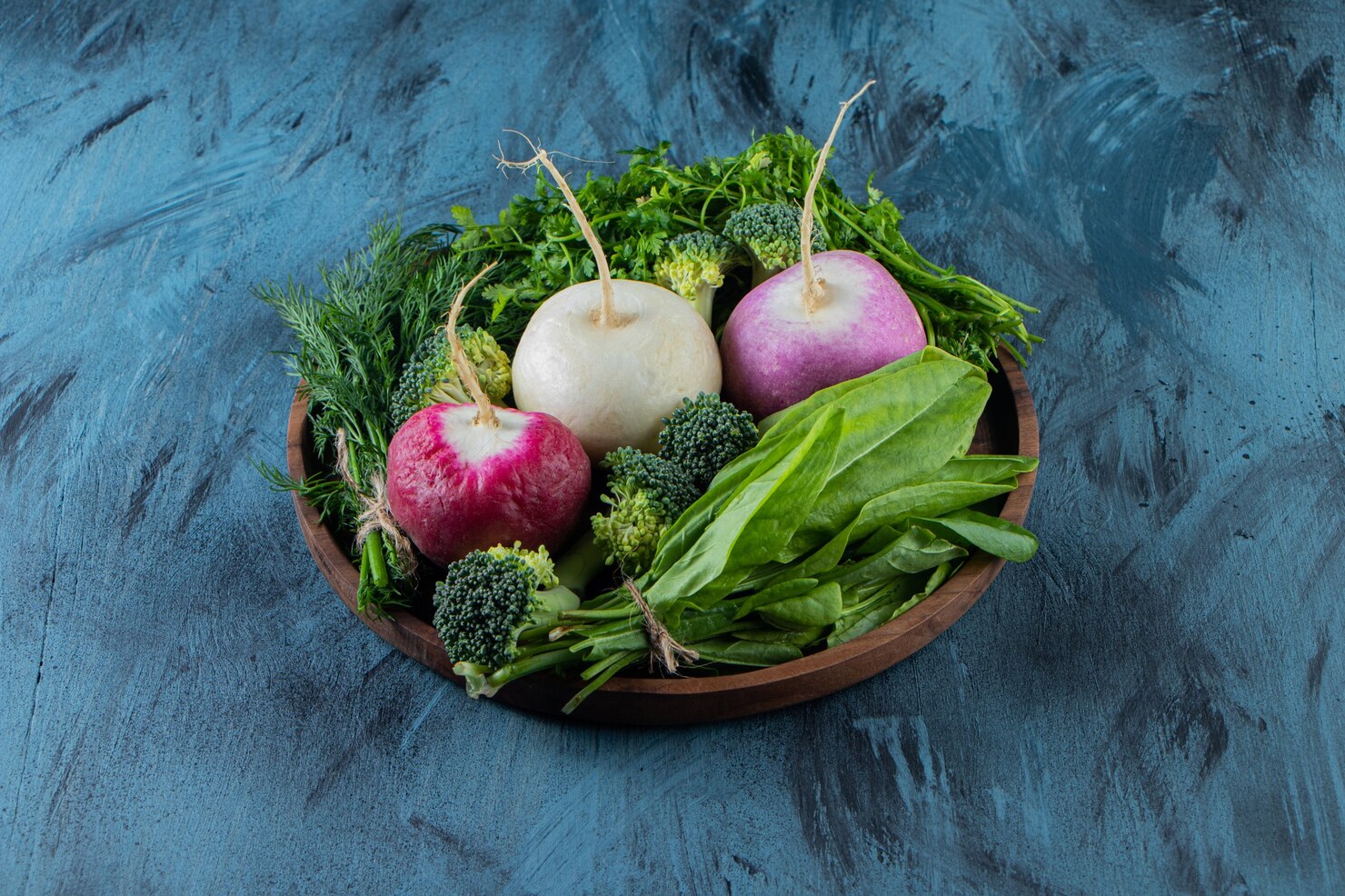
Vegetables are the backbone of any high-fiber diet. They’re low in calories, high in micronutrients, and — when you choose the right ones — absolutely loaded with fiber.
The Fiber Champions
These vegetables deliver the most fiber per serving:
- Artichokes: 7g per medium artichoke
- Green peas: 7g per cup
- Brussels sprouts: 4g per cup (cooked)
- Broccoli: 5g per cup (cooked)
- Carrots: 3.5g per cup
- Sweet potatoes (with skin): 4g per medium
- Cauliflower: 3g per cup
- Kale: 2.5g per cup (cooked)
- Spinach: 4g per cup (cooked)
- Corn: 3.5g per cup
Why Vegetables Are a Fiber Powerhouse
Vegetables provide both soluble and insoluble fiber, plus a wide range of polyphenols that feed your gut microbiome. The more colorful your plate, the more diverse your fiber intake — and the more diverse your gut bacteria.
How to Eat More High-Fiber Vegetables
- Roast them: Brussels sprouts, broccoli, and sweet potatoes become naturally sweet and caramelized when roasted.
- Add to soups: Lentil soup with carrots and spinach is a fiber bomb.
- Go raw: Carrot sticks, cauliflower florets, and snap peas make great dips.
- Blend into sauces: Pureed cauliflower or roasted red peppers add fiber and creaminess to pasta sauces.
- Swap starches: Mashed cauliflower or roasted sweet potato can replace white rice or potatoes.
Frozen vs. Fresh
Frozen vegetables retain their fiber content and are often more affordable and convenient. Don’t hesitate to stock your freezer — just check that there’s no added sugar or sauce.