
If you want to hit your daily fiber target without breaking a sweat, legumes are your answer. No other food group delivers as much fiber per serving — period.
The Numbers Don’t Lie
- Lentils (cooked): 15g per cup
- Black beans: 15g per cup
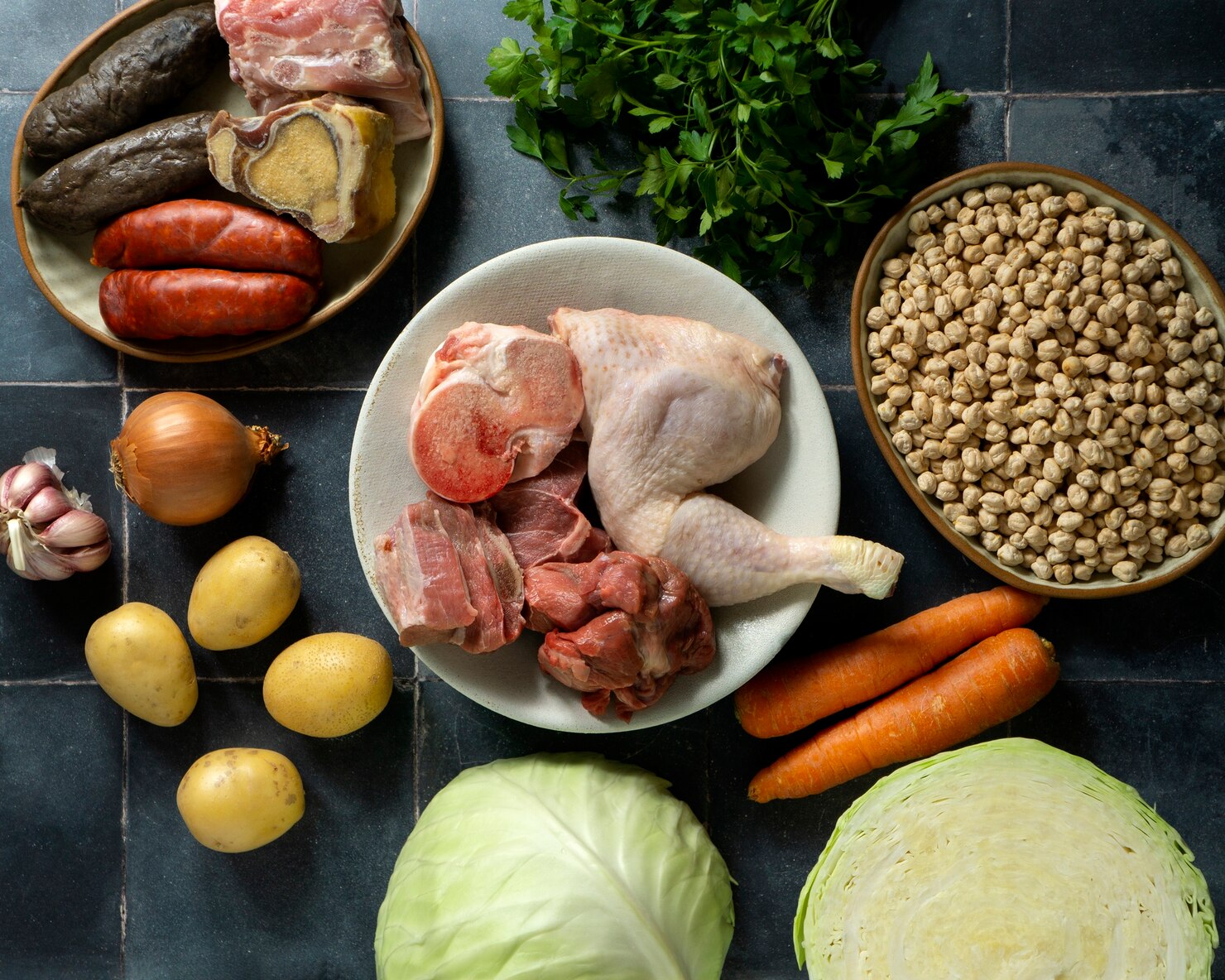
- Chickpeas: 12g per cup
- Kidney beans: 13g per cup
- Pinto beans: 15g per cup
- Split peas: 16g per cup
- Edamame: 8g per cup
Half Your Daily Target in One Serving
A single cup of lentils delivers 15g of fiber — that’s 60% of the daily target for women and 40% for men. Add a side of vegetables and a whole grain, and you’re easily over 25g in one meal.
Why Legumes Are Special
Legumes contain both soluble and insoluble fiber. The soluble fiber helps lower cholesterol and stabilize blood sugar. The insoluble fiber keeps things moving. They’re also rich in resistant starch, which feeds your gut microbiome directly.
Protein Bonus
Legumes are one of the few plant foods that combine fiber with substantial protein. A cup of lentils has 18g of protein — making them an excellent meat substitute.
How to Eat More Legumes
- Soups and stews: Lentil soup, chili, or minestrone.
- Salads: Chickpeas or black beans on top of greens.
- Dips: Hummus (chickpeas) or black bean dip.
- Burgers: Lentil or black bean patties.
- Pasta swaps: Red lentil pasta has 13g of fiber per serving.
- Curries: Chickpea or lentil curry over brown rice.
Canned vs. Dried
Canned beans are convenient and retain their fiber. Just rinse them well to reduce sodium. Dried beans are cheaper and have no added salt — but require soaking and longer cooking.
A Warning: Go Slow
If you’re not used to legumes, start with half a cup and increase gradually. The fiber and resistant starch can cause gas if your gut isn’t prepared. Drinking water helps.