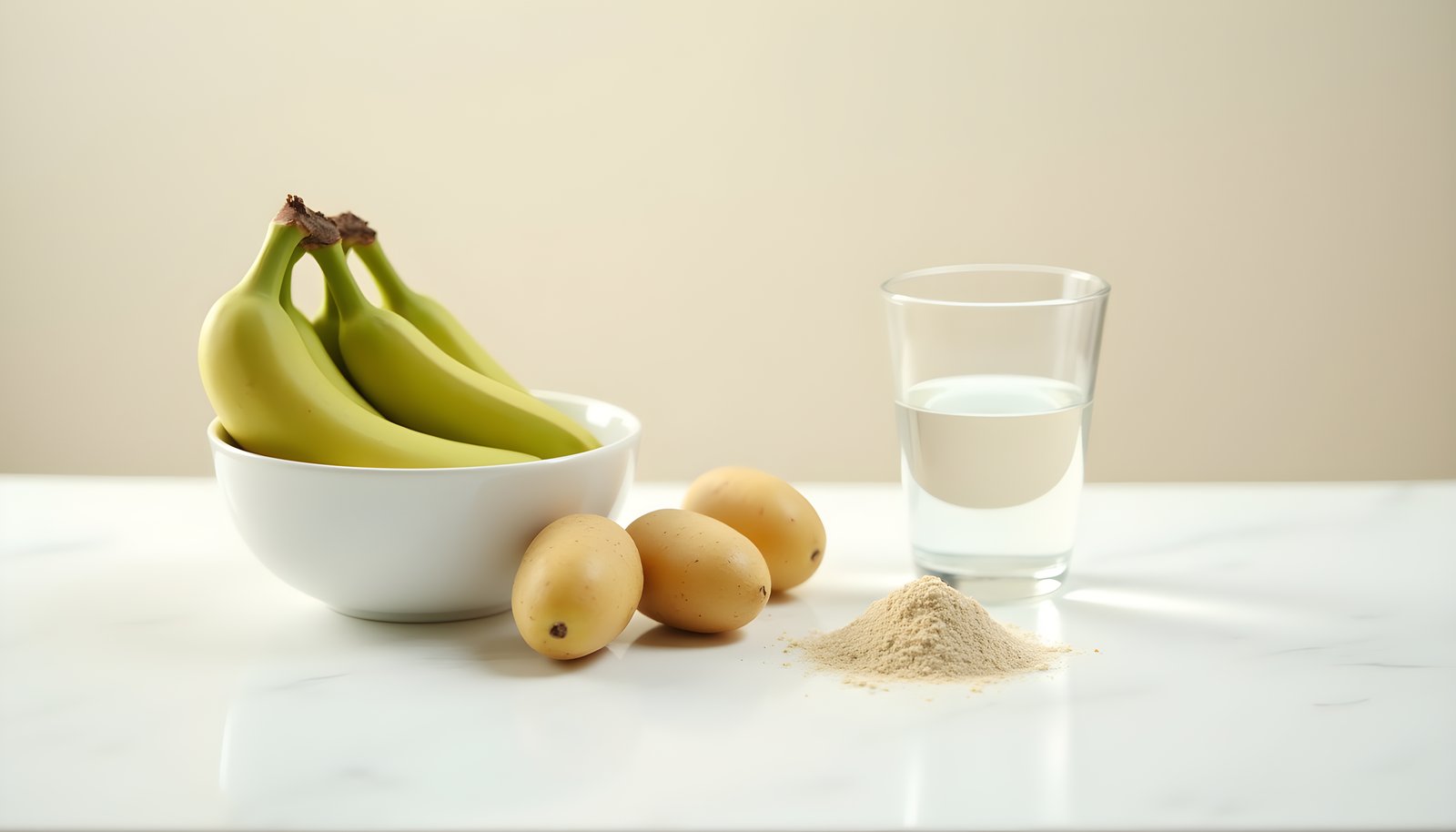
7 Fiber Supplements With Fewer Bloating Complaints
We kept products built on fiber types that tend to cause less gas, like wheat dextrin, PHGG and psyllium. We left out a gummy, a light fiber drink and a probiotic fiber powder, since their labels don’t say which fiber they use.
Sponsored
Benefiber Prebiotic Fiber Powder
Unflavored wheat dextrin powder that dissolves clear in drinks.
$$$$
- What’s included: One 17.6-ounce bottle of unflavored Benefiber Daily Prebiotic Fiber Supplement Powder for Digestive Health
- Supports digestive health: Daily fiber powder supplement that nourishes the growth of good bacteria that exist in your gut to help you maintain good digestive health
- Dissolves clear and completely: Benefiber Prebiotic Fiber Supplement Powder is taste free, grit free, and dissolves clear and completely when you mix into non carbonated beverages and food
- Plant-based prebiotic fiber: Made with wheat dextrin, a plant-based fiber that nourishes your gut’s good bacteria and helps them grow
Thorne FiberMend
Prebiotic fiber powder with antioxidants, third-party certified.
$$$$
- Prebiotic: A prebiotic fiber formula with added antioxidants.
- Healthy bowel: Promotes regularity.
- Well tolerated: Formulated to be gentle on digestion.
- Third-party certified: Tested and certified by a third party to verify that what’s in the package matches the label.
Tomorrow's Nutrition Sunfiber GI
Sunfiber guar fiber with probiotics, 5 g, low FODMAP certified.
$$$$
- 2-in-1 synbiotic blend: Prebiotic fiber and probiotics in one product, with 5 g of prebiotic fiber and 8 billion probiotics per serving.
- Regulating fiber: 5 g of soluble fiber per serving helps promote regular, healthy bowel movements and ease occasional constipation and diarrhea.
- Probiotic support: Bifidobacterium lactis works alongside the Sunfiber fiber to nourish beneficial gut bacteria.
- Gentle on your system: Sunfiber ferments slowly in the gut, and the low FODMAP-certified formula is typically well tolerated by people with sensitive stomachs.
Yerba Prima Psyllium Husk Powder
Fine-ground, unflavored pure psyllium powder in a 24 oz tub.
$$$$
- Pure psyllium: 100% psyllium husk powder with no added sugar or flavor.
- Fine ground: A fine texture that also works in baking and smoothies.
- Mix and drink fast: Mix with at least 12 oz of liquid and drink right away, before it thickens.
- Diet friendly: Non-GMO, gluten free, vegan, keto and paleo friendly.
- Long track record: Made by a company that has sold fiber supplements since 1980.
Momentous Fiber+ Cinnamon
Cinnamon psyllium, resistant potato starch and rice bran blend, 6 g.
$$$$
- Multi-source blend: Psyllium husk, resistant potato starch and rice bran, with 6 grams of fiber per serving.
- Resistant starch: Solnul resistant potato starch ferments in the colon into short-chain fatty acids like butyrate.
- Post-meal support: Soluble fiber helps slow carbohydrate absorption after meals.
- Regularity: Psyllium and rice bran support stool hydration and comfortable, regular digestion.
- Flexible timing: Take it whenever you can be most consistent, such as with breakfast or in a protein shake.
Bulletproof Innerfuel Prebiotic Fiber
Unflavored prebiotic fiber powder made for keto, 13.4 oz tub.
$$$$
- Prebiotic fiber: Fermentable prebiotic fiber that feeds the good bacteria in your gut.
- Supports fullness: Fermentable fiber plays a part in the body’s natural fullness signals after meals.
- Keto friendly: Naturally sugar free, gluten free, non-GMO and soy free.
- Lab tested: Tested for purity and potency.
- Easy to mix: Stir 1 to 2 scoops into coffee, water or a shake.
WonderBiotics Daily Fiber Mix
Five-fiber stick packs with psyllium and PHGG, sugar free.
$$$$
- Daily regularity: Helps relieve occasional constipation and supports regular bowel movements.
- 5-fiber blend: Combines FOS, psyllium husk, partially hydrolyzed guar gum (PHGG), polydextrose and resistant dextrin from several plant sources.
- Gentle formula: Certified by FODMAP Friendly.
- On-the-go stick packs: Each pre-measured stick holds 6 g of fiber and dissolves clear in water, juice, coffee or smoothies with no grit.
- Sugar free: Zero sugar, with no aspartame or artificial dyes.
What Bloating Complaints Tell You
Fiber supplements without bloating are what most shoppers want, and complaints in reviews show a clear pattern. Gas, a swollen belly and cramps come up most with fast-fermenting fibers, and least with fibers that ferment slowly or hardly at all.
This page takes a different approach from our main guide to fiber supplements without bloating. Instead of comparing every popular option, we narrowed the list to products whose labels name a fiber type with a low-gas track record.
We didn’t tally reviews by hand, and we don’t show star ratings or prices, since both change often. The dollar signs in the table show a rough price tier.
Review complaints about fiber usually fall into four groups:
- Gas and bloating: often from fast fermentation, a big starting dose or both.
- Fullness or heaviness: common with gel-forming fibers like psyllium in the first week.
- Cramping: more likely with large doses or too little water.
- Texture: clumping, grit or thickening, which is a taste issue, not a gut one.
Knowing which group a complaint belongs to helps you judge whether it would apply to you.
The picks stay in the order they appeared in our shopping research. Their place in the list isn’t a score, and the best choice depends on which fiber your gut handles well.
Why Fiber Type Matters Most
Gut bacteria break some fibers down quickly and others slowly. Quick fermentation releases a lot of gas in a short time, and that’s what most people feel as bloating.
Inulin, chicory root and FOS are the fast fermenters. They’re common in gummies and prebiotic drinks, and they show up often in bloating complaints.
Psyllium works another way. It soaks up water and forms a gel, but bacteria barely ferment it. A 2017 review by McRorie and McKeown described this gel-forming, low-fermenting behavior as the reason psyllium tends to cause less gas.
PHGG, sold as Sunfiber, and wheat dextrin sit in between. They do ferment, but gradually, which spreads gas out over time.
Gas itself is normal. The US National Institute of Diabetes and Digestive and Kidney Diseases notes that everyone passes gas daily, and that fiber is one of the common dietary causes.
So a product with fewer complaints usually isn’t magic. It just uses a fiber type that’s easier on most people.
Additives play a part too. Sugar alcohols such as sorbitol or maltitol, often found in gummies and sweetened powders, can cause gas on their own, even when the fiber itself is gentle.
What the Evidence Shows
The research on fiber and bloating is mostly from people with IBS, since they’re the most sensitive to it.
A 2014 meta-analysis by Moayyedi and colleagues found that soluble fiber, mainly psyllium, helped IBS symptoms overall. Insoluble bran didn’t help and sometimes made people feel worse.
That fits what reviews suggest. Coarse bran and fast-fermenting fibers bring more complaints than smooth soluble fibers.
Still, the studies are fairly small, and people vary a lot. A fiber that’s gentle for most can still bloat you, and the reverse can also be true.
No supplement here has trial data on bloating for the exact product. The picks rely on what’s known about their main fiber type, so treat them as a good starting point, not a guarantee.
Keeping a short note of your dose and symptoms for two weeks is the most reliable way to learn which fiber suits your own gut.
How to Read the Picks
- Wheat dextrin: #1 Benefiber dissolves clear and ferments gradually.
- Gentle prebiotic formulas: #2 Thorne FiberMend is made to be easy on digestion, and #6 Bulletproof Innerfuel is an unflavored prebiotic powder.
- PHGG: #3 Tomorrow’s Nutrition Sunfiber GI is low FODMAP certified.
- Psyllium: #4 Yerba Prima is pure psyllium. #5 Momentous mixes psyllium with resistant potato starch and rice bran.
- Multi-fiber stick packs: #7 WonderBiotics combines psyllium and PHGG with other fibers and is FODMAP Friendly certified.
Two picks carry a small caution. Momentous includes resistant starch, which ferments more and can cause gas in the first weeks. WonderBiotics contains some FOS, so start with half a stick.
Bulletproof uses fermentable prebiotic fiber too. If you’re very sensitive, try the single-fiber picks first.
Unflavored powders give you the most control. You can start with a quarter scoop and raise it slowly, which is harder to do with gummies or pre-measured packets.
Spotting Useful Reviews
Reviews can help, but they’re easy to misread. A few habits make them more useful.
- Check the dose: Many bloating complaints come from people who started with a full serving or more.
- Look for water: Cramping and heaviness often follow taking psyllium with too little liquid.
- Note the timeline: Gas in the first week that fades later is a different story from gas that never goes away.
- Look for your condition: A review from someone with IBS or SIBO may be more relevant to you than a general one.
Texture complaints matter less for your gut. A powder that clumps in cold water may simply need a shaker bottle.
Also be wary of labels and reviews that promise a “flat tummy” or fast weight changes. Those claims go beyond what fiber research shows.
Finally, remember that reviews skew toward strong reactions. People who feel fine often don’t write anything, so a handful of bloating complaints on a popular product may not mean much.
Starting Without Discomfort
- Begin with half: Take half a serving for the first week.
- Raise it slowly: Add a little every few days if you feel fine.
- Drink plenty: Use at least 8 oz of water per serving, more for psyllium.
- Change one thing: Don’t start a new fiber and a big diet change in the same week.
- Space medicines: Keep other medicines two hours apart from fiber.
If gas still bothers you after two or three weeks, switch fiber type rather than brand. Going from an inulin product to psyllium or PHGG often helps more than trying another inulin product.
Wondering how much fiber you already get from food? Our fiber calculator gives a quick personal estimate.
See a doctor if bloating is severe, lasts, or comes with pain, weight loss, vomiting or blood in your stool.
Bloating and Fiber Supplements: Quick Answers
Why do some fiber supplements cause more bloating?
Fibers that ferment quickly, like inulin and FOS, release more gas at once. Slow or low-fermenting fibers tend to cause fewer complaints.
Is psyllium or Sunfiber gentler?
Both are often well tolerated. Psyllium barely ferments but can feel filling at first. Sunfiber ferments slowly and is low FODMAP certified.
Do fiber gummies cause bloating?
Many use inulin or chicory root, and some add sugar alcohols. Both can cause gas, so check the label before buying.
How much of my daily fiber does one serving give?
Most servings here cover a modest fraction of what adults need. Our fiber calculator works out your own target.
Should I stop if a fiber makes me bloated?
Try a lower dose for a week first. If it still bothers you, switch to a different fiber type.
Can bloating mean something more serious?
Usually it's harmless, but see a doctor if it's severe, lasting or comes with pain, weight loss or blood in your stool.
Sources
- McRorie JW Jr, McKeown NM. “Understanding the physics of functional fibers in the gastrointestinal tract: an evidence-based approach to resolving enduring misconceptions about insoluble and soluble fiber.” Journal of the Academy of Nutrition and Dietetics, 2017. pubmed.ncbi.nlm.nih.gov
- Moayyedi P, et al. “The effect of fiber supplementation on irritable bowel syndrome: a systematic review and meta-analysis.” American Journal of Gastroenterology, 2014. pubmed.ncbi.nlm.nih.gov
- National Institute of Diabetes and Digestive and Kidney Diseases. “Gas in the Digestive Tract.” niddk.nih.gov