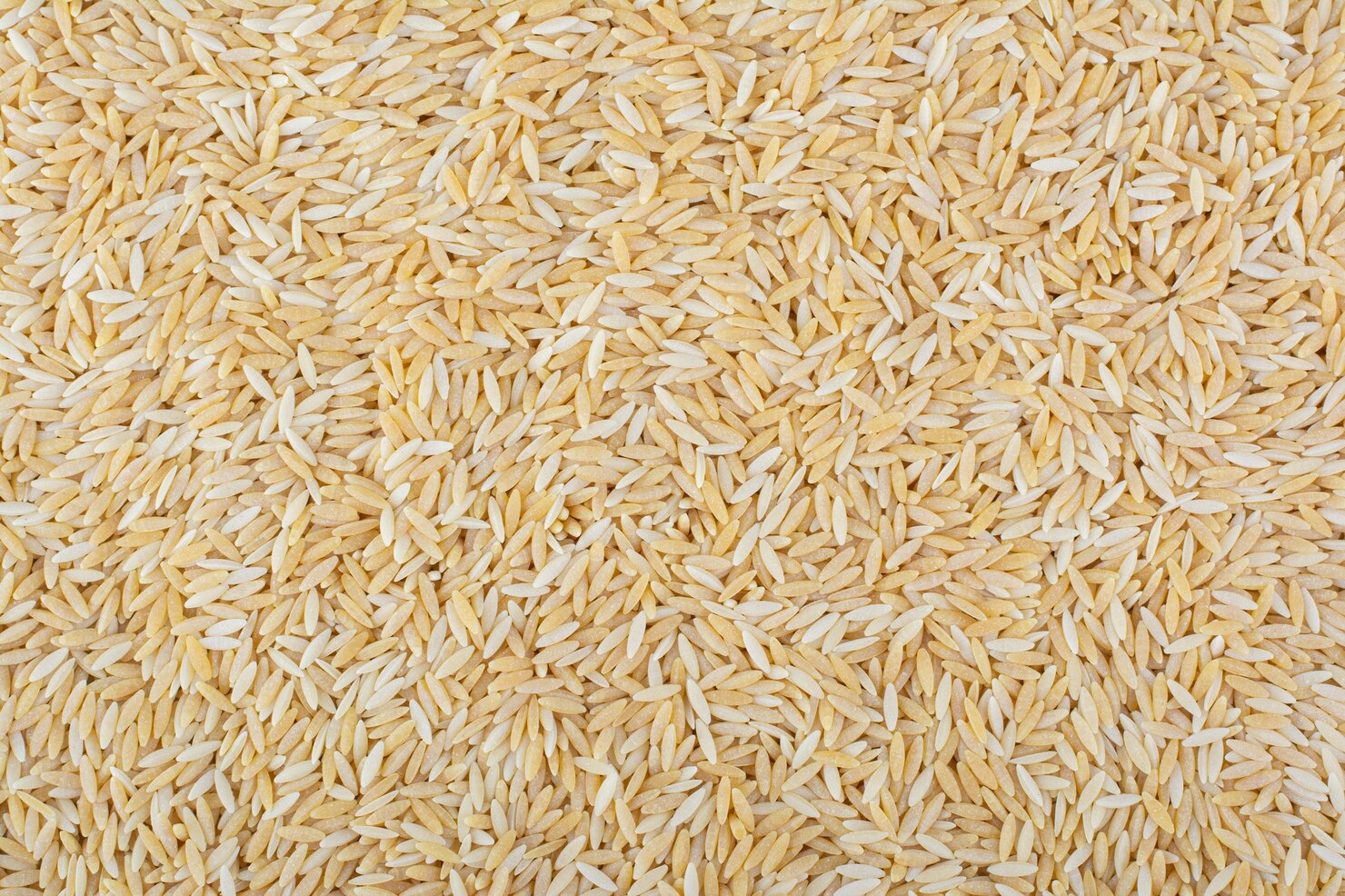
When people hear “high-fiber foods,” they often think of bland diets and boring meals. But that’s not true—especially when it comes to grains. Some of the most nutrient-dense, high-fiber grains also happen to be rich, flavorful, and surprisingly satisfying.
In this guide, we’ll look at farro, freekeh, teff, and other fiber-rich grains, ranked by fiber content, taste, and ease of cooking, so you can actually enjoy adding them to your meals.
🥇 1. Farro — Nutty, Chewy & Beginner-Friendly
Fiber: ~5–8g per cooked cup
Taste: ⭐⭐⭐⭐⭐ (rich, nutty, slightly chewy)
Cooking difficulty: Easy–Medium
Farro is one of the most popular ancient grains, and for good reason. It has a satisfying chewy texture and a mild nutty flavor that works in almost anything.
Why it stands out:
- Tastes similar to brown rice but more flavorful
- Holds texture well in salads and bowls
- Very filling due to fiber + protein combination
How to use it:
- Grain bowls with vegetables and chicken
- Mediterranean salads with olive oil and lemon
- Soup base instead of pasta or rice
👉 Best for beginners who want a “safe upgrade” from rice.
🥈 2. Freekeh — Smoky Flavor with High Fiber Power
Fiber: ~8–10g per cooked cup
Taste: ⭐⭐⭐⭐☆ (smoky, earthy, slightly nutty)
Cooking difficulty: Easy
Freekeh is harvested while still young and roasted, giving it a unique smoky flavor and excellent fiber content.
Why it stands out:
- Higher fiber than most common grains
- Naturally smoky taste adds depth to dishes
- Great texture for hearty meals
How to use it:
- Mix into rice dishes for extra fiber
- Add to soups and stews
- Use as a base for roasted vegetable bowls
👉 Best for people who want bold flavor and extra nutrition.
🥉 3. Teff — Tiny Grain, Big Nutrition
Fiber: ~7–8g per cooked cup
Taste: ⭐⭐⭐⭐☆ (mild, slightly nutty, earthy)
Cooking difficulty: Medium
Teff is one of the smallest grains in the world but extremely nutrient-dense. It’s commonly used in Ethiopian cuisine, especially in injera bread.
Why it stands out:
- Naturally gluten-free
- High in fiber, iron, and minerals
- Soft, porridge-like texture when cooked
How to use it:
- Breakfast porridge with honey and fruits
- Gluten-free baking (pancakes, bread)
- Mixed with oats for extra nutrition
👉 Best for those exploring gluten-free, nutrient-rich options.
🌾 4. Barley — Classic, Budget-Friendly Fiber Grain
Fiber: ~6g per cooked cup
Taste: ⭐⭐⭐⭐☆ (mild, slightly chewy)
Cooking difficulty: Easy
Barley is one of the most affordable high-fiber grains available. It’s widely used in soups and comfort foods.
Why it stands out:
- Very budget-friendly
- Helps thicken soups naturally
- High satiety (keeps you full longer)
How to use it:
- Vegetable soups
- Beef or chicken stews
- As a rice substitute
👉 Best for everyday cooking on a budget.
🌾 5. Quinoa — Light, Protein-Rich & Versatile
Fiber: ~5g per cup cooked
Taste: ⭐⭐⭐⭐☆ (light, slightly nutty)
Cooking difficulty: Very easy
Quinoa is technically a seed, but it behaves like a grain and cooks very quickly.
Why it stands out:
- Quick cooking (15 minutes)
- Complete protein + fiber combo
- Works in both savory and sweet dishes
How to use it:
- Salad base with vegetables
- Breakfast bowls with fruits
- Substitute for rice or couscous
👉 Best for busy people who want fast nutrition.
💡 Final Thoughts: Which Grain Should You Choose?
- Best overall taste: Farro
- Highest fiber + flavor: Freekeh
- Most nutrient-dense unique option: Teff
- Best budget choice: Barley
- Fastest cooking: Quinoa
You don’t need to pick just one. The real benefit comes from rotating grains weekly to get different types of fiber, minerals, and flavors.
A simple change—like swapping white rice with farro or freekeh just 2–3 times a week—can significantly improve your fiber intake without feeling like a diet at all.
Healthy eating doesn’t have to be boring. With the right grains, it can actually be something you look forward to.