Discover the most popular fiber articles this week. From gut health to weight loss, these trending reads are backed by science and chosen by our community.
How Much Fiber Do You Actually Need?
Most people have no idea. Enter your age, gender, and activity level — get your personalized daily target in seconds.
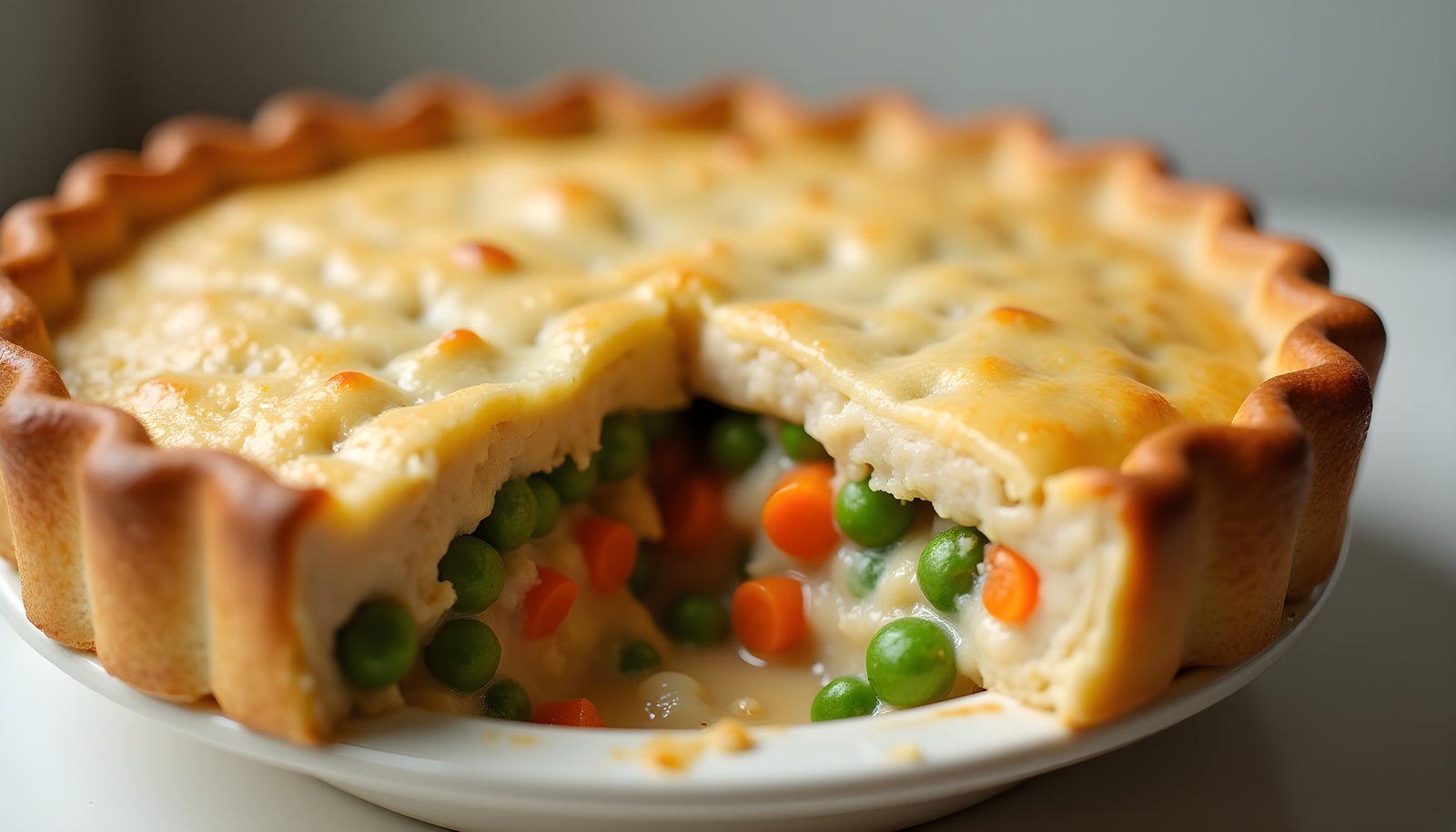
Plain meats fiber content is 0 grams, whether it’s chicken, beef, pork, lamb or fish. The meat foods that do list fiber get it from plant ingredients, and in USDA data a frozen turkey pot pie leads with 4.4 grams per serving, while whole grain breaded nuggets bring 2 grams.
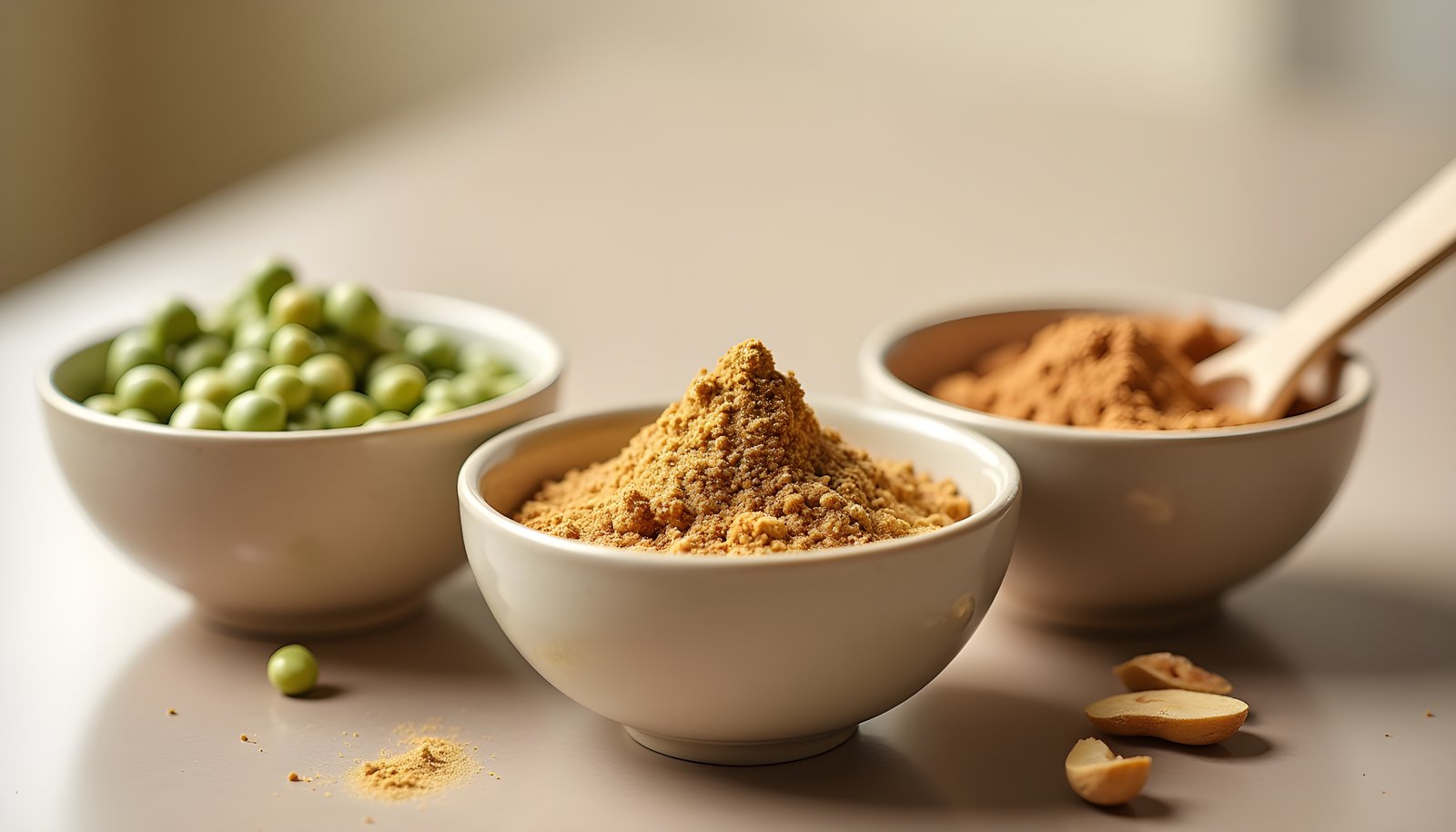
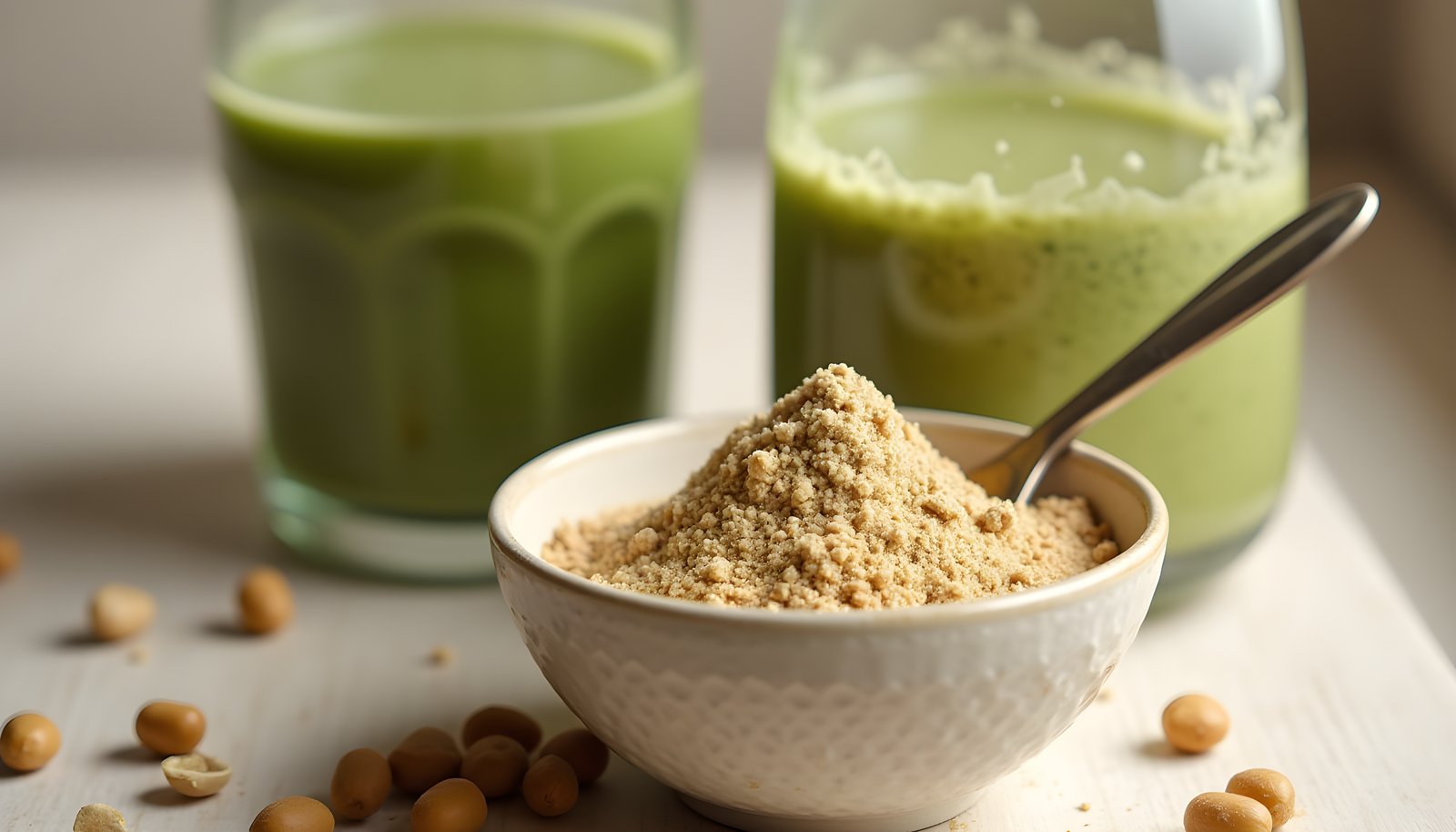
The protein powders with most fiber are made from whole seed or legume flours: a hemp protein powder at 26 percent fiber, defatted soy flour at 17.5 grams per 100 grams and peanut flour at 15.8. Isolates of soy, pea and whey, plus egg white and gelatin, carry 0 grams.
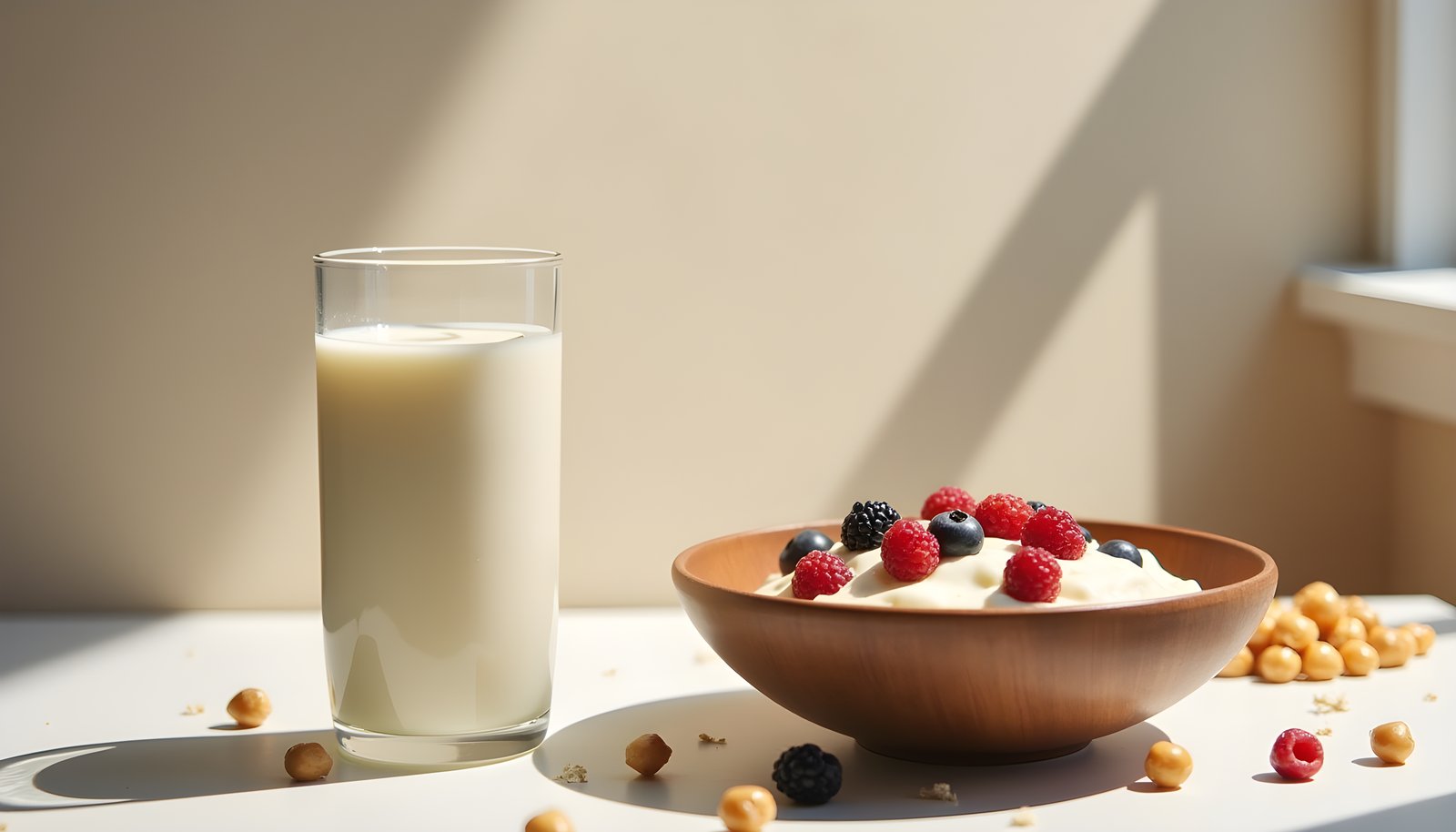
For vegetarian protein fiber, legumes lead: a cup of lentils has 15.6 grams of fiber with 17.9 grams of protein. Eggs, dairy and most dairy alternatives add little or none, and unsweetened oat milk shows 0 grams of fiber per 100 grams in USDA data.
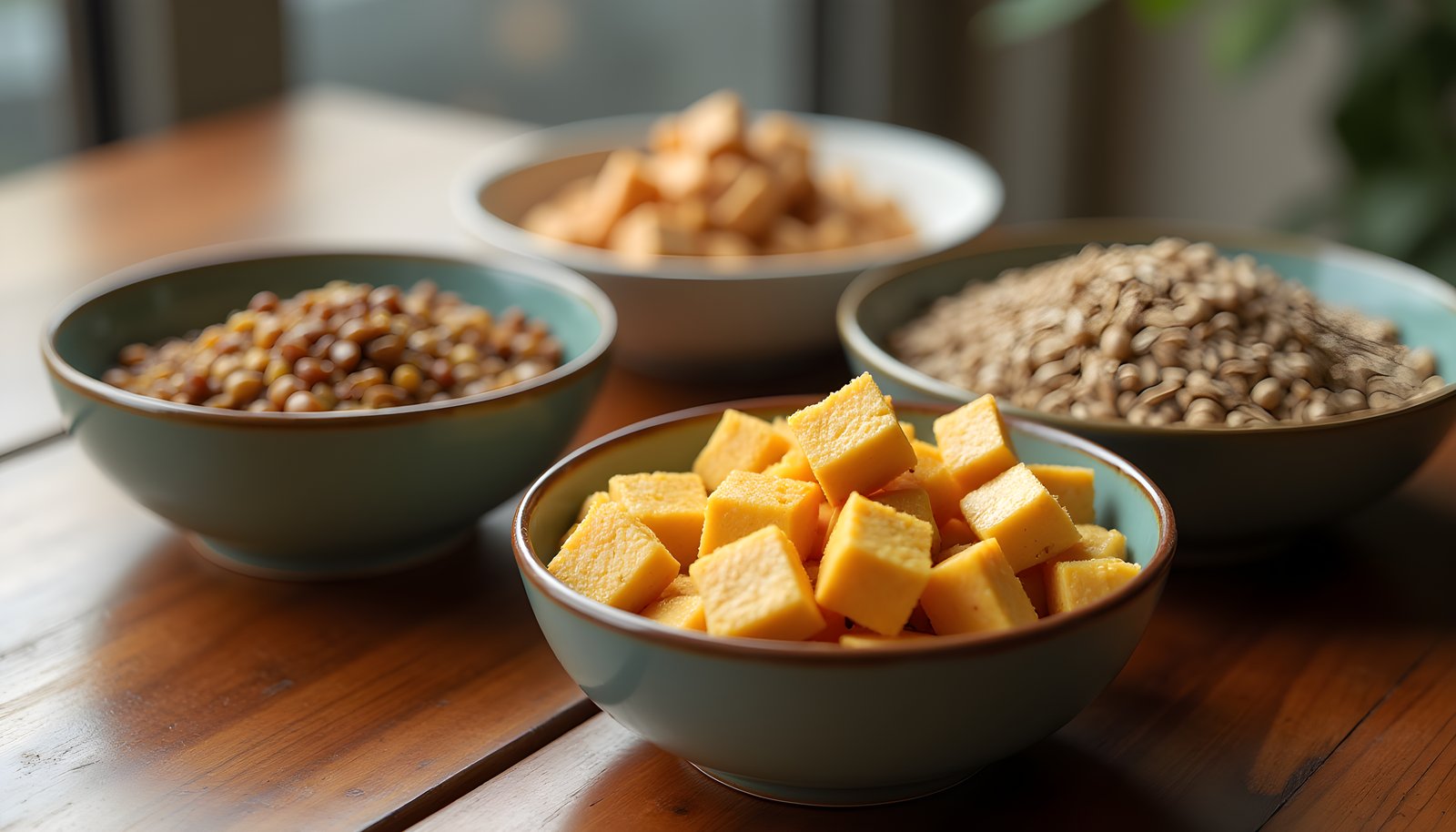
Gram for gram, navy beans are the vegan protein with most fiber, at 10.4 grams per 100 grams cooked, followed by black beans, split peas and lentils. Tofu, lupini and seitan carry far more protein per gram but only 0.5 to 2.8 grams of fiber.
Among plant proteins with fiber, navy beans, split peas, lentils and black beans lead, each giving roughly 15 to 19 grams of fiber per cooked cup alongside 15 to 18 grams of protein. Soy foods, seitan and hemp bring plenty of protein but far less fiber.
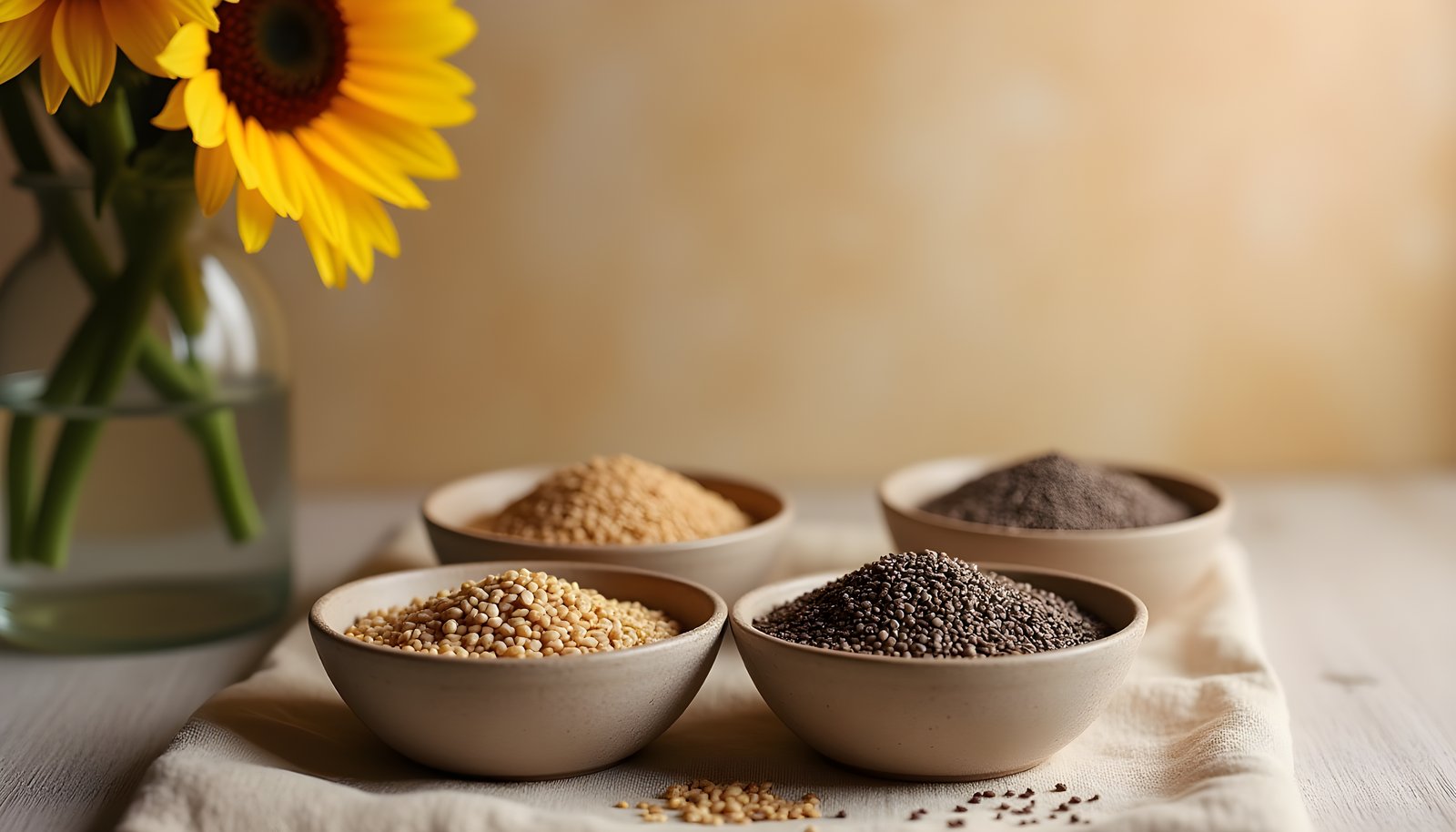
Chia is the seed with the most fiber, at 34.4 grams per 100 grams, followed by flax, poppy and whole pumpkin seeds. Among popular seeds with most fiber, hulled hemp sits at the bottom, with just 1.2 grams in a 3 tablespoon serving.
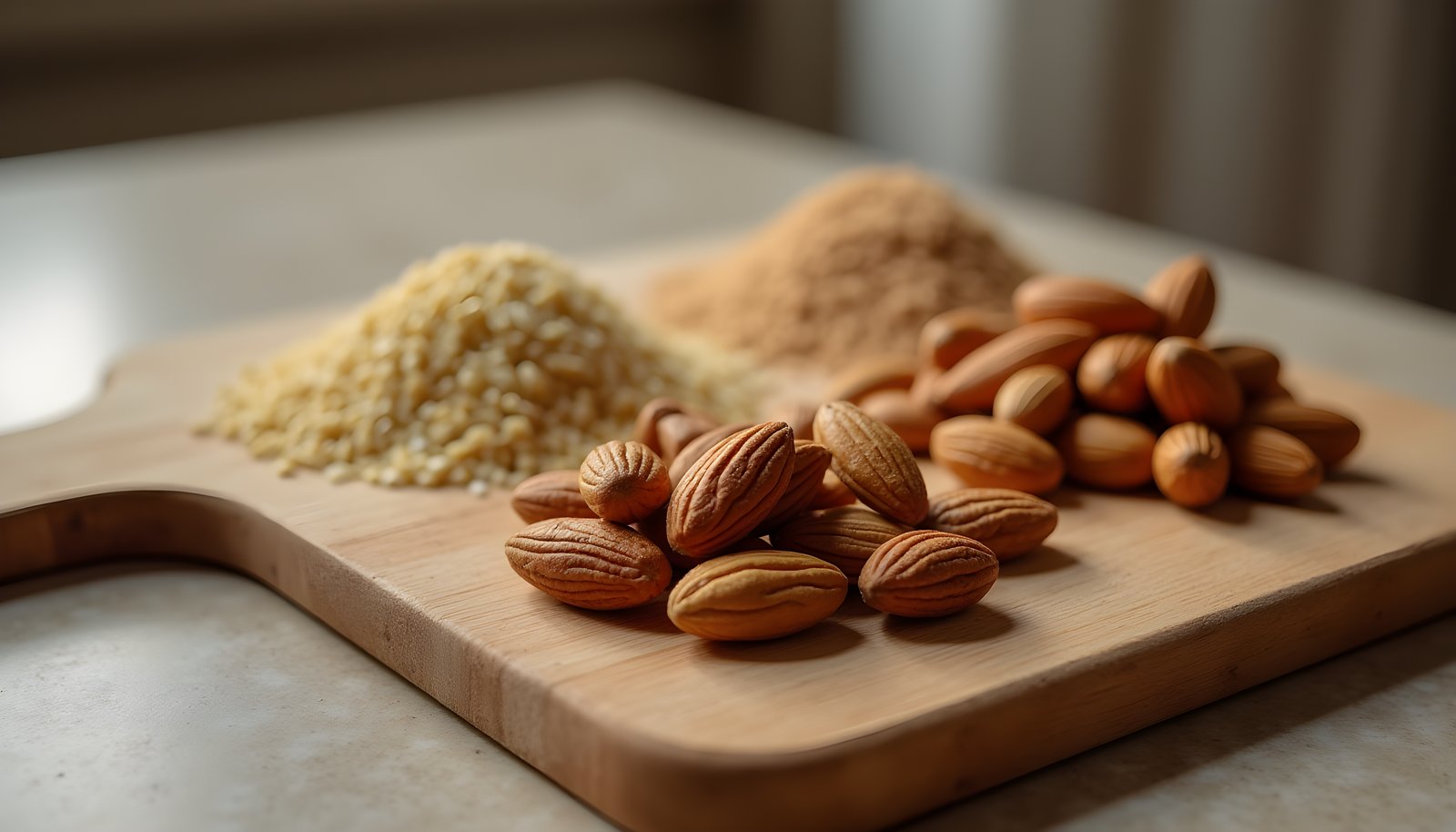
Almonds are the nuts with most fiber, at 3.5 grams per ounce, with pistachios, hazelnuts and pecans close behind. Compare nuts at the same 200 calories and almonds still lead, while cashews and pine nuts give barely a gram.
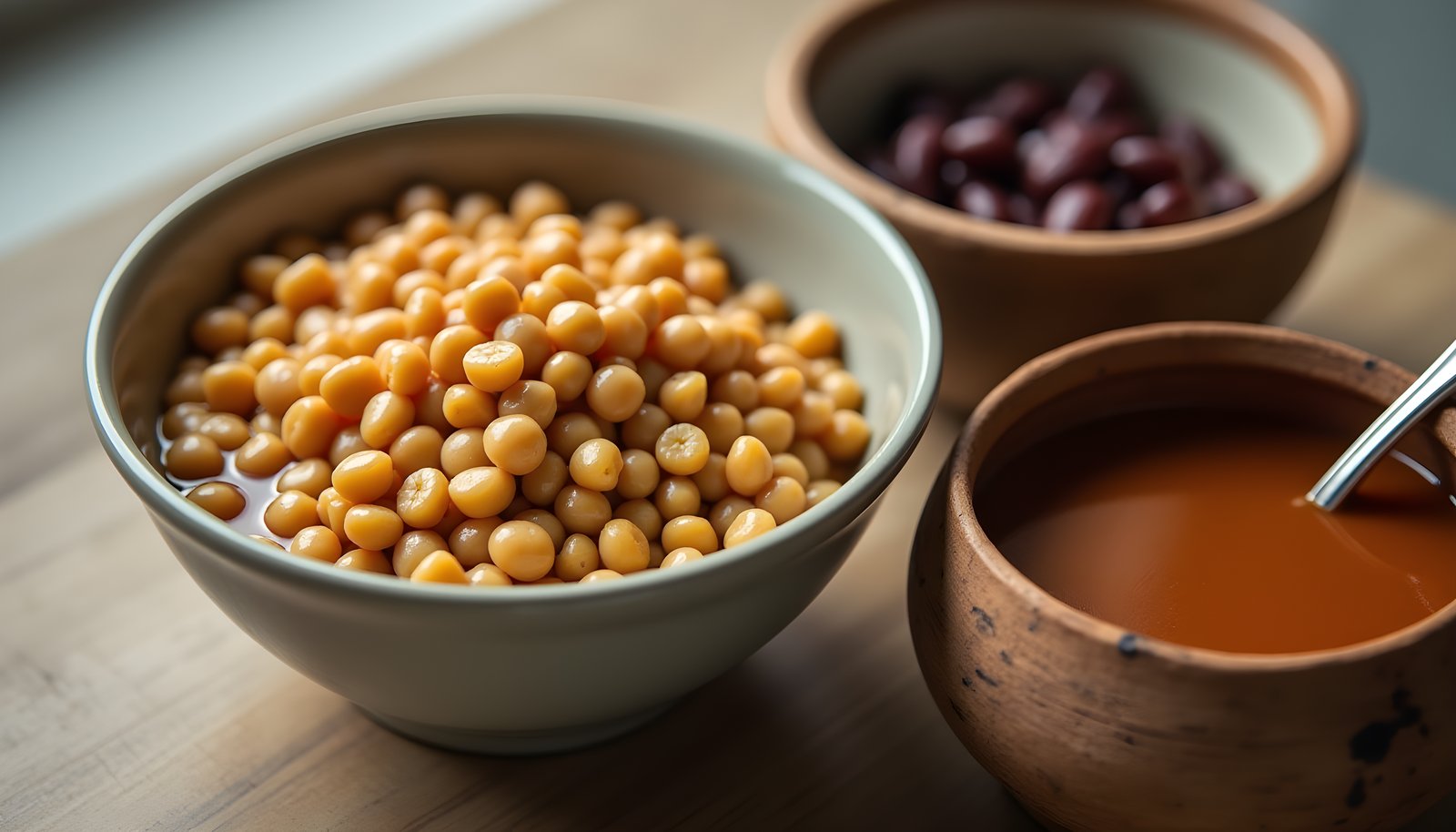
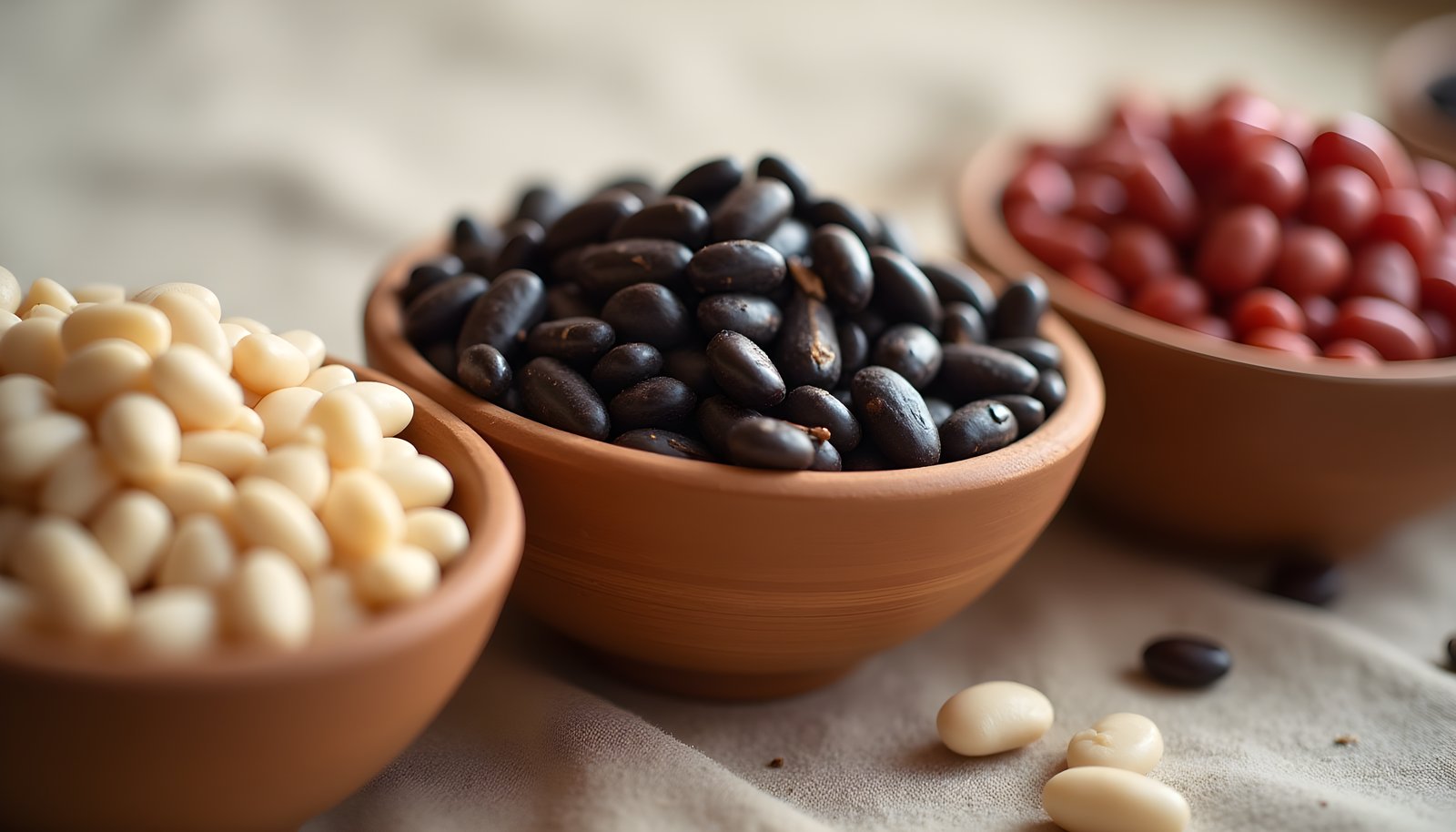
Navy beans are the beans with most fiber per serving, at 9.6 grams in a cooked half cup, followed by split peas, lentils, mung beans and pinto beans. Count fiber per calorie instead and mung beans move up to second, while soybeans and edamame drop near the bottom.
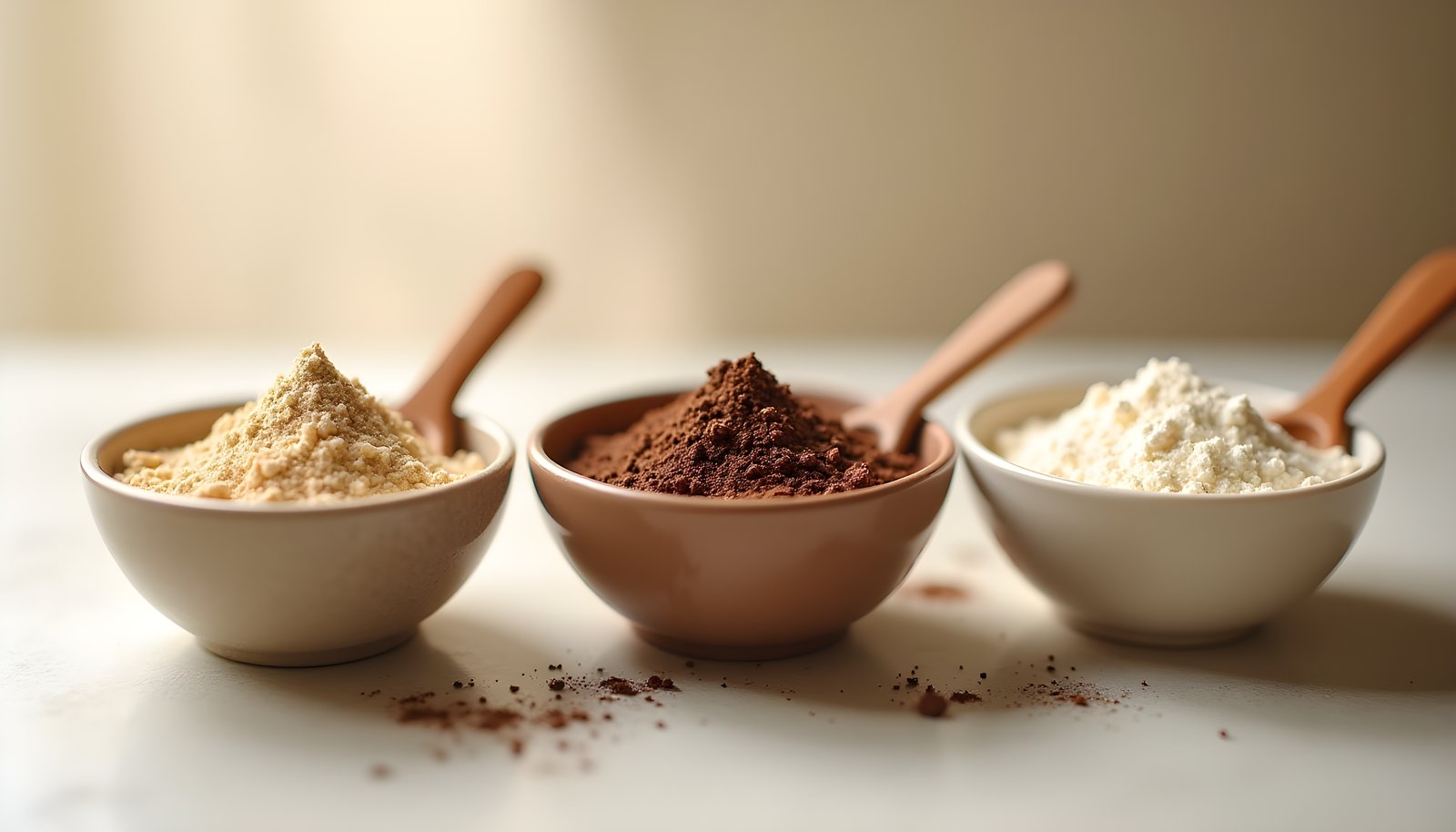
For the most vegan protein powder fiber per scoop, single ingredient hemp powders lead, with Nutiva’s Fiber Plus at 11 grams in 30 grams. Pea based blends like Orgain, Ka’Chava and Vega bring more protein but less fiber, and they rely on added fibers to get there.
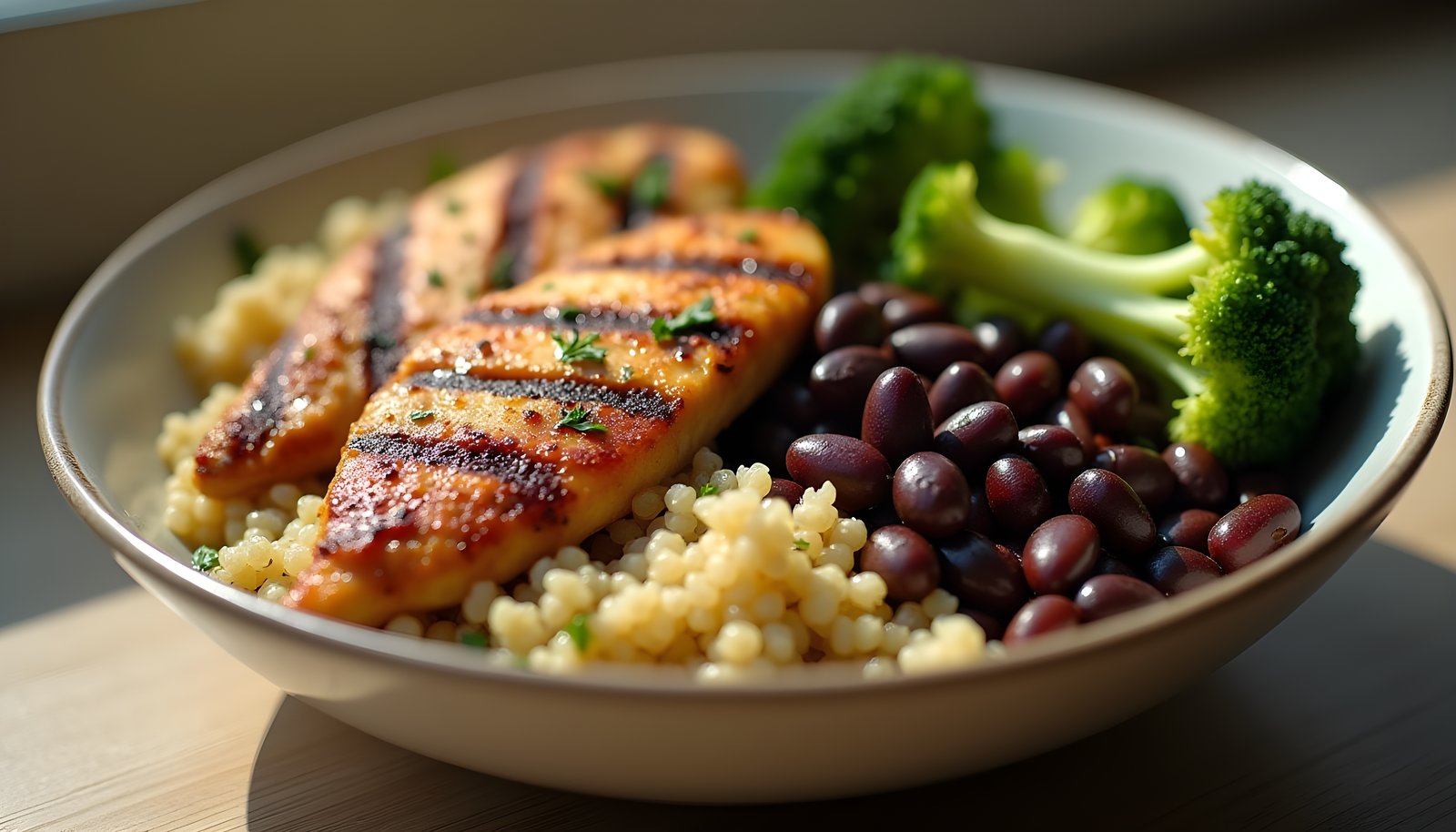
The best high fiber protein for muscle comes from pairing: lentils, chickpeas, edamame and tofu carry both, while chicken, eggs and dairy carry protein with no fiber. Built together, a lifter’s day can reach 120 grams of protein and about 37 grams of fiber.
In any protein powder with fiber comparison, the grams on the label tell only half the story, because nearly all of that fiber is added and the type varies a lot. Inulin, acacia, psyllium and cellulose behave differently, and some are far easier on a sensitive gut than others.
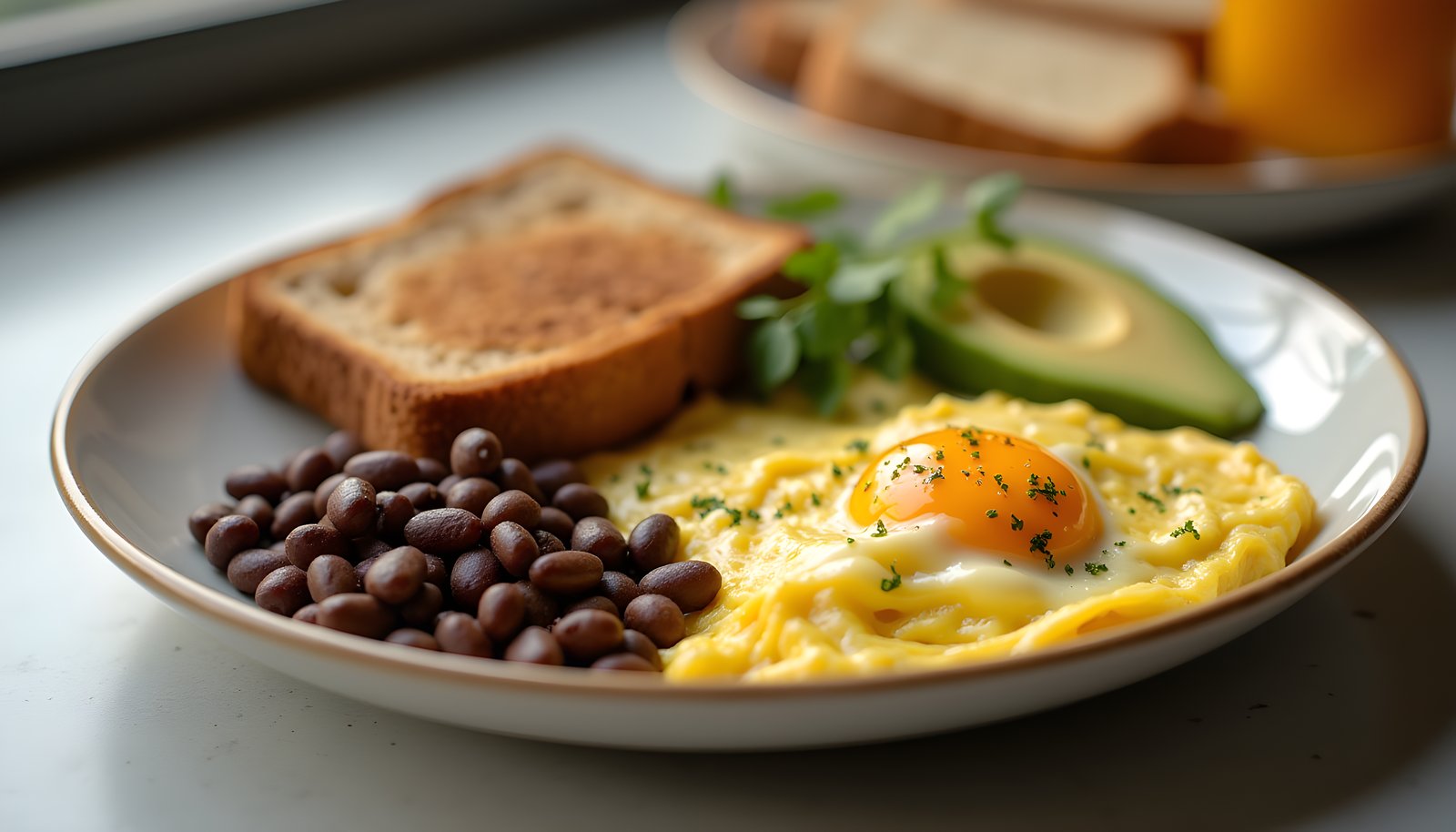
A high protein high fiber breakfast needs two kinds of food, because the classic protein picks (eggs, yogurt, cottage cheese) have no fiber and the classic fiber picks (oats, berries, chia) are light on protein. Pair one from each side and you can reach 20 grams of protein and 10 grams of fiber before 9 a.m.
Free · 7-day starter guide
Get our Gut Reset Quick-Start when you subscribe
Join 47,000 readers getting the Weekly Fiber Digest — research roundups, recipes, and discounts every Thursday.