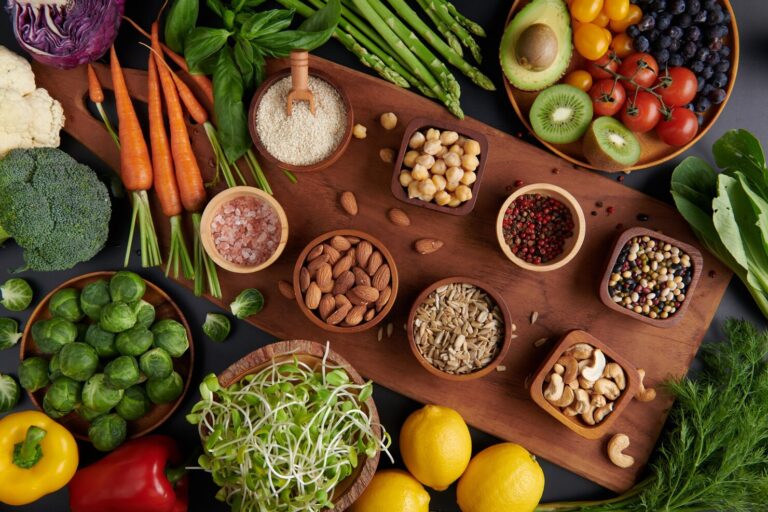
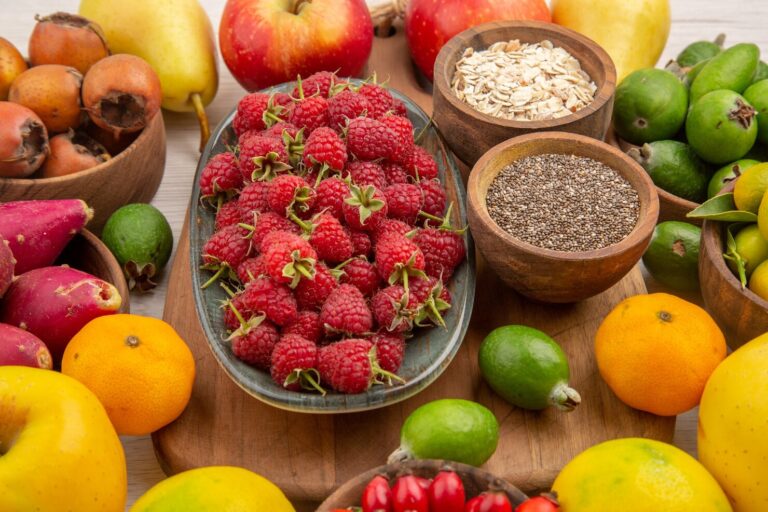
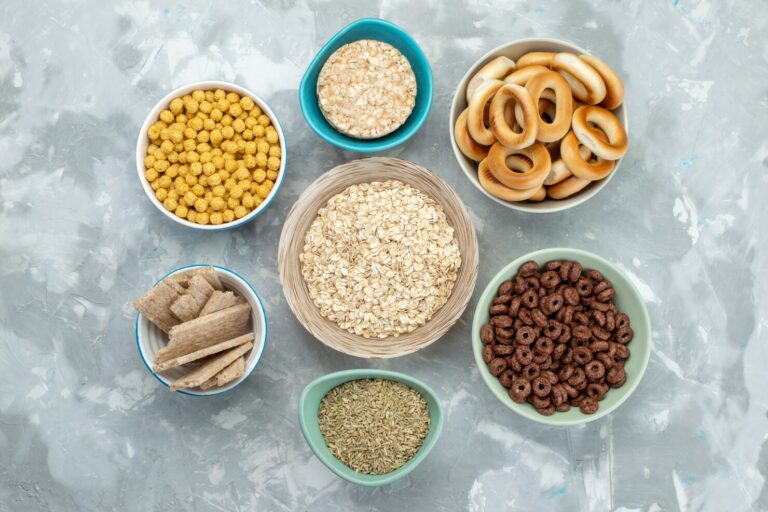
Fruits, vegetables, grains, legumes, nuts and more – discover which everyday foods pack the most fiber, how much they deliver, and simple ways to eat more of them every day.
A here’s no supplement that beats a plate of real food. Whole foods deliver fiber alongside vitamins, minerals, antioxidants, and water — a package no powder can match. The good news is that hitting your daily target is easier than it sounds once you know where fiber actually hides.
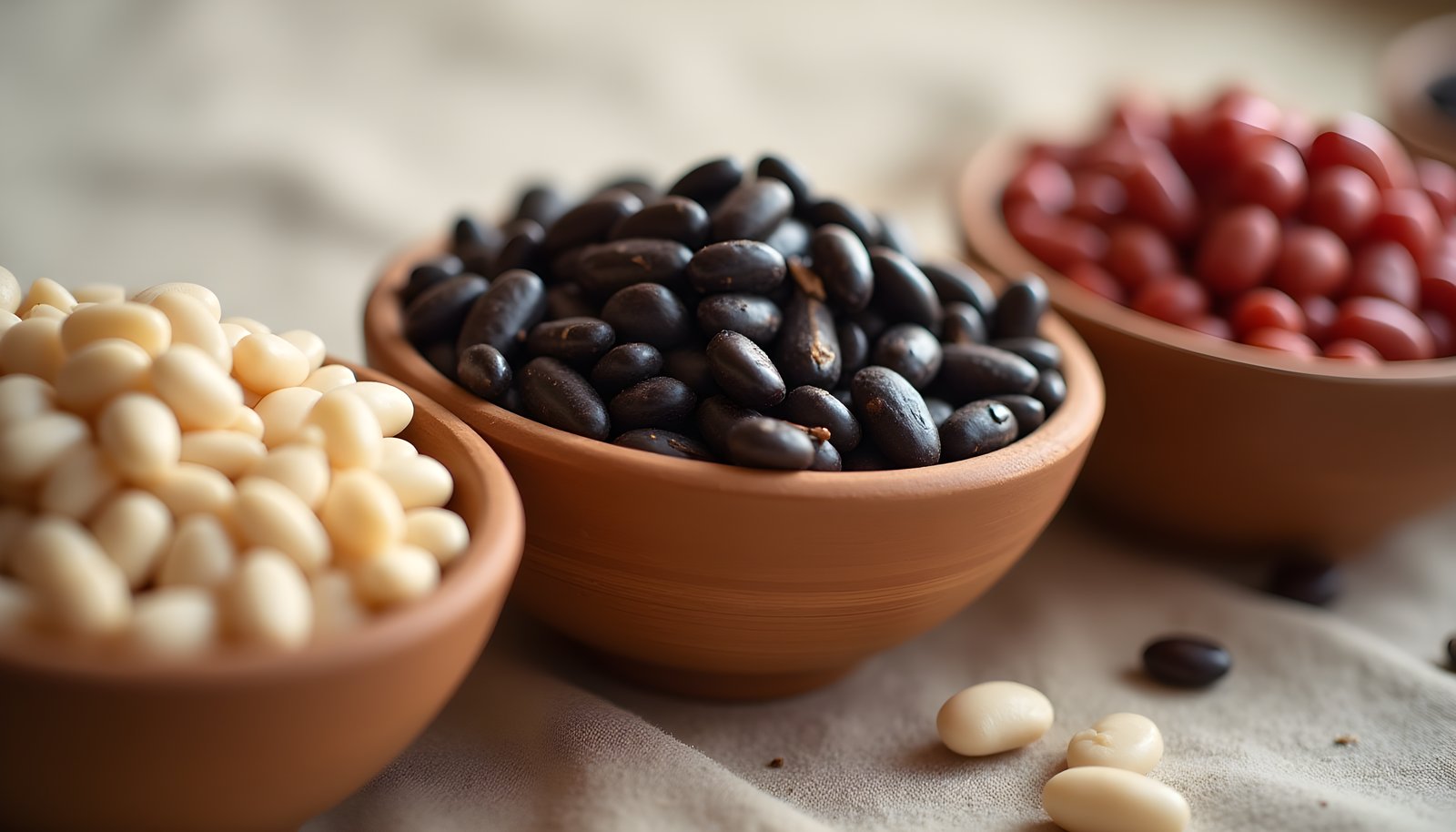
Beans and legumes are fiber powerhouses; a single cup can cover more than half your day. Whole
grains, fruit eaten with the skin, vegetables, nuts, and seeds all stack up quickly. Variety matters too
— different foods carry different types of fiber, so a mixed plate feeds a wider range of gut bacteria
than any single food or supplement could.
“You don’t need exotic superfoods to hit your fiber goal — beans, oats,
berries, and a handful of nuts will get most people there.”
That’s why we organize everything by food group. Browse fruits, vegetables, grains, legumes, nuts and seeds, dairy and alternatives, or proteins to see exactly how much fiber each delivers — with the standout picks in every category called out for you.
Not sure where to start? Begin with the highest-fiber foods, then explore the food group you eat most — small, consistent swaps are what move your daily total.
Navy beans are the beans with most fiber per serving, at 9.6 grams in a cooked half cup, followed by split peas, lentils, mung beans and pinto beans. Count fiber per calorie instead and mung beans move up to second, while soybeans and edamame drop near the bottom.
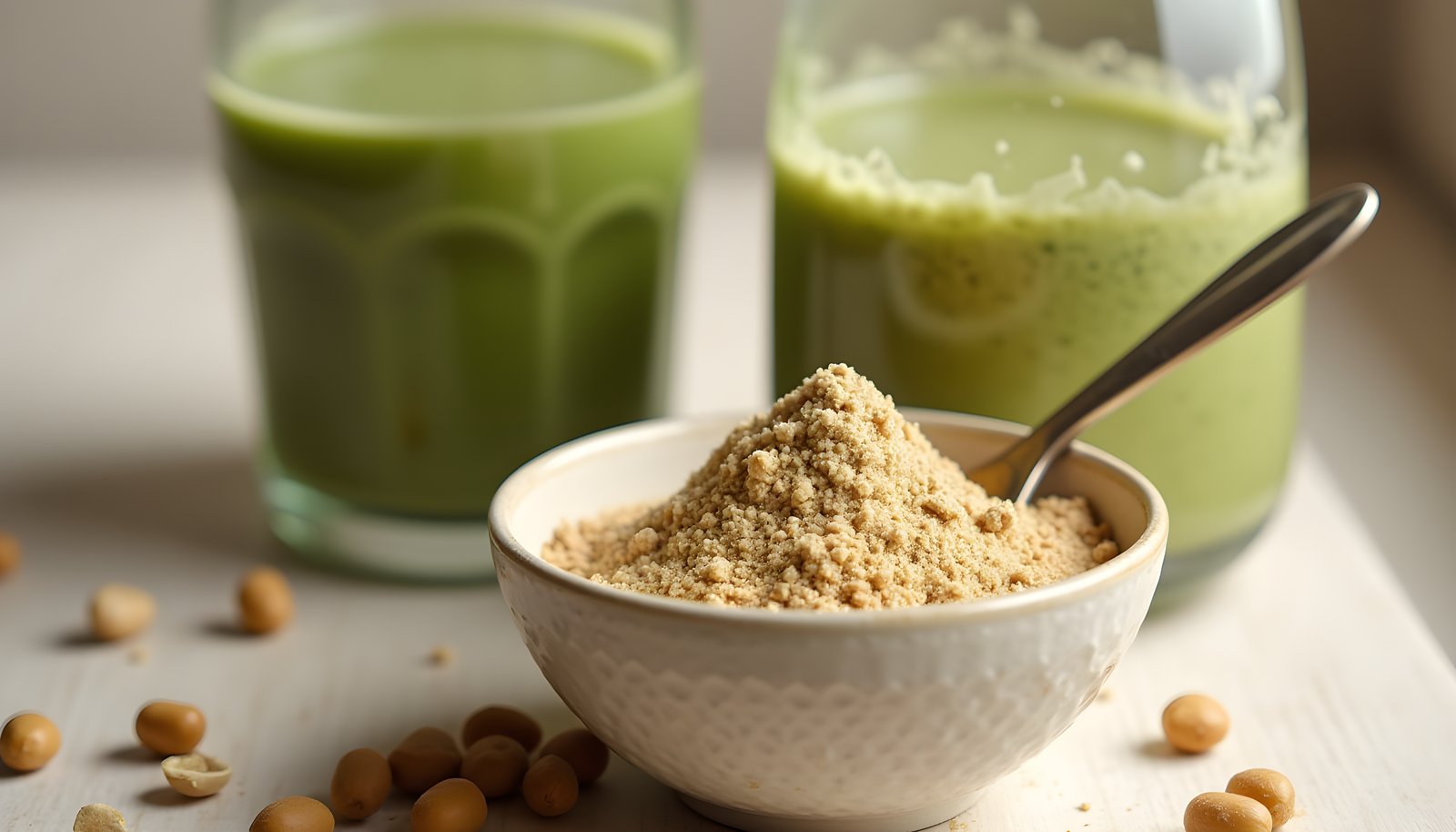
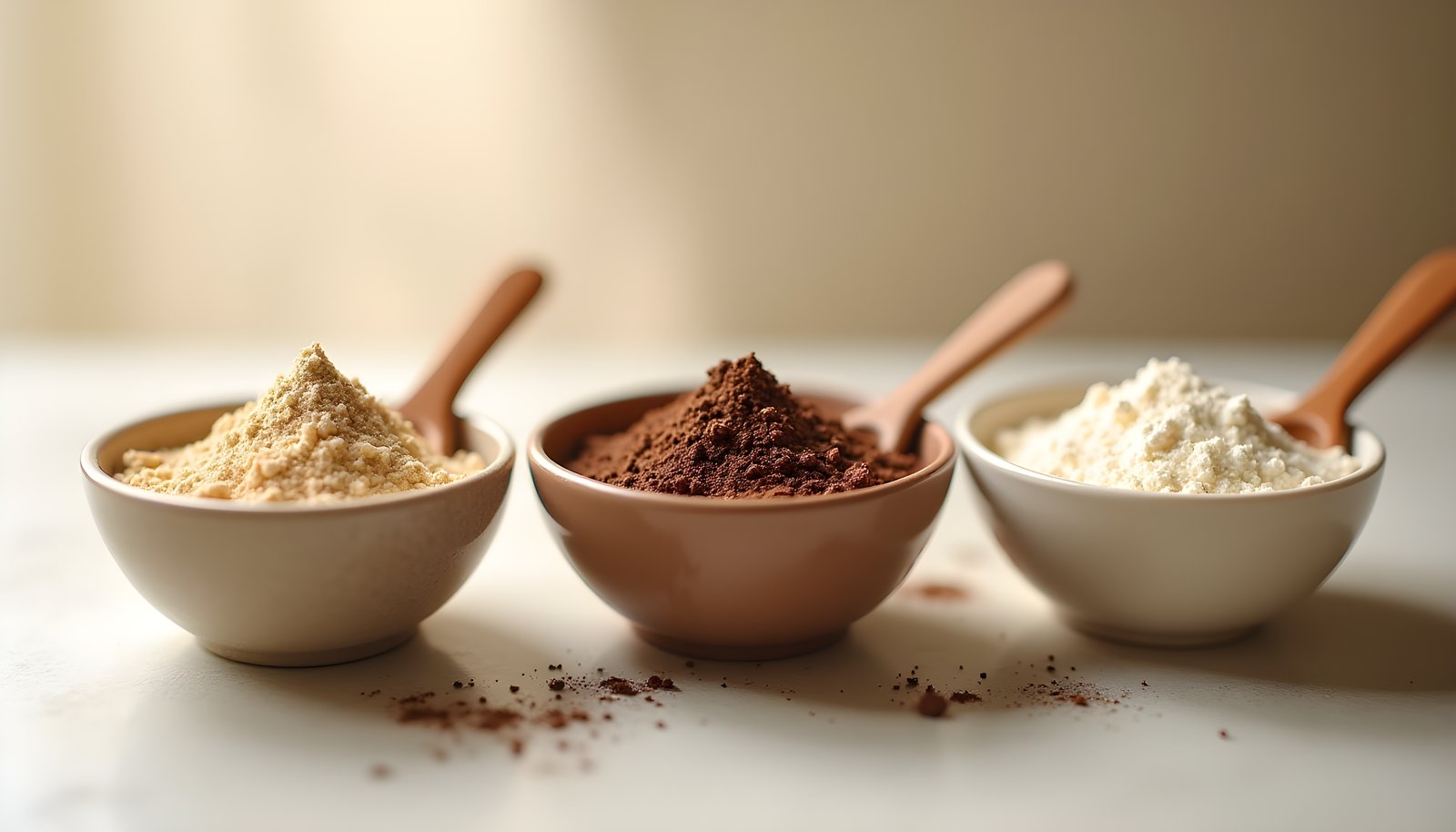
For the most vegan protein powder fiber per scoop, single ingredient hemp powders lead, with Nutiva’s Fiber Plus at 11 grams in 30 grams. Pea based blends like Orgain, Ka’Chava and Vega bring more protein but less fiber, and they rely on added fibers to get there.
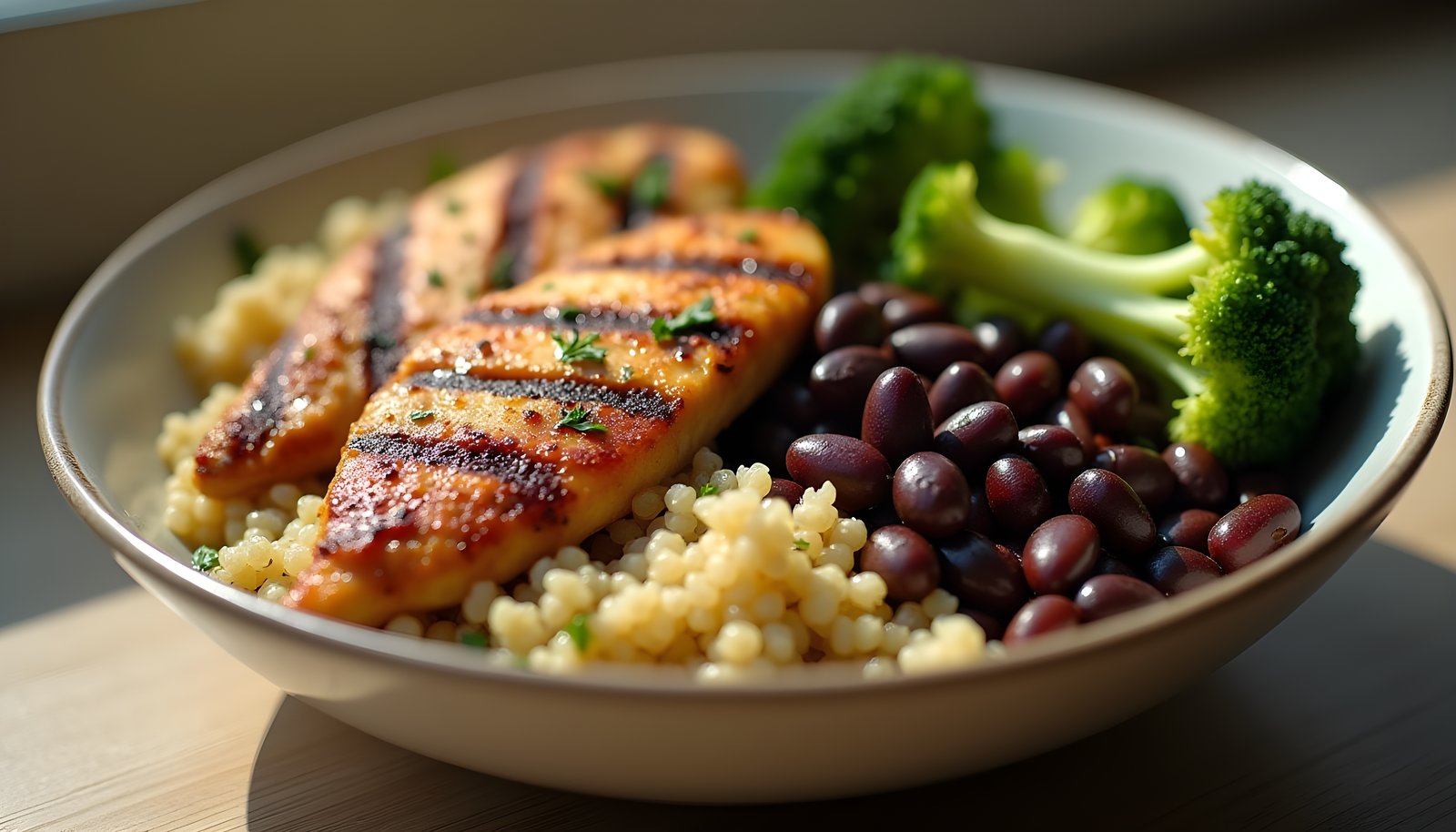
The best high fiber protein for muscle comes from pairing: lentils, chickpeas, edamame and tofu carry both, while chicken, eggs and dairy carry protein with no fiber. Built together, a lifter’s day can reach 120 grams of protein and about 37 grams of fiber.
In any protein powder with fiber comparison, the grams on the label tell only half the story, because nearly all of that fiber is added and the type varies a lot. Inulin, acacia, psyllium and cellulose behave differently, and some are far easier on a sensitive gut than others.
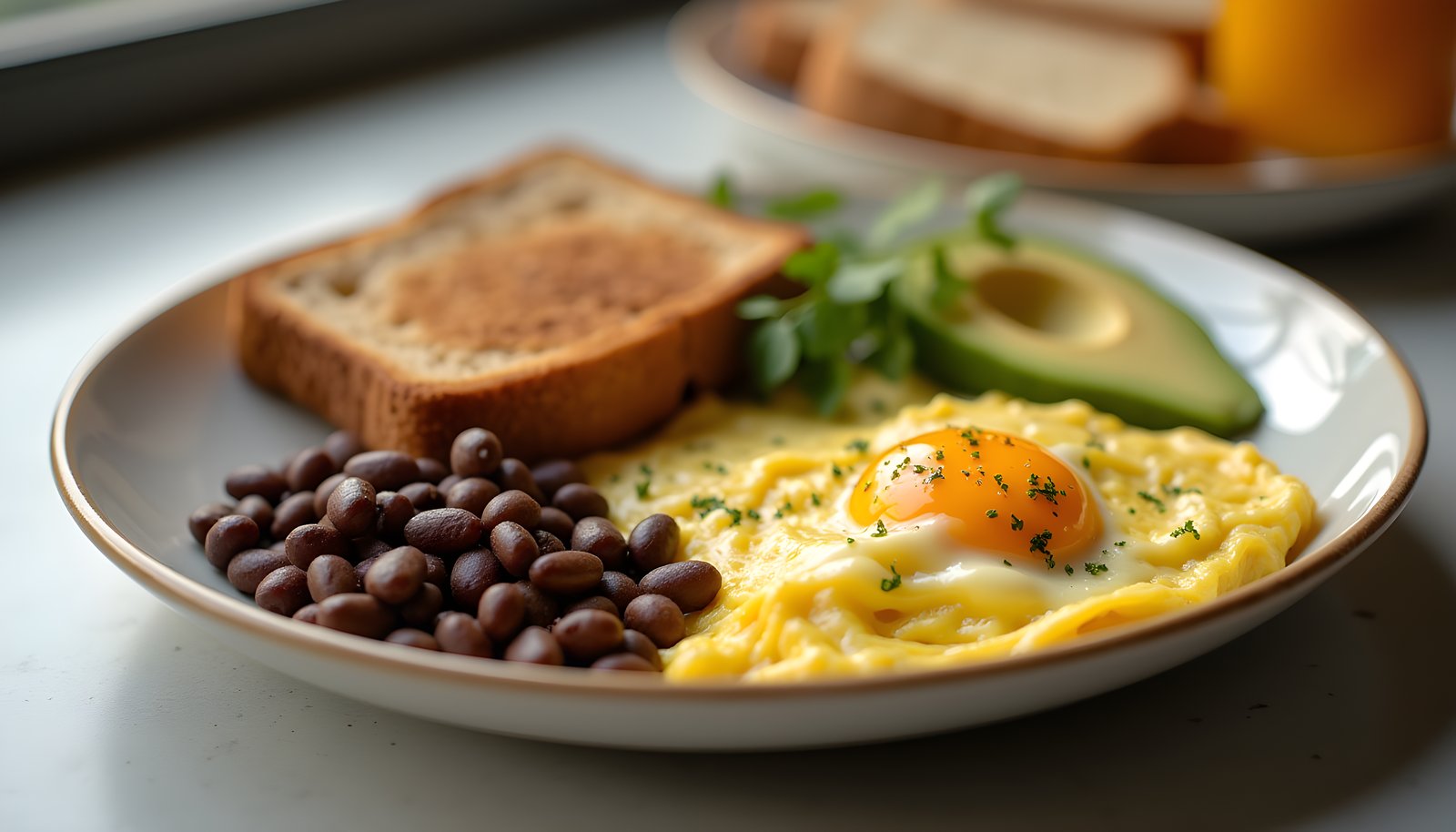
A high protein high fiber breakfast needs two kinds of food, because the classic protein picks (eggs, yogurt, cottage cheese) have no fiber and the classic fiber picks (oats, berries, chia) are light on protein. Pair one from each side and you can reach 20 grams of protein and 10 grams of fiber before 9 a.m.
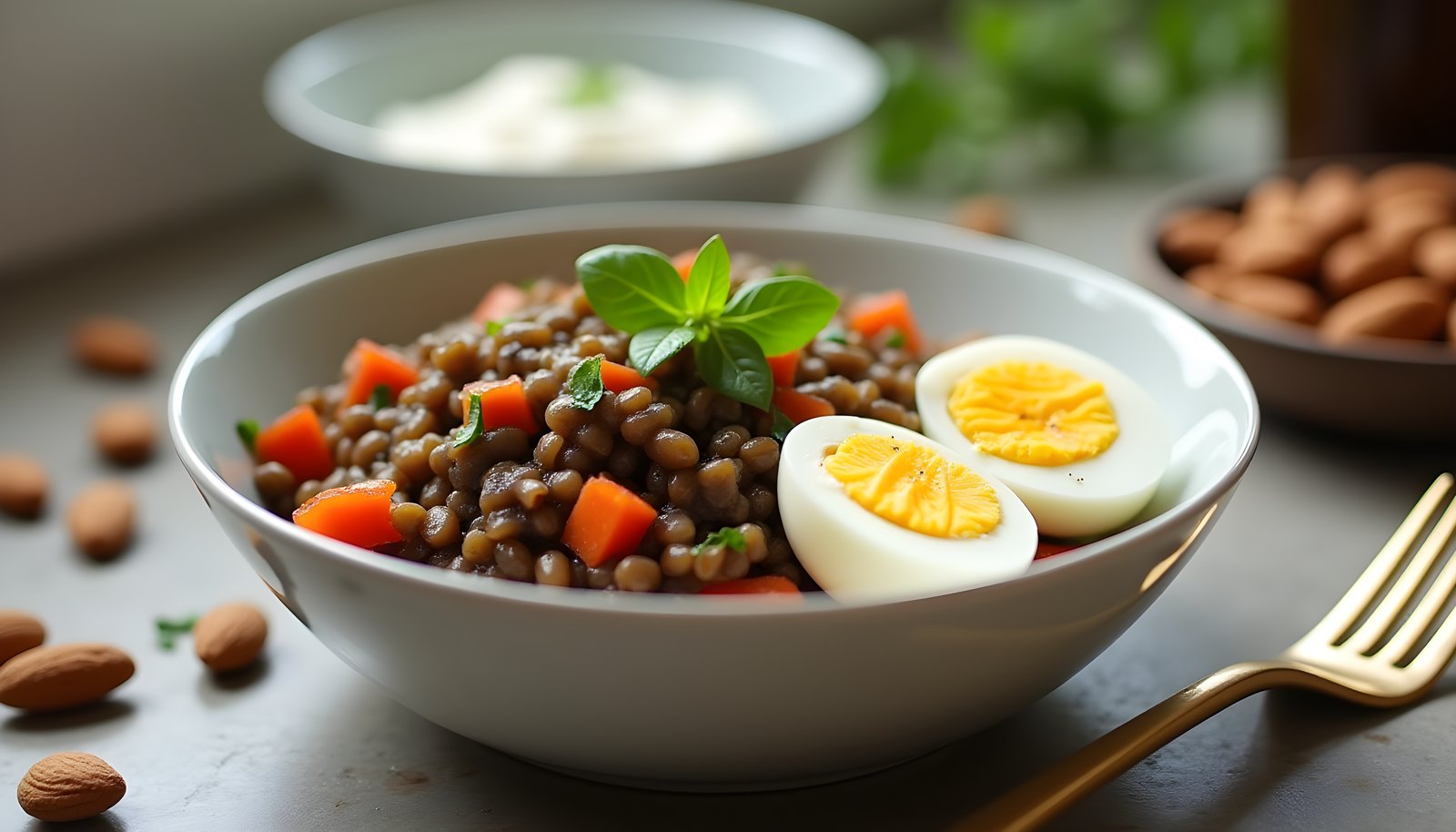
The vegetarian protein fiber leaders are lentils, split peas and black beans, each with about 15 grams of protein and 15 grams of fiber per cooked cup. Eggs, yogurt and cottage cheese bring plenty of protein but zero fiber, so the best vegetarian plates pair the two groups.
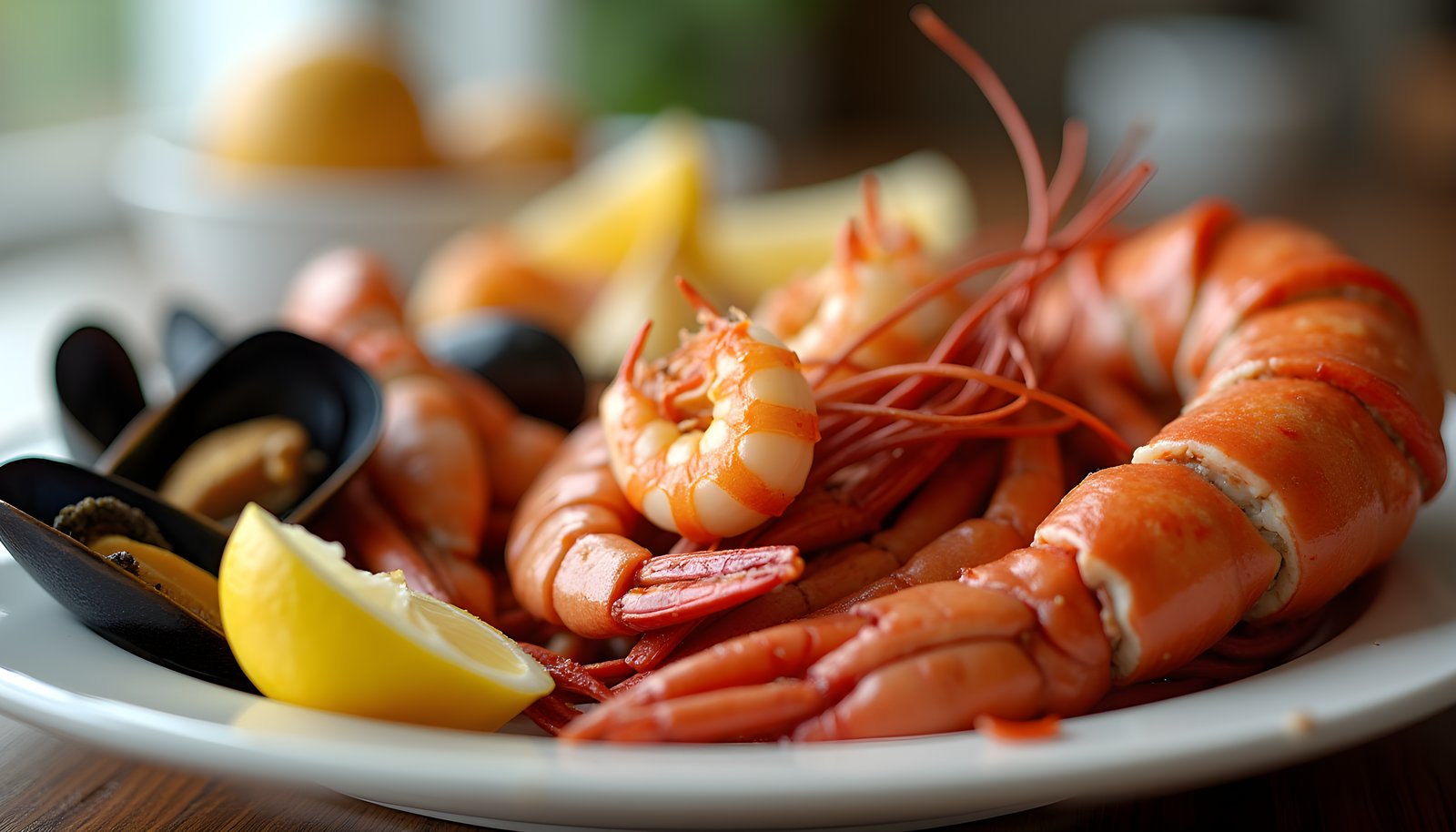
No. Shellfish fiber is zero across shrimp, crab, lobster, clams, mussels and oysters, even though some of them carry a few grams of carbohydrate. What shellfish do bring is lean protein, zinc and vitamin B12, so the fiber has to come from the plants you serve with them.
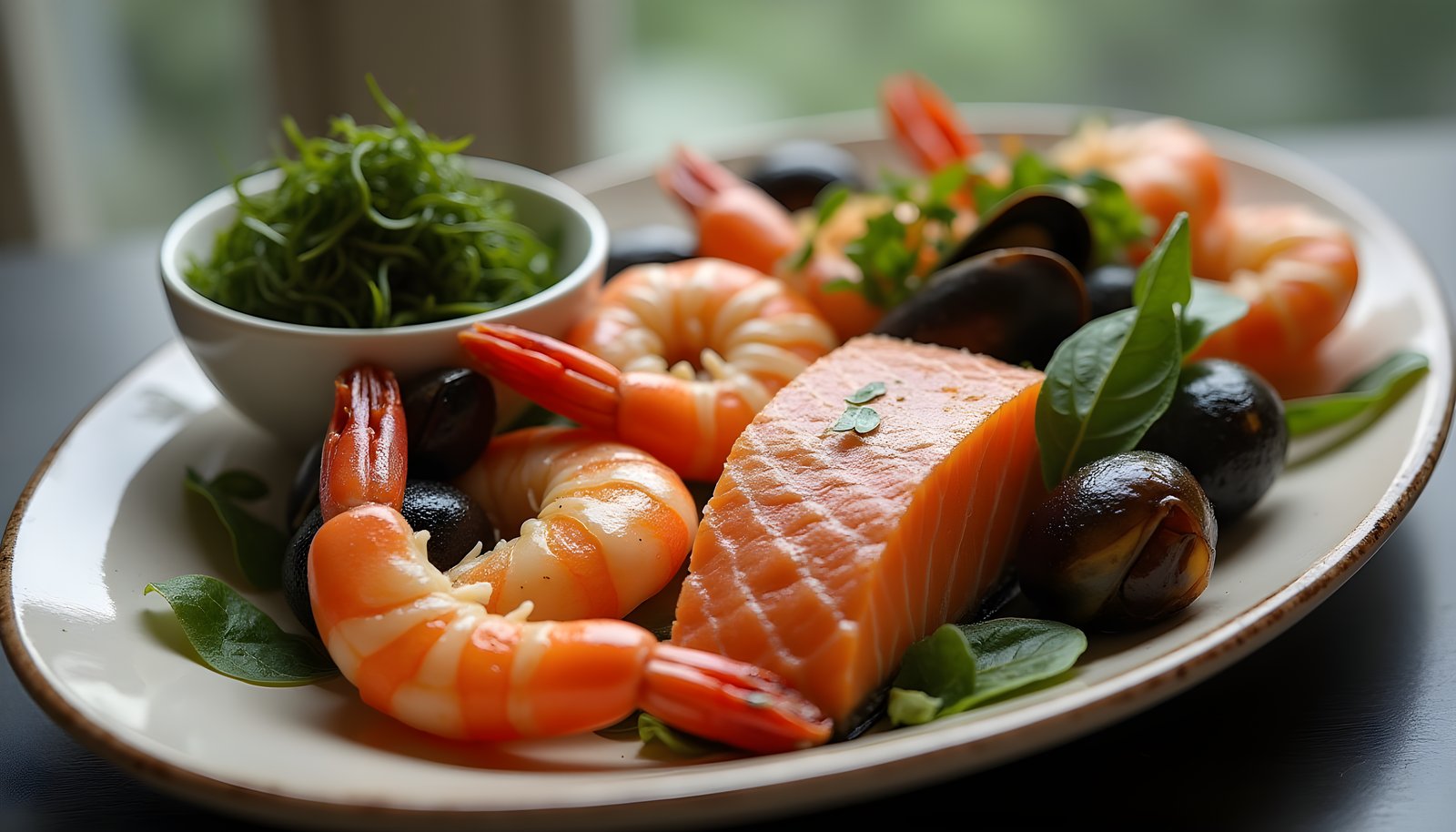
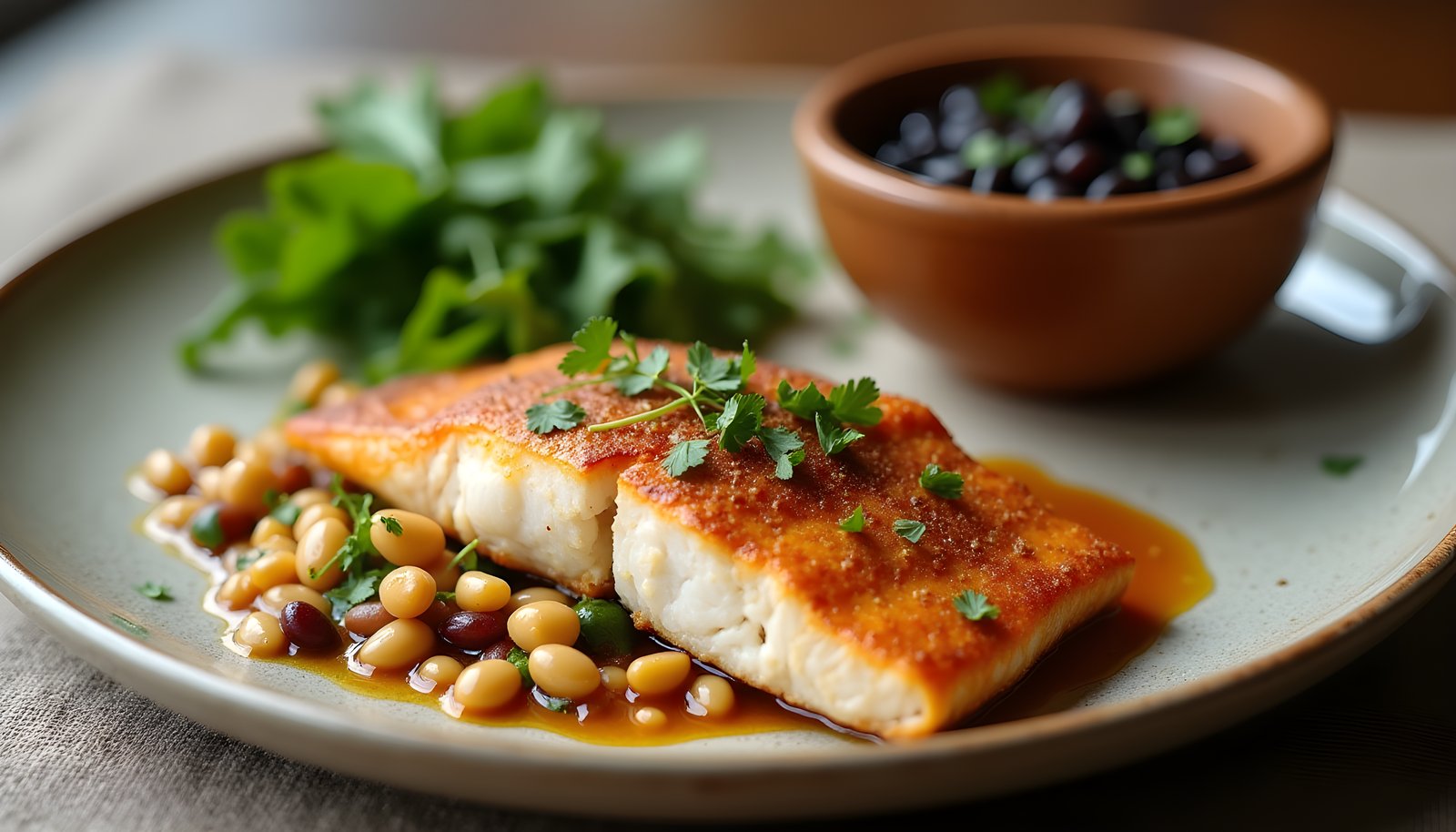
Plain fish and shellfish have no fiber at all, so the seafood fiber content winner is seaweed, with dried agar at 7.7 grams per 100 grams. Breaded fish sticks pick up a trace from their coating, but the fiber on a seafood plate really comes from the sides.
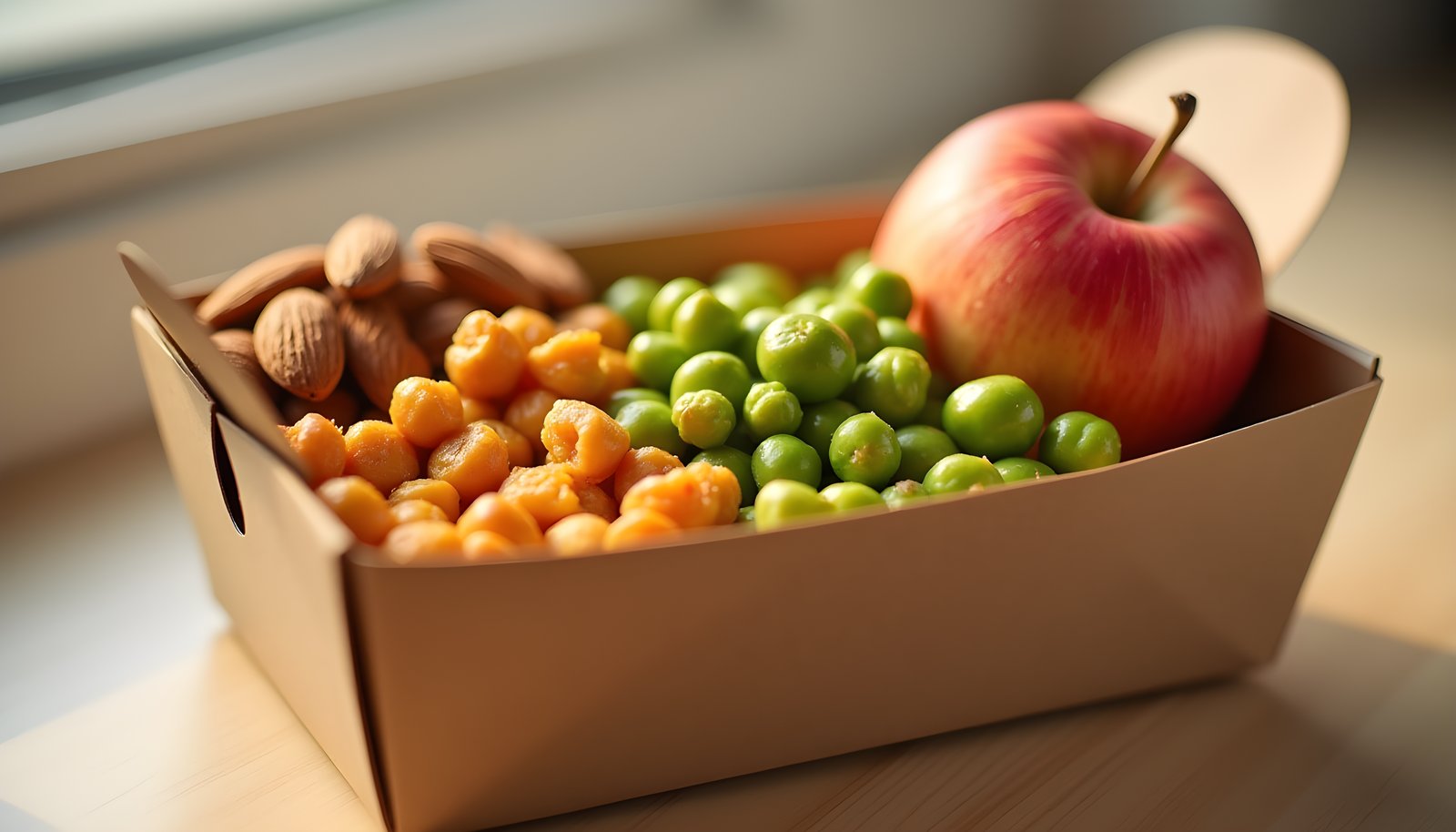
The best high fiber protein snacks pair a legume, nut or seed with a protein food, landing at 7 grams of protein and 4 grams of fiber or more. Shelled edamame, roasted chickpeas, Greek yogurt with chia and a nut and seed mix all qualify, and most travel well.
The best protein fiber for diabetics comes from legumes like lentils, split peas and black beans, which carry 15 grams or more of both per cooked cup. Pair them with fish, poultry or tofu, eat that part of the plate first, and keep red and processed meat rare.